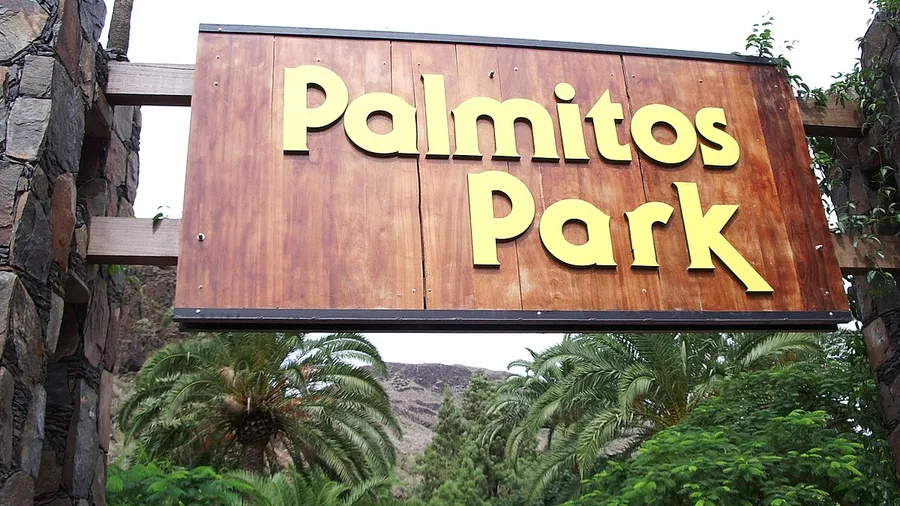
Highlights

  • • Tropical and subtropical species from around the world
  • • Notable specimens of dragon tree and Canary Island palm
  • • Accessible paths with informative panels
  • • Free entry and family-friendly
  • • Pets allowed under control
  • • Located in southern Gran Canaria, near Maspalomas

Description

The Maspalomas Botanical Garden, located in the south of Gran Canaria, is a space dedicated to the conservation and display of tropical and subtropical plant species. This historic garden stretches over terrain that blends natural beauty with landscape design aimed at learning and enjoyment. As you stroll along its paths, you'll feel the rough texture of dragon tree leaves and the cool shade provided by Canary Island palms, creating an atmosphere that invites calm and observation.

During your visit, you'll discover a wide variety of plants, from cacti and succulents to fruit trees and endemic Canary Islands species. Especially notable are the dragon tree specimens (Dracaena draco), the botanical symbol of the islands, and the Canary Island palms (Phoenix canariensis), which are part of the local natural landscape. Additionally, the garden features informative panels explaining the characteristics and uses of each species, providing an educational experience.

The garden was inaugurated in 1987 with the goal of conserving Canary flora and promoting knowledge about the region's biodiversity. Its creation responds to the need to protect native and exotic species in an environment that combines scientific research with environmental outreach. The Maspalomas Botanical Garden also contributes to raising awareness about the importance of preserving local and global ecosystems.

Visitors are advised to allocate between 1 and 2 hours to explore its paths and enjoy its collections. Admission is free, and access is suitable for people with reduced mobility, although some areas may have gentle slopes. No advance booking is required. The garden is family-friendly and allows pets as long as they are kept under control. Comfortable footwear and sun protection are recommended, especially during the warmer months.

Key Information

Visit Duration

1-2 hours

Recommended Seasons

Spring, Autumn

Pricing

Free

Accessibility

Medium

Kid-Friendly Pet-Friendly No Booking Required

Related Destinations

Guide

Essential information for visiting Maspalomas Botanical Garden

Location
Practical Information
Pricing
Free
Visit Duration
1-2 hours
Features & Services
  • Accessibility:Medium
  • Kid-Friendly:Yes
  • Pet-Friendly:Yes
  • Booking:No Booking Required
Planning Information

Recommended Seasons

Spring · Autumn

Best Time to Visit

The best time to visit is in spring and autumn, when temperatures are mild and natural light enhances plant observation.

Visitor Tips

To make the most of your visit, wear comfortable shoes and bring sun protection, as some areas are exposed to the sun. Visit early in the morning or late afternoon to avoid the hottest hours. Use the informative panels to learn about local and exotic flora. If visiting with children, prepare activities to help them observe the different plants and their environment. Remember to respect the garden's rules to preserve its natural state.

Historical Facts

The Maspalomas Botanical Garden was inaugurated in 1987 with the purpose of conserving Canary flora and promoting environmental education. Its design combines scientific research with outreach, contributing to the protection of endemic and exotic species in a natural setting.

Frequently Asked Questions

Get answers about Maspalomas Botanical Garden

Opening hours may vary, so it is recommended to check the official website or local information before your visit.
No advance booking is required to visit the Maspalomas Botanical Garden.
Yes, the garden has adapted access, although some areas may have gentle slopes.
Yes, pets are allowed as long as they are kept under control and follow the garden's rules.
Currently, there are no official guided tours, but the informative panels offer a self-guided educational experience.