Highlights

  • • Traditional architecture with batipuertas and wooden balconies
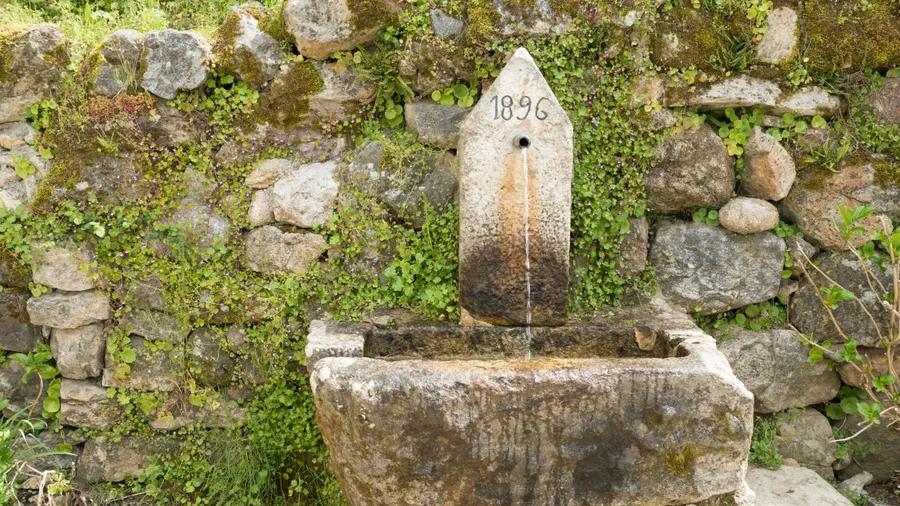
  • • Regaderas flowing through streets adding freshness and sound
  • • Centuries-old tradition of crafting Iberian sausages
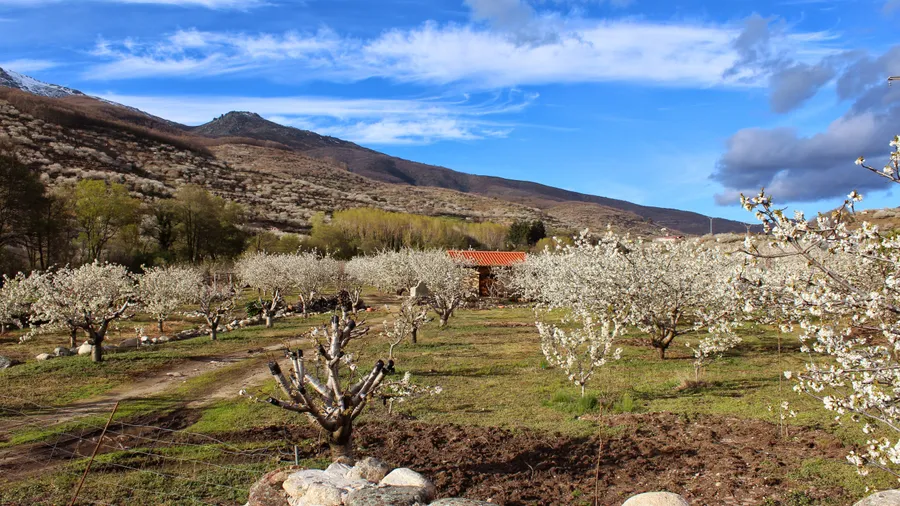
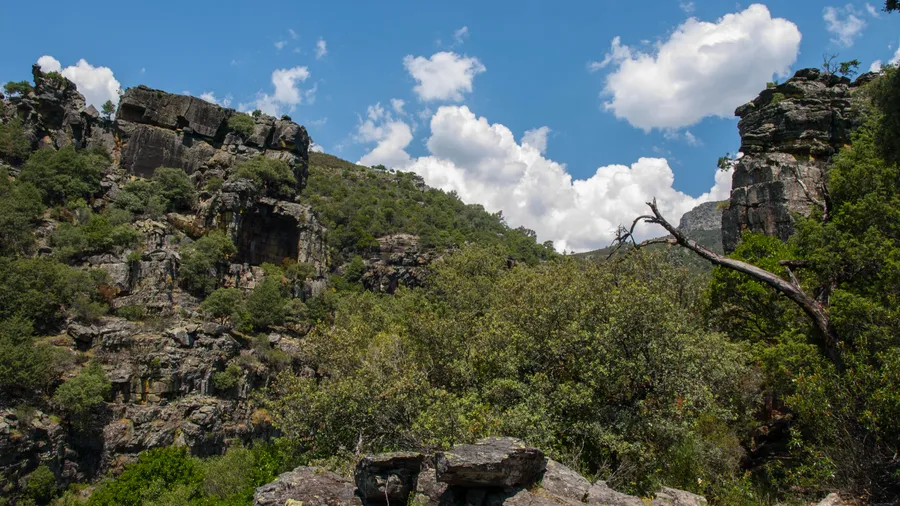
  • • Cobbled streets and natural surroundings of the Sierra de Béjar
  • • Peaceful, picturesque setting with stone and wooden houses

Description

Candelario is a village nestled in the Sierra de Béjar within Salamanca province, renowned for its traditional architecture and deep-rooted chacinera culture. This mountain enclave offers a peaceful, picturesque atmosphere where stone and wooden houses line narrow, cobbled streets. Characteristic features include batipuertas—low doors at house entrances—and regaderas, small water channels running through the streets, reflecting the village's adaptation to its mountainous environment and history.

Strolling through Candelario, you'll notice wooden balconies and sloped roofs designed to withstand winter snowfalls. The gently flowing regaderas provide a constant water sound that refreshes the air. The chacinera tradition is evident in shops and workshops crafting Iberian sausages using centuries-old methods, an activity that has shaped the local economy and identity.

Candelario's origins date back to medieval times when settlements were established in the Sierra de Béjar. The village's architecture and customs mirror the rural, mountainous life of the region, with influences preserved over centuries. The production of sausages, especially ham and chorizo, has been passed down through generations, making Candelario a benchmark in mountain gastronomy.

Visitors should wear comfortable shoes to explore the cobbled streets and enjoy the tranquil natural surroundings. The village is accessible year-round, though spring and autumn offer milder weather for strolling. No reservation is needed to visit, and entry is free. Candelario is family- and pet-friendly, though some streets may be challenging for those with reduced mobility due to terrain and pavement. A visit typically lasts 1 to 2 hours, enough to appreciate its architecture and sample local products.

Key Information

Visit Duration

1-2 hours

Recommended Seasons

Spring, Autumn

Pricing

Free

Accessibility

Medium

Kid-Friendly Pet-Friendly No Booking Required

Related Destinations

Guide

Essential information for visiting Candelario

Location
Practical Information
Pricing
Free
Visit Duration
1-2 hours
Features & Services
  • Accessibility:Medium
  • Kid-Friendly:Yes
  • Pet-Friendly:Yes
  • Booking:No Booking Required
Planning Information

Recommended Seasons

Spring · Autumn

Best Time to Visit

Spring and autumn are the best seasons to visit Candelario, offering mild temperatures and fewer crowds.

Visitor Tips

Wear comfortable shoes to navigate the narrow, cobbled streets of Candelario. Take the opportunity to taste local sausages in village shops. If visiting in winter, prepare for cold temperatures and possible snow. Respect the village's tranquility and help preserve the regaderas, which are part of its heritage.

Historical Facts

Candelario dates back to medieval times and has preserved its mountain architecture and traditions over centuries. Its centuries-old Iberian sausage production has significantly influenced the local economy and culture.

Frequently Asked Questions

Get answers about Candelario

They are low doors at house entrances designed to protect against cold and prevent animals from entering.
Yes, there are shops and workshops where traditional Iberian sausages are made and sold.
The cobbled terrain and narrow streets can make access challenging, so accessibility is medium.
Yes, Candelario is pet-friendly and welcomes pets in its streets.
Spring and autumn offer the most pleasant climate for exploring the village and surroundings.