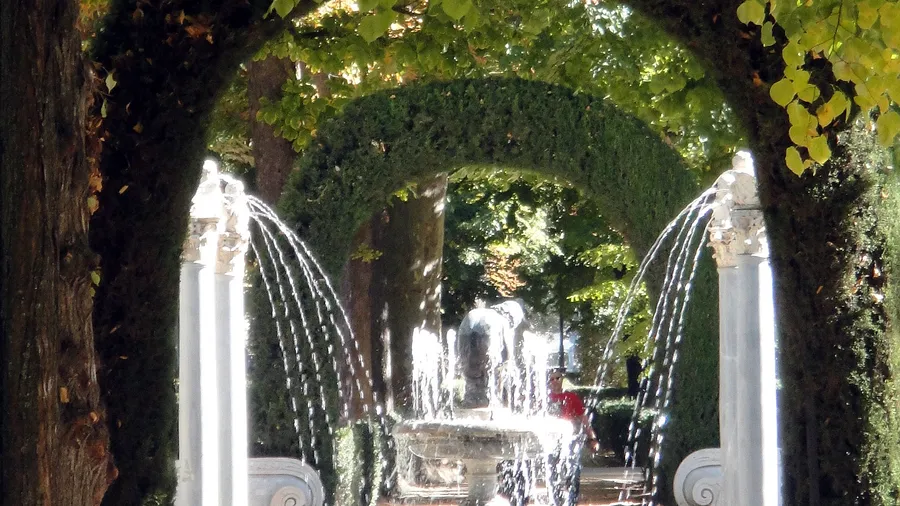
Aranjuez Gardens
Highlights
- • Integrated Renaissance, Baroque, and Neoclassical design
- • Jardín del Parterre with geometric hedges
- • Jardín de la Isla with natural paths
- • Ornamental fountains and classical statues
- • World Heritage Site since 2001
- • Inspiration for the Concierto de Aranjuez
Description
Key Information
Visit Duration
2-3 hours
Recommended Seasons
Spring, Autumn
Pricing
Free
Accessibility
High
Guide
Essential information for visiting Aranjuez Gardens
Location
Practical Information
- Pricing
- Free
- Visit Duration
- 2-3 hours
Features & Services
- Accessibility:High
- Kid-Friendly:Yes
- Pet-Friendly:Yes
- Booking:No Booking Required
Planning Information
Recommended Seasons
Spring · Autumn
Best Time to Visit
Spring and autumn provide mild temperatures and vibrant vegetation, ideal for comfortably exploring the gardens.
Visitor Tips
Wear comfortable shoes and bring water, especially in summer. The gardens are extensive, so plan your route to see key spots like Jardín del Parterre and Jardín de la Isla. Visiting in spring offers blooming flowers and pleasant temperatures. Respect guidelines to preserve the heritage and avoid stepping on planted areas.
Historical Facts
The Jardines de Aranjuez began in the 16th century as part of the Royal Palace, showcasing Spanish monarchy influence on European art and gardening. Over centuries, Baroque and Neoclassical elements were added, enhancing their cultural and artistic value. In 2001, UNESCO designated them a World Heritage Site within the Cultural Landscape of Aranjuez.
Gallery
Photos and images of Aranjuez Gardens
Frequently Asked Questions
Get answers about Aranjuez Gardens