The essentials of Riberas de Castronuño-Vega del Duero

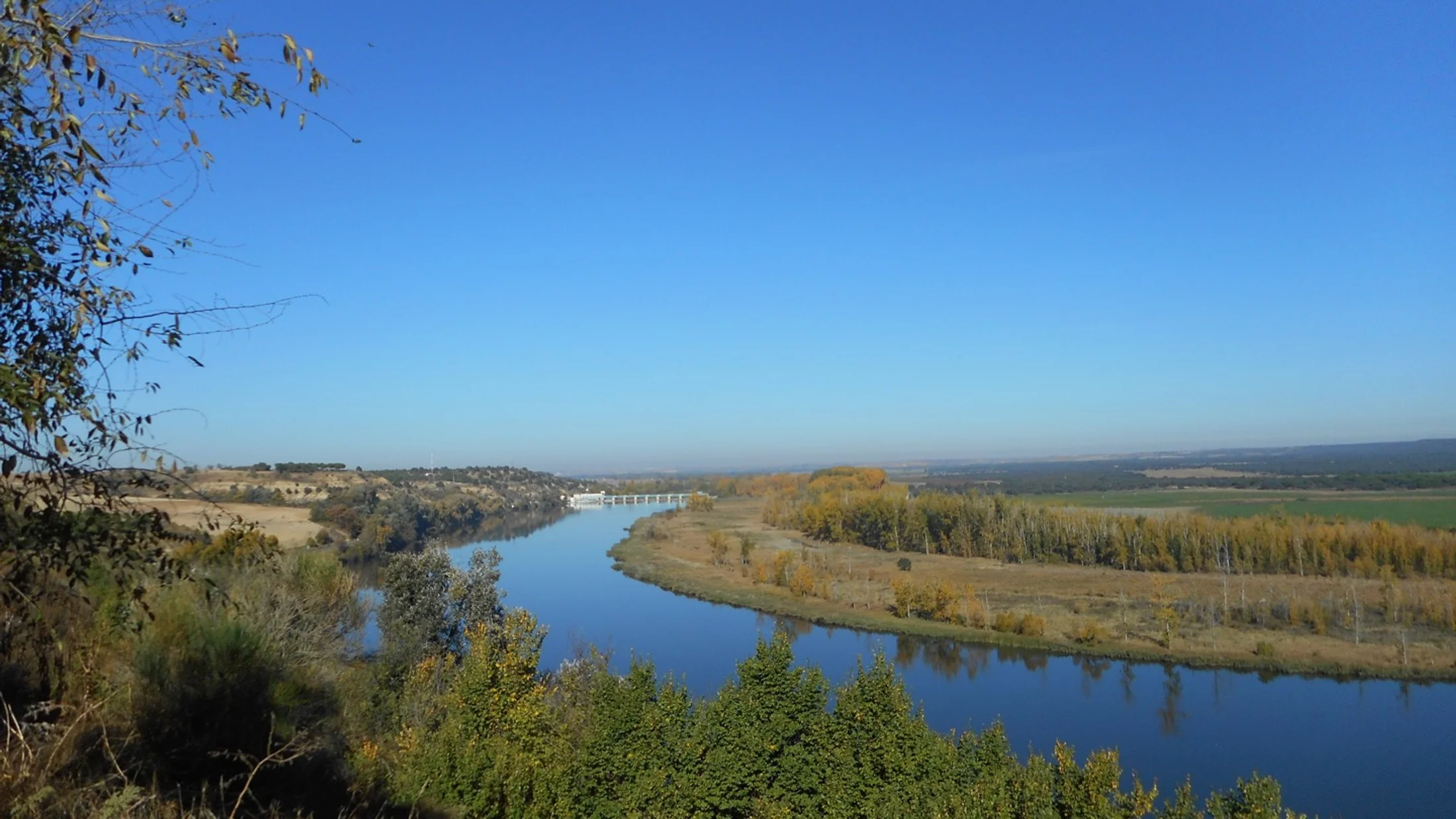
  • • Great meander and San José reservoir on the Duero
  • • One of the largest heron colonies in Castilla y León
  • • Birdwatching of waterfowl and raptors in the wetland
  • • Vineyards of the Tierra del Vino and the D.O. Toro
  • • Castronuño and its viewpoint over the river gorge

Description

In the southwest of Valladolid, the Duero traces a large meander that feeds the San José reservoir and shapes the Castronuño-Vega del Duero Natural Reserve, the only space with this protection status in the province. It is an inland wetland where the river widens among reed beds, poplar groves, and riverside forests that serve as a refuge for a remarkable bird community: grey herons and little egrets that form one of the largest colonies in the region, as well as sparrowhawks, kites, and waterfowl that make the place a benchmark for wildlife observation.

Perched upon the cliffside lies Castronuño, with its church of Santa María del Castillo overlooking the water and a viewpoint that encompasses the entire meander. All around, the agricultural mosaic of the riverbank unfolds: vineyards from the Toro and Tierra del Vino Denominación de Origen, cereal fields, and pine forests. The nearby Villafranca de Duero and traditional wineries complete a tranquil region of slow tourism, where the river dictates the rhythm of the landscape.

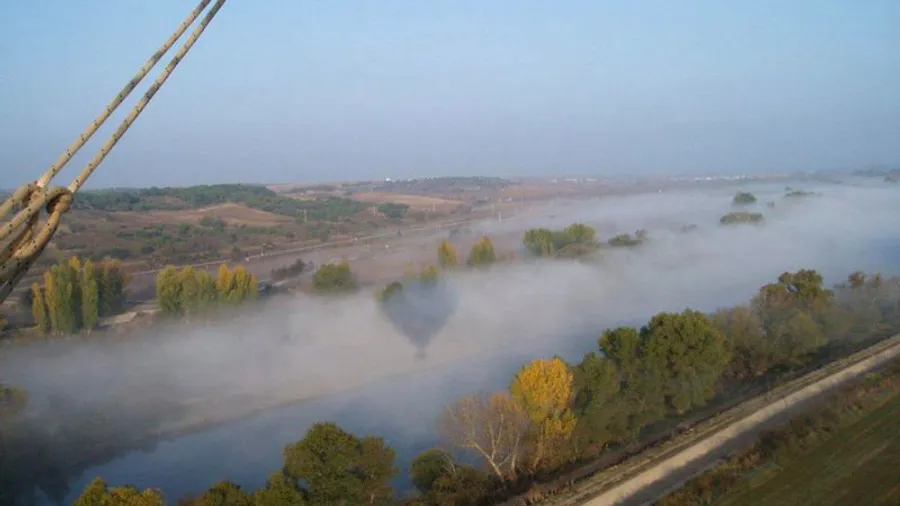
It is an ideal area for ecotourism without crowds: trails along the water, birdwatching hides, boat trips on the reservoir and, from the air, a unique panorama of the river drawing its curve between vineyards and riverside groves.

Practical information for Riberas de Castronuño-Vega del Duero

Everything you need to know for your visit to Riberas de Castronuño-Vega del Duero

How to get there
Via the N-122 (Valladolid-Zamora), about 45 minutes from Valladolid capital. From Toro, about 20 minutes. The nearest airport is Valladolid (Villanubla).
Area Information
Castronuño and Villafranca de Duero are the reference hubs, with traditional wineries and Castilian cuisine of roasted meats and vegetables from the vega. The region connects with Toro and its vineyards, and with the Tierra del Vino of Zamora, for wine tourism.
Geography
Inland wetland in a meander of the Duero, in southwest Valladolid. The San José reservoir damms the river among reedbeds, poplars and riverside groves, on the border with Zamora and the Toro region.
Flora & Fauna
Poplar, poplar and willow groves and extensive reedbeds. Notable for the colony of great herons and squacco herons; also marsh harrier, black kite, cormorant and numerous wintering anatids. A key enclave for ornithology in the plateau.

Things to do in Riberas de Castronuño-Vega del Duero

Find the best plans and things to do in Riberas de Castronuño-Vega del Duero

Accommodations in Riberas de Castronuño-Vega del Duero

Best accommodation options in Riberas de Castronuño-Vega del Duero

Frequently asked questions about Riberas de Castronuño-Vega del Duero

Get answers about Riberas de Castronuño-Vega del Duero

A river wetland with riparian forests and reed beds that hosts a large colony of herons and numerous waterfowl and birds of prey, in addition to the Duero meander and the San José reservoir.
Spring and autumn, due to the weather and bird activity. In winter, wintering waterfowl arrive; summer is hot at midday.
Via the N-122 between Valladolid and Zamora, about 45 minutes from Valladolid and 20 minutes from Toro.
Yes, paths along the reservoir and birdwatching hides, with an information point at the Castronuño Reserve House.
Yes, the reserve is located next to the vineyards of the D.O. Toro and the Tierra del Vino, with wineries available to visit in the region.