The essentials of Parque Natural Señorío de Bertiz

  • • Jardín Histórico-Artístico with sequoias, cedars, ginkgos, and camellias
  • • Over 2,000 hectares of pristine Atlantic forest
  • • 7 marked trails for all levels
  • • First Natural Park declared in Navarre (1984)
  • • Pyrenean fauna: middle spotted woodpecker, European mink, bats

Description

The Parque Natural Señorío de Bertiz is an Atlantic forest spanning over 2,000 hectares in the Baztán valley, located in the Navarre Pyrenees. Its highlight is the Jardín Histórico-Artístico, a century-old romantic-style botanical garden with over 120 species from around the world: sequoias, Lebanon cedars, ginkgos, camellias, azaleas, and bamboos coexist under the canopy of native beeches and oaks.

The park was owned by Pedro Ciga and Dorotea Fernández, who prohibited logging and created the botanical garden in the late 19th century. In 1949, Pedro Ciga bequeathed the estate to the Government of Navarre with the condition of preserving it as a space for nature and culture. It was declared a Natural Park in 1984, the first in Navarre.

Seven marked trails traverse the forest, ranging from short and accessible walks to mountain routes. The Ruta del Suspiro is the most popular, a gentle walk among centuries-old beeches. The Ruta de Aizkolegi ascends to viewpoints overlooking the valley. The Nature Interpretation Center explains the ecosystems of the Atlantic forest.

The park serves as a refuge for Pyrenean wildlife: the middle spotted woodpecker, the European mink, and various species of bats find their habitat here. The combination of exotic garden and wild forest makes for a unique experience in northern Spain.
Practical information for Parque Natural Señorío de Bertiz

Everything you need to know for your visit to Parque Natural Señorío de Bertiz

How to get there
To reach the Parque Natural Señorío de Bertiz, you can access it via the N-121A road, which connects to the nearest city, Elizondo. From there, take the NA-170 road towards the park. Public transport options are limited, so private vehicle use is recommended. The nearest train station is located in Irún, from where you can continue by bus to Elizondo.
Geography
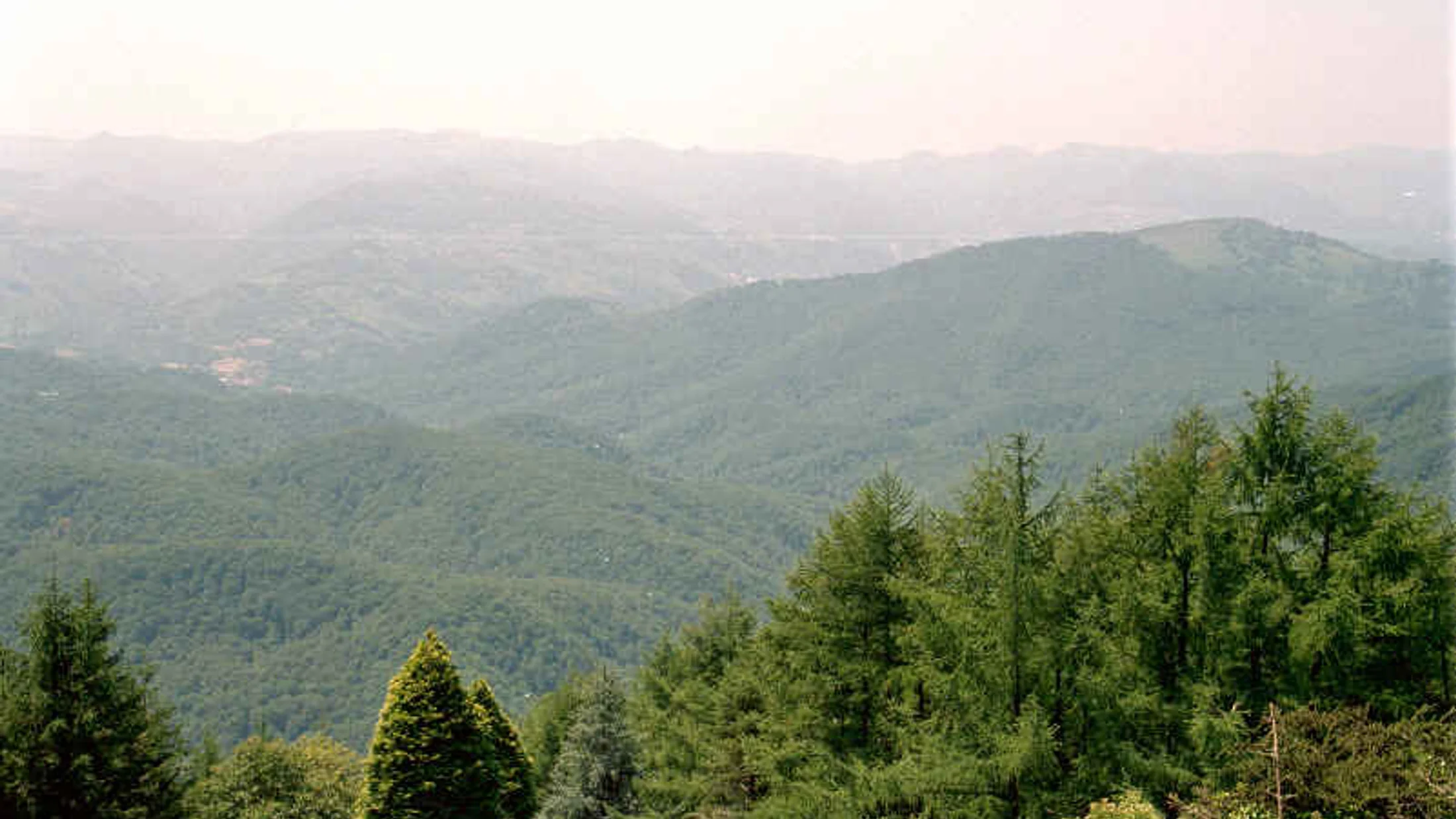
The Parque Natural Señorío de Bertiz is located in the Baztán valley, in the Navarre Pyrenees, featuring the characteristic mountainous relief of the area. The altitude ranges from 300 to 1,000 meters above sea level, contributing to a diversity of landscapes. The park is primarily composed of beech, oak, and pine forests, as well as geological formations that include sedimentary and metamorphic rocks. The surrounding valleys and mountains offer panoramic views and a rich variety of microhabitats, enriching the area's biodiversity.
Flora & Fauna
The park's flora includes native species such as beeches, oaks, and pines, as well as a botanical garden housing over 120 species, including sequoias and ginkgos. The fauna is equally rich, with species such as deer, wild boar, and various birds of prey like the golden eagle. Additionally, the park is home to smaller species like the night heron and the common night heron, which can be observed in their natural habitats. This biological diversity reflects the different ecosystems coexisting in the park.

Things to do in Parque Natural Señorío de Bertiz

Find the best plans and things to do in Parque Natural Señorío de Bertiz

Accommodations in Parque Natural Señorío de Bertiz

Best accommodation options in Parque Natural Señorío de Bertiz

Frequently asked questions about Parque Natural Señorío de Bertiz

Get answers about Parque Natural Señorío de Bertiz

The park and trails are free. The Jardín Histórico-Artístico has a nominal entrance fee. Parking is charged during peak season.
The Ruta del Suspiro is the most accessible and beautiful (walk among beeches). The Ruta de Plazazelai is intermediate. The Ruta de Aizkolegi is the longest with views of the valley.
In Oieregi (Bertizarana), Baztán valley, Navarre. 50 km from Pamplona and 30 km from Elizondo. Access via the N-121-A.
Absolutely. It is the jewel of the park: a century-old romantic garden with exotic species from around the world under native beeches and oaks. Unique in northern Spain.