The essentials of Parque Natural de las Ubiñas-La Mesa

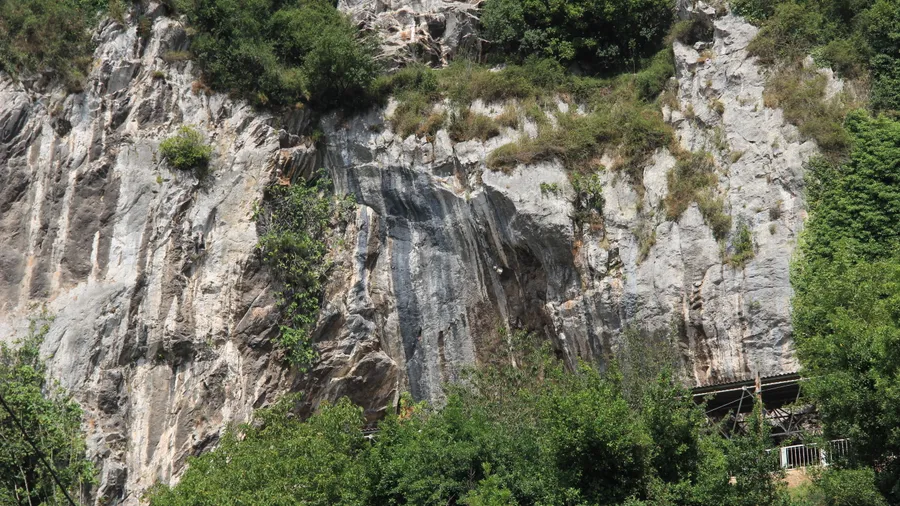
  • • Hoces del Trubia: 5 km limestone gorge with 500-metre vertical walls
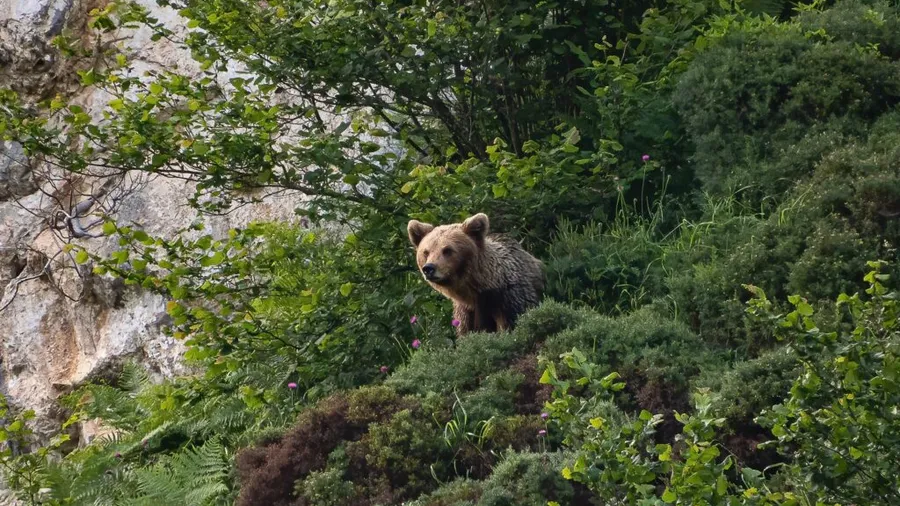
  • • Highest brown bear density recorded in Asturias
  • • Cantabrian capercaillie in mature beech forest and high heathland
  • • Sphagnum bogs on the high La Mesa plateau above 2,000 m
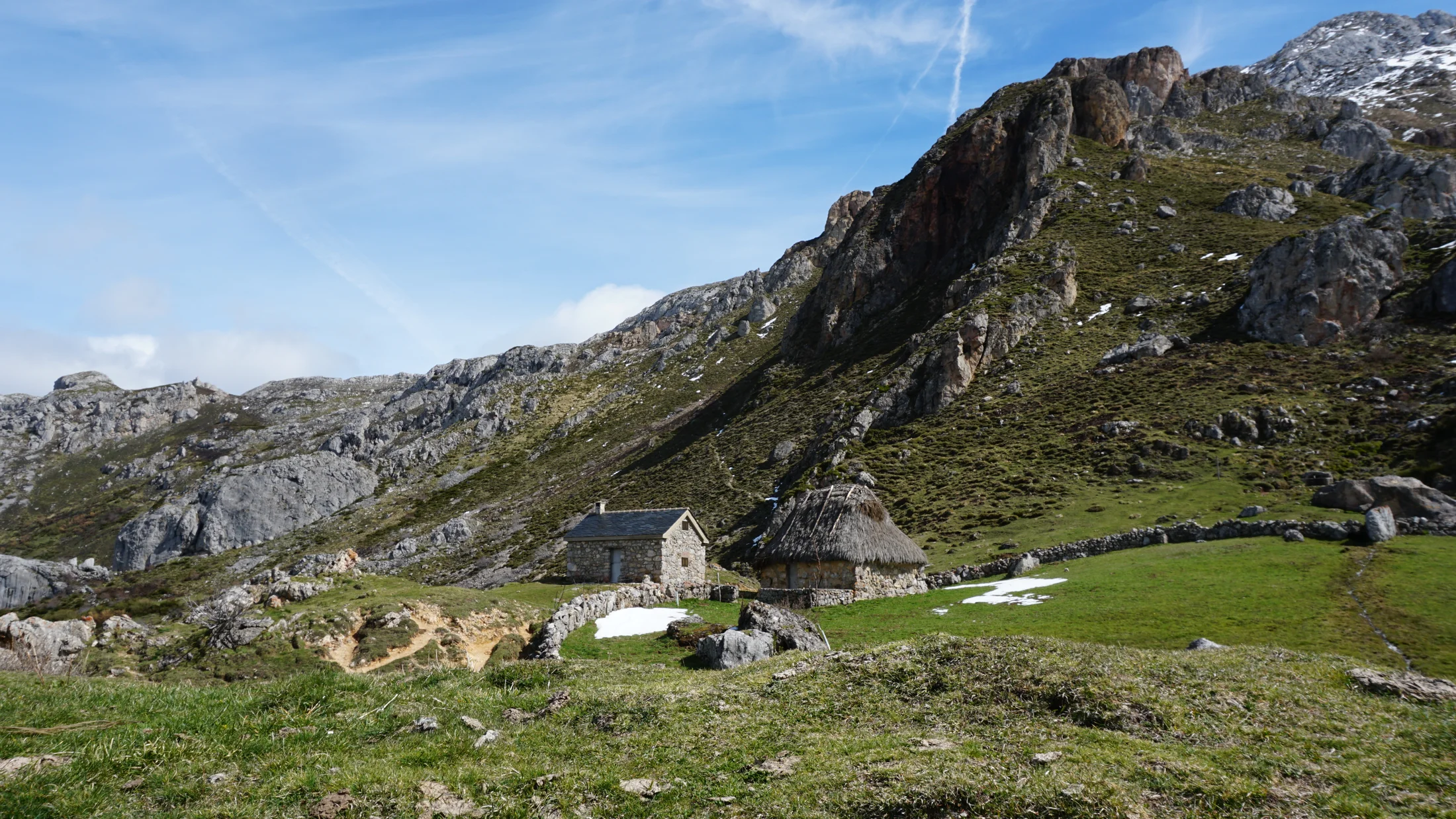
  • • Villages with traditional Asturian granaries and stone farmhouses

Description

The Parque Natural de las Ubiñas-La Mesa covers 45,162 hectares at the heart of the Asturian Cantabrian Range, spanning five municipalities: Quirós, Teverga, Proaza, Santo Adriano, and Yernes y Tameza. It is one of the largest nature parks in Asturias and, since 2003, a UNESCO Biosphere Reserve. The terrain drops sharply from valley floors at around 700 metres to the summit of Pico Ferreirúa at 2,192 metres. The Trubia and Teverga rivers, along with their tributaries, have carved over millions of years the gorges that define the park's interior landscape.

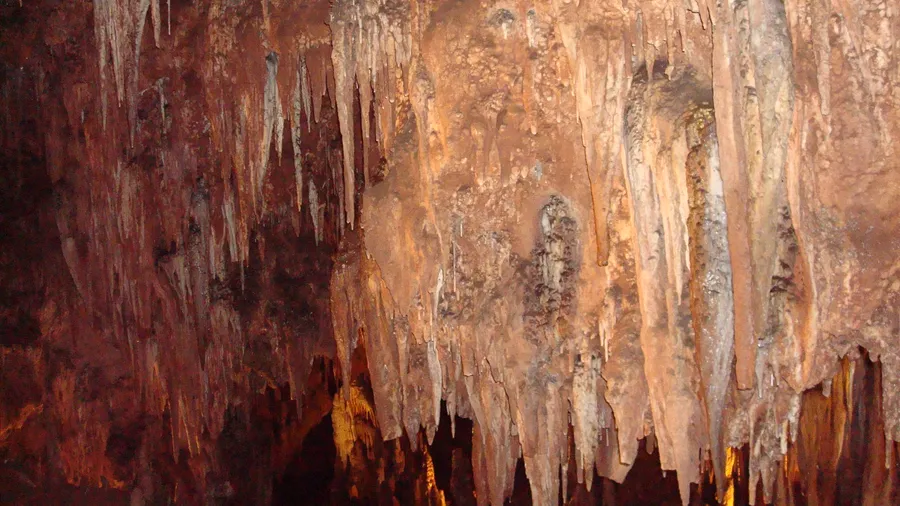
The limestone and quartzite geology produces dramatic landforms. The Hoces del Trubia — a five-kilometre gorge with vertical walls up to 500 metres high — forms the most striking gateway into the park. On the high plateau of La Mesa, a gently undulating erosion surface contrasts with the alpine peaks to the west, where Quaternary glaciers left behind cirques and basins now filled by sphagnum bogs. These peatlands act as carbon sinks and water reservoirs, feeding cold streams that run through beech forests on north-facing slopes. The limestone karst adds sinkholes and caves, some with active speleothem growth, that hold scientific and speleological interest.

The park holds the highest recorded density of Cantabrian brown bear in Asturias, with regular presence in the western massifs. Iberian wolf occupies the least disturbed territories. Among birds, the Cantabrian capercaillie — a critically endangered subspecies — finds one of its last refuges here, tied to mature beech forests and high-altitude heathland. Golden eagle, peregrine falcon, and griffon vulture are common over limestone cliffs. In the rivers, Eurasian otter and Pyrenean desman — a semi-aquatic insectivore endemic to the Iberian Peninsula — signal water quality. Cantabrian chamois grazes on grasslands above 1,600 metres and moves to north-facing slopes in spring as snow retreats.

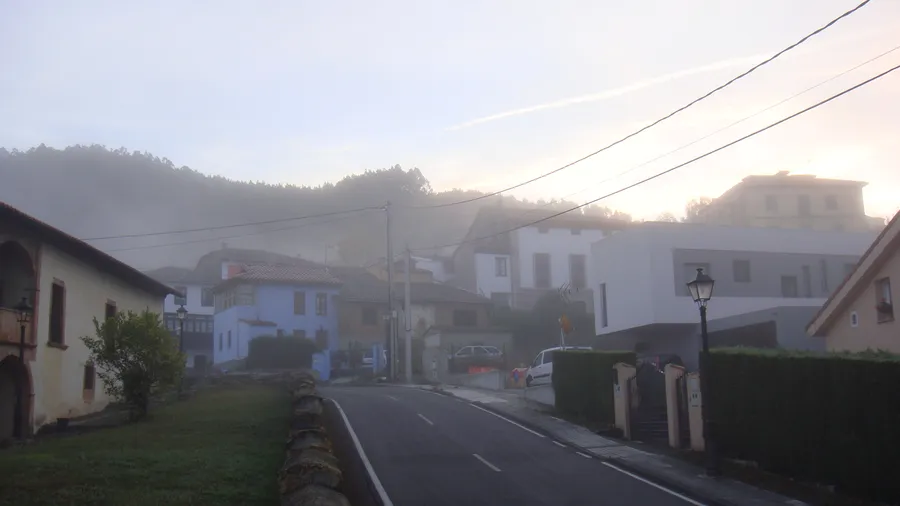
Vegetation follows a clear altitudinal gradient. Riverside alder, ash, and willow line the streams at valley floors. On north-facing slopes, centuries-old beech forest creates a dense canopy where autumn leaf-fall carpets the ground in copper. On sunnier aspects, oak woodland and heather moor alternate with gorse. Above 1,600 metres, mat-grass swards of Nardus stricta and Calluna heathland that turns purple in August cover the summits. Protected yew trees appear on inaccessible limestone outcrops, some centuries old. Villages such as Caranga, Tuñón, and Entrago preserve vernacular Asturian architecture — granaries on stone stilts, arcaded farmhouses, water mills — alongside a cattle-farming tradition that has shaped this landscape for centuries. Over 200 km of marked trails connect settlements with the park's key natural features.
Practical information

Everything you need to know for your visit to Parque Natural de las Ubiñas-La Mesa

How to get there
From Oviedo, take the AS-228 towards Grado then the AS-229 to Proaza (40 km, 45 min). For the La Mesa sector, use the AS-230 from Trubia towards Teverga. No regular public transport inside the park; bus service runs Oviedo–Proaza.
Area Information
Visitor centres in Proaza (La Malva) and Teverga. Over 200 km of marked trails. Camping area at Entrago. Ethnographic museums in Caranga and Tuñón. Off-road vehicle access on forest tracks requires a permit.
Geography
Western sector of the Asturian Cantabrian Range. Elevations from 700 to 2,192 m (Pico Ferreirúa). Karst landscape with gorges, sinkholes, and caves. The high La Mesa plateau contrasts with the deeply incised Trubia and Teverga valleys.
Flora & Fauna
Cantabrian brown bear, Iberian wolf, capercaillie, golden eagle, otter, and Pyrenean desman. Flora: mature beech (Fagus sylvatica) and oak woodland, sphagnum bogs, mat-grass swards, and Calluna heathland. Yew (Taxus baccata) on limestone outcrops.

Things to do

Find the best plans and things to do in Parque Natural de las Ubiñas-La Mesa

20

Accommodations

Best accommodation options in Parque Natural de las Ubiñas-La Mesa

Loading accommodation options...

Frequently Asked Questions

Get answers about Parque Natural de las Ubiñas-La Mesa

Cantabrian brown bear lives in the park, but sightings are unlikely without a local guide. Specialised wildlife guides operate from Proaza and know the observation points and the animal's habits. The best months are May, June, and October, when bears are more active in open terrain. Never approach areas marked as sensitive bear habitat on your own.
The Hoces del Trubia route from Proaza (7 km, minimal elevation gain) is suitable for children aged 8 and over and follows the limestone gorge at river level. The Valle del Trubia loop between Caranga and Tuñón (5 km) passes through riverside woodland with several stream crossings. Both trails are waymarked and use compact earth paths with no technical difficulty.
There is a regulated campsite at Entrago (Teverga) with limited pitches that must be booked in advance through the Teverga Visitor Centre. Wild camping outside designated areas is prohibited to protect fauna and vegetation. High-mountain overnight zones are governed by the park's public use plan.
Routes to the La Mesa plateau involve 600–900 metres of ascent from the main car parks and distances of 10–14 km return. Good fitness and mountain experience are required. The terrain is wet, with boggy sections requiring waterproof boots. Snow and ice are possible in winter and early spring; check conditions at the Visitor Centre before setting out.
Calluna vulgaris heathland peaks in late July and August, when slopes above 1,500 metres turn a distinctive purple. This period also coincides with the start of the roe deer rut, so August combines two notable natural events for visitors heading into the high zones of the park.