Parque Natural de las Fuentes Carrionas y Fuente Cobre-Montaña Palentina
The essentials of Parque Natural de las Fuentes Carrionas y Fuente Cobre-Montaña Palentina
- • Curavacas (2,525 m) and Peña Prieta (2,539 m): quartzite summits with views over both slopes
- • Cantabrian brown bear subpopulation of 30–40 individuals in northern-sector beech forests
- • Source of the Carrión river at Fuente Cobre (1,800 m) and the Pisuerga within the park
- • La Pernía canyon: over 200 m of slate walls enclosing the river
- • Ski mountaineering and snowshoeing in glacial cirques from December to April
Description
Practical information for Parque Natural de las Fuentes Carrionas y Fuente Cobre-Montaña Palentina
Everything you need to know for your visit to Parque Natural de las Fuentes Carrionas y Fuente Cobre-Montaña Palentina
How to get there
How to get there
From Palencia city, take the N-611 north to Cervera de Pisuerga (100 km, 1 h 20 min). From there, the CL-626 provides access to the rest of the park. There is no public transport to the park's interior villages; a private vehicle is essential.
Area Information
The park covers the La Montaña Palentina comarca. Cervera de Pisuerga is the main service hub with a hotel, restaurants and tourist office. Interior villages (Vidrieros, Cardaño de Abajo, Pernía) have very basic services. The Cervera state parador offers quality accommodation within the park's area of influence.
Geography
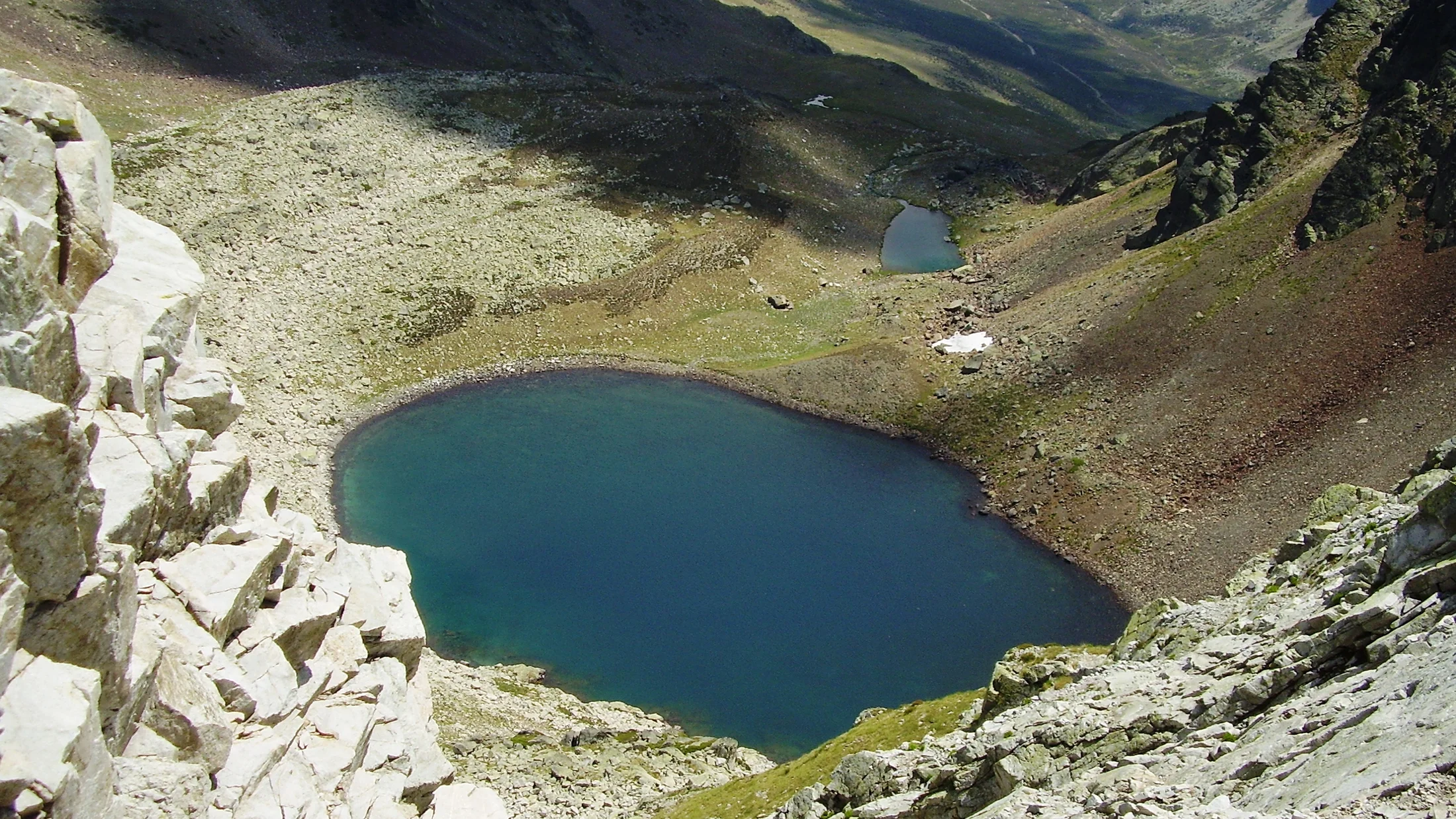
Northern Cantabrian range. Quartzite and slate summits between 2,450 and 2,539 m. Glacial U-valleys (Cardaño, Vidrieros). Cirques with glacial tarns. The Carrión river (rising at 1,800 m) and the Pisuerga (rising at 1,850 m) are the park's main hydrographic axes.
Flora & Fauna
Atlantic beech forest (Fagus sylvatica) on north-facing slopes. Sessile oak woodland (Quercus petraea) at mid elevations. Mountain grasslands above 1,800 m. Wildlife: Cantabrian brown bear (Ursus arctos), Cantabrian capercaillie (Tetrao urogallus cantabricus), Cantabrian chamois (Rupicapra pyrenaica parva), brown trout (Salmo trutta).
Accommodations in Parque Natural de las Fuentes Carrionas y Fuente Cobre-Montaña Palentina
Best accommodation options in Parque Natural de las Fuentes Carrionas y Fuente Cobre-Montaña Palentina
Frequently asked questions about Parque Natural de las Fuentes Carrionas y Fuente Cobre-Montaña Palentina
Get answers about Parque Natural de las Fuentes Carrionas y Fuente Cobre-Montaña Palentina
What are the realistic chances of seeing a brown bear?
Brown bear sightings in the park are occasional and can never be organised as a scheduled tourist activity. They occur mainly at dawn or dusk in the forested northern sector, particularly in the Carrión and nascent Pisuerga valleys from May to October. Finding tracks, feeding signs or droppings on the trails is far more common than an actual sighting. Carrying binoculars and maintaining silence at viewpoints significantly improves the odds.
Can I climb Curavacas without high mountain experience?
It is not recommended without prior experience and proper equipment. The standard route from Vidrieros covers 18 km with 1,400 metres of elevation gain, over partly rough terrain with no waymarking on the upper sections. In summer it is a demanding mountain day; at any other time it may require ice axe and crampons. A guide or experienced mountain group is strongly recommended for a first visit.
What is the Cantabrian capercaillie and how hard is it to see?
The Cantabrian capercaillie (Tetrao urogallus cantabricus) is a subspecies endemic to the Cantabrian range, currently critically endangered with fewer than 300 individuals estimated across the entire range. Its presence in the park is documented in mature beech and oak forest in the most isolated areas. The species is extremely elusive and sightings are very rare even for expert ornithologists. The park has restricted-access zones during the mating season (April–May) to minimise disturbance.
Can I fish for trout in the park's rivers?
Yes, with a Castile and León regional fishing licence and observing the established catch limits and dates. The mountain trout season typically runs from March to August, varying by stretch. Some park rivers are classified as Fishing Refuges or have catch-and-release-only sections. The Carrión and its tributaries are most prized for specimen density and size. The BOCYL official gazette should be consulted for updated closed-season orders each year.
Is there accommodation inside or near the park?
Within the park, the villages of Cervera de Pisuerga, San Cebrián de Mudá and Respenda de la Peña have rural guesthouses and small hotels. The Parador de Cervera de Pisuerga, within the park's area of influence beside the Ruesga reservoir, offers quality accommodation with views of the summits. In more remote interior villages like Vidrieros or Cardaño de Abajo, services are very basic; bringing provisions for the day is strongly recommended.