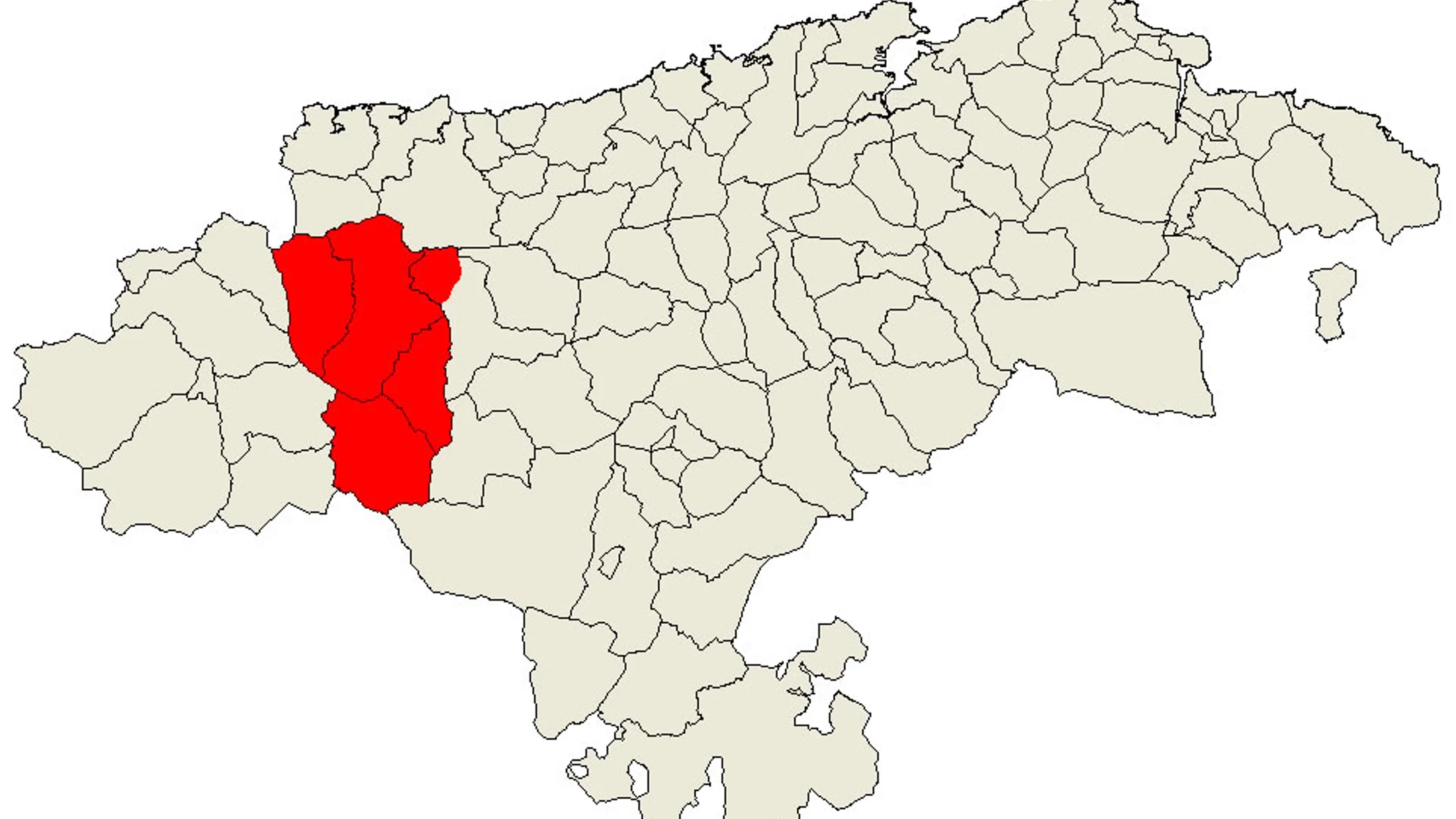
Nansa Valley
The essentials of Nansa Valley
- • River Nansa: valley axis with 10 km Riverside Path along the water
- • Cades Iron Forge: the only working visitable forge in Cantabria
- • Tudanca: National Historic-Artistic Site with Cossio house-museum
- • La Cohilla Reservoir: 116m arch dam with spectacular viewpoint
- • Native oak and beech forests with intact stone villages
Description
Practical information
Everything you need to know for your visit to Nansa Valley
How to get there
How to get there
Accommodations
Best accommodation options in Nansa Valley
Frequently Asked Questions
Get answers about Nansa Valley
How to explore the Nansa Valley?
By car via CA-280 from Puentenansa towards Polaciones (south) or CA-181 towards Pesues (north). The 10 km Riverside Path is walked along the river.
Which villages to visit?
Tudanca (Historic Site), Cosio, Puentenansa, Cades (iron forge) and Pesues (river mouth). Each has its own character.
Best time to visit?
Spring (intense greens) and autumn (forest colours). Summer pleasant but busier.
Adventure activities?
Hiking along the Riverside Path, mountain routes to Cueto Forcada and Pena Labra, El Soplao Cave at the valley gates.