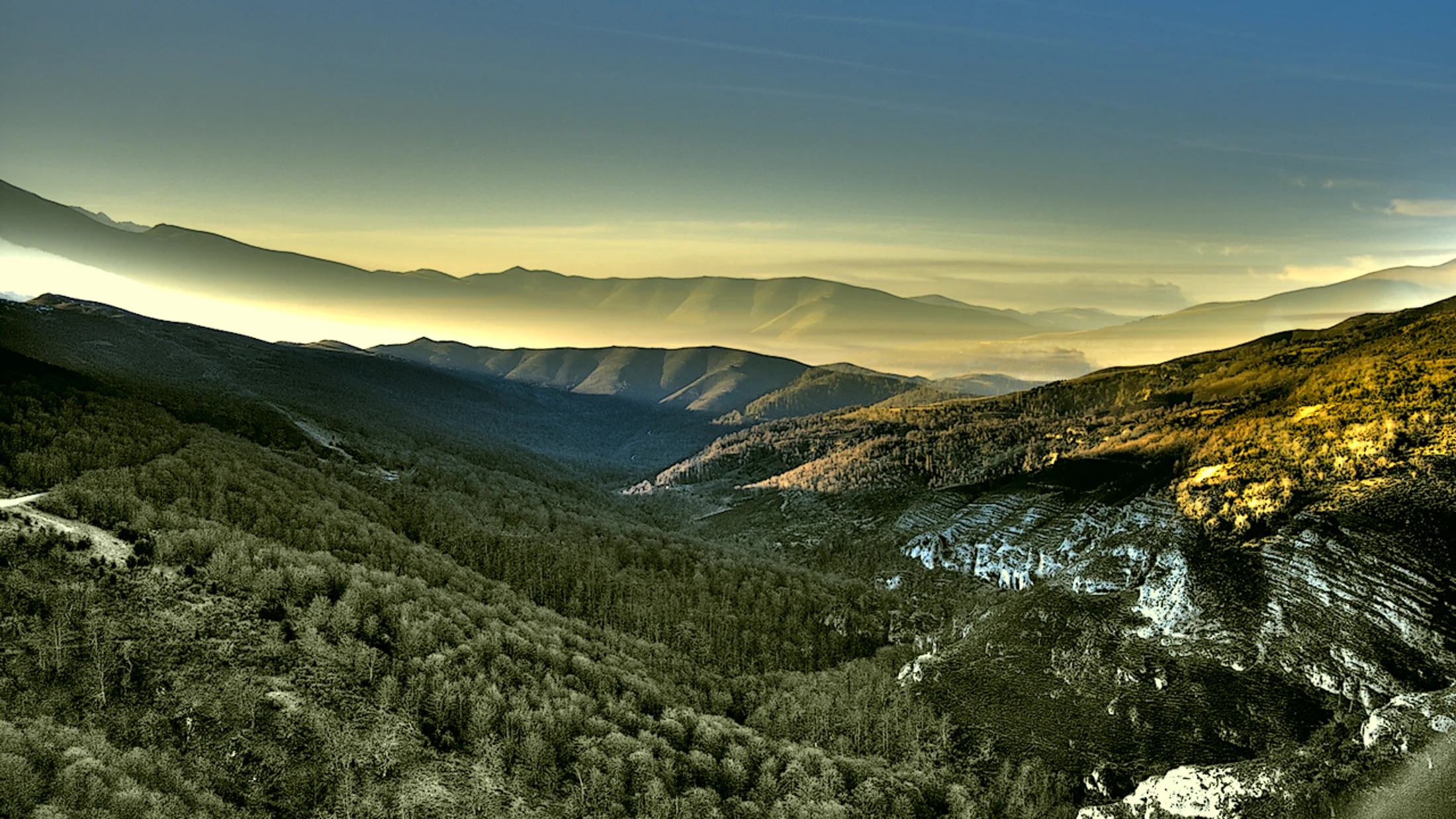
Cabuerniga Valley
The essentials of Cabuerniga Valley
- • Barcena Mayor: Historic-Artistic Site and oldest village in Cantabria
- • Stone mountain houses with wooden balconies unchanged for centuries
- • Cocido montanes stew / Cabuerniga cheeses / tudanca beef
- • Ucieda Forest: centennial oak woodland in Saja-Besaya Natural Park
- • Monte Cabezon Sequoia Forest at the valley gates
Description
Practical information
Everything you need to know for your visit to Cabuerniga Valley
How to get there
How to get there
Accommodations
Best accommodation options in Cabuerniga Valley
Frequently Asked Questions
Get answers about Cabuerniga Valley
How to reach the Cabuerniga Valley?
Via the CA-180 from Cabezon de la Sal (20 min) or from the A-67 exit Cabezon. Barcena Mayor is 10 km further south on a narrow road.
What is cocido montanes?
Cantabrian stew of white beans with cabbage, chorizo, black pudding, ribs and bacon. Served in two courses: broth with cabbage first, then meats. Barcena Mayor is the classic place to try it.
Best time to visit?
Autumn (forest colours and mushrooms) and spring (intense greens). Summer is pleasant but busier. Winter has charm but some restaurants close.