Summer Nights Under Stars: Where To Find Spain’s Darkest Skies
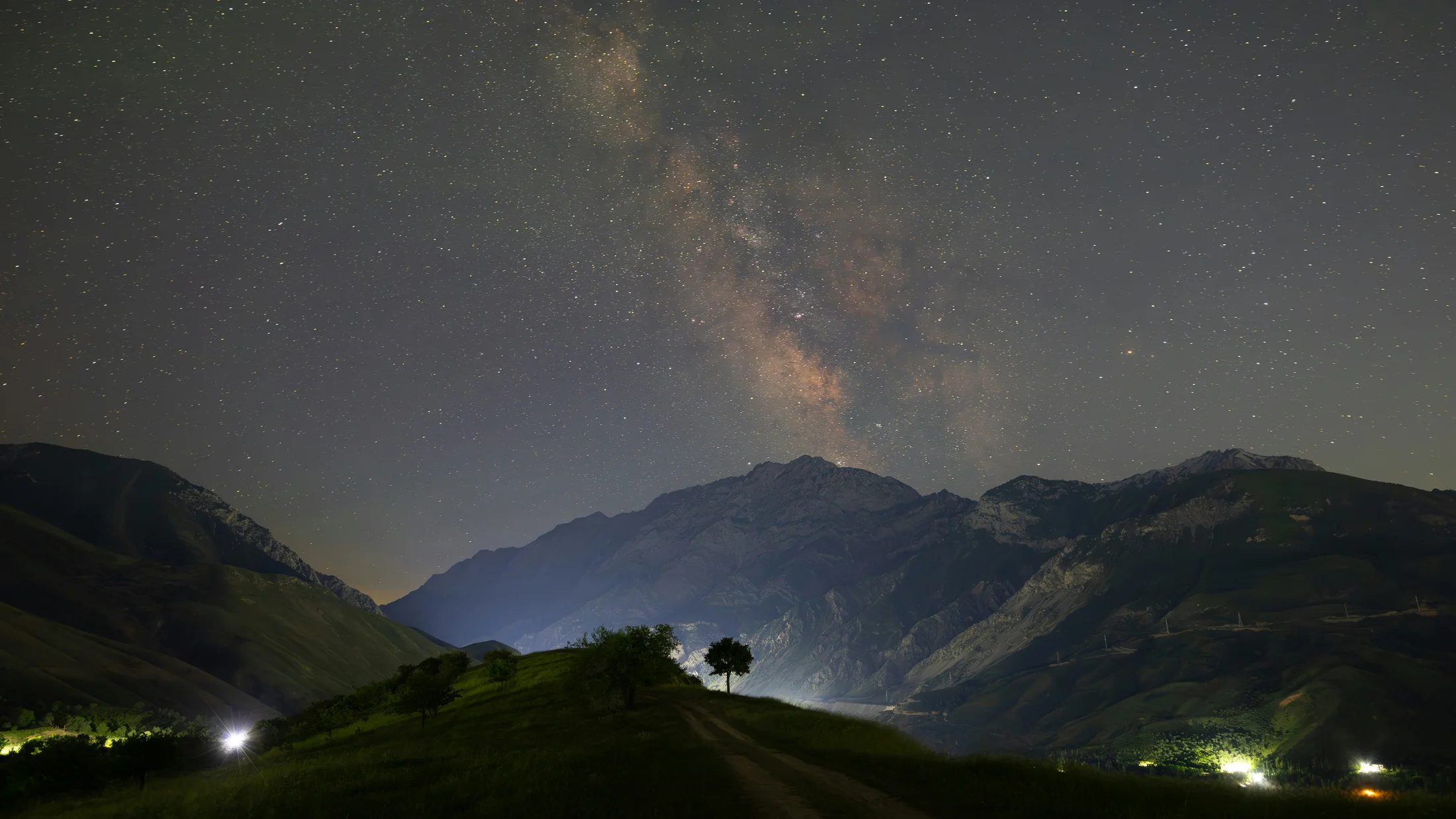
Spain’s summer sky delivers two shows at once: the Milky Way Spain arch and the Perseids. You’re here for practical, local guidance to catch both. Expect a dark-sky map strategy, regional spots, logistics, stays, and field-tested tips. Imagine the Milky Way as a river of frost flowing above a silent valley.
A dark sky matters more than any telescope; without it, fainter details vanish. We’ll show you how to read light-pollution maps, why Starlight-certified areas are safe bets, and how to sync your plan with moon phases and weather stability. You’ll get clear steps for reaching remote viewpoints, staying safe, and picking rural stays that make midnight observations easy. Use this guide as your planning companion for the Perseids peak and the brightest stretch of the summer Milky Way.
Spain at a glance: latitude, landscapes, and stargazing culture
Spain sits between roughly 36°N and 43°N, a sweet band for summer visibility of the Milky Way’s core. Diverse terrains—from Atlantic cliffs to high sierras and Atlantic-to-Mediterranean plateaus—create microclimates and low-humidity pockets. Picture the dry night air in the sierras feeling like cool linen on your skin.
This geographic variety explains why the Starlight Foundation recognizes Spain with multiple Reserves and Destinations. Canary peaks (Teide, Roque de los Muchachos), continental parks (Gredos, Monfragüe), and inland sierras (Gúdar‑Javalambre, Sierra Morena) keep light domes at bay. In short, the phrase “Vía Láctea España” matches a real, on-the-ground advantage: dark, high, and dry places within a few hours of major cities. Local communities, from shepherding villages to observatory towns, help preserve these skies through careful lighting and seasonal closures.
What you’ll find here and how to use it
This article covers: a dark-sky map method, best spots by region, dates and moon phases, transport and access, recommended stays, activities (including photography), and FAQs. Think of it as a trip plan you can scan and act on. The night air smells faintly of pine sap near high passes.
Use the dark sky map to identify a handful of candidates, then check access roads, parking, and forecasts. For the Perseids, pick two consecutive nights around the predicted peak and choose Plan B sites in case clouds roll in. You’ll also see how to match stays with nearby viewpoints so you can walk to darkness rather than drive at 2 a.m.
Picuco te puede ayudar
Does something here catch your eye?
Tell us.
Write to us on WhatsApp or email: we answer questions, find the best options and help you sort out the booking.
Why This Summer Is Worth It: Milky Way Meets Perseids
Two summer stories overlap in Spain: the Milky Way’s center rides high from late spring to early autumn, and the Perseids meteor shower peaks in mid‑August. Together they offer a layered spectacle—static star clouds and dynamic meteors—visible even to beginners under a properly dark sky. The hush of a sleeping hamlet sets the stage as a meteor etches a quick ember across Cassiopeia.
Scientifically and emotionally, each brings a different rhythm. The Milky Way is photogenic structure: dust lanes, star clouds like M8 (Lagoon) or M20 (Trifid) revealed with binoculars and cameras. The Perseids come from Comet 109P/Swift–Tuttle and, at peak, can reach a zenithal hourly rate (ZHR) near 100 meteors per hour under ideal conditions according to the International Meteor Organization. That’s a theoretical top number; your local rate depends on sky darkness, radiant altitude, and obstructions.
Conditions matter more than gear. Aim for:
- Darkness: Bortle class 1–3 skies are ideal; class 4–5 can still be rewarding.
- Moon: A crescent or, best of all, near new moon maximizes faint details in the Milky Way and faint Perseids.
- Stability: Dry, calm nights help clarity; mountain lee sides often beat windy crests.
Spain excels because of altitude, distance from large light domes, and a strong culture of astro-conservation. The Canaries’ inversion layer often traps moisture below observing altitudes, yielding exceptional transparency on Teide or La Palma’s Roque de los Muchachos. On the mainland, sierras like Gredos, Sierra Morena, and Gúdar‑Javalambre provide high basins and plateaus that dampen humidity and glow from cities. Community-led lighting reforms in Starlight areas reduce skyglow, and local associations schedule summertime “star parties,” turning quiet plazas into learning spaces.
If you’re on the fence, pair the numbers with meaning. Ninety minutes in darkness lets your eyes reach scotopic sensitivity, the mode our ancestors relied on nightly; the Milky Way then resolves from “haze” into textured structure. Meteors add anticipation: randomness with a hint of pattern, particularly after midnight when the radiant climbs. In Spain, that mix of access, culture, and reliable skies makes a simple blanket-and-thermos outing genuinely special.
Dark-sky Maps and Starlight-certified Places
Finding darkness is half the art. Maps of light pollution, Bortle estimates, and short-term forecast layers (cloud cover, humidity, wind) let you plan with confidence. Picture the landscape as a dim relief map, where your chosen valley rests in a pool of ink.
You’ll use two main tools: a “mapa de cielos oscuros” (light pollution visualization with satellite and model data) and the Starlight certification lists to ground your choices in vetted destinations. In practice, combine both: pick broad dark zones on the map, then shortlist sites inside Starlight areas for reliable access and local support services.
1.How to read and use a dark-sky map
Start with a light-pollution map such as LightPollutionMap (satellite-based VIIRS and radiance composites) and overlay:
- Brightness/skyglow: favor blue to gray zones (darker is better).
- Elevation: higher terrain often means drier, steadier air.
- Access: roads like
TF-21,LP-4,A-395, trailheads, and parking pullouts. - Forecast layers: cloud cover, wind, humidity via Clear Outside, MeteoBlue, Windy, or AEMET models.
Shortlist sites where multiple “greens” align: dark values, reasonable access, and stable weather windows. The summer Milky Way (core) sits toward the south-southeast at nightfall, moving southwest after midnight, so ensure your southern horizon is open. A single breath of cool resin and dust on an empty track tells you you’re far enough.
Practical steps for Perseids planning:
- Pick 3 candidates within 45–90 minutes of your base.
- Check moon phase; avoid bright-moon windows during your core hours (00:00–04:00).
- Cross-check clouds and winds 24–6 hours before departure.
- Verify parking legality and night access rules for protected areas.
- Arrive before dusk; scout sightlines safely in daylight.
Use the phrase Milky Way Spain as a reference when searching regional stargazing reports, and keep your “dark sky map” bookmarked as conditions evolve hour by hour.
2.Starlight Reserves and certified dark places
Starlight certifications—created by the Starlight Foundation with scientific backing—identify territories with outstanding night-sky quality and responsible lighting. Categories include Starlight Reserve (strict protection), Starlight Destination (astro-tourism ready), and Starlight Tourist Destination (services aligned with dark-sky values). The hush in these places isn’t just quiet; it’s policy-backed darkness.
Below are notable “reservas Starlight España” and certified areas that rank among the best spots for the Milky Way and Perseids:
| Area | Region | Certification | Why it shines |
|---|---|---|---|
| Teide National Park | Tenerife, Canary Islands | Starlight Destination | High altitude (~2,100–2,300 m roads), stable inversion, easy access via TF-21. |
| La Palma – Roque de los Muchachos | Canary Islands | Starlight Reserve | Exceptional transparency at 2,396 m; observatory safeguards lighting. |
| Montsec | Lleida, Catalonia | Starlight Reserve | Leeward skies, astronomy park, low village lighting. |
| Gúdar‑Javalambre | Teruel, Aragón | Starlight Reserve | High plateaus (1,600–2,000 m), Javalambre observatory area. |
| Sierra Morena | Andalucía | Starlight Reserve | Vast, low-density region dampens city light; oak woodland basins. |
| Monfragüe National Park | Extremadura | Starlight Destination | Large dark core, ranger-managed access, river canyons for silhouettes. |
| Sierra de Gredos | Ávila, Castile and León | Starlight Destination | High passes (~1,700 m), dry summer nights, rural lodging network. |
| Menorca | Balearic Islands | Starlight Reserve/Destination | Low-rise island, dark interior, easy shoreline escapes. |
Certified sites reduce guesswork: lighting codes, community awareness, and municipal support improve your odds on any random August night.
Best Milky Way Spots — North and Center
Northern coasts and mountains balance Atlantic moisture with rugged, low-lit pockets, while the center offers altitude and continental dryness. Sea salt on the breeze or pine-scented passes: choose your flavor of darkness.
1.North: coastal lookouts and mountain parks
The North mixes dramatic coastlines with deep valleys and upland meadows. Atlantic weather can challenge forecasts, so pick inland refuges or high lookouts for clearer breaks. A swell sighs below a cliff while stars steady overhead between cloud windows.
Representative places:
- Asturias — Picos de Europa (Lagos de Covadonga area, high pullouts): Altitude helps you punch through low cloud; arrive early as access can be regulated in season.
- Cantabria — Valderredible and high points near Embalse del Ebro: Sparse villages and broad horizons suit Perseids’ long trails.
- Basque Country — Gorbeia and Urkiola: Mountain corridors provide screen walls from Bilbao’s glow; aim for ridgelines with south views.
- Western Pyrenees (Navarre) — Valle de Roncal/Belagua: Cold, dry nights favor Milky Way contrast; check road status and parking bays.
Why these work:
- Lower light domes away from large metro areas.
- Multiple micro-sites per valley—ideal Plan B/C targets.
- Short access from villages with services.
Seasonal notes:
- Summer sees late sunsets; arrive before dusk to scout.
- Coastal humidity favors inland last-minute switches.
- Use your dark sky map for up-to-date cloud and wind breaks.
Mini‑ranking (quick picks):
- Belagua high meadows (Navarre) — reliable lee-side clarity.
- Lagos de Covadonga overlooks (Asturias) — altitude and texture-rich foregrounds.
- Urkiola ridges (Bizkaia/Álava) — protected horizon windows to the south.
- Valderredible plateaus (Cantabria) — broad, dark basins for long Perseids trains.
2.Center: Natural parks and low-luminosity rural areas
The central plateau and sierras deliver altitude, dry air, and easy road access from Madrid, Valladolid, and Toledo. The night smells of thyme on warm rock as the Milky Way lifts over the south. Use your “mapa cielos oscuros” to dodge residual glow on horizons and confirm trailhead legality.
Key areas:
- Sierra de Gredos (Ávila) — Plataforma de Gredos (~1,750 m): Dark, high, with clear southern exposures; parking fills early on summer weekends.
- Sierra de Guadarrama (Madrid/Segovia) — Puerto de Navafría, Puerto de Cotos: Choose high passes that shadow city light; note park rules on night access and parking.
- Cabañeros National Park (Ciudad Real/Toledo): Vast dehesa with low light and wildlife-rich plains; stay on authorized tracks and heed ranger guidance.
- Serranía de Cuenca (Cuenca) — Villalba de la Sierra high pullouts: Karst plateaus with dark corridors and dependable summer clarity.
Why suitable for Perseids Spain:
- Quick reach from cities by
A‑6,AP‑61,A‑42,A‑3. - High vantage points and open southern horizons.
- Starlight-certified neighbors (Gredos) for vetted darkness and services.
Access and permits:
- Check National/Regional Park night regulations.
- Park only in signed areas; many carparks close overnight in peak fire season.
- Bring red-light headlamps and keep noise low near villages and refuges.
Best Milky Way Spots — South and Islands
Southern Spain and the islands offer altitude, aridity, and remarkably stable skies. Warm stone exhales the day’s heat as meteors score pale paths across Sagittarius.
1.South: Andalucía’s parks and inland reserves
Southern sierras and deserts deliver low humidity and big horizons. From cork oak dehesa to badlands, light domes are far apart and nights are long. A cicada chorus fades as darkness deepens to a velvet dome.
Standout zones:
- Sierra Morena (Huelva–Sevilla–Córdoba–Jaén): A Starlight Reserve spanning quiet valleys; choose ridge pullouts with south views and confirm fire-risk closures.
- Desierto de Tabernas and Sierra de los Filabres (Almería): Dry air and Calar Alto’s astronomy heritage; pick pullouts above the basins for less dust.
- Sierra Nevada (Granada) — access via
A‑395: High-altitude lay-bys offer crisp Milky Way structure; watch for wind and cold even in August. - Cabo de Gata (Almería): Coastal desert pockets and inland mesas with darkness; sea haze can help or hinder, so keep an inland backup.
Why ideal for where to see Perseids:
- Dry, transparent nights favor faint meteors.
- Scattered settlements mean reduced skyglow.
- Multiple micro-sites let you pivot quickly with forecasts.
Access and safety:
- Fire risk is high in summer; avoid open flames and respect closures.
- Park off the carriageway in signed bays; carry extra water and a paper map.
- Do not enter private fincas; when in doubt, ask in the nearest village bar or info point.
Mini‑ranking:
- Sierra Morena ridgelines — breadth, darkness, and Starlight backing.
- Sierra de los Filabres high points — altitude and desert clarity.
- Sierra Nevada lay-bys — altitude plus dramatic southern horizons.
- Cabo de Gata interiors — desert quiet with easy coastal bases.
2.Islands: Canary and Balearic skies
The Canary Islands are world-class thanks to altitude and the trade-wind inversion that keeps moisture below observing levels. The Balearics offer quick escapes from resorts to darker interiors and cliffs. A faint scent of broom and lava dust hangs in the Teide twilight.
Key Canary points:
- Tenerife — Teide National Park (pullouts along
TF-21): 2,100–2,300 m roads with broad horizons; avoid shining lights toward observational sites. - La Palma — Roque de los Muchachos (via
LP-4): 2,396 m with regulated parking near observatories; check current restrictions and stay behind barriers. - Fuerteventura — interior plains (Tefía) and Jandía high points: Island-wide darkness with sparse settlements; wind can be strong.
Balearic picks:
- Menorca — central plateau near Monte Toro and North Coast coves: Starlight-certified darkness with easy short drives.
- Mallorca — Serra de Tramuntana pullouts away from Palma’s glow: Claustrophobic valleys can trap haze; target northwestern cliffs with open horizons.
Permits and restrictions:
- Summit permits on Teide apply to daytime peak access; night pullouts in the park follow park rules and parking hours.
- La Palma observatory zones impose strict light etiquette; no lasers, no high beams.
- Coastal protected areas may limit night access; check local park notices.
Combine with daytime tourism sparingly; a siesta preserves energy for midnight-to-dawn observing windows.
When To Go: Peak Dates, Best Hours, and Moon Phases
The Perseids are active annually roughly from mid‑July to late August, with a typical peak around 11–13 August as per the International Meteor Organization. Peak timing shifts slightly year to year, so confirm your target nights close to travel. A hush before dawn often brings the clearest, stillest hour.
Best hours:
- Milky Way core: Prominent after evening twilight in summer, highest between ~22:00 and 02:00 local time, then slanting southwest.
- Perseids: Rates improve after local midnight as the radiant in Perseus climbs; 01:00–04:30 usually delivers the steadiest flow.
Moon phase:
- New moon or a thin crescent sets you up for fainter structures and meteors.
- If the moon is present: plan around moonset; a late-setting gibbous will wash out faint meteors but bright fireballs remain visible.
- Track lunar altitude by hour; even a first-quarter moon far from your target window can be fine.
Mini‑planning guide:
- Check the IMO meteor calendar and local ephemerides (timeanddate, Stellarium) for your exact nights.
- Use Clear Outside or MeteoBlue to cross-check cloud and seeing; Windy for high clouds and wind at 700–850 hPa.
- Confirm civil, nautical, and astronomical twilight times; you want full darkness (end of astronomical twilight).
- Pick two consecutive nights around expected peak for insurance.
- Choose a dark zone (Bortle 1–3 ideal) via your dark sky map; verify access and parking daylight-before.
- Arrange a base stay within 20–40 minutes of multiple sites to pivot fast.
Remember, summer heat means lingering low-level haze; altitude and distance from humidity sources (coastlines, irrigated valleys) sharpen contrast. Apps and charts provide numbers; your eyes confirm by the star count in Scorpius and the Milky Way’s dust lane clarity near Sagittarius.
Getting There: Transport and Access to Remote Viewpoints
Reaching darkness often means one last stretch on secondary roads, then a short walk to a safe, open vantage. Rubber on gravel and the faint crunch of dry needles mark the final approach. Plan conservatively—at night, 30 kilometers feel longer.
Transport options:
- Car: Most flexible. Favor roads with safe pullouts (
TF-21Teide,LP-4La Palma,A-395Sierra Nevada, local M/J/AV regional roads on the mainland). - Public transport: Use it to reach a base town (e.g., Guadarrama, Ávila, Granada, Santa Cruz de Tenerife), then taxi/transfer to trailheads before dusk.
- Local tours/transfers: In Starlight areas, certified operators run night outings in peak season; they handle permits, safety, and gear.
Access and parking:
- Arrive before sunset to scout sightlines and hazards.
- Park fully off the carriageway in official lay-bys. Never block gates or farm tracks.
- In protected areas, some car parks close at set hours in summer; check park bulletins.
- Walk 5–15 minutes from the car to escape residual light and noise; use red-light headlamps.
Sustainable choices:
- Carpool when possible; reduce convoy lights.
- Consider night-friendly rural stays within walking distance of meadows or miradores, avoiding extra driving.
- Join community star parties run by local associations; you get dark etiquette built in.
Night driving and safety:
- Speeds drop at night; watch for livestock and wildlife.
- Download offline maps; mobile coverage can fade in valleys.
- Tell someone your plan and return time; carry a basic kit (water, layers, first-aid).
- Stay behind barriers near observatories; never use green lasers—often forbidden and disruptive.
Route planning with the dark sky map:
- Draw a 40–60 minute radius from your base.
- Flag 3–4 pullouts or meadows in dark tiles with open southern horizons.
- Add bailout sites lower or inland if wind or marine layers rise.
- Note coordinates or landmarks, but rely on terrain features more than pins when navigating in the dark.
Where To Sleep: Rural Stays, Starlight Lodgings, and Observatory-friendly Bases
Choosing the right base makes or breaks a Perseids night—short transfers, quiet surroundings, and outdoor space matter. The cool slap of night air on a terrace beats a long return drive at 3 a.m. every time.
Types of stays that work:
- Rural houses and agro‑tourism fincas: Courtyards or fields for quick observing; common in Gredos, Monfragüe, Sierra Morena, Serranía de Cuenca.
- Starlight-certified lodgings: Properties vetted for dark-friendly lighting; found across Gúdar‑Javalambre, Montsec, La Palma, Tenerife, Menorca.
- Observatory‑adjacent hotels/rentals: Near Calar Alto (Filabres), Montsec (Àger), Javalambre, or Teide corridors.
- Coastal-island bases with quick inland escapes: Fuerteventura (interior plains), Menorca (central plateau), Mallorca (Tramuntana pullouts).
Regional examples (generic, non-branded):
- Central Spain: Farm stays around Hoyos del Espino (Gredos) or Villalba de la Sierra (Cuenca) place you within 20–30 minutes of dark meadows.
- South: Rural cortijos in Sierra Morena or Filabres let you walk to darkness; confirm outdoor space and lighting controls.
- Canary Islands: Small lodges in Vilaflor (Tenerife) or near Garafía/Barlovento (La Palma) shorten climbs and dodge marine layers.
- Balearics: Country homes in Menorca’s interior avoid resort glows and put you 10–20 minutes from coastal cliffs.
Booking tips for Perseids season:
- August fills fast; reserve 4–8 weeks ahead.
- Ask about exterior lights and curfews; request switchable or shielded lighting.
- Favor flexible cancellation to pivot for moon/weather.
- Price guidance (varies widely): rural doubles often 70–150 € per night; Starlight-certified or observatory-adjacent properties may run 90–180 €; confirm current rates directly or via Picuco.
Practical extras:
- Terraces, loungers, and garden access keep kids comfortable.
- On islands, altitude helps beat haze; inland beats beachfront for darkness.
- In dehesa or farmland, bring insect repellent and respect livestock fences.
Do More With the Night: Observing, Photography, and Easy Night Walks
Beyond looking up, you can deepen the experience with guided sessions, basic astrophotography, and short nocturnal routes. The gravel path glows faintly under starlight as your eyes adapt. Keep activities simple and safe; the sky is the main event.
Observing options:
- Guided stargazing: In Starlight zones, certified guides set up telescopes, laser-free sky tours, and Perseids watch points—ideal for families.
- Observatory visits: Daytime or early-night programs at places like Montsec, Calar Alto (public programs vary), or visitor centers near Teide and La Palma.
- Community star parties: Local astro clubs often host open nights around the Perseids peak.
Astrophotography basics:
- Camera: Mirrorless/DSLR or modern smartphone with night mode.
- Lens: Wide and bright (14–24 mm, f/2.8–f/1.8). Tripod mandatory.
- Settings start-point: 10–20 s, f/2.0–f/2.8, ISO 1600–3200; adjust for star sharpness and sky brightness.
- “500 rule” explained: 500 divided by focal length (full-frame) ≈ max seconds before star trails; e.g., 500/20 mm ≈ 25 s. On high‑res sensors, aim shorter (e.g., 15 s).
- Focus at infinity by magnifying a bright star; use tape to lock focus.
- White balance around 3800–4200 K preserves natural sky tones.
Night routes:
- Pick short, known trails to miradores or meadows; avoid steep or exposed paths.
- Use red-light headlamps; keep group tight and voices low.
- Log the return route in daylight; place reflective markers if allowed.
For families:
- Bring reclining chairs, blankets, and hot drinks.
- Set mini-goals: find Scorpius, track the Milky Way lane, count Perseids in 10‑minute windows.
- Keep sessions to 60–90 minutes for small kids; let the night remain magical, not exhausting.
Fieldcraft That Pays Off: Practical Tips for a Successful Night
Small habits protect your night vision, your safety, and the environment. The smell of warm dust and thyme is sweeter when you tread lightly. Think of this as a checklist you’ll revisit all summer.
Essentials to pack:
- Layers (even in August), hat, and light gloves at altitude.
- Water (1–2 L per person), snacks, and a small first-aid kit.
- Red-light headlamp (or red filter over a standard lamp), spare batteries.
- Blanket or chairs, binoculars (7×50 or 10×50), power bank, paper map/compass.
Adapting your eyes:
- Allow 20–30 minutes in dark to reach scotopic vision.
- Avoid phone screens; if needed, use night/red modes and low brightness.
- Shield car interiors; open doors and trunks carefully to avoid light spills.
Light hygiene:
- Use red light only; no white beams.
- Park facing away from observers; disable courtesy lights if possible.
- Never use lasers near observatories or wildlife.
Safety and permissions:
- Check park rules and fire-risk bulletins; some tracks close at night in summer.
- Stay on public land, signed tracks, or with explicit permission on private land.
- Keep noise down near villages and livestock; pack out all trash.
Ethics of astrotourism:
- Respect nocturnal fauna; avoid flash photography and loud bursts.
- Stick to durable surfaces; prevent trampling in alpine meadows or dunes.
- Share the site: minimize light, time at the best viewpoint, and car movement.
- Support local communities—dine locally, hire certified guides, and learn local sky lore.
If you photograph:
- Bring a lens/dew heater or improvise with hand warmers in humid zones.
- Note wind forecasts at ridge height; sometimes a lower, leeward saddle is steadier.
- Practice focusing and composition at dusk; night is for refining, not searching.
Frequently Asked Questions
When is the best time to see the Perseids in Spain?
Perseids Spain activity typically runs from mid‑July to late August, with the most reliable peaks around 11–13 August according to the International Meteor Organization. Your exact best night depends on moon phase and cloud cover at your location, so treat the peak as a 2–3 night window instead of a single hour. A meteor whispers across the sky when the radiant in Perseus climbs after midnight. Plan core observing between 01:00 and 04:30, when the radiant is high and local light sources are quieter. If the moon is bright, pivot to darker hours after moonset or target brighter fireballs while enjoying the Milky Way structure. Confirm twilight times, expected peak hour, and cloud forecasts with apps like Stellarium, Clear Outside, and Windy, then lock in two candidates per night via your dark sky map.
Do I need specialized equipment to see the Milky Way?
You do not need a telescope to enjoy Milky Way Spain views; with a dark sky, your eyes reveal the lane of dust and star clouds arching from Scorpius through Cygnus. Binoculars (7×50 or 10×50) add contrast and texture, showing clusters and nebula-rich zones as brighter knots. A single cool breeze over a meadow is all the tech your eyes need to adapt. For photos, a basic tripod and a wide, bright lens (14–24 mm, f/2.8–f/1.8) on a mirrorless/DSLR deliver striking images with 10–20 second exposures at ISO 1600–3200. Smartphones with night modes can capture the arch under very dark skies if stabilized. Manage expectations: structure is easy, color and deep nebula detail require darker sites, careful settings, and sometimes stacking techniques. Start simple, review, adjust, and let darkness do the heavy lifting.
How do I choose a safe and legal place to observe at night?
Use your mapa cielos oscuros to shortlist dark areas, then verify access in park bulletins and municipal notices. Park only in signed bays, not on vegetation or blocking tracks, and prefer Starlight zones where lighting rules and community awareness support nighttime visits. A distant dog’s bark and your quiet footsteps are the only sounds you should add. Avoid private farmland unless you have explicit permission; dehesa gates and livestock areas are sensitive at night. In protected areas, summer night closures or fire-risk restrictions may apply—check before you go. Keep wildlife in mind: stay on durable surfaces, minimize noise, and use red-light headlamps. Tell someone your route and return time, bring water and layers, and download offline maps. If in doubt, hire a local, certified night-sky guide who knows legal pullouts and safe meadows.
Are there tours or stays designed for watching the Perseids?
Yes. In many regions—Gredos, Monfragüe, Sierra Morena, Montsec, Gúdar‑Javalambre, Teide, La Palma—certified night-sky guides run Perseids Spain outings with telescopes, star tours, and photography help. Rural houses and Starlight-certified lodgings often provide dark-friendly terraces, late check-ins, and red-light policies that make midnight sessions easier. A thermos steams in the cool night as a guide points out meteors from a quiet meadow. For families, pick short, early sessions with reclining chairs and blankets; for photographers, small-group workshops near observatories or high passes reduce light and wind issues. Groups can book private transfers to remote pullouts and pair the outing with a local dinner on return. Always confirm details—meeting points, lighting policies, and cancellation terms—during Perseids week, when demand is highest.
Essential Dates, Weather Checks, and Moonlight Strategy
This season rewards planners who match dark maps with moon and weather windows. A single cloudless, moonless pre‑dawn can make your trip. Keep the following routine tight and repeatable.
- Set your target window: two nights bracketing the expected Perseids peak (often 11–13 August).
- Fix your core hours: 01:00–04:30 for meteors; earlier for Milky Way compositions with foregrounds.
- Check moon data: if first-quarter, target after moonset; if last-quarter, start later and run to dawn.
- Confirm twilight ends: astronomical darkness begins after the end of astronomical twilight; times shift by latitude.
- Monitor forecasts: high clouds kill contrast; moderate winds at ridge height push you to leeward saddles.
- Pack for altitude: 10–15 °C swings are common; wind‑chill matters at 2,000+ m.
Suggested resources (search by name):
- International Meteor Organization calendar.
- Timeanddate, Stellarium, or SkySafari for lunar and radiant altitudes.
- Clear Outside, MeteoBlue, Windy, and AEMET for multi‑model cloud/wind checks.
- LightPollutionMap for radiance data; Starlight Foundation for certified areas.
If you must compromise, sacrifice convenience before darkness; a 20‑minute extra drive to Bortle 3 from Bortle 5 can double star counts and restore Milky Way contrast. Rehearse your route in daylight, label your gear, and keep a Plan B downwind site ready.
Book your experience — discover outdoor activities across Spain with Picuco-verified providers.
Conclusion: Plan Your Night and Let Darkness Do the Work
Spain’s summer sky is generous: Milky Way structure from high sierras and islands, Perseids streaks after midnight, and communities that care for darkness. With a dark sky map, Starlight areas, and a moon‑aware plan, you give yourself the best shot. A meteor flares and fades while the Milky Way holds steady, like breath drawn and released.
Your next steps are simple:
- Choose a base in a dark region with quick access to 2–3 viewpoints.
- Check the meteor peak window, moon phase, and cloud models.
- Pack smart—red light, layers, water—and respect local rules and wildlife.
If you want a frictionless start, look for certified guides and Starlight stays in the regions highlighted above. Use this plan for a family blanket night, a couple’s island escape, or a photographer’s pre‑dawn session. Spain’s dark sites are ready; line up timing, terrain, and ethics, and summer will meet you halfway.