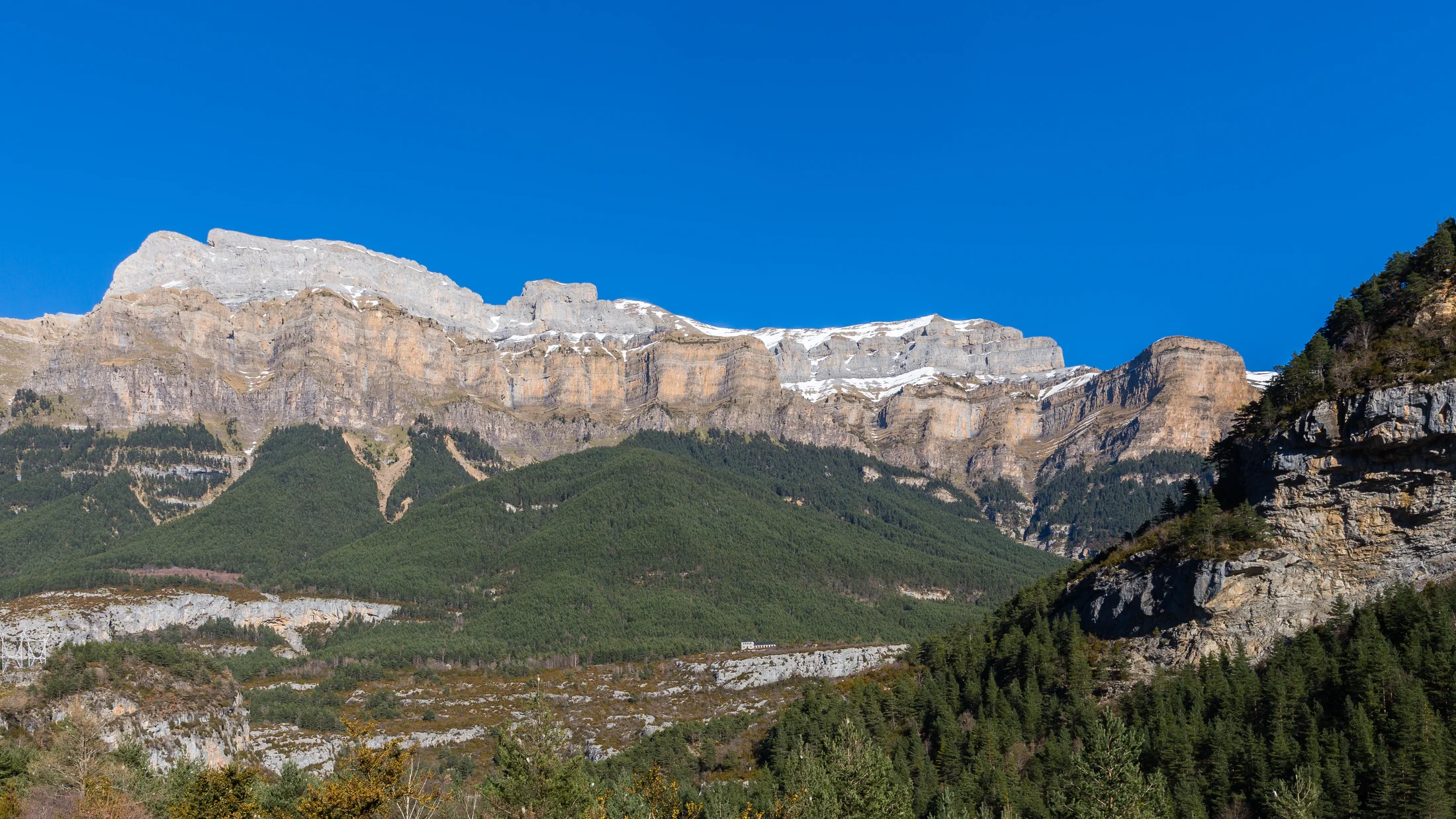
Introduction
Choosing where to go each month in Spain turns guesswork into a season-smart plan that fits your time and interests. This month-by-month nature calendar leans on climate patterns, bloom cycles, wildlife behavior, and crowd levels so you enjoy mountains, coasts, wetlands, and rural landscapes at their best. As waves whisper over empty beaches or snow squeaks beneath your boots, timing is the quiet detail that changes everything. By the end, you’ll know exactly how to pick monthly nature destinations in Spain, adapt trips for couples, families, or groups, and travel with confidence.
Why plan month by month
Nature runs on a calendar, not our inboxes, and Spain’s diversity rewards those who follow it. Spring brings wildflower meadows and milder days ideal for hiking; summer favors high-altitude lakes and nights under a sky bright with the Milky Way; autumn paints chestnut and beech forests gold; winter opens snowy ridges and crisp coastal horizons with softer light for photographers. The best time to visit Spain shifts with altitude, latitude, and local microclimates, which is why a guide to where to go each month Spain really matters. Picture a beech forest in La Garrotxa unfurling translucent green or cranes spiraling down into Doñana’s marshes. In practical terms, month-tuning means fewer crowds, safer conditions, and more wildlife sightings, and it saves time, money, and stress.
What you will find here
You’ll get a clear calendar from January to December with a flagship natural destination for each month and what to do there. Each entry includes why that month works, top activities, how to get there, where to stay, and gear tips. Imagine one crisp, helpful card per month you can act on immediately. Use it to plan rural escapes month by month in Spain, align trips with seasonal events, and keep a short list of alternates by region. At the end, scan FAQs, a packing and safety checklist, and quick resources (AEMET for weather, Spain’s National Parks for permits) so you can go from idea to booking with confidence.
Picuco te puede ayudar
Does something here catch your eye?
Tell us.
Write to us on WhatsApp or email: we answer questions, find the best options and help you sort out the booking.
Make This Calendar Work for Your Trip
Use this calendar like a compass, not a cage: the point is alignment between season, place, and your interests. Start by skimming all 12 months to see patterns—snow and low-angle light in winter; blossoms and waterfalls in spring; high-country lakes and sea breezes in summer; fiery forests and bird migrations in autumn. Feel the rhythm—like footsteps falling steady on a trail—then zero in on months you can actually travel.
Each monthly card blends four elements you’ll interpret the same way:
- Why this month: climate window, wildlife events, crowd patterns.
- What to do: 2–4 activities tuned to conditions.
- Access: realistic routes by car and public transport; any quotas or permits.
- Stays and gear: lodging zones and practical kit you’ll want.
Adapt recommendations to your style:
- Hikers and trekkers: prioritize altitude and daylight. Choose shoulder seasons (May–June, Sep–Oct) for mid- to high-mountain routes; aim for winter sun in Sierra Nevada at lower elevation. If a trail has a code like
GR-11orPR-AV-17, it’s a standardized route; check recent conditions and closures. - Wildlife watchers: time migrations and breeding cycles. Winter–spring suits wetlands (Doñana, Delta del Ebro), late spring for alpine flowers and butterflies, late summer for bioluminescent plankton on some coasts, and autumn for deer rut in mountain parks.
- Beach seekers and snorkelers: choose June and September for warm water with manageable crowds; in August, seek wind-sheltered coves at dawn/dusk or go coastal but wild (Cabo de Gata’s volcanic coves).
- Photographers: aim for winter clarity and low sun at coasts and deserts, spring waterfalls in Ordesa, and October foliage in La Alpujarra; blue hour stays generous under clear skies in summer mountain basins.
Combine regions to keep transfers sane, like linking coast and nearby sierras:
- Weekend idea (2–3 days): June—ferry from Vigo to Islas Cíes for a day of trails and snorkel; add a Costa da Morte sunset at Muxía (2 h drive), then back to A Coruña airport.
- One week sampler (7 days): September—fly to Palma de Mallorca, hike segments of the
GR-221in the Serra de Tramuntana (3–4 days), rent a car or use TIB buses to reach trailheads, then add 2–3 days of calm coves on the northeast coastline.
Balance ambition with real-world timing:
- Cap daily hiking hours by daylight (check sunrise/sunset in AEMET’s site) and add buffer for photos and rests.
- Use apps that matter: AEMET (reliable Spain weather), MeteoBlue (detailed local forecasts), Maps.me or IGN’s official app (offline topo maps), and Renfe or regional bus sites for timetables.
- For protected islands and high-profile parks, watch quotas and shuttles. Secure ferry authorizations for Islas Cíes in advance and reserve national park guided visits when required (Doñana core zones).
Plan bookings with an eye on seasonality:
- Reserve earlier for June–September coasts and July–August high mountains.
- In shoulder seasons, keep flexibility (48–72 h cancelation) to pivot for weather windows.
- Seek rural houses and small inns near trailheads to reduce daily driving and dawn alarms.
Imagine the trip unfolding like a well-paced hike—steady, scenic, and never rushed—and let this calendar be the contour lines under your feet.
Essential Information for Natural Escapes in Spain
Location and regional context
Situate any destination in two ways: administrative and natural. Administratively, note the province and autonomous community (e.g., Sierra Nevada sits in Granada and Almería, Andalusia); naturally, name the unit—park, range, river basin, coastline (e.g., Sierra Nevada National Park; Betic Cordillera). Think of it like reading both the town sign and the mountain’s shadow. This double lens matters because Spain’s weather and ecosystems shift quickly over short distances: a north-facing Pyrenean valley holds snow weeks longer than a south-facing one; Atlantic coasts catch more swell and cloud than protected Mediterranean coves. When you scan monthly nature destinations in Spain, check both map layers. The natural context hints at altitude and exposure (key for hikers), while the administrative layer tells you which authority manages permits, shuttles, or access (key for wetlands and islands). Use official park pages (Red de Parques Nacionales, Parques Naturales autonómicos) to verify trail status, seasonal closures, and local rules before you lock in plans.
Best season and climate variations
Spain’s “best time” splits three ways: latitude (north vs. south), altitude (sea level vs. 2,000+ m), and exposure (Atlantic vs. Mediterranean vs. continental). In simple terms, higher means colder and windier, and Atlantic coasts stay cooler and wetter while the interior swings to extremes. A breeze lifting salt off a June wave cools the face faster than numbers suggest. Match activity to season windows:
- Hiking: May–June and September–October for mid/high mountains; winter for low-altitude and south-facing routes.
- Birding: November–March in major wetlands; spring for breeding displays; September–October for raptor migration on key straits.
- Swimming/snorkel: June–September; Atlantic water is cooler (15–20°C) than Mediterranean (22–27°C).
- Waterfalls and blooms: March–May in mountain parks after snowmelt; October–November for beech/chestnut foliage in northern and mid-south slopes.
Flag one-off events that tilt the choice: spring beech leaf-out in La Garrotxa, autumn deer rut in Gredos and Picos, flamingo concentrations in the Ebro Delta through late autumn, or July–August starfields in certified Starlight areas. When in doubt, check AEMET’s 7–14 day forecast and mountain warnings 72 hours before travel and build a fallback low-altitude plan.
Getting there and getting around
Spain’s backbone is robust long-distance transport plus local connectors. For long legs, use trains (Renfe AVE/AVLO/Avants) and flights to regional hubs (A Coruña, Granada, Palma, Seville), then shift to regional buses or car hire. A train rhythm over open plains beats traffic when you want to arrive rested. Typical patterns:
- Mountains: nearest city + regional bus to a gateway town + taxi/transfer to the trailhead, or rent a car for dawn starts.
- Coasts/islands: ferries (e.g., Vigo–Islas Cíes in season), local buses, and short transfers.
- Wetlands: small roads with signed viewpoints, bike rentals on flat dykes, or guided 4x4 in core protected zones.
Book peak-season legs early (June–September islands/coasts; Easter; Christmas–New Year for Sierra Nevada). Confirm rural bus frequencies—some run few times daily—and note that Sunday schedules can be very limited. If driving, pre-check mountain pass conditions (DGT and local park notices) and parking quotas at protected beaches; shuttles often replace private cars in summer.
Stays and smart bookings
Choose stays that shorten transfers and align with your goal. A woodsmoke-scented rural inn ten minutes from a trailhead beats a city room 80 minutes away.
- For rest and quiet: rural houses and small inns in villages with evening eateries; look for sound insulation and heating/cooling relevant to season.
- For sport access: mountain lodges/refuges (e.g., Gredos) near route starts; ask about half-board and early breakfasts.
- For wildlife dawns: farm stays and small hotels near wetlands with early access to hides or bike rentals.
Booking tips:
- Prioritize walkability to the first path or shuttle stop; you’ll save an hour each morning.
- Keep cancelation flexibility (free up to 48–72 h) in shoulder seasons for weather pivots.
- Scan sustainability markers: energy efficiency, water-saving fixtures, local sourcing, and waste reduction; these choices support host communities and protect landscapes.
- In protected islands like Cíes, lodging is limited (camping) and authorizations apply; secure both ferry authorization and campsite early for June–September. If prices stretch, shift weekdays or go one valley over; the same mountain silhouette often costs less just beyond the hot spot.
Month-by-month: Natural Destinations Across Spain
1.January — Sierra Nevada (andalusia): snow, winter trails and sun
January delivers Sierra Nevada’s classic pairing: reliable snow on high slopes and many bluebird days. With the sun glittering on crisp ridgelines, you get bright, dry winter conditions rare in Europe at this latitude. Aim for resort skiing above Pradollano or strap on snowshoes on lower, safe trails; nights drop below freezing and days hover roughly 0–8°C at mid-elevation, so layer well and carry windproofs. For hikers, keep to marked lower routes and avoid avalanche-prone bowls; high routes toward Mulhacén (3,479 m) demand winter experience, and you should check daily bulletins. Getting there is simple: Granada to Pradollano takes about 45–60 minutes by car; buses run in season but start early to catch first lifts or quiet trails. Stay slopeside in Pradollano if you ski, or choose villages on the south face, like around Órgiva, for sunlit afternoons and calmer evenings. Pack sunglasses with UV protection, microspikes for icy village lanes, and thermos flasks. To fine-tune where to go each month in Spain, January here balances active days with Granada’s cultural evenings only an hour away.
Safety first in winter mountains
- Check AEMET mountain forecasts 24–48 hours ahead.
- Carry map, headlamp, and spare layers even for short outings.
- Consider a local guide for snowshoeing beyond resort areas.
2.February — Doñana (andalusia): migratory birds and calm marshes
February is peak wetland magic in Doñana, when migratory flocks pack lagoons and marshes in soft winter light. The air hums with wingbeats as flamingos, spoonbills, and countless dabbling ducks shuffle and feed. Choose guided bird safaris in permitted zones, walking loops near El Rocío and La Rocina, or biking quiet levees on the park’s periphery; core areas require authorized tours, which help both identification and conservation. Access works from Seville or Huelva by car in 1–1.5 hours, with gateways in El Rocío (Almonte), Matalascañas, and Sanlúcar de Barrameda. Stay in El Rocío for dawn views over the marsh or pick rural inns across Almonte’s hamlets for quiet nights. Bring binoculars (8x–10x), a telephoto lens, and neutral clothing; pack a windbreaker and waterproof shoes for muddy paths. Confirm tour availability in advance and mind that some tracks can close after heavy rain. If you’re building a Spain travel calendar by month for families, February in Doñana is gentle, educational, and unforgettable.
3.March — Ordesa and Monte Perdido (pyrenees): snowmelt and waterfalls
March opens the taps in Ordesa: snowmelt roars over ledges and cascades thunder through the valley. Mist rises like a breath from the forest floor as beech and fir fringe the river. Pick accessible routes low in the Ordesa Valley such as the path to Gradas de Soaso and Cola de Caballo, watching for ice in shaded sections; above 1,800 m, crampons and winter skills may still be required. The GR-11 crosses the park and can guide route choices, but conditions vary—check with the Torla Visitor Center before starting. Torla-Ordesa makes the ideal base, with lodgings and eateries opening toward Easter; in early March, some services are limited, so confirm ahead. Getting there involves a drive from Zaragoza (2.5–3 h) or Huesca (1.5–2 h); buses run seasonally, so a car helps. Pack poles, microspikes, and waterproof layers; river spray, slush, and cold shade are part of the show. For those asking the best places to visit each month in Spain, March here means dramatic water, quieter paths, and shoulder-season value.
4.April — La Garrotxa and the Girona Pyrenees (catalonia): volcanic spring and flowering forests
April in La Garrotxa is a soft explosion of green across extinct volcanic cones and beechwoods. A fresh, earthy scent drifts through the Fageda d’en Jordà as new leaves glow like stained glass. Hike gentle loops over cinder cones at the Garrotxa Volcanic Zone Natural Park, stroll medieval lanes in towns like Santa Pau, and sample seasonal fare (calçots and local cheeses). Temperatures sit in the teens (°C) and trails dry quickly after showers, making it ideal for families and casual hikers. Access is straightforward: fly to Girona or Barcelona, rent a car, and reach Olot in roughly 1–1.5 hours; regional buses from Girona (TEISA) also serve the area. Stay in rural houses around Olot or in villages edging the park for dawn starts in quiet woods. If you want some higher-country flavor, add a day in the Girona Pyrenees for snow-framed vistas without winter’s bite. For rural escapes month by month in Spain, April here mixes easy nature, heritage, and slow food.
5.May — Picos de Europa (asturias/cantabria/león): green peaks and high paths
May fills the Picos with fresh grass, resilient snow patches on the highest faces, and long, clear afternoons. Cowbells drift over limestone meadows while clouds snag on jagged summits. Choose classic routes like the Lakes of Covadonga circuits, Cares Gorge (watch for lingering shade ice), or balcony paths near Fuente Dé’s cable car; a guide helps on exposed or barely melted traverses. Cangas de Onís and Arenas de Cabrales serve the Asturian side; Potes is ideal for Cantabria’s Liebana valley; Soto de Valdeón anchors León’s quiet corners. Getting there means flights to Asturias or Santander and a 1.5–2.5 h drive to valleys; public buses exist but car hire gives flexibility. Pack layered clothing, waterproofs, and poles; in higher basins, bring microspikes. Book stays near trailheads to dodge morning queues and consider midweek to lighten foot traffic. For the best time to visit in spring hikers’ Spain, May in the Picos is a sweet-spot balance of bloom, openness, and manageable snow.
6.June — Islas Cíes and Costa da Morte (galicia): untouched beaches and coastal nature
June brings bright days and manageable visitor numbers to Galicia’s wild Atlantic. The breeze smells faintly of salt and pine on wooden walkways above clear water. Sail to Islas Cíes from Vigo (seasonal ferries in ~45 minutes), hike to Alto do Príncipe for signature views over Praia de Rodas, and snorkel coves when seas are calm; daily visitor quotas apply, and you must secure authorization in advance during peak periods. Camping is the only stay on Cíes; for comfort, base in Vigo or Baiona. Pair the islands with Costa da Morte’s dune-backed strands like Traba and wide horizons at Muxía or Fisterra; lighthouses frame gold sunsets with few July crowds. Swim with caution—Atlantic currents and waves can be strong—and wear a windbreaker for brisk evenings. Getting around requires a car on the Costa da Morte and timed ferry tickets for Cíes. June here is a masterclass in “arrive early, linger late,” which fits any Spain travel calendar by month seeking coast without crush.
Protected islands access
- Reserve ferry seats and, when required, pre-authorization from the regional authority before buying tickets.
- Camping on Cíes fills fast for weekends; plan weeks ahead for June–July.
7.July — Sierra de Gredos (castile and León): lagoons, stars and refuges
July’s heat at sea level drives you to Gredos’ high basins, where glacial lagoons sit in granite amphitheaters. After dusk, the air cools and the Milky Way brushes the cirque like chalk. Hike from the Plataforma de Gredos to Laguna Grande on the PR-AV-17, summit Almanzor (2,592 m) with a guide if experienced, or choose ridge traverses early to avoid midday heat; carry plenty of water, sun protection, and a hat. The Refugio Laguna Grande offers a perfect base for dawn or star photos; wild vivac rules apply—confirm with park guidance and avoid sensitive zones. Get there by driving from Madrid (2–2.5 h to Hoyos del Espino/Plataforma), with limited public options beyond Ávila or Arenas de San Pedro. Stay in Navarredonda de Gredos or Hoyos del Espino for cool nights and quick trail access. To skip crowds, start at sunrise or choose lesser-known valleys like Gredos Oriental. July here gives families and groups mountain drama with stargazing nights certified by Starlight designations in parts of Gredos.
8.August — Cabo de Gata–níjar (andalusia): wild beaches and coastal heat
August in Cabo de Gata is hot and elemental, but its arid cliffs hide coves with startling clarity. Warm air smells of dry thyme as waves hiss over black volcanic stones. Explore early and late: kayak rocky headlands at dawn from San José, snorkel coves like Los Genoveses and Mónsul, and hike short coastal paths with a hat and 2–3 liters of water per person. Midday finds you in shade and siesta; late light returns color and calm after 6 pm. Summer traffic limits apply to popular beaches—shuttles often replace private cars—so check current rules before driving. Base in San José, Las Negras, or Agua Amarga for access and village life, and consider eco-lodgings that manage water use responsibly. If you seek a quieter strand, walk 15–30 minutes beyond main access points. Protect the environment with reef-safe sunscreen and pack out all waste—this park’s beauty survives on restraint. For those deciding where to go each month Spain in high summer, Cabo de Gata rewards dawn risers and low-impact habits.
9.September — Serra de Tramuntana (mallorca): Mediterranean trails and soft temperatures
September softens Mallorca, turning the Tramuntana into a hiker’s coastline of stone paths and terraced hills. The scent of warm rosemary drifts as cicadas fade with cooler evenings. Walk sections of the GR-221 (Ruta de Pedra en Sec), linking villages like Deià, Valldemossa, and Sóller, or loop to viewpoints above turquoise coves; water remains warm for afternoon swims. Use TIB buses to connect stages or rent a car for flexibility on mountain roads like the MA-10; parking is limited in small villages, so arrive early. Stay in Sóller, Pollença, or Valldemossa depending on route choice, and book rural fincas for calm nights. Respect signage on private paths and confirm current access norms—some segments shift with landowner agreements. Mix in low-crowd coves on the Tramuntana’s lee side or the northeast coast where winds ease. September here balances hikers’ light, warm seas, and fewer tourists—ideal for couples and families wanting both trails and swims.
10.October — La Alpujarra (granada/almería): autumn colors and white villages
October paints the Alpujarra’s chestnut groves and orchards in amber and scarlet against Sierra Nevada’s high rim. Chimney smoke winds over whitewashed lanes as evenings turn crisp. Base in the Poqueira Gorge—Pampaneira, Bubión, Capileira—for terrace-to-terrace walks, farm tracks, and craft shops; harvest-season menus bring stews, mushrooms, and local jamón (Trevélez). Daytime highs often sit in the mid-teens to low twenties (°C) with cool nights, perfect for easy to moderate hiking. Access from Granada via the A-44 and A-348/A-4132 takes 1.5–2 hours; roads are winding, so drive unhurriedly. Choose rural houses with good heating and sunshine terraces; many offer valley views and footpath access from the door. Weekdays give you quieter trails, and early starts let you hear only water in acequias and the tap of pruning shears. October here is a gentle masterclass in landscape and community, where seasonal rhythms—olive presses warming up and chestnuts falling—frame your walks.
11.November — Ebro Delta (catalonia): migratory birds and wetland horizons
November sets the Ebro Delta in motion as wintering flocks settle into lagoons and rice fields. A cool wind ripples reedbeds and sends flamingos skittering to new shallows. Bring binoculars and pedal flat bike loops between lagoons like l’Encanyissada and la Tancada, stop at miradores, and time dawn/dusk for silhouettes. Accommodation options span farm stays and small hotels in Deltebre, Riumar, and Sant Carles de la Ràpita; many offer bike rentals or can point to guided outings. From Barcelona, drive 2–2.5 hours or train to Amposta/Tortosa with local transfers. November can turn wet and breezy—pack a windproof layer and waterproof shoes—and some tracks puddle after rain. Combine with seafood harbors for meals built on short supply chains, a clear nod to the people who manage dykes and rice cycles here. For monthly nature destinations in Spain tuned to wildlife, November in the Delta offers drama without summer’s heat or bugs.
12.December — Interior villages and the Sierras of Cuenca/albarracín: winter mood and calm
December invites slower days in stone-built villages and nearby sierras dusted with frost. Chimneys puff and footsteps echo on cobbles as markets string simple lights. Base in Cuenca’s old town for museum hours and Serranía de Cuenca day walks (Ciudad Encantada rock forms, Uña lagoon), or in Albarracín to combine sandstone boulders, Rodeno pine trails, and medieval lanes. Daytime highs are cool (often 5–10°C), nights cold, and trails quiet; pack warm layers, gloves, and a thermos. Driving from Madrid to Cuenca takes ~2 hours (or AVE ~1 h), and another 2 hours to Albarracín by car; winter daylight is short, so prioritize close-in loops. Choose family-run inns near trailheads and check holiday hours (24–31 December) for restaurants and museums. Mix cultural visits with easy rural strolls and keep an eye out for icy patches in shaded ravines. For end-of-year where to go each month in Spain planning, December here pairs culture with gentle nature and real rest.
Practical Tips for Weather, Packing, Safety, and Bookings
Pack by month and altitude, not just by destination name. A sunlit coastal path and a shaded alpine traverse can live 20°C apart in the same week. The touch of wind on damp skin tells you more than the number on a screen.
Weather and safety
- Check AEMET for 7–14 day trends and mountain-specific bulletins 24–72 hours before trips.
- In mountains, carry: map/compass or GPS, headlamp, extra layer, hat/gloves (even in summer), and a small first-aid kit.
- On coasts, respect rip-current flags and avoid cliff-edge paths in wind or after rain.
- In wetlands, stick to paths and hides; heavy rains can close levees temporarily.
Packing by season
- Winter (Dec–Feb): insulated mid-layer, windproof shell, hat/gloves, microspikes for icy town paths, thermos.
- Spring (Mar–May): waterproof jacket, breathable layers, gaiters for mud, insect repellent near wetlands.
- Summer (Jun–Aug): sun hat, high-SPF reef-safe sunscreen, 2–3 L water capacity, light long sleeves, headlamp for dawn starts.
- Autumn (Sep–Nov): windproof/waterproof layer, warm evening wear, trekking poles for leaf-slick trails.
Bookings and logistics
- Reserve rail and ferries early for June–September and holiday weeks.
- For protected sites with quotas (e.g., Islas Cíes), secure authorizations and tickets in sequence as instructed by the authority.
- In rural areas, Sunday bus service can be sparse; rent a car if you need dawn access.
- Consider travel insurance that covers mountain activities if you plan high-altitude hikes.
Sustainability and respect
- Stay on marked paths to protect soils and vegetation; rock cairns are not souvenirs—don’t build new ones.
- Pack out all waste; in arid parks, microplastics persist and wildlife suffers.
- Support local economies: buy farm products, hire certified local guides, and choose accommodations improving water/energy efficiency.
- Reduce noise at dawn/dusk near wildlife sites; your quiet helps others and animals alike.
Quick pre-trip checklist
- Confirm weather windows and plan A/B/C routes by altitude.
- Check transport schedules and parking/quota rules.
- Book stays near trailheads or shuttle stops.
- Pack season-appropriate layers and water capacity.
- Download offline maps and save emergency numbers.
Frequently Asked Questions
How do I choose the best destination for my interests (hiking, beaches, wildlife)?
Start with season windows, then filter by difficulty and access. For hiking, target shoulder seasons in mid/high mountains—May–June and September–October for Picos, Gredos, Ordesa—and keep winter for south-facing or low-altitude routes. For beaches and snorkeling, June and September give warm water and lighter crowds; in August, go at dawn/dusk or pick wilder coasts like Cabo de Gata. For wildlife, choose wetlands in winter–spring (Doñana, Ebro Delta) and alpine flowers/insects in late spring. Think in layers: climate first, then activity match, then travel time. For example, if you want a 3-day hike-and-swim week in early September, the Serra de Tramuntana fits with GR-221 segments plus cove time, while Picos might be cooler and more hiking-focused. Use this article’s month cards as a shortlist of the best destinations by month in Spain, then check AEMET and official park pages to confirm conditions and any restrictions.
Can I combine several regions in a single short escape?
Yes, if transfers stay under 2–3 hours per leg and activities complement each other. Pair islands or coasts with nearby mountains: June can be Islas Cíes (ferry from Vigo) plus Costa da Morte (2 h by car); September can be Tramuntana hikes with northeast coves (1–1.5 h). For a weekend, pick a tight cluster—Alpujarra villages and low Sierra Nevada trails—or a city plus nearby nature—Granada with Sierra Nevada, Girona with La Garrotxa. For 5–7 days, structure three moves: arrival city (1 night), nature base A (2–3 nights), nature base B (2–3 nights). Keep daily driving under 2 hours and hike during the best light. If you rely on public transport, verify weekend bus frequencies and consider a taxi to trailheads to save hours. Combining regions works when the plan breathes—think mornings active, afternoons moving lightly, and evenings settled.
What budget should I expect and how can I save in peak season?
Budgets vary by lodging type, meals, and transport:
- Rural stays: small inns and casas rurales typically range from modest to mid-tier, with mountain refuges often more affordable.
- Meals: village menus del día help control costs; island/coastal dining can be pricier near hotspots.
- Transport: trains booked early offer savings; car rental rates spike in July–August.
To save in peak months (June–September):
- Book early with flexible rates; shift to weekdays and avoid national holiday weekends.
- Sleep one valley over from headline spots (e.g., beyond the Tramuntana’s marquee villages) and drive 20–30 minutes in the morning.
- Choose self-catering for breakfasts/picnics; buy local produce.
- Use regional passes (buses in Mallorca, for example) and free park shuttles where available.
- Camp where allowed and practical (e.g., Cíes), or use mountain refuges to cut costs and transfers. Control extras by packing key gear—reusable bottles, headlamp, basic first aid—so you don’t rebuy on arrival.
How does weather affect trips, and what tools should I use?
Weather shapes what is safe and pleasant, particularly with altitude and coast exposure. Read forecasts like a story, not a number: wind, precipitation type, and freezing level matter as much as temperature. For reliability, use AEMET for regional and mountain-specific bulletins, MeteoBlue or Windy for wind and cloud detail, and park notices for closures. In mountains, note the freezing altitude and recent snowfall; in coasts, note swell height and wind direction; in wetlands, check recent rain that may flood tracks. Build a plan A (primary route), B (lower-altitude or sheltered alternative), and C (cultural or rest day). Recheck 24 hours before and again at dawn; if in doubt, downshift to an easier plan. Carry paper or offline maps and set a turnaround time early—weather often changes fastest after midday in mountains.
Are there restrictions, permits, or environmental rules I should know?
Yes, especially in national and natural parks, wetlands, and protected islands. Core zones in Doñana require guided visits; protected beaches (e.g., Cabo de Gata’s busiest coves) may run shuttle-only access in summer; Islas Cíes enforces daily visitor quotas and requires pre-authorization before purchasing ferry tickets in peak times. Wild camping rules vary widely: bivouac might be permitted above certain elevations or hours, but standard camping is often prohibited outside designated areas—always check the specific park’s regulations. Drones are commonly restricted in protected areas and near wildlife. Stay on marked paths, avoid loud noise near hides, and observe leave-no-trace principles. To verify: consult the Red de Parques Nacionales or the relevant autonomous community’s park authority pages, and confirm at visitor centers. Respect seasonal closures for wildlife breeding, fire-risk bans on stoves, and local water restrictions during drought.
Book your experience — discover active tourism activities in Spain with providers verified by Picuco.
Conclusion
Planning where to go each month in Spain shifts your trips from “hope it works” to “this fits the season.” Winter wetlands and snow-bright sierras, spring cascades and blossoms, summer’s high lakes and dawn coves, and autumn’s golden valleys all thrive when you meet them on their own terms. One image per month—bird wings over Doñana, Ordesa’s spray on your sleeves, starlight in Gredos—can shape a year of escapes. The practical path is simple: check climate windows, match activity to terrain, confirm access or quotas, and keep plan B ready with reliable sources like AEMET and official park notices. Choose stays close to trailheads and communities, travel light but prepared, and leave places better than you found them.
Use this calendar to sketch your next 12 months of nature, whether you’re a couple seeking quiet, a family learning together outdoors, or friends chasing longer trails. If you want curated experiences, explore options on Picuco to compare activities by region and season and to book with confidence. Share your own seasonal finds and questions—we update guides with reader feedback, local knowledge, and on-the-ground changes. Spain’s landscapes are cared for by communities who live with them daily; traveling in step with their seasons is the simplest way to honor that work and earn your best days outside.