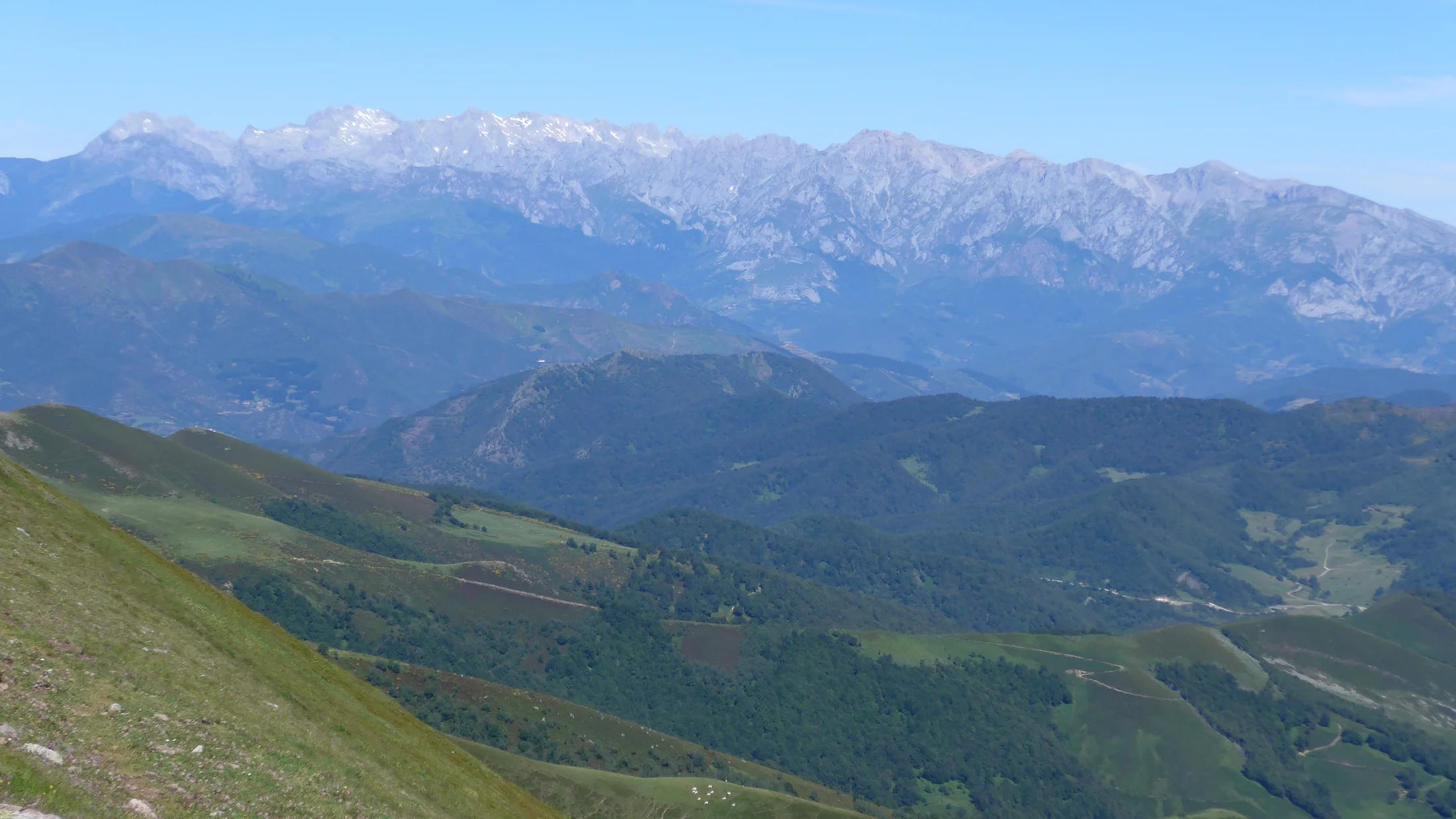
Why Cantabria Belongs on Your Nature and Adventure Map
You’re here because you’re asking what to do in Cantabria—and the short answer is: plenty, in very little time. Nestled on Spain’s northern coast, Cantabria compresses wild Atlantic beaches, limestone massifs, oak and beech forests, and storybook valleys into a compact region you can actually stitch together in one trip. Mist lifts off green hills at sunrise like steam from a kettle. You’ll learn how to choose and combine top nature and adventure plans, when to go, how to move around, and what to pack safely.
Distances are short: the coast to the foothills of Picos de Europa in under two hours, and estuaries to caves in under one. The scent of salt and wet rock alternates as you drive from surf breaks in Somo to the gorge roads of the Hermida. We’ll map the subregions (Costa Cantabria, Costa Quebrada, Liébana, Saja-Besaya, and Picos de Europa Cantabria) so you can match days to activities and avoid backtracking.
Cantabria also safeguards Europe-class heritage: karst caves with Paleolithic art at Altamira and rare crystal formations in El Soplao. The cool air in cave entrances feels like opening a cellar door on a hot day. You’ll find options for every level—gentle estuary paddles, beginner surf, kid-friendly wildlife parks, and big mountain treks or via ferrata for seasoned legs.
Weather flips fast under the Atlantic climate, but that’s part of the fun when you plan with flexibility. Leaves drip after a passing shower and trails turn aromatic with fern and damp earth. You’ll get practical transport tips (airport, trains, and key roads), time estimates, and safe logistics for classic outings such as Fuente Dé, Ruta del Cares, rafting in Cantabria, and coastal viewpoints.
Finally, this guide balances inspiration with checklists: we’ll cover clothing by season, difficulty ratings, typical durations, safety basics, and how to book certified guides for Picos de Europa tours. Sea haze silvers the cliffs at dusk as we tie it all together with sample itineraries for 1, 3, and 7 days. Ready to plan a week that feels like three trips in one?
Picuco te puede ayudar
Does something here catch your eye?
Tell us.
Write to us on WhatsApp or email: we answer questions, find the best options and help you sort out the booking.
Where It Is, When To Go, and How Weather Shapes Your Days
Cantabria’s compact size makes room for variety if you understand its subregions. Sea roar can fade to cowbells in the time it takes to cross a ridge. Match your plans to place and season, and you’ll swap umbrellas for wetsuits or climbing helmets without missing a beat.
Location and main Natural zones
Where is Cantabria? It sits between the Bay of Biscay and the Cantabrian Mountains, bordered by the Basque Country (east), Asturias (west), and Castile and León (south). The horizon often shows a double line—blue sea and gray peaks—like two brushstrokes meeting. Think in four outdoor zones:
- Costa Cantabria (Santander, Somo, Noja, Laredo):
- Best for: surf schools, beach time, coastal walks, easy family plans.
- Sea breezes keep summers mild, and sunsets rim the surf in gold.
- Costa Quebrada (Liencres to Arnía and beyond):
- Best for: cliff viewpoints, photography, tidepooling, quiet coves with care.
- The coast looks torn, with limestone fins jutting into spray.
- Valles interiores (Saja-Besaya, Pasiegos, Campoo):
- Best for: hiking, BTT (mountain bike), river valleys, rural stays.
- Meadows smell of wet hay after afternoon showers.
- Picos de Europa Cantabria (Liébana valley: Potes, Fuente Dé):
- Best for: high-mountain hikes, via ferrata, climbing, big viewpoints.
- Peaks rise like pale sails above brown brañas (pastures).
This mental map shortens decisions—pick coast days around tides and swell, and mountain days around visibility, then connect with N-621 and CA-185 as needed.
Best seasons for each activity
Seasons matter on an Atlantic coast with mountain backdrops. Wind tastes salty in July and crisp like apple skins in October. Aim for:
- Summer (June–September):
- Ideal for beaches, surf for beginners, family plans, and estuary paddles.
- Warmer sea, longer days; more crowds on weekends and holidays.
- Book early in August; go early/late for quieter sands.
- Spring and Autumn (April–May, late September–October):
- Prime for hiking Cantabria and BTT in valleys and mid-mountains.
- Cool temps for long days; wildflowers in spring, copper forests in fall.
- Guiding services often have better availability outside August.
- Winter (November–March):
- Technical mountaineering in Picos; snow and ice may require crampons and axe.
- Storm watching on the coast and cave visits year-round (with reservations).
- Short days; watch for storms and closures on minor roads.
To dodge crowds, shift plans by an hour: sunrise hikes, late-afternoon swims, and midweek mountain lifts. Dew beads on grass as the first hikers return with empty trails behind them.
Weather and preparation: what to bring
Atlantic weather changes fast; pack like you’d layer for spring skiing and a beach picnic in one bag. A light drizzle can bead on your jacket one hour and dry to blown thistle the next. Essentials:
- Mountains:
- Layers: synthetic or merino base, fleece or light insulated midlayer, waterproof shell.
- Footwear: grippy hiking boots or shoes; gaiters if muddy; poles for long descents.
- Extras: map/GPS, headlamp, first-aid kit, 1–2 L water, snacks, emergency foil blanket.
- Water activities:
- Wetsuit thickness 3/2–4/3 mm in shoulder seasons; rashguard in midsummer.
- Neoprene booties for rocky entries; dry bag for phone/ID.
- Check tide tables and local advice on currents before launching.
- Vertical activities (via ferrata, climbing):
- Certified harness, helmet, via ferrata lanyard with energy absorber; gloves.
- Know the route grade; book a guide if unsure of self-rescue basics.
Sun can bite between showers, so carry sunscreen, sunglasses, and a cap. Your pack should feel like a tidy toolbox, not a burden.
Getting There and Getting Around
Cantabria is well connected by air, rail, and road, and compact enough to base in one valley and day-trip. The skyline flips from crane gulls to choughs as you leave the bay for the passes. Estimate times and build travel buffers, especially in peak season and on gorge roads.
Airports, trains, and main connections
Santander’s Seve Ballesteros Airport (SDR) sits just southwest of the city, with national and seasonal international routes. The tang of jet fuel gives way to salt air as you step outside. Practical connections:
- Trains:
- Renfe Alvia links Madrid–Santander in about 4–4.5 hours via
A-67corridor towns. - FEVE (narrow-gauge) runs Santander–Bilbao and Santander–Oviedo, scenic but slower.
- Renfe Alvia links Madrid–Santander in about 4–4.5 hours via
- Buses:
- Long-distance and regional buses connect Bilbao, Oviedo, Burgos, and Potes.
- Coaches reach coastal towns and many valley hubs for popular actividades Cantabria.
- From arrival to action:
- Coast: 15–40 minutes from SDR to Somo, Liencres, or Noja (including short ferry across the bay to Somo if you fancy a detour).
- Mountains: 1h45–2h from Santander to Potes via
A-8+N-621; 2h–2h15 to Fuente Dé viaCA-185.
If relying on public transport, cluster activities near transport hubs and consider guided outings that include transfers. Rain on the terminal windows needn’t derail a cave day.
Driving routes and tips
A car unlocks dawn starts and quick pivots between coast and peaks. Passing through a short tunnel, you may burst into sunlight like emerging from a wave. Suggested flows:
- Core arteries:
A-8(coast motorway) ties together coastal towns.A-67links Santander with the Meseta (Palencia), useful if arriving from inland Spain.N-621climbs the Desfiladero de la Hermida to Potes; narrow and scenic.CA-185runs Potes–Fuente Dé; allow time for slow traffic in summer.
- Drive times (no heavy traffic):
- Santander–Potes: 1h45–2h (106–120 km).
- Santander–Fuente Dé: ~2h (120–130 km).
- Santander–Somo (via bridge): ~30–40 min; via ferry (foot passengers) add crossing time.
- Parking and safety:
- Arrive early to park at popular beaches (Liencres, Somo) and at Fuente Dé.
- In the Hermida gorge, use designated lay-bys and village parking; avoid blind bends.
- Mountain roads can be damp and mossy in shade; brake gently and watch for cyclists.
If you plan multiple activities across zones, consider car hire for two or three key days. The freedom to chase a clear window toward Picos can save a trip.
Local transport: buses, guides, and activity shuttles
You can reach many trailheads and adventure hubs without driving if you plan around bus timetables. A bus stop by a church bell tower feels like a tiny expedition base. Useful notes:
- Buses:
- Santander to Potes services run daily, with extra frequencies in summer.
- Coastal lines link Santander with Somo, Loredo, Laredo, and Noja.
- Check return times and last departures, especially outside July–August.
- Guided transfers:
- Many certified operators include shuttles for rafting, canyoning, via ferrata, or the Cares trek.
- This solves one-way route logistics and parking in busy gorges.
- Taxis and private transfers:
- Rural taxis can arrange early pickups to beat crowds at lifts and beaches.
- For groups, pre-book vans for surf days or multi-pitch climbing shuttles.
In peak months, reserve transfers and guided slots 7–10 days ahead. The reward is stepping off a bus straight into a wetsuit or harness.
Where To Stay and Family-friendly Experiences
Pick your base by activity and you’ll spend time outdoors, not on the road. Windows frame oak valleys or tidal flats like living pictures. The region excels in rural stays, camping settings, and hotels that double as activity hubs.
Rural houses: calm bases for routes
Country cottages and casas rurales give you space, a kitchen, and proximity to trailheads. Damp boots can dry by the radiator while dinner simmers. What to look for:
- Practical criteria:
- Heating for shoulder-season comfort and a ventilated area for gear.
- Parking for activity days; some offer secure bike storage.
- Flexible bedding and cots for families.
- Location picks by plan:
- Liébana (Potes, Camaleño): best for Picos de Europa tours, Fuente Dé, via ferrata.
- Valles del Saja-Besaya and Pasiegos: hiking and BTT from the doorstep, river days.
- Coastal villages near Somo/Loredo or Noja: surf mornings and estuary sunsets.
Book cottages with clear trail info and local tips; owners often know the quietest start times. Staying where farmers still hay the slopes connects you to the land’s rhythm.
Campings and nature areas for outdoorsy travelers
Cantabria’s campgrounds range from dune-backed beach sites to terraced mountain settings. The smell of pine pitch mixes with sea spray at some coastal pitches. What to expect:
- Types and services:
- Beach campings: direct sand access, surf racks, beach bars, lifeguarded zones nearby.
- Mountain campings: shade, trailheads within walking distance, quieter nights.
- Common amenities: hot showers, small groceries, laundry, sometimes bungalows or cabins.
- Regulations and planning:
- Wild camping is restricted; stick to official sites and ask about bivouac rules in parks.
- Reserve for July–August and long weekends; request shaded plots if you’re in a tent.
- Campervans: use designated areas and respect grey/black water disposal rules.
Pick a camping with an early gate schedule if you plan pre-dawn summit bids. Knowing you can roll out at 6:00 lets you catch alpenglow on limestone walls.
Active hotels and stays with built-in adventures
Some hotels and rural posadas offer guided outings, rentals, and sports packages. A chalkboard in the lobby listing tomorrow’s departures feels like camp for grownups. How to choose:
- Look for:
- On-site gear rental (bikes, surfboards, wetsuits) and drying rooms.
- Partnerships with certified guides for Picos treks, via ferrata, and rafting.
- Family offers: short-format activities, pool time buffers, and early dinners.
- Why it helps:
- Weather flips? Switch from surfing to caves with help from reception.
- Coordinated pickups avoid parking stress in gorges and dune parks.
- Bundled rates can save you 10–15% compared to booking piecemeal—confirm on Picuco.
Ask for sample daily plans for actividades Cantabria before booking. One phone call can sync tides, lift schedules, and bus returns.
Family experiences and activities for kids
Cantabria is superb for children when you pace days and pick safe venues. Sea foam curls around bare ankles like lace as laughter rises above the waves. Family-friendly highlights:
- Easy routes and parks:
- Short walks to viewpoints (e.g., coastal miradores, valley loops under 5 km).
- Parque de la Naturaleza de Cabárceno for wildlife and picnic zones.
- Caves and museums:
- Guided visits at El Soplao and the Altamira Museum replica (Neocueva).
- Consistent temperatures (~12–14°C) mean bring light jackets year-round.
- Beaches and estuaries:
- Sheltered beaches at low swell; lifeguarded zones in season.
- Kayak or SUP on slack tides with guides who carry kid-sized gear.
Keep activities to 2–3 hours and build in food and nap breaks. Ask age minimums: many beginner surf and via ferrata taster lines start from 8–10 years old when conditions allow.
15 Quick Ideas to Spark Your Cantabria Adventure
Scan this list to see what fits your style today. A salty breeze at the window can become a paddle stroke an hour later. Each line links to a detailed section below:
- Fuente Dé cable car: Ride to big-mountain views and choose high-level or gentle walks.
- Ruta del Cares: Trek the iconic gorge path with epic walls and steady exposure.
- Cabárceno Nature Park: Drive-through wildlife reserve with walking areas and shows.
- Surf Somo & Loredo: Beginner-friendly schools and consistent beach breaks.
- Rafting Deva/Nansa: Whitewater fun in green valleys with certified guides.
- El Soplao & Altamira: Caves of crystals and Paleolithic art (museum replica).
- Desfiladero de la Hermida: Gorge hikes and canyoning options near Liébana.
- Via ferrata & climbing: From coastal crags to Picos routes for all levels.
- Kayak & SUP in estuaries: Quiet paddles in Santoña, Noja, and wetlands.
- Wild beaches & Costa Quebrada: Cliff walks, dune parks, and photo spots.
- Birdwatching in marshes: Spoonbills, ospreys, and winter flocks in reserves.
- BTT in Saja-Besaya: Forest loops and valley rides with rental options.
- Canyoning & hydrospeed: Slot canyons and swiftwater thrills with pros.
- Horseback rides: Pasture and beach routes with gentle mounts.
- Paragliding over valleys: Tandem flights in Soba and Liébana on flyable days.
Pick two per day—one active, one soft—and keep a cave or museum as a weather override. Balance sweat with shoreline meanders to end days smiling, not spent.
The Unmissable 15 — Part 1 (1–8)
1.Fuente Dé cable car: effortless access to Picos vistas
Glide from valley pasture to high-mountain limestone in minutes. The car hums through cool air as forest smells fade to mineral and wind. From the Fuente Dé base, the cable car rises roughly 750 m in under 4 minutes to the El Cable upper station (around 1,800 m), opening routes across Picos de Europa Cantabria.
- Difficulty and duration:
- The ride is easy; at the top, choose gentle out-and-back viewpoints (30–60 min) or half-day hikes.
- Families can stroll the balcony paths; fit hikers can link to
PRroutes towardRefugio de Áliva.
- Best time:
- Clear mornings spring–autumn; winter requires mountaineering skills and equipment if leaving groomed areas.
- Logistics:
- Drive Potes–Fuente Dé via
CA-185(~30 min). - Parking fills by mid-morning in summer; arrive early or late.
- Return tickets commonly cost ~18–22 € adult; confirm updated prices on the official site.
- Drive Potes–Fuente Dé via
- Safety and tips:
- Weather at the top can be 10°C cooler; carry layers and a windproof.
- Trails near edges have exposure; supervise kids.
- Combine with a valley lunch or a short Liébana via ferrata in the afternoon.
Look back over Liébana: fields quilt the valley, and white peaks snag clouds like sails on masts.
2.Ruta del Cares: trekking Spain’s classic gorge path
Hike a sculpted ledge path between Poncebos (Asturias) and Caín (León) bordering the Cantabrian side. Goat bells ping against the rock like wind chimes in narrow turns. The traverse is about 12 km one-way (24 km return), typically 3–4 hours each way at a steady pace with constant exposure but modest gradients.
- Difficulty and duration:
- Moderate for fit hikers due to length and drop-offs, not technicality.
- No shade in sections; summer heat can be intense.
- Best time:
- Spring and autumn for milder temperatures; early starts in summer.
- Avoid heavy rain days due to rockfall risk and slippery gravel.
- Logistics:
- Park at either end and hike out-and-back, or arrange a shuttle to avoid a 24 km return.
- Public transport access is possible with planning; guided options include transfers.
- Safety and tips:
- Good footwear essential; bring 2 L water and snacks.
- Respect warning signs; keep children close on exposed stretches.
- Helmets aren’t required but are a comfort for rockfall zones.
At midday, light floods the canyon and water threads far below like a dropped ribbon.
3.Cabárceno Nature Park: wildlife and wide-open space
Spend a full day in a reclaimed open-cast mine turned wildlife reserve near Penagos. Warm stones radiate heat as giraffes silhouette against terraced walls. You drive park roads between large enclosures and stop for short walks, playgrounds, and raptor demonstrations.
- Why it works:
- Ideal for families with prams and picnics; ample facilities and viewpoints.
- A cable car inside the park offers broad views and quick transfers.
- Duration and timing:
- Plan 5–7 hours; gates open mornings with last entries mid-afternoon.
- Arrive early on weekends and holidays to avoid queues.
- Practicalities:
- Tickets are typically from ~30–39 € adult; check official channels for updates and combos.
- Combine with nearby coastal visits (Santander bay, Somo) for a balanced day.
- Tips:
- Bring binoculars for kids to spot animals at distance.
- Follow park speed limits and feeding rules; animals dictate the schedule.
As evening cools, dust hangs low in sunbeams while herds amble toward water.
4.Surf in Somo and Loredo: schools, waves, and wide sands
Learn to surf on one of northern Spain’s classic beach breaks. Wetsuit zips click in chorus as boards thump softly on sand. Somo and Loredo, across the bay from Santander, offer consistent sandbars, year-round schools, and rental shops steps from the beach.
- For whom:
- Beginners thrive in summer with smaller, friendlier waves.
- Intermediates enjoy autumn–spring swells; check wind—offshore from SW often cleans up.
- Timing and conditions:
- Early mornings or evenings are quieter in high season.
- Watch tides; mid to high tide can soften the takeoff on some banks.
- Logistics and safety:
- Easy access via road or ferry from Santander (foot passengers).
- Group lessons often run 2 hours and cost ~30–50 €; rentals ~15–25 € per session.
- Use lifeguarded zones in season and heed flag systems and rip current advice.
On glassy days, the sea looks like brushed aluminum, and green hills back the setup like amphitheater seats.
5.Rafting the rivers: splashy rapids and green canyons
Ride whitewater on the Deva and Nansa rivers in Cantabria’s interior. Cold spray needles your cheeks as the raft pivots through a chute. This is classic rafting in Cantabria, with stretches suited to first-timers and more playful runs in spring when flows are higher.
- Difficulty and duration:
- Guided trips 2–3 hours on water; suitable for beginners with swim confidence.
- Hydrospeed (individual river sled) ups the intensity for sporty paddlers.
- Seasons:
- Spring and early summer for stronger flows; autumn can be mellow depending on rain.
- Some sections depend on dam releases—ask at booking.
- Safety and operators:
- Choose certified guides; they provide wetsuit, PFD, helmet, and safety briefing.
- Typical prices: ~35–60 €; confirm on Picuco or with the operator.
- Logistics:
- Meeting points are near valley towns; transfers to put-in/take-out often included.
- Build in a warm layer and dry clothes for after the run.
Between rapids, look up at mossy walls and ash trees knitting a green ceiling over the river.
6.El Soplao and the Altamira Museum: crystals and ancient art
Go underground to two distinct treasures: El Soplao cave and the Altamira Museum in Santillana del Mar. The first breath inside smells of cold stone and iron. El Soplao dazzles with helictites (eccentric formations) and aragonites rarely seen at such scale; Altamira’s museum houses a state-of-the-art replica (Neocueva) of the famed Paleolithic paintings.
- Visits and options:
- El Soplao offers standard tours and, on select programs, spelunking-style adventures.
- Altamira’s original cave has extremely limited scientific access; the Neocueva is the standard visit.
- Timing and reservations:
- Book ahead, especially weekends and summer; group sizes are limited.
- Caves maintain ~12–14°C year-round; bring a light jacket.
- Logistics:
- Both sites are within 60–90 minutes’ drive of Santander depending on traffic.
- Combine with coastal villages (Comillas, Santillana) for a full day.
- Tips:
- Mind footwear—non-slip soles for damp floors.
- Read interpretive panels for context: UNESCO status and geology bring the story alive.
As lamps click off, the afterimage of ochre bison and white stalactites lingers like a dream.
7.Desfiladero de la Hermida: gorge trails and canyon options
Drive or bus the N-621 through towering walls from Panes to Potes, then lace up for trails. The river’s cold breath meets warm rock scents in the narrows. Popular hikes include short balcony trails and the route to Mirador de Santa Catalina, with commanding views over the gorge.
- Difficulty and duration:
- Short 1–3 hour hikes with steady climbs to viewpoints; longer routes link villages.
- Canyoning options exist in tributary ravines for guided groups with varying grades.
- When to go:
- Spring–autumn for hiking; avoid storm days in narrow canyons.
- Early starts for parking and cooler temperatures.
- Logistics:
- Use village parking areas and signed lay-bys; avoid creating hazards on bends.
- Guided adventures often include transfers to lesser-known access points.
- Safety:
- Helmets and wetsuits required for canyoning; water levels govern go/no-go decisions.
- On trails, exposure and loose gravel call for proper footwear and poles.
From Santa Catalina, the Deva snakes far below like hammered silver in the sun.
8.Via ferrata and climbing: vertical challenges by sea and summit
Clip into cables and climb ladders on bolted lines, or tie in at well-bolted crags. Your palms read the rock’s temperature before your eyes adjust to the wall’s angle. “Vía ferrata Cantabria” covers a spectrum—from taster circuits in valleys to punchier lines near gorges—while climbing spans coastal limestone and Picos approaches.
- For whom:
- Intro courses for families and beginners; advanced routes for trained climbers.
- Guides provide gear: helmet, harness, via ferrata set; climbers can rent ropes/shoes locally.
- Where and when:
- Liébana and Ramales areas are hubs; some coastal crags offer unforgettable sea views.
- Spring and autumn are prime; choose shaded aspects in summer.
- Safety:
- Match route grades (A–E or K1–K6) honestly to your skills.
- Never climb in storms; wet limestone and steel cables are unforgiving.
- Logistics and pricing:
- Half-day guided ferrata often ~35–60 €; multi-pitch climbing prices vary by length.
On a rest ledge, swifts stitch the air around you, and the valley hangs quiet beneath your boots.
The Unmissable 15 — Part 2 (9–15)
9.Kayak and paddle in estuaries and marshes (santoña, Noja)
Trade surf for smooth strokes across wetlands rich in birdlife. Your paddle’s drip echoes softly under reed-lined banks. Santoña Bay and the Natural Park of the Marshes of Santoña, Victoria, and Joyel offer guided kayak and SUP outings tailored to tides and wildlife.
- For whom:
- Beginners and families; stable craft and quiet waters at slack tide.
- Birders who want to combine spotting with gentle exercise.
- Seasons and timing:
- Spring–autumn with favorable weather; winter outings in calm windows.
- Best near slack or rising tide to ease navigation.
- Logistics:
- Tours 2–3 hours; typical price ~25–45 € depending on craft and group size.
- Combine with visitor centers and coastal boardwalks to deepen context.
- Safety:
- PFDs mandatory; sun protection and water essential.
- Follow guide instructions around nesting zones and channels.
At low tide, the mudflats gleam like mirrors and curlews call over the shallows.
10.Wild beaches and lookouts of the Costa Quebrada
Walk dune-backed beaches and stand at clifftop “teeth” carved by surf west of Santander. Wind presses the grass flat on headlands like brush strokes on canvas. Highlights include Liencres Dunes Natural Park and viewpoints above Arnía, Portio, Covachos, and Somocuevas.
- For whom:
- Photographers, walkers, and families who respect cliff safety.
- Tidepool explorers on calm days with sturdy footwear.
- Access and timing:
- Parking areas fill by mid-morning in summer; go early/late for calm light.
- Check tides for safe beach access, especially at pocket coves.
- Safety:
- Respect fences and edge setbacks; limestone can undercut.
- Rip currents are common at open beaches; heed signs and lifeguards.
- Pairings:
- Combine with Santander bay strolls or a Somo surf session.
At sunset, the sea burns copper and the limestone fins turn blue-gray like sleeping dolphins.
11.Birdwatching in Santoña and Noja marshes
Watch migrations funnel through one of Iberia’s prime coastal wetlands. A breeze rustles reedbeds like pages turning. The natural park hosts spoonbills, ospreys, marsh harriers, curlews, and wintering ducks and geese in large numbers.
- When to go:
- Peak migrations: September–November and February–April.
- Winter also strong for waterfowl; spring for breeding displays.
- Where:
- Observatories and paths around Santoña Bay, Noja’s Joyel marshes, and Trengandín.
- Visitor centers offer species lists and tide information.
- Logistics:
- Bring binoculars or a spotting scope; early and late light is best.
- Avoid disturbance; stay on paths and observe posted closures.
On a still morning, the only sound is a distant wingbeat and the click of your tripod legs.
12.Btt routes in Saja-besaya and interior valleys
Pedal beech forests and ridge tracks with valley views. Tires crunch over last night’s leaves like brittle pastry. The Saja-Besaya Natural Park and nearby valleys host signed loops for different abilities, from gentle riverside rides to full-day climbs and descents.
- For whom:
- Families on forest roads; intermediate riders on singletrack spurs.
- E-MTB rentals expand range; check charging options at lodgings.
- Routes and notes:
- Expect 10–60 km options with 200–1,500 m ascent depending on loop.
- Respect signage; some high-country tracks cross sensitive habitats.
- Logistics:
- Bike rental ~25–40 € per day; guided rides available for groups.
- Carry repair kit and rain shell; showers pass fast but soak hard.
- Permits and ethics:
- Follow local park rules; avoid muddy singletrack to prevent erosion.
From a ridge, pockets of mist sit in hollows like bowls holding milk.
13.Canyoning and hydrospeed: slots, slides, and swiftwater
Slide chutes, abseil waterfalls, and swim emerald pools with certified guides. Water roars in your ears as moss brushes your calves. Cantabria offers beginner-friendly and advanced canyon descents in valleys like Asón, Nansa, and tributaries near the Hermida area, with hydrospeed on suitable river stretches in season.
- For whom:
- Beginners to experts; trips graded by verticality and water flow.
- Strong swimmers can try hydrospeed for a wilder feel.
- Timing:
- Spring–early summer prime; summer routes shifted by flow; autumn weather-dependent.
- Guides check levels daily; go/no-go calls are safety-first.
- Safety and gear:
- Provided: wetsuit, helmet, harness, descender; bring towel and dry clothes.
- Listen to briefings; proper spacing and signals matter in moving water.
- Pricing and logistics:
- Typical guided canyon: ~45–70 €; hydrospeed similar; confirm latest rates.
- Transfers often included to manage shuttles and exits.
In a sunlit chamber, droplets hang midair before winking out on black slate.
14.Horseback rides and rural life
See valleys and coast from the saddle at an easy walking pace. Leather creaks rhythmically against birdsong. Stables across Cabuérniga, Pas valleys, and near select beaches offer rides from 1–3 hours, with options for kids and first-timers.
- For whom:
- Families, couples, and groups seeking a soft-adventure window into rural life.
- Beginners ride in small groups with calm mounts.
- Logistics:
- Helmets provided; long trousers and closed shoes recommended.
- Book sunset slots for cooler temps and warm light.
- Pairings:
- Combine with a farm lunch stop or a cobbled-village stroll.
- Ask about photo stops and handling for children.
On a river crossing, hooves ring against stones and water flashes silver around fetlocks.
15.Paragliding and valley flights: aerial Cantabria
Float over green bowls and limestone walls with a certified tandem pilot. Wind smells of grass and sun-warmed stone at launch. Popular sites offer tandem flights in Liébana (near Potes) and Soba/Asón valleys when conditions align.
- For whom:
- No experience needed; tandems suitable from ~12–14 years, weight limits apply.
- Photographers love the new angles on ridges and villages.
- When and how:
- Spring–autumn windows with stable thermals or ridge lift.
- Flight time 15–25 minutes typical; allow 1.5–2 hours total with transfers.
- Safety and pricing:
- Go with licensed schools; gear and briefings included.
- Expect ~80–120 € per tandem; photos/videos sometimes extra.
- Tips:
- Wear warm layers; it’s cooler aloft.
- Be flexible—weather calls are made day-of by pilots.
From the air, hayfields look quilted and river braids shine like solder seams.
What To Do in Cantabria: Itineraries, Practical Tips, Faqs, and Next Steps
Big plans become easy days when you stack them right for weather and travel. Coffee steam fogs the window as you check today’s tide and cloud ceiling. Use these templates, then adapt on the fly.
Recommended itineraries: 1, 3, and 7 days
- 1 day: coast sampler
- Morning: Costa Quebrada walk at Liencres; short beach stop if calm.
- Midday: Santander bay stroll and lunch; ferry hop to Somo (foot) or drive.
- Afternoon: beginner surf session Somo/Loredo or SUP Noja if winds favor.
- Backup: Altamira Museum on a rainy day; Cabárceno for families.
- Note:
A-8eases hops; check parking early.
- 3 days: Picos weekend with a coastal bow
- Day 1: Santander to Potes via
N-621(2 h with stops); Hermida viewpoints en route. - Day 2: Fuente Dé cable car early; high walk or balcony route; evening in Potes.
- Day 3: Return via Coast; late surf/swim in Somo; sunset at Arnía.
- Backup: El Soplao cave if peaks socked in; rafting Nansa if showers pass.
- Day 1: Santander to Potes via
- 7 days: coast–valley–peaks combo
- Days 1–2 (Coast): Surf Somo; Costa Quebrada walk; Kayak/SUP in marshes; birding at dusk.
- Days 3–4 (Valleys): BTT or hiking Saja-Besaya; horseback ride; rural market visit.
- Days 5–6 (Picos): Fuente Dé + mid-mountain hike; Via ferrata or canyoning; Cares segment with shuttle.
- Day 7: Cabárceno or Altamira; slow lunch; evening beach.
- Flex: Swap a cave day for stormy forecasts; save ferrata for dry windows.
Keep driving days under 2 hours and stack soft adventures after early starts. You’ll end the week feeling full, not frantic.
Practical tips: safety, permits, and gear
Good preparation supports spontaneity in Atlantic weather. The smell of wet earth after a quick squall signals five more perfect hours outside. Keep this checklist handy:
- Safety basics:
- Mountains: check forecasts at breakfast and midday; carry layers, headlamp, map/GPS.
- Water: understand flags, rip currents, and tide windows; never paddle alone offshore.
- Vertical: match route grades; clip correctly; postpone for wet or storm risks.
- Permits and rules:
- Picos de Europa is a national park; follow signed access and group size guidelines.
- Wild camping restrictions apply; use official campings or ask about legal bivouac.
- Drones near wildlife areas require permits; check park regs.
- Gear by theme:
- Hiking: boots/shoes with grip, poles, 1–2 L water, waterproof shell, sun protection.
- Surf/paddle: wetsuit suited to season, leash, PFD for SUP in estuaries, reef-safe sunscreen.
- Via ferrata/climbing: helmet, harness, certified lanyard/rope; gloves; robust footwear.
- Canyoning/rafting: guides provide technical kit; bring thermal base and dry bag for car keys.
- Guides:
- Hire certified professionals for Picos de Europa tours, rafting in Cantabria, canyoning, and via ferrata.
- Ask for ratios, route grade, insurance, and what’s included (shuttles, photos, snacks).
- Prices vary; many day trips land between 35–120 € depending on activity and length.
Build a rest buffer each day—a café or beach stop guards against overreaching. Your future self will thank you at dinner.
Frequently asked questions
Do I need to book the Fuente Dé cable car in advance?
In summer and holidays, yes—buy early slots to reduce waiting, and arrive 30 minutes before your time. On shoulder seasons, walk-up is often fine but check the official site for maintenance closures.
Are the caves suitable for children and people with reduced mobility?
Altamira’s museum and replica are accessible and great for kids; El Soplao’s standard tour involves stairs and damp floors, so check mobility details when booking. Bring light jackets as cave temperatures hold around 12–14°C.
Can I do the Ruta del Cares with kids?
Yes for older children comfortable with heights, but keep a close hand on exposed stretches and avoid busy midday hours. Start early, carry plenty of water, and consider doing only a scenic segment.
How do I avoid crowds at beaches and Costa Quebrada viewpoints?
Go at sunrise or late evening, aim for weekdays, and park only in designated areas. In high season, pick less-publicized coves and check tides to time safe access.
Are activities refundable if the weather turns?
Most operators offer weather-related rescheduling or refunds; ask about cancellation windows before paying. Flexibility lets you swap in caves or marsh paddles when peaks cloud out.
Where can I find local, certified guides and updated prices?
Use regional tourism offices and Picuco’s activity pages to compare certified options, group sizes, and current rates. Booking through a curated platform helps ensure safety standards and insurance.
Book your experience — discover verified outdoor activities across Spain with providers vetted by Picuco.
Conclusion
Cantabria rewards curiosity with short hops between salt, stone, and forest. A gull’s cry on the coast can give way to choughs on a ridge the same afternoon. With smart timing, flexible plans, and the right gear, you can surf at dawn, hike by noon, and watch marsh birds at dusk—all within one compact region.
Rely on certified guides for vertical and whitewater days, use caves and parks as weather-proof anchors, and base yourself close to your main objective to cut driving. Warm hospitality, living rural traditions, and protected landscapes make every plan feel grounded and genuine. Start penciling those days, then refine with forecasts and tides the week before you go; your best Cantabria is the one you tune to the weather and your energy.