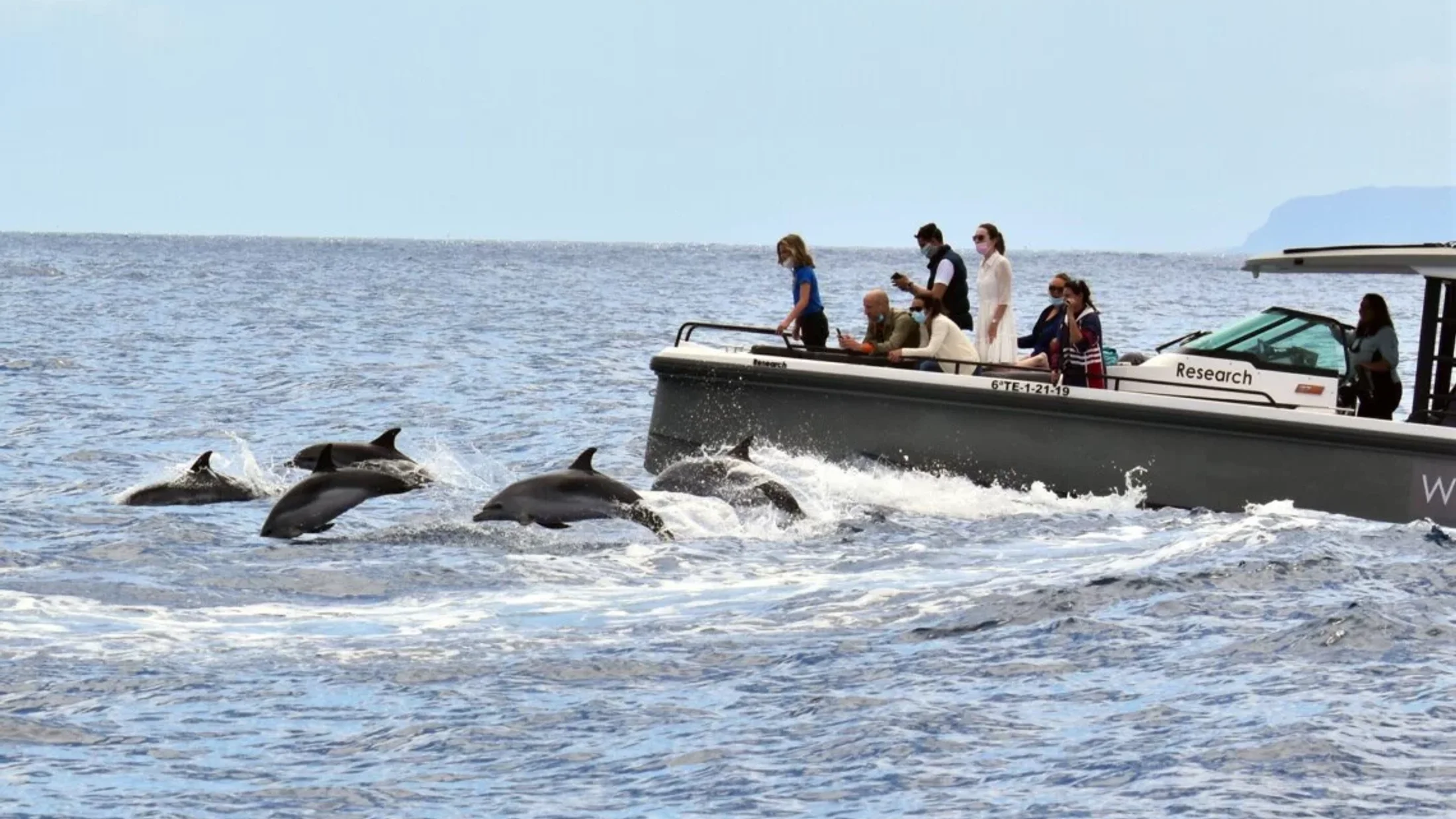
Why This List Leaves Out the Canary Islands
Whale watching Spain is bigger than one destination, and the mainland offers remarkable encounters if you know when and where to go. You’ll find seven outstanding coastal hubs, practical tips to book responsibly, and a map to plan routes at a glance. Think of crisp sea air on your cheeks as gulls trace white arcs over the harbor.
This article excludes the Canary Islands on purpose: the archipelago merits its own deep dive given resident pilot whales, year-round tours, and distinct regulations. Here, we focus on whale watching mainland Spain and the Balearic Islands so you can discover alternatives closer to many travelers’ routes. Use the numbered sections to compare locations, scan each listing’s quick facts, and refer to the FAQs before you book.
Spain’s seas at a glance
Spain borders three major marine regions—Atlantic, Cantabrian (Bay of Biscay), and Mediterranean—hosting over 20 documented cetacean species, from bottlenose dolphins to fin whales (sources: MITECO, IEO-CSIC, ACCOBAMS). Dolphin watching Spain thrives where steep continental slopes, upwellings, and migratory corridors concentrate food webs. A short hiss of spray in the distance is often the first clue something powerful is near.
Wildlife tourism supports local economies and research via fees and citizen science logs, but irresponsible approaches can disrupt feeding and mother–calf pairs. Spain’s Royal Decree 1727/2007 sets approach rules—no deliberate approach within roughly 60 m, speed control, and time limits—while several marine reserves add stricter protections (sources: MITECO, BOE). Responsible operators brief passengers on codes of conduct, avoid chasing, and collect sightings data. If you seek avistamiento de cetáceos España beyond the islands, pick places where conservation and access align.
How we chose these seven places
We prioritized areas with regular sightings, species diversity, clear migration windows, and convenient base ports. We also weighed the presence of certified, conservation-minded operators, existing marine protections, and logistic ease for travelers without local contacts. Choose by what you value most: frequent dolphins, chance of larger whales, or calm seas for families. The soft thud of fenders and a rope’s salty tang linger as crews ready boats at dawn.
Our desk research drew on peer-reviewed papers, IEO-CSIC and ACCOBAMS reports, marine park documents, and interviews with local skippers and NGOs who monitor strandings and photo-ID catalogs (e.g., CIRCE in the Strait). Finally, we checked public trip logs and seasonal patterns over multiple recent years to avoid one-off “lucky day” bias.
Picuco te puede ayudar
Does something here catch your eye?
Tell us.
Write to us on WhatsApp or email: we answer questions, find the best options and help you sort out the booking.
Seven Places for Whale and Dolphin Watching in Spain (beyond the Canaries)
1) Rías Baixas, Galicia: Where River Valleys Meet the Atlantic
Granite headlands shield these estuaries, creating rich mixing zones that attract dolphins and occasional beaked whales. The scent of seaweed and wet stone rises as the tide breathes through mussel rafts.
- Base ports:
- Vigo (
42.240°N, -8.720°E) and Cangas in Ría de Vigo - Pontevedra/Combarro for Ría de Pontevedra
- Vigo (
- Typical species:
- Common and bottlenose dolphins, short-finned pilot whales in offshore runs
- Beaked whales (Cuvier’s) and harbor porpoises on deeper edges
- Best months:
- Late spring to early autumn for stable weather; autumn often productive after upwelling
- Tour types:
- 2–3 h Ría cruises, RIBs (rigid inflatable boats) for faster range, occasional half-day offshore
- Prices (orientative):
- 40–65 € p.p. for 2–3 h; confirm with operator or consult Picuco for updated options
- Getting there:
- Train or road to Vigo; ferries link Vigo–Cangas; short road transfers to other rías
- Weather notes:
- Atlantic fronts can bring swell and fog; plan buffers and bring layers
- Conservation:
- Shellfish cofradías and research groups track ecosystem health; follow crew guidance to avoid sensitive seabird rafts
- Local tip:
- Search terms like “avistamiento cetáceos Galicia” yield Spanish-language details; ask about photo-ID catalogs and logging your sightings
What to watch: seabird rafts (shearwaters, gannets) often mark bait balls where dolphins feed—scan ahead of diving flocks.
2) Bay of Biscay (cantabria, Basque Country, Asturias): Deep Waters Within Reach
Here the continental slope lies close to shore, bringing pelagic life within day-trip range from Santander, San Sebastián, and Gijón. Cool morning air tastes faintly of kelp as swell lines roll in from the northwest.
- Base ports:
- Santander (
43.462°N, -3.809°E), San Sebastián/Donostia (43.321°N, -1.985°E), Gijón (43.545°N, -5.661°E)
- Santander (
- Typical species:
- Fin whales on migration, common dolphins, striped dolphins, harbor porpoises nearshore; beaked whales over deep canyons
- Best months:
- Late spring–early summer for fin whale passage; August–October for mixed dolphin activity; winter windows weather-dependent
- Tour types:
- 4–8 h pelagics to the slope; some short coastal watches in calmer windows
- Prices (orientative):
- 55–95 € p.p. depending on duration; confirm locally or via Picuco listings
- Logistics:
- Ports have paid parking; consider motion-sickness medication on longer offshore days
- Choosing an operator:
- Ask about hydrophone use, data-sharing with research networks, and adherence to RD 1727/2007
- Conservation:
- The Bay’s canyons host sensitive deep-divers; limit noise and avoid crowding when animals rest
- Phrase to know:
- When you see “avistamiento de ballenas península,” providers usually refer to Bay of Biscay offshore runs
What to watch: lines of gannets arrowing downwind can lead you to feeding fin whales that surface with slate-gray backs and tall spouts.
3) Strait of Gibraltar and Tarifa: A Migratory Bottleneck
Atlantic and Mediterranean waters meet here, concentrating currents, prey, and cetaceans in a narrow corridor near Tarifa, Algeciras, and Gibraltar. The wind carries a peppery tang as Levante whips whitecaps across the Strait.
- Base ports:
- Tarifa (
36.013°N, -5.606°E), Algeciras (36.133°N, -5.450°E), Gibraltar (36.140°N, -5.353°E)
- Tarifa (
- Typical species:
- Bottlenose and common dolphins year-round; pilot whales; occasional fin and sperm whales on passage; orcas seasonally near tuna routes
- Best months:
- Spring and autumn for migratory diversity; summer offers reliable dolphins and resident pilots
- Tour types:
- 2–3 h watches on stable boats or RIBs, sometimes with hydrophones
- Prices (orientative):
- 35–60 € p.p.; verify schedules, wind forecasts, and policies on no-sighting rebooks
- Safety and sea state:
- Strong currents and winds (Levante/Poniente) can cancel trips; pick morning departures for calmer seas
- Responsible practice:
- Reputable operators maintain parallel courses, low speeds, and short interactions; no swimming with cetaceans per Spanish law
- Conservation:
- Regional NGOs (e.g., CIRCE) study population health and ship-strike risks; support projects through voluntary donations
What to watch: pilot whales resting in tight pods—glossy black backs rising in unison—signal calm behavior; let them choose the encounter.
4) Gulf of Cádiz (cádiz and Huelva): Along the Atlantic Flyway
These sandy coasts and estuaries front productive waters that funnel life toward Portugal and the central Atlantic. Warm breezes smell of pine from Doñana’s edges as terns stitch silver trails over the bar.
- Base ports:
- El Puerto de Santa María (
36.596°N, -6.235°E), Cádiz (36.529°N, -6.292°E), Huelva (37.261°N, -6.944°E)
- El Puerto de Santa María (
- Typical species:
- Common and bottlenose dolphins; short-finned pilot whales offshore; occasional fin whales on passage
- Best months:
- Late spring to early autumn; winter tours depend on fronts and swell
- Tour types:
- 2–3 h coastal runs; half-day trips that cross productive frontal lines
- Prices (orientative):
- 40–65 € p.p.; confirm specifics and group sizes before booking
- Getting there:
- Trains to Cádiz and El Puerto; Seville airport feeds both Cádiz and Huelva coasts
- Conservation:
- Adjacent protected areas—Doñana National Park and marine reserves—underscore the need to respect exclusion zones and seabed
- Practical tip:
- Ask about vessel shade, kids’ lifejackets, and binoculars on board for family-friendly trips
What to watch: when the tide turns, slick lines form on the surface; dolphins often patrol these edges where bait concentrates.
5) Alborán Sea (almería and Cabo de Gata): Where Two Currents Collide
The western Mediterranean’s Alborán gyres mix Atlantic inflows with basin waters, attracting striped and bottlenose dolphins and pelagic visitors. Sunlight flashes on bronze cliffs as a gentle swell nudges the volcanic shore.
- Base ports:
- Almería (
36.834°N, -2.463°E), San José in Cabo de Gata (36.757°N, -2.115°E)
- Almería (
- Typical species:
- Striped, common, and bottlenose dolphins; occasional sightings of pilot and larger pelagic cetaceans offshore
- Best months:
- Late spring–autumn for calmer seas; early mornings best in midsummer
- Tour types:
- 2–3 h dolphin watches; some combine snorkeling or photography near coves (never entering the water with cetaceans)
- Prices (orientative):
- 45–70 € p.p.; check for small-group photo trips at higher rates
- Sea conditions:
- Afternoon thermals can raise chop; pick morning slots with kids or sensitive stomachs
- Responsible tourism:
- Cabo de Gata–Níjar Natural Park has zoning; confirm route compliance and anchoring rules
- Community connection:
- Local fishers and guides share knowledge on fronts, seabirds, and seasonal jellyfish blooms
What to watch: striped dolphins often bow-ride; if they approach, kneel and hold rails—let the moment unfold without reaching out.
6) Balearic Islands (mallorca and Ibiza): Mediterranean Encounters
Between deep basins and island shelves, the Balearics offer chances to see dolphins and, in deeper channels, elusive beaked whales. The morning smells of espresso and tarred lines as crews cast off from old quays.
- Base ports:
- Palma de Mallorca (
39.569°N, 2.650°E), Ibiza Town (38.908°N, 1.435°E)
- Palma de Mallorca (
- Typical species:
- Common and bottlenose dolphins; striped dolphins over drop-offs; beaked whales (Cuvier’s) in deep channels, less frequent
- Best months:
- May–October for weather reliability; shoulder months quieter and gentler
- Tour types:
- 2–3 h coastal watches; half-day trips to shelf edges; some sunset cruises focused on dolphins
- Prices (orientative):
- 50–80 € p.p.; premium small-group photo or research-support trips may cost more
- Combining plans:
- Pair outings with coastal hikes or calas; sunset trips work well after beach days
- Finding tours:
- Look for “dolphin watching Spain” offers that mention research partnerships and a code of conduct
- Conservation:
- Balearic waters host Important Marine Mammal Areas (IMMAs); operators should avoid repeated approaches to the same group
What to watch: in glassy dusk light, dolphin dorsal fins etch quick commas on the sea before fading into violet water.
7) Cabo de Palos / Cartagena (region of Murcia): Canyons, Reserves, and Close Encounters
Steep submarine canyons drop fast off Cabo de Palos, while marine reserves nurture prey along seagrass meadows. The lighthouse stands in salt-scrub air as swallows skim low over a slate-blue morning.
- Base ports:
- Cabo de Palos (
37.620°N, -0.706°E), Cartagena (37.602°N, -0.986°E), La Manga
- Cabo de Palos (
- Typical species:
- Bottlenose and common dolphins; striped dolphins over slopes; occasional sightings of deeper-diving species off canyons
- Best months:
- April–October; calm windows in winter can be excellent but weather is variable
- Tour types:
- 2–3 h small-boat runs; some naturalist-led trips with hydrophones
- Prices (orientative):
- 45–70 € p.p.; always confirm inclusions and group size
- Accessibility:
- Short runs and small harbors make logistics easy for families and first-timers
- Responsible approach:
- The Cabo de Palos–Islas Hormigas Marine Reserve has strict rules—ensure routes respect no-take zones and anchoring bans
- Search phrases:
- “tours avistamiento delfines Mediterráneo” can surface Spanish-language operators; verify licensing and insurance
What to watch: floating patches of posidonia wrack draw baitfish and seabirds; dolphins often patrol just beyond these natural lines.
Where These Seven Spots Are on the Map
For the interactive map, include each base port with a labeled pin, coordinates, and a link to its section above. Use GPS coordinates for quick orientation, for example: Vigo 42.240°N, -8.720°E, Santander 43.462°N, -3.809°E, Tarifa 36.013°N, -5.606°E, El Puerto de Santa María 36.596°N, -6.235°E, Almería 36.834°N, -2.463°E, Palma 39.569°N, 2.650°E, Cabo de Palos 37.620°N, -0.706°E. The hum of a harbor engine underfoot makes the dots feel like places, not just points.
Suggested layers:
- Recommended months (color-code: spring, summer, autumn)
- Main species expected (icons for dolphins, fin whales, beaked whales)
- Protection level (marine reserve, IMMA, none)
Integration tips:
- Embed a map widget that supports custom layers; label each pin with “Location — species — season”
- Pull accurate coordinates from official harbor pages, IGN CartoCiudad, or a GPS device; verify against nautical charts if you include offshore canyons
- Link each pin back to its section anchor so readers can jump to details
How to Read Each Location Card
Each listing in this article follows a common structure so you can compare quickly. Salt and diesel mingle on the pier while you decide which departure fits your day.
- Best months:
- What it means: the window with highest chance of calm seas and target species
- How to use it: pick morning slots inside this window; shoulder periods can trade fewer boats for gentler light
- Typical species:
- Plain language first (e.g., bottlenose dolphin), scientific names optional once on board
- Expect variability: migrations, weather, and prey move
- Tour type and duration:
- RIB vs. catamaran vs. small motorboat; RIBs are faster but choppier, cats more stable and spacious
- Duration relates to range; offshore whale chances usually require 4+ hours
- Prices (orientative):
- Ranges reflect season, vessel, and group size (e.g., 35–95 € p.p.)
- Read what’s included: guide, hydrophone, snacks, rebook policies
- Meeting point and access:
- Note the exact dock or marina gate, parking, and accessibility (ramps, handrails)
- Ask about restrooms and shaded seating
- Group size and comfort:
- Smaller groups mean better viewing angles but may cost more
- Seasickness policy: can you reschedule if you must step off early?
- “Sighting guarantee”:
- Understand the promise: rebook, partial refund, or credit—not a guarantee of a species
- A strict guarantee can push risky behavior; responsible operators keep time limits and distances
- Credibility checks:
- Ask about licenses, insurance, and compliance with Spain’s RD 1727/2007
- Look for partnerships with research bodies (IEO-CSIC projects, regional NGOs) and data submission practices
- What to bring:
- Layers, hat, biodegradable sunscreen, closed shoes, water in a reusable bottle, anti-nausea meds if needed, binoculars
- Cameras: a 70–200 mm lens is versatile; phones benefit from a small clamp and wrist strap
Example reading:
- If a “3 h coastal dolphin watch” in summer lists common and bottlenose dolphins, 45–60 € p.p., max 12 passengers, morning departures, and a rebook policy for no sightings, it’s a solid family option.
- If a “6–8 h Bay of Biscay pelagic” mentions fin whales in June–July, recommends seasickness meds, and carries a hydrophone, you’re trading comfort for higher big-whale odds.
Choosing a Responsible and Safe Tour
Responsible cetacean tours Spain balance access with strict protections so wildlife sets the terms of each encounter. The dock smells of rope and rain as a skipper briefs you on speed limits and parallel approaches.
Key questions to ask:
- Licenses and insurance:
- Do you hold the required regional permits and liability insurance for wildlife viewing?
- Protocols and distances:
- How do you apply RD 1727/2007? Minimum distances, approach angles, speed caps, and 30-minute interaction limits
- Passenger limits and vantage points:
- Max group size? Are there seats with handholds and shade?
- Crew training:
- Naturalist or marine biologist onboard? First-aid and radio certifications?
- Research support:
- Do you log sightings to IEO-CSIC/ACC OBAMS databases or local photo-ID catalogs?
Signs of responsible practice:
- Slow, parallel approaches; never cutting ahead or boxing animals in
- No swimming or feeding; engines in neutral if animals approach
- Limiting boats around a group (ideally two or fewer) and rotating out
- Clear briefings on what happens if seas build or animals show stress
Gear and preparation:
- Wear warm, windproof layers even in summer; bring soft-soled shoes
- Take seasickness medication 30–60 minutes before boarding if prone
- Protect optics with straps; carry a small dry bag for phones and IDs
- Hydrate and eat lightly; avoid heavy, greasy foods pre-trip
If you witness harmful behavior:
- Note date, time, vessel name, and position; report to the harbor authority or regional environment office
- Share concerns calmly with the operator first; responsible teams welcome feedback
- Remember that weather, currents, and animal choice dictate encounters—no sighting is worth harassment
References: Spain’s RD 1727/2007 (approach rules), MITECO guidelines, and ACCOBAMS best practices inform ethical standards across Spanish waters.
Frequently Asked Questions
Is there a guarantee I will see cetaceans?
No. Some operators offer rebooks or partial credits for no sightings, but wildlife sets the schedule. Choose seasons with higher probabilities and morning departures for calmer seas.
Is it safe for children?
Yes with the right conditions: pick stable boats, shorter trips (2–3 h), and morning slots. Confirm lifejackets in child sizes, shaded seating, and restroom access at or near the boat.
What are the legal distances to whales and dolphins?
Spain’s RD 1727/2007 prohibits deliberate approaches within about 60 m, sets low speeds and time limits, and restricts boat numbers; mother–calf groups require extra caution. Crews should brief you before departure.
Can people with reduced mobility join?
Many larger boats offer ramps and stable decks, but small RIBs are harder to board. Ask about dock access, handrails, seating, and assistance at the gangway before booking.
Does watching affect conservation?
Done well, it funds research and builds local stewardship; done badly, it can stress animals. Support operators who follow codes of conduct and contribute data to IEO-CSIC or regional NGOs.
How can I support local projects?
Donate to research groups, join beach cleanups, and share sightings responsibly with time and general location (not exact calf nursery spots). Buying locally sustains coastal communities that protect these waters.
Can I swim with dolphins in Spain?
No. Swimming with wild cetaceans is prohibited; it increases stress and risk of injury. Enjoy from the boat at legal distances.
What should I do if I get seasick?
Take medication before boarding, fix your gaze on the horizon, and stay in fresh air near midships. Hydrate and tell the crew early—they can often help reposition you.
Book your experience — discover vetted outdoor activities in Spain with trusted Picuco providers.
Conclusion
Choosing responsible whale watching Spain enriches your trip and safeguards the very animals you came to see. From Galicia’s rías to the Alborán gyres, these seven places balance access, species variety, and community-led stewardship. A cool spray on your face and a sudden exhale carry more meaning when you know the code of conduct behind the moment.
Plan around seasons, ask clear questions, and prioritize operators who respect Spain’s approach rules and support research. Explore locations above, download your map, and check Picuco for updated departures and small-group options that match your style and budget. When you’re ready, reserve early for the calmest hours and go with the tide.