Why Sanabria Deserves Your Next Weekend
A Sanabria weekend gives you a glacial lake, wild canyons, wolves at dusk, and stone villages in one place. You are in northwest Castilla y León, where Lake Sanabria, the Tera canyon, and the Sierra de la Culebra meet under big sky. The scent of pine resin and cold granite after a shower lingers on the wind. You will disconnect fast, and you will return with clear ideas for future trips.
This guide shows you how to make two days count without rushing. We outline Sanabria hiking options by difficulty, gentle lake plans for families, and ethical wolf watching in the Sierra de la Culebra. We also explain how to reach Puebla de Sanabria, where to sleep by the lake or in quiet hamlets, and when to come for swimming, colors, or snow. Use it as a flexible plan: keep the backbone, then swap routes or villages based on weather and interests.
The landscape that shapes a perfect short escape
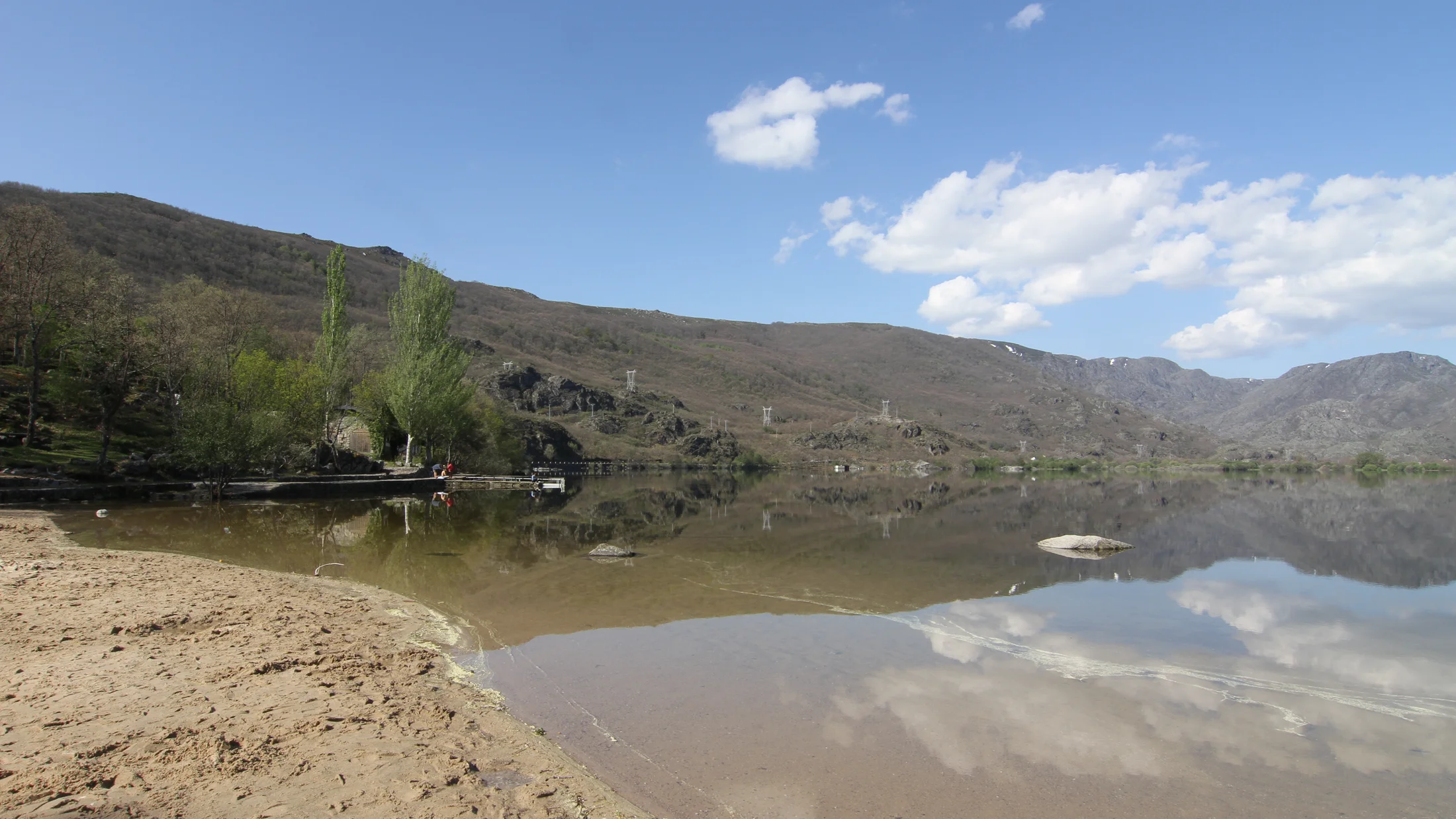
Sanabria’s heart is the Parque Natural del Lago de Sanabria y Sierras Segundera y de Porto, protected since 1978 (Junta de Castilla y León). Lake Sanabria is the largest natural glacial lake in the Iberian Peninsula at about 3.5 km², around 51 m deep, and nearly 1,000 m above sea level. Morning light glints on dark water like polished obsidian. The Tera River, born in the high cirques, carved a rugged canyon upstream; the same glacial legacy set granite slabs, peat bogs, and alpine tarns above.
For a weekend, this compact geography works in your favor. You can swim at authorized beaches, take a short lakeside walk, and visit Puebla de Sanabria’s castle in one day. The next day, you step into the Tera canyon’s cooler microclimate before ending with a patient, respectful look for Sierra de la Culebra wolves. Distances are short, and options range from stroller-friendly paths to full-day hikes.
What you will find here and how to use it
You will get the essentials: when to go, how to get there by car, train or bus, and local logistics for a Sanabria weekend. Pine shade cools your neck as you scan a map on a picnic table. We include a detailed two-day itinerary with variants for families, hikers, and photographers, plus Sanabria hiking routes with distance, ascent, and safety notes in plain language.
You will also learn where to focus wolf watching hours in the Sierra de la Culebra and what the Iberian wolf centre in Robledo offers. We add practical advice on accommodation near Lake Sanabria or in the pueblos de Sanabria, and clear guidance on permits, gear, and park rules. Bookmark the transport and seasonality section as your quick reference, then choose the itinerary that matches your pace.
Picuco te puede ayudar
Does something here catch your eye?
Tell us.
Write to us on WhatsApp or email: we answer questions, find the best options and help you sort out the booking.
Essential Info and How to Get There
Sanabria straddles the northwest of Zamora province, brushing Galicia and León at the mountains’ roofline. The air smells brighter after summer storms roll off the Sierras Segundera and Cabrera. Most travelers base in Puebla de Sanabria or lakeside villages like Galende or San Martín de Castañeda. Plan for short hops: roughly 15–25 minutes by car from town to beaches, trailheads, or the monastery.
Location, best time and weather
Sanabria sits in the province of Zamora, close to the borders with Ourense (Galicia) and León. Elevations run from around 900 m in valley bottoms to over 1,700 m near the Laguna de los Peces plateau and the high ridges. In spring the meadows smell of wet grass and broom. This altitude mix creates microclimates: warmer, breezier shores at Lake Sanabria and cooler, changeable weather in the highlands.
- Summer (June–September): best for swimming and gentle lake activities; authorized beaches at Viquiella and Custa Llago are popular. Water can reach roughly 18–20°C in warm spells, but evenings stay fresh. For Sanabria hiking, start early to avoid midday heat.
- Autumn (late September–November): arguably the most beautiful, with beech and oak tones in canyons and around the Tera headwaters. Trails are quieter, and temperatures favor medium routes.
- Spring (April–June): snow melts on the high plateaus, streams run full, and wildflowers peak. Expect changeable weather and patches of snow above 1,600 m early in the season.
- Winter (December–March): possible snow in the upper areas and occasional ice near shaded lake edges. Hiking remains enjoyable at lower altitudes, but carry warm layers and check conditions before attempting high routes.
Lake Sanabria and the Tera canyon offer year-round walking, but summer and autumn provide the widest choice with stable days. If your goal is family-friendly swimming and boat trips, summer weekends fit best. If you want color, long views, and crisp air for photography and Sanabria hiking, aim for October.
Driving to Sanabria: routes and times
Most visitors arrive by car, with quick access from the A-52 (Autovía das Rías Baixas) and A-6. The scent of hot pine rises as you pull into a lakeside parking lot at siesta time. Distances below are to Puebla de Sanabria as a central base:
| From city | Distance | Typical time | Main route | Notes |
|---|---|---|---|---|
| Madrid | ~330 km | 3 h 30–3 h 45 | A-6 + A-52 |
Mountain stretches are well engineered; avoid peak return on Sundays in summer |
| Valladolid | ~195 km | 2 h 10–2 h 30 | A-6 + A-52 |
Quick, mostly motorway; fuel in Benavente if needed |
| León | ~165–175 km | 1 h 50–2 h 10 | AP-66/LE-11 + A-66 + A-52 |
Tolls on AP-66; alternative via Benavente avoids tolls with a few extra minutes |
| Ourense | ~120–130 km | 1 h 20–1 h 35 | A-52 |
Scenic, frequent mountain views; check for summer works |
- Parking for Lake Sanabria: large car parks at Viquiella (Galende) and Custa Llago often fill by late morning in July–August; arrive before 10:30. From San Martín de Castañeda, parking is limited near the monastery; use marked areas to avoid fines.
- Access to the Tera canyon: main trailheads are near Ribadelago and the old Vega de Tera service track; parking is roadside or in small pull-outs—do not block farm access.
- Mountain driving tips: respect signed cattle crossings, brake early on descents, and watch shaded bends for black ice in winter and early spring.
Public transport and weekend planning tips
Reaching Sanabria without a car is feasible with a little planning. A cool dawn breeze greets you as you step off a train into highland air. The high-speed Sanabria AV station (near Otero de Sanabria) sits on the Madrid–Galicia line, with services from Madrid Chamartín and Ourense in around 1 h 50–2 h 15 depending on the train. From there, pre-arrange a taxi or ask your lodging about pick-ups; local buses are limited.
Intercity buses connect Puebla de Sanabria with Zamora, Benavente, and Madrid, with extra services on weekends in peak season. Local buses serve lakeside villages more sparsely; schedules can be reduced outside summer and on Sundays. For a concise Sanabria weekend plan without a car:
- Day 1: base in Puebla de Sanabria; taxi to Viquiella beach in the morning; late afternoon taxi to Puebla’s castle and old town.
- Day 2: taxi to Ribadelago trailhead for a short Tera canyon walk; late-day transfer to a Sierra de la Culebra lookout near Villardeciervos for wolf watching with a licensed guide.
If traveling in a small group, consider shared taxis or car-share apps to bridge gaps between train/bus and trailheads. Always cross-check Friday and Sunday timetables a week ahead, and have a back-up plan for late returns.
Where to Stay and Practical Tips
Choose between lakeside convenience and village quiet, then match services to your plans. Evening woodsmoke curls from stone chimneys as frogs call from ditches after dusk. Wherever you stay, book early for July–September and long weekends.
Sleeping by Lake Sanabria
Staying close to the water keeps logistics simple for sunrise dips and boat outings. Cool sand clings to your feet after a late swim at Viquiella. You will find hotels, hostels, apartments, and several well-equipped campgrounds near Viquiella and along the north shore toward Custa Llago.
- Advantages: walkable access to authorized beaches, easy lake strolls for kids, and short drives to Puebla de Sanabria. Boat trips (when operating under park regulations) typically depart from established lakeside points.
- Trade-offs in peak season: July–August bring busy car parks and midday crowds on main beaches. Noise carries over water at night; choose accommodations set back from the shore if you value silence.
- Booking: reserve 4–8 weeks ahead for summer weekends; shoulder seasons (May–June, September–October) offer better value and calmer shores. Confirm whether your stay includes parking and late check-in options.
Rural houses and village stays in Sanabria
Sleeping in the pueblos de Sanabria deepens your sense of place and lowers your pace. The clap of a wooden door echoes down a slate-lined alley at noon. Top choices include Puebla de Sanabria (handsome old town with restaurants), Galende (lake access plus services), and Trefacio (quieter lanes and trailheads). Rural houses and farm stays typically offer kitchens, fireplaces, and local tips you will actually use.
- Why choose villages: authenticity, space, and a slower rhythm; good for photography walks at dawn; closer to highland routes if you target lagoons.
- Food and shops: Puebla de Sanabria concentrates bakeries and grocery stores; smaller villages may have limited hours—shop before arriving late.
- Match to interests: photographers like Puebla’s old walls at blue hour; hikers favor Trefacio or San Martín de Castañeda for quick access to mid-altitude paths; wildlife lovers split time between the lake and Sierra de la Culebra lookouts.
Permits, gear and low-impact travel
A little prep keeps your weekend smooth and the park healthy. A thin film of dew pearls on your pack straps at first light. Read these before you go:
- Permits and rules:
- Fishing in Lake Sanabria and connected waters requires a Castilla y León fishing license and, in some cases, a specific day permit for controlled stretches; check current regulations and dates.
- Drones, open fires, and camping outside designated campgrounds are prohibited in the natural park.
- Dogs must be leashed on trails; keep distance from livestock.
- Essential gear:
- For Sanabria hiking: waterproof footwear with grip, layered clothing, hat, sun protection, 1.5–2 liters of water per person in summer, and a simple first-aid kit.
- Navigation: download offline maps, carry a power bank, and note key junctions; phone signal drops in the Tera canyon and above
1,600 m. - For wolf watching: binoculars (8x–10x) or a spotting scope, warm layers, and patience.
- Responsible travel:
- Stay on marked paths to protect fragile peat and alpine meadows.
- Pack out all waste; micro-trash like fruit peels also attracts wildlife.
- Keep quiet at dawn and dusk near the Sierra de la Culebra; animal behavior changes with stress.
A Two-day Plan That Works
Use this backbone and adjust based on weather and energy. A golden stripe of light slides across the lake as you zip your jacket in the morning. Drive times assume a base in or near Puebla de Sanabria.
Day 1: Lake Sanabria and Puebla de Sanabria
Start early at Viquiella beach for calm water and fewer cars (15–20 minutes from Puebla). Wet sand cools your soles after a first dip. Swim within the signed zones, then walk the lakeshore path for 30–60 minutes toward quieter coves—turn back as needed to keep the morning easy.
- Optional boat trip: when operating under park rules, authorized operators run interpretive outings (45–75 minutes) focusing on geology and ecology; prefer low-impact, electric or solar craft when available. Reserve ahead in summer and confirm weather conditions.
- Lunch: picnic at shaded tables near Viquiella or drive to Galende or El Puente for menus del día.
Afternoon: visit San Martín de Castañeda for monastery views and lake panoramas. The monastery—Romanesque base with later additions—hosts the park’s information center with seasonal exhibits; check on-site schedules. The stone feels warm under your palm on sunlit cloisters. From the village, short paths lead to viewpoints above the north shore.
Late day and evening: explore Puebla de Sanabria’s old town. Allow 1.5–2 hours to wander the medieval streets, visit the 15th-century castle (Castillo de los Condes de Benavente), and photograph slate roofs at sunset. For dinner, choose traditional spots along the main streets—book in high season or aim for earlier hours.
Timing snapshot:
- 08:30–11:30 Lake swim and shoreline stroll
- 12:30–14:00 Lunch in Galende/El Puente or picnic
- 15:30–17:00 Monastery of San Martín de Castañeda and viewpoints
- 18:00–20:00 Puebla de Sanabria old town and castle
Day 2: Tera canyon and Sierra de la Culebra (wolf watching)
Morning: enter the Tera canyon for a mid-length hike. Cold spray beads on your forearms near rapids in narrow bends. A classic, flexible option starts near Ribadelago and follows the river into the granite corridor; turn around after 2–3 hours total for a moderate outing. Confident hikers can continue deeper toward the old Vega de Tera works, but the full out-and-back grows into a serious day—carry enough water, food, and layers.
- Terrain: granite slabs, roots, and some scrambling over boulders in places; avoid after heavy rain.
- Difficulty: easy to moderate for the first kilometers; strenuous if extended to the head of the canyon.
- Safety: mobile coverage is patchy; trace your route back carefully and note landmarks.
Afternoon to dusk: move to the Sierra de la Culebra for a responsible wolf-watching attempt. Heat shimmers over broom as the ridge cools with evening shade. Dusk and dawn offer the best odds, yet sightings are never guaranteed. Choose legal viewpoints and hire a licensed local guide who knows current movements and ethical distances; bring patience and a scope.
- Where: classic vantage areas lie around Villardeciervos, Flechas, and Robledo surroundings—ask locally for current recommendations.
- How: stay silent, keep low, and avoid off-trail trampling; wolves detect movement easily.
- Backup plan: if conditions or luck fail, visit the Iberian wolf centre in Robledo de Sanabria for close, educational views of this emblematic species in semi-natural enclosures. Check seasonal hours and booking.
Meal plan: late lunch in a Sierra village and a light picnic at the lookout until dark. Allow 60–80 minutes to return to your base after nightfall; drive carefully for wildlife on roads.
Variants and extensions for different paces
- Families and short stays: combine a half-day at Viquiella with the monastery visit, then stroll Puebla’s old town. A child’s laugh carries over the water while ducks nose the shallows. On Day 2, do a short river walk from Ribadelago and a mid-afternoon stop at the Iberian wolf centre.
- Hikers: swap the lake stroll for a medium route from San Martín to higher viewpoints, or plan
Laguna de los PecestoLaguna de las Yeguas(8–10 km, moderate) on Day 2 if weather is stable. - 3+ days: add the Cárdena valley canyons, the Sotillo waterfalls loop, or a high-cirque circuit above 1,700 m in stable summer/early autumn weather. Always check storms before committing to exposed plateaus.
Activities, Trails and Wild Nature
Sanabria concentrates water, rock, and wildlife in easy reach. A low rumble of water echoes between canyon walls where swallows skim the current. Balance easy lake fun with at least one wild walk.
Main lake activities: boat, beaches, fishing and soft water fun
Lake Sanabria is ideal for relaxed, low-impact water activities under park rules. Wet granite smells sharp when you sit down to lace your shoes after a swim. Keep to signed areas and respect lifeguard signals on supervised beaches in high season.
- Boat outings: when permitted and operating, authorized interpretive boats run short trips focusing on geology, glaciation, and birdlife. Prefer operators using electric or solar craft. Book in advance during July–August and verify departures with weather.
- Beaches for bathing: Viquiella (Galende) offers a broad sandy area with services in season; Custa Llago provides a wilder feel on the north shore. Always use established access points to protect banks.
- Gentle paddle sports: in seasons and zones allowed by the park, non-motorized craft may be regulated; ask at the park information center in San Martín de Castañeda for current rules. Avoid reed beds and nesting areas.
- Fishing: the lake and tributaries require a valid Castilla y León license and, where applicable, day permits. Seasons, tackle, and catch limits change by year—carry documentation and use barbless hooks if mandated.
Leave no trace on shores: pack snacks home, and keep music off—sound carries far over still water at dawn and dusk.
Routes and trekking: Tera canyon, Cárdena and glacial lagoons
Sanabria hiking ranges from family strolls to full-day tours linking cirques and passes. Lichen-scented air cools quickly when a cloud veils the sun at 1,700 m. Select routes by the day’s weather and your fitness.
- Tera canyon walk (modular, out-and-back):
- Distance: choose 6–12 km total for a moderate morning; 18–22 km becomes strenuous.
- Elevation: mostly gentle early; rougher footing deeper in the canyon.
- Start: near Ribadelago; follow riverside paths upstream and turn back at your time limit.
- Why go: sculpted granite, clear pools, and shade—great on warm days.
- San Martín viewpoints (short–medium):
- Distance: 5–9 km loops above the village linking scenic overlooks.
- Elevation: 200–400 m gain depending on variant.
- Start: San Martín de Castañeda; use signed paths and avoid cutting switchbacks.
- Why go: fast access to lake panoramas and clouds marching over Segundera ridges.
- Laguna de los Peces to Laguna de las Yeguas (moderate):
- Distance: 8–10 km out-and-back; 200–300 m gain.
- Start:
Laguna de los Pecescar park (around 1,700 m). In spring, lingering snow and wind chill are common. - Why go: classic highland feel, peat bog patches, and summer wildflowers.
- Cárdena valley and waterfalls (moderate–strenuous):
- Distance: 10–16 km depending on chosen loop.
- Terrain: rocky sections, roots, and a couple of steeper pitches.
- Why go: quieter than the Tera on busy weekends, with autumn color and shaded ravines.
Safety notes:
- Weather shifts quickly—carry a shell and warm layer even on sunny days above
1,600 m. - Stream crossings can swell after rain; turn back if in doubt.
- Marked trails prevent erosion; off-trail travel damages fragile soils and peat.
Wildlife and watching: wolves, birds and unique flora
Sanabria’s wildlife rewards patience, knowledge, and restraint. The dry click of a distant deer bounding through broom fades with the wind. The Sierra de la Culebra, long known for Iberian wolf presence, remains a key area, though populations and visibility vary by year, habitat change, and recent fires.
- Wolves: best chances occur at dawn and dusk from legal vantage points; always keep distance, stay quiet, and never bait or track animals off-trail. Consider hiring specialized guides who monitor movements daily and set ethical watching standards.
- Birds: raptors soar over ridges (short-toed eagle in summer, griffon vultures year-round), while dippers bob in the Tera and finches feed in high meadows. A small notebook helps you learn calls and record sightings.
- Flora: peat bogs around the high lagoons host specialized plants—keep boots on stones or paths to avoid trampling. Broom and heather bloom paint the sierra in late spring.
If you want guaranteed close looks and context, the Iberian wolf centre in Robledo de Sanabria offers educational visits with observed wolves in semi-natural enclosures and interpretive displays. Check seasonal opening times and plan 60–90 minutes.
Forgotten Villages and Living Heritage
Beyond the lake, the pueblos de Sanabria hold memory, slate, and patient work. A rooster call bounces off stone walls on a cool morning in a back lane. Take time to explore three places that anchor culture to landscape.
1.Ribadelago: memory, tragedy and quiet resilience
Ribadelago lives with the river that once turned against it. The soft slap of water against granite steps fills a hush on overcast days. In the night of January 9, 1959, the Vega de Tera dam failed upstream, and a deadly flood tore through Ribadelago Viejo, killing 144 people (historical record widely cited in provincial archives). The old village carries memorials to the event and a calm that invites silence.
- What to see: the lakeside setting of Ribadelago Nuevo, remains and memorial spaces in Ribadelago Viejo, and viewpoints that frame the north shore of Lake Sanabria. Respect signage and private property as you move between hamlets.
- Trails nearby: short shoreline walks that suit families and modular for time; the lower entry to the Tera canyon begins a short drive away.
- How it connects to the lake: a coffee in Ribadelago before or after a swim at Custa Llago helps you see the water as both gift and force.
Practical tip: parking is limited on narrow lanes—use marked areas and be mindful of residents’ access.
2.San Martín de Castañeda: monastery above the shore
San Martín de Castañeda sits on a natural balcony with the lake a map at your feet. The smell of incense lingers faintly in cool stone as you step under an arch. The monastery, with Romanesque foundations and later additions, reflects centuries of monastic life and local stonecraft; today it houses the natural park’s information center with exhibitions on glaciation, fauna, and cultural history.
- Visiting: schedules and interpretive activities vary by season; check on-site boards upon arrival. Allow 45–60 minutes for the center and cloister.
- Nearby walks: balcony viewpoints above the north shore, short interpretive paths for families, and links to medium circuits for photographers chasing late-afternoon light.
- Combine with swims: drive down to Viquiella or Custa Llago after the visit for a late dip when crowds thin.
Getting there: slow, narrow streets lead through the village; drive carefully, mind pedestrians, and use public parking to protect the historic fabric.
3.Trefacio: quiet lanes and ridgeward paths
Trefacio is a gentler, less-visited village laced with traditional stone houses and slate roofs. The faint clang of a cowbell rises from a pasture beyond the last gate. From here, paths step into the lower hills and toward ridge viewpoints, making it a good base for walkers who want immediate nature without crowds.
- What to do: slow exploration of lanes and granaries, photography of slate textures and wooden balconies, and afternoon loops that find light above the treeline.
- Stays: rural houses here skew quiet and self-catering; confirm heating and fireplace use if you come in shoulder seasons.
- Access: reach Trefacio from the main lake road via signed turn-offs; respect farm tracks and close gates behind you if crossing any pasture stiles.
Trefacio rewards those who listen—its value lies in stillness, neighborly greetings, and sunset walks where birds cross the last light.
Frequently Asked Questions
When is the best time for a Sanabria weekend?
Summer is ideal for Lake Sanabria swims and family days, while autumn brings color and prime Sanabria hiking weather. A faint pine scent rises after brief showers in September. Spring is excellent for flowers and flowing streams; winter offers quiet, lower trails, and occasional snow higher up.
How do I reach the Sierra de la Culebra wolves responsibly?
Arrive before dawn or near dusk at legal viewpoints, keep silent, and observe from a distance with binoculars or a scope. The chill nips your fingers as light fades on the ridge. Hiring a licensed local guide raises your chances and ensures ethical practices that avoid stressing wildlife.
Are boat trips always available on Lake Sanabria?
Operations depend on park regulations and weather; some seasons see limited services focused on interpretation and low-impact craft. A ruffle of cool air hints at a change in conditions on the water. Reserve ahead in summer and reconfirm on the day.
Do I need permits for fishing, drones or camping?
Fishing requires a Castilla y León license and, in some areas, a day permit with seasonal limits. Drone flights and wild camping are prohibited within the natural park. The quiet of dusk belongs to wildlife and residents—respect posted rules.
Is the Tera canyon suitable for children?
The first kilometers from Ribadelago offer easy, scenic walking with shade and river views, suitable for families. Mossy rocks feel slick after rain—watch footing near pools. Turn around before terrain grows rough, and bring snacks and water.
Can I visit the Iberian wolf centre without a guide?
Yes, the Iberian wolf centre in Robledo de Sanabria offers scheduled visits with staff; check seasonal hours and availability beforehand. The muffled sound of paws on leaves is unforgettable up close. It complements field watching by teaching behavior and history.
Book your experience — discover outdoor activities in Spain with providers verified by Picuco.
Conclusion
Sanabria concentrates what you need for a memorable two days: a wild glacial lake, the sculpted Tera canyon, the watchful Sierra de la Culebra wolves, and villages that remember and rebuild. The glow of sunset on slate and water stays with you on the drive home. Plan your Sanabria weekend with the seasons, choose a base that matches your pace, and keep your footprint light.
If wildlife or trail logistics feel daunting, consider joining local, licensed guides—your odds improve and your impact shrinks. Check transport and weather a few days out, pack a layer more than you think you need, and keep curiosity as your compass. Sanabria will meet you halfway when you travel with care.