Introduction
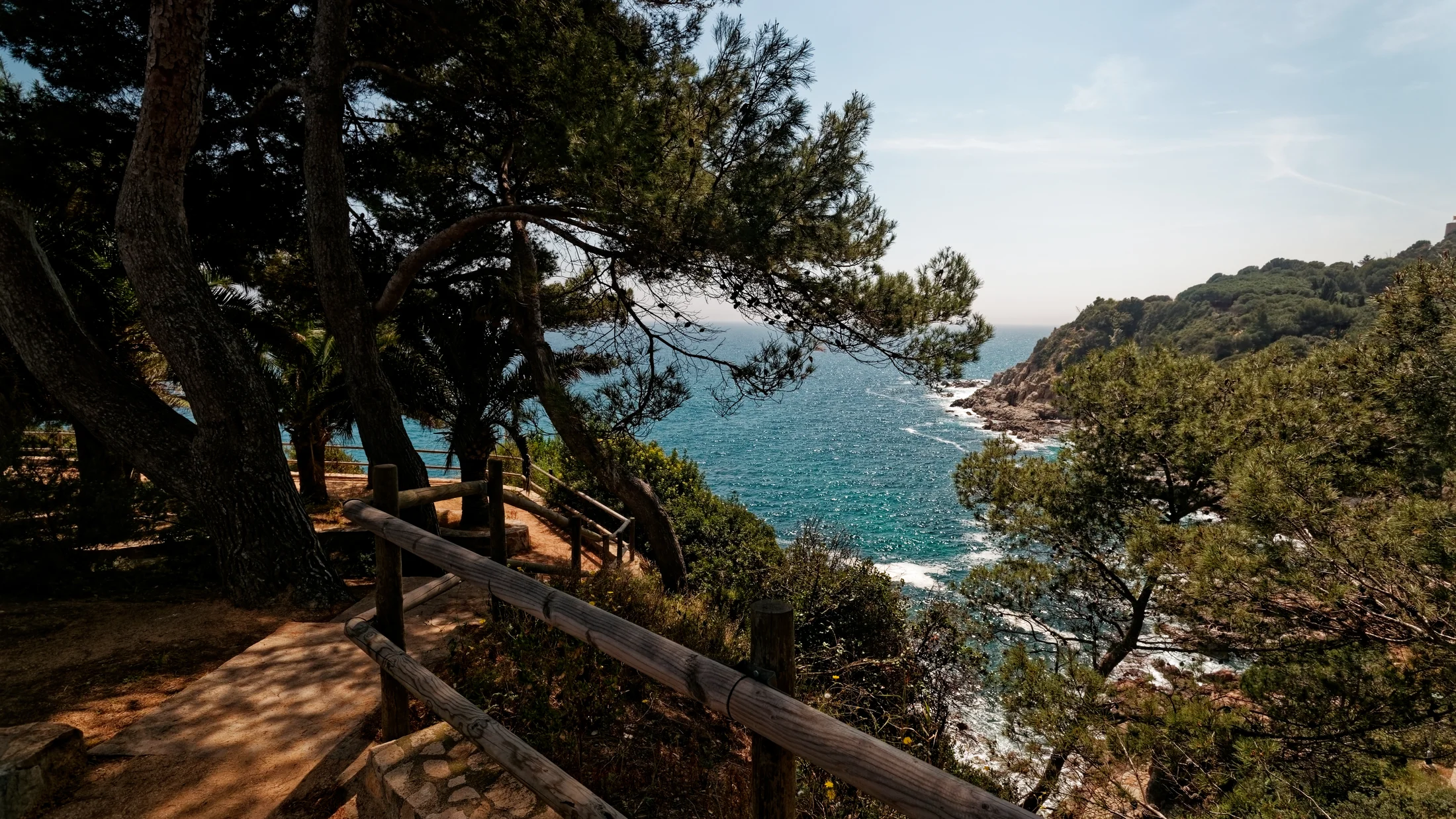
The Spanish Mediterranean has water sports for all levels and budgets, from gentle cruises to high-adrenaline wind activities, always with safety as a priority. The water smells of salt and the light breeze cools you just enough when you step out of the sea.
The selection of the 10 activities is made using six criteria: accessibility (ports and beaches with schools), safety (signage, rescue, instructors), diversity of levels (from beginner to expert), seasonal availability (from spring to autumn), infrastructure (rental, showers, parking), and value for money. For each activity, it indicates where to practice it, how much it costs, when to go, who it is suitable for, and what to do step by step.
The sea temperature between June and September is usually between 22–27 °C, and in winter between 13–15 °C. The peak water temperature usually arrives in August or September, and enclosed and shallow coves warm up faster than open bays. Watch out for land winds (poniente, terral): they can displace the warm water and quickly bring cold water from the bottom.
Book in advance during high season and confirm schedules with operators before travelling.
Picuco te puede ayudar
Does something here catch your eye?
Tell us.
Write to us on WhatsApp or email: we answer questions, find the best options and help you sort out the booking.
Ten sports to enjoy the warm sea
1) Snorkel: clear seabeds and life at surface level
With a mask and a snorkel, you can see the closest Mediterranean without needing to dive deep. Snorkelling is the entry point for children and beginners in protected seabeds.
In Formentera, Es Caló and Cala Saona have very clear water. On the Costa Blanca, the Tabarca marine reserve can be reached by boat from Santa Pola or Alicante: the journey takes about 20 minutes.
The best time is from May to October, when the sea is warmest. Avoid days with swell or strong winds.
You can explore coves following the coast at shallow depths and look out for Mediterranean tapeweed, a key marine plant for the ecosystem, as well as sargo, Mediterranean rainbow wrasse and saddled seabream. Carry a buoy, keep your distance from boats and respect the wildlife: do not touch purple sea urchins or nudibranchs and watch out for currents at rocky points. Guided trips should be booked in advance.
2) Paddle surf (SUP): calm panoramas and your own pace
Paddle surfing (SUP) consists of paddling while standing on a stable board to see the coast from a different perspective. On the Costa Blanca, summer mornings are the best times due to the gentle breeze and calm sea.
In Alicante, Jávea and Altea, you can practice paddle surfing, with routes such as the one from Granadella cove to the Cabo La Nao caves in Jávea. In Dénia, you can practice paddle surfing, and the Montgó Reserve covers land from the municipalities of Jávea and Dénia.
The natural park limits access to a maximum of 300 visitors per day, with bookings available up to ten days in advance and one booking per person.
From spring to autumn, choose the early hours of the day and days without swell. Hourly rental costs 12–20 € and a 60–90 min introductory class costs 25–40 €. It is suitable for all levels and families; SUP yoga is for advanced users.
You can do coastal routes between coves with swimming breaks, excursions to nearby islets combined with snorkelling, or variants such as SUP touring (long routes) and SUP race (more technical and physical). Use a leash and a life jacket in open sea, and check the forecast wind: 8–15 knots can make the return trip difficult. It is advisable to choose spots with direct access to the water so you don't have to carry the board long distances.
3) Coastal kayaking: caves, arches and hidden coves
The kayak goes where the motorboat cannot, at the rhythm of your paddle and without noise. It is an option for couples and active people who want to explore the coast up close.
On the Costa del Azahar, in Peñíscola, the coast is low and rocky and in some points has high cliffs. In Ibiza, the cave route starts from Cala Codolar: 2,5 hours, easy difficulty and suitable for families.
You can enter caves with a torch, stop to go snorkelling or do a half-day trip with a picnic in a sheltered cove. Renting a simple kayak for 2 h costs about 40 €; a guided half-day route costs between 35 and 60 € per person with equipment included.
Respect the yellow swimming buoys and the nautical lanes, watch the currents at the capes and wear a helmet in low caves. Before setting off, check the restrictions of the marine reserves.
4) Diving: walls, meadows and wrecks with certification
The Costa Brava concentrates some of the most well-known spots: Illes Medes, a reference reserve, and Cap de Creus.
Indicative prices help you decide: a discovery dive costs 60–90 €, a certified guided dive 35–50 €, full equipment rental 32 € per day and a PADI/SSI Open Water course 350–490 €.
You need a minimum Open Water certification, and Advanced for caves and wrecks.
Before booking, demand qualified and insured instructors, check the depth limits and respect the park rules, such as the quotas in Medes. Do not touch the flora or the fauna.
5) Windsurfing: speed with a sail on open beaches
A light board and a responsive sail are enough to turn the breeze into traction. Windsurfing is learned in the flat water of Mediterranean bays and is enjoyed in the chop, once you have mastered the plane.
As you accelerate, the mast vibrates and the cold spray stings your face.
Spring and autumn bring moderate winds. In summer, thermal winds of 20–25 knots arrive in the afternoon; in the morning the wind is usually light, ideal for beginners. The Tramontana (north/northwest) blows mainly in cold months, although it can appear in summer with 25–30 knots.
There is space for all levels: beginners with a school, intermediates in freeride and advanced in slalom or freestyle. Progressive classes lead up to reaching and gybing, and afterwards you can work on slalom in flat water and manoeuvres in light chop.
Full equipment rental costs about 20 € per hour, with discount passes. Always wear a life jacket and, on windy days, a helmet. Do not go far away with a land breeze (blowing from land to sea), because it makes the return difficult.
6) Kitesurf: wind, technique and flights over the coast
The Ebro Delta is the classic kitesurfing spot in Spain: wide beaches, shallow waters and thermals that blow consistently. You can progress quickly there and add wind-based activities.
The best-known spots are Trabucador beach and Riumar beach, in Tarragona, with buoyed areas for launching the kite. Other coastlines with stable thermals and authorised schools are also suitable for starting out.
The best time is from spring to autumn, when the thermals intensify; avoid storms and tempests. The kite crackles, lifts you gently and the water hits like glass under the board.
Kitesurfing requires good physical condition, and safe initiation is only done with a school. In the courses, you work on freeride, jumps (jumping) and supervised downwinds, with weekend or 3-day intensives.
Sessions last a minimum of 2 hours a day and the available schedule is from 09:00 to 21:00. Use authorised launch zones and respect bathers; check the wind reports from AEMET and local anemometers, and ask about liability insurance.
7) Sailing and trips in a sailboat/catamaran: from cruising to regatta
A sailboat leaves the port of Ibiza and sails to Illetes, in Formentera. Sailing is practised in the Spanish Mediterranean with sailing itineraries, and a full-day charter of 35–45 feet with a skipper costs between 450 and 900 €.
If you want something longer, there is a 2 or 3-day weekend route of 70 miles from Palamós to Cadaqués.
The plan suits groups, families and couples looking for something relaxed or to celebrate something special. In summer the sea is gentler for families; in winter or spring it is a good time for half-day routes.
With a skipper, no licence is needed; without a skipper, a Navigation Licence, PNB or PER is required depending on length and distance. Before setting sail, there is an initial briefing, life jackets on board and up-to-date weather reports.
8) Parasailing: effortless aerial views
Parasailing costs between 50 and 80 € per person. It is a short and very visual trip: you fly for about 10–15 minutes and return to the same point.
Up to three people can fly at a time, subject to combined weight limits.
The indicative price is 50–80 € p.p. per flight, with optional photos and video. It suits couples, families with teenagers and travellers with little time, and it can be combined with a boat trip or a swim at anchor.
Choose the mornings or the late afternoon, when the sea is calmer. Before going up, you are given a life jacket, a harness in good condition and a briefing on procedures; the captain decides whether to fly depending on the wind and the state of the sea.
9) Wakeboarding and water skiing: traction and tricks behind the boat
A boat pulls you and, in half an hour of a session, you are already standing up on the board. Wakeboarding and water skiing are traction sports behind a boat or on a cable circuit, and with practice, the jumps arrive.
They fit perfectly into a plan with friends or for those looking for controlled wind activities, with basic instruction for beginners. The pull of the rope lifts you and the warm spray surrounds every landing.
They are practised in sheltered bays with little traffic, in yacht clubs and with operators in Costa Brava, Costa Blanca and the Balearic Islands. There are also cable parks in lagoons and marinas with cable circuits.
Look for flat waters and without strong wind, preferably in the early hours of the day. Start by getting out of the water and changing edges, continue with small transitions and, when you have the level, try the modules on the cable.
Safety comes first: helmet and life jacket are mandatory, communication by signals with the skipper and respect for the distances with swimmers and marked areas. To use the cable park obstacles, suitable equipment is mandatory.
Children from 5 to 10 years old must be accompanied by an adult. Vouchers expire one year after purchase, and the Wakecamp gives classes from Monday to Friday in groups of 5 to 7 people.
10) Boat trips and coastal nature: snorkelling, birds and cliffs
A boat takes you in half an hour to see sea caves, cliffs and Mediterranean tapeweed meadows without getting you wetter than your feet. It is the most comfortable option for families, photographers and those who want to see birds in marshes and dunes.
One example is a boat trip with explanations about the flora, fauna and the history of Peñón de Ifach. The smell of salt and mild diesel mixes with the cry of the seagulls when turning.
The excursion accepts children from 5 years old and cancellation is free up to 24 hours before. June, September and the first fortnight of October are the months with the least wind; resident birds can be seen in the wetlands all year round.
Before booking, choose operators with good practices: anchoring on sand and not on Mediterranean tapeweed, small groups. Pick up your waste and avoid creams with non-biodegradable filters before bathing.
Map of key locations in the Spanish Mediterranean
From north to south, the Mediterranean coast brings together schools, ports and good waters for water sports. Each area has its speciality, and knowing this saves you travel time.
In Calpe, Peñón de Ifach is the symbol of the town and hosts the highest cliff in the Spanish Mediterranean. Altea is known as the “dome of the Mediterranean” because of the structure of its Iglesia de Nuestra Señora del Consuelo.
Explore the coast, touch every pine and check the distance from your accommodation.
The sunset light paints the ports orange while you decide on the route for the next day.
Practical tips for choosing an activity and equipment
Choose according to your level, your time, and whether you are looking for relaxation or action. For tranquility, snorkel, paddle or sailing at sunset; for wind activities, windsurfing, wake or kitesurfing with a school.
The budget changes significantly depending on what you do. A snorkel costs between 10 and 20 € for rental and a shared tour, 25–60 €. A SUP or a kayak costs 15–40 €, and a basic course, 35–70 €. If you go for private sailing, kitesurfing or diving packs and courses, count on 250–900 € per person.
Wear lycra or thin neoprene (2–3 mm in spring/autumn), a cap, polarised sunglasses and booties. Add mineral sunscreen, a dry bag, water and a salty snack.
If you are starting out, rent and try different sizes and brands. Buy when you practise frequently and ask for inspected second-hand gear.
When choosing a school or operator, look for certifications (PADI/SSI in diving; qualified instructors in sailing, kite or windsurfing). Check recent reviews and the student/instructor ratio, and confirm cancellation conditions and included insurance.
To combine activities, alternate early mornings of SUP or snorkel with afternoons of sailing. Reserve a windy day for kite or windsurfing and a calm one for kayak. Check availability on Picuco and adjust the plan according to the AEMET forecast 48–72 hours before.
Safety, permits and local regulations
Before entering the water, check the beach flag: green allows swimming, yellow asks for caution and red prohibits it. Safety is supported by three pillars: information, equipment and respect for regulations.
Marked swimming areas are closed to boats and boards. If you sail parallel to the coast, maintain a minimum distance from swimmers and reduce speed in ports, normally to 3–5 knots. Kitesurfing and windsurfing use designated lanes and areas: follow the municipal signage.
In marine reserves such as Illes Medes or Tabarca, diving requires quotas or authorised centres, so find out before your trip. In Tabarca, recreational fishing is prohibited throughout the reserve and the extraction of organisms (algae, shells, etc.) or material from the seabed without strict authorisation is prohibited. There, anchoring is prohibited except in emergencies, and recreational diving boats cannot carry fishing tackle.
Anchor on sand or on authorised buoys and avoid Mediterranean tapeweed meadows. Always wear a life jacket during towed or wind activities, a leash on SUP and a helmet in a cable park or low caves. Plan your departure and return with the forecast wind and swell, and communicate your plan to someone on land. In summer, carry water, shade and electrolytes: heatstroke is frequent.
Verify the operator's civil liability and accident insurance; for diving, demand specific coverage. Consult local sources (AEMET, Puertos del Estado, natural parks) to adjust your daily plan.
In marine emergencies, call 112 or 900 202 202 to notify the Rescue Centres. On a boat, use VHF channel 16 if applicable.
Frequently asked questions
What should I bring for a day at sea?
Bring mineral sunscreen, water, a salty snack, a cap, polarised sunglasses and a dry bag. With that, you cover the basics to spend hours by the water without carrying too much.
In spring and autumn, a thin 2–3 mm neoprene helps to endure the water.
Is there a minimum age to participate?
The minimum age depends on the activity and the operator. Snorkelling and boat trips welcome families with children, normally from 5 years old with a life jacket. Kite, wake and diving establish minimum ages and authorisations; it is advisable to confirm them before booking.
Do I need a qualification to rent?
To rent SUP, kayak or snorkel, no qualification is needed. Just arrive at the rental point and follow the staff's instructions.
To rent sailing without a skipper or motorboats or dinghies, a licence is required: PNB or PER depending on length and distance. Ask at the club or the rental company which qualification fits the vessel you want to take.
In diving, autonomous dives require certification; without it, you can do a discovery dive. The discovery dive is done with an instructor and usually takes half a day, so book it in advance during high season.
When is the best time?
From May to October the water is warm and there is light until late, with peaks of crowds in summer. That is the best window for most water sports in the Spanish Mediterranean.
If you are looking for wind for kite and windsurf, aim for spring and summer afternoons, when the thermal winds arrive. Before heading out, check the AEMET forecasts.
How do I book in advance?
First, choose the area and the activity you want to do. This way you narrow down your search and compare similar options.
Check the weather forecast 48–72 h before and book your spot. In high season, book with a few days to spare: the most in-demand departures fill up quickly.
Before paying, confirm that the cancellation policy is flexible due to weather. If the wind or the swell changes the plan, you will want to be able to move the date without losing your money.
Which insurance is best for me?
Before booking, ask the operator to include civil liability (CL) and accidents in the activity. This way you cover damage to third parties and any bumps during the outing.
For diving, look for specific coverage, by day or annual. If you are sailing on your own, consider nautical insurance with assistance.
How do I minimise environmental impact?
Mediterranean tapeweed is the first thing to look after: do not touch or step on it, and always anchor in sand. Use sunscreens that are respectful of the marine environment and have them on before entering the water.
Take your waste with you and avoid feeding the wildlife. When you book, choose operators with small groups and good environmental practices.
Book your experience — discover active tourism activities in Spain with providers verified by Picuco.
Conclusion
The Spanish Mediterranean has warm waters, protected coves and fishing communities that keep the coastline alive. Ten possible plans: snorkelling, SUP, kayak, diving, sailing, parasailing, wake, windsurf, kitesurf and nature trips.
The fresh foam on your skin when getting out of the water summarises that mix of summer and freedom.
Plan according to your level, the AEMET report and the areas that best fit your trip. Respect flags, Mediterranean tapeweed and bookings so that others can enjoy the same thing tomorrow.
Choose an activity and dates, compare options on Picuco and confirm your spot with plenty of margin during high season.