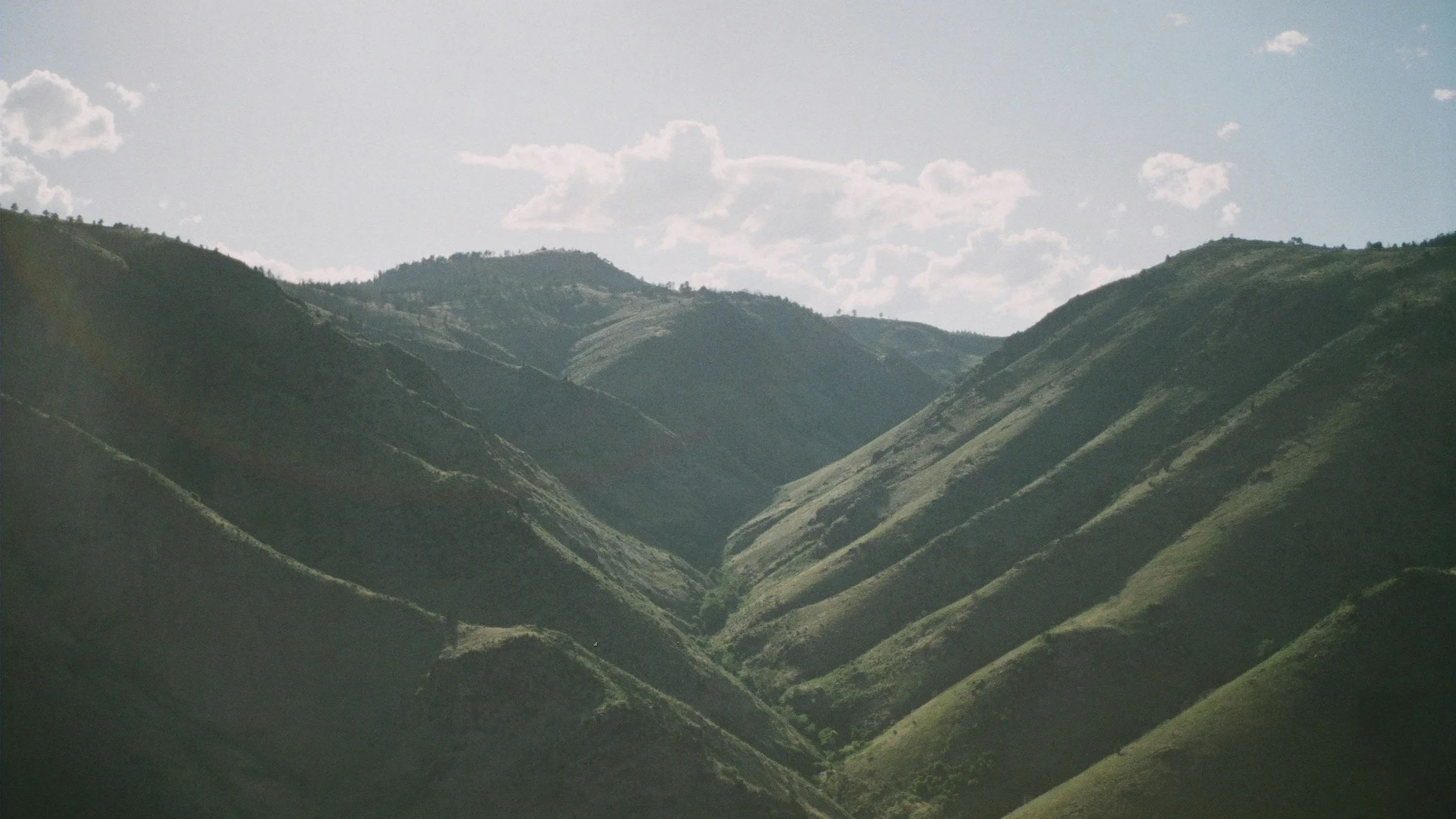
Why High-altitude Villages Make Smart August Escapes
You’re here for cool air and unhurried days when the plains swelter. In this guide, you’ll find seven villages above 1000m Spain that stay comfortable in August and offer real things to do, from river dips to mountain trails. Higher altitude means lower temperatures because air cools as it rises; AEMET and standard mountain climatology place the environmental lapse rate at roughly 0.6–0.9°C per 100 m, so a 1,400 m village can be 8–12°C cooler than a seaside city at the same latitude. Think of walking out at dusk and feeling a dry, pine-scented breeze on your skin.
We picked each place by five clear criteria to help you escape the heat August Spain without guesswork:
- Altitude over 1,000 m (verified with Instituto Geográfico Nacional topographic data).
- Summer activities worth the trip (trails, rivers/embalses, culture).
- A range of rural stays (from hostales to casas rurales and campings).
- Reasonable access from major cities by car or public transport combinations.
- Local stewardship and responsible tourism potential (park rules, marked paths, water use).
Here’s what you’ll get in each entry: precise altitude, why it stays cool in August, who it suits (families, couples, hikers, water lovers), activity ideas, and a price range to plan your budget. We add practical tips on what to pack, when to go out to catch the freshest hours, and how to book popular services like park shuttles or guides. In one look, you can compare microclimates, activity density, and logistics.
If you’re searching for cool summer villages Spain where the day starts with a sweater and ends with a stargazing walk, keep reading. You’ll find high-altitude rural retreats Spain with real character, cared for by communities who know the mountains best. The clink of a glass on a stone terrace at 1,300 m sounds like relief itself.
Picuco te puede ayudar
Does something here catch your eye?
Tell us.
Write to us on WhatsApp or email: we answer questions, find the best options and help you sort out the booking.
Seven Cool Villages Above 1,000 M
1) Valdelinares (teruel): A Breezy Refuge in the Sierra de Gúdar
At 1,692 m, Valdelinares is Spain’s highest municipality, and August here usually means crisp mornings and mild afternoons. The Sierra de Gúdar’s open ridges and black pine (pino negro) forests funnel airy nights, making it one of the pueblos frescos agosto that locals quietly recommend. Pine resin warms on the sun and scents the tracks like a gentle campfire.
- Altitude and climate: 1,692 m; expect daytime highs around 18–24°C in August with diurnal swings, so bring layers.
- Why it’s cool: Elevation and exposure; the plateau catches breezes and sheds heat fast after sunset.
- Activities:
- Short trails through high forest and meadows; dawn wildlife watching for roe deer and birds of prey.
- Natural bathing options within a short drive along the Mijares headwaters and mountain pools.
- Evening skywatching: minimal light pollution and often crystal clarity after 21:00.
- Ideal for: Families wanting easy trails, couples seeking silence, and hikers who appreciate uncrowded paths.
- Prices (August, orientative):
- Hostal/casa rural double: 60–110 € noche.
- Camping cabin nearby: 55–95 € noche; tent pitch 15–30 €. Confirm current rates locally.
- Practical notes:
- Access: From Valencia (2 h 20 min) or Teruel (1 h 15 min) via A-23 + A-228; last section is mountain road but well maintained.
- Bring a light jacket for evenings; 8–12°C at dawn is common at this elevation.
- Respect water-saving measures; summers are dry on the Iberian System.
- Good to know: This is one of the classic pueblos por encima de 1000 metros where summer still feels like mountain summer, not late spring.
2) Benasque (huesca): A Pyrenean Base With Options for Everyone
Benasque sits at around 1,130 m, cradled by the Posets-Maladeta massif and its glaciers, which temper summer heat with katabatic breezes after sunset. August days are lively with cafés and gear shops, but step one street away and you’ll hear the Río Ésera murmuring over round stones. The air smells of cold water and sweet hay after the afternoon showers.
- Altitude and climate: ~1,130 m; typical August highs 21–26°C, cooler at dawn/evening.
- Why it’s cool: Glacial valleys, shade-rich side canyons, and frequent evening cooling.
- Activities:
- Trekking from easy to expert: family loops near Cerler, mid-level routes to Ibón de Batisielles, and high-mountain for strong hikers in the Posets-Maladeta Natural Park.
- Canyoning (barranquismo) in Ésera tributaries with certified guides; MTB and e-bike routes.
- Culture: Summer markets, local cheese and honey producers, and village festivals (check municipal calendar).
- Ideal for: Families needing varied options, mountain lovers eyeing longer treks, and cyclists.
- Prices (August, orientative):
- Apartments/rural stays: 80–160 € noche (2–4 pax).
- Hostales/hotels: 75–140 € habitación doble. Confirm on-site in peak weeks.
- Practical notes:
- Access: From Zaragoza (~3 h) via A-23/N-260; from Barcelona (~4 h 30 min) via A-2/C-13/N-260.
- Freshest hours: start early (7:30–11:30) and enjoy a second window after 18:30; midday is perfect for river dips.
- Consider the
GR-11segments for well-marked paths and clear wayfinding.
- Local tip: Friday or weekend farmers’ stalls bring Tena and Ribagorza produce—arrive early before hikes to pack picnic essentials.
3) Torla-ordesa (huesca): Gateway to Ordesa With Gentle August Temperatures
Perched around 1,033 m, Torla sits at the mouth of the Ordesa y Monte Perdido National Park, where cliff-shadowed valleys hold onto cool, moist air. Even in August, mornings often call for a fleece, and the Río Ara runs pure and cold beneath ash and beech. The canyon’s stone breath is like opening a cellar door on a hot day.
- Altitude and climate: ~1,030 m; August highs commonly 20–25°C, cooler in the Ordesa valley shade.
- Why it’s cool: North-facing valley walls, dense forests, and abundant cold water flow.
- Activities:
- Family-friendly walks to
GR-11viewpoints, the Bosque de las Hayas, and riverbank promenades. - Guided nature walks and photography outings; rafting options downstream on the Ara (check age limits).
- Scenic vistas: Miradores de Ordesa reachable with effort or guided support.
- Family-friendly walks to
- Ideal for: Families, first-time Pyrenees visitors, and hikers seeking classic scenery on marked trails.
- Prices (August, orientative):
- Hostales/casas rurales: 70–130 € doble.
- Apartments (2–4 pax): 90–170 € noche. Book ahead for mid-August.
- Practical notes:
- Park access: In high season, private vehicles are restricted; use the Torla–Ordesa shuttle bus to the Pradera (reserve your slot on peak days).
- Start early to beat lineups and enjoy the coldest air; water-proof layers help with valley mists.
- Bring cash for small village shops; card acceptance varies.
- Community note: Trails are maintained by park staff and local volunteers—stay on paths and pack out all litter to keep Ordesa wild.
4) Candelario (salamanca): Serrano Charm and a Cool Break
Candelario rests near 1,130–1,140 m on the northern slopes of the Sierra de Béjar, where stone alleys, wooden balconies, and “batipuertas” (split stable doors) tell of winters that shaped summer life too. August afternoons stay pleasant, and nights can be fresh enough for long sleeves. After sunset, chestnut groves exhale a damp, leafy smell.
- Altitude and climate: ~1,135 m; August highs often 22–27°C, with quick evening cool-downs.
- Why it’s cool: Altitude plus wind corridors from Béjar summits and shaded, narrow streets.
- Activities:
- Gentle routes from La Plataforma de El Travieso to viewpoints; stronger hikers can aim for the Lagunas del Trampal or Hoya Moros (glacial cirque).
- River dips within 30–60 minutes’ drive in the Béjar–Gredos foothills; municipal pools as a backup.
- Cultural walks: traditional architecture, local charcuterie heritage, and small museums.
- Ideal for: Couples on a slow weekend, families wanting cobbled-village ambience with nearby nature, and moderate hikers.
- Prices (August, orientative):
- Rural guesthouses/hostales: 60–110 € doble.
- Entire rural homes: 120–200 € noche (4–6 pax). Reserve early for mid-month.
- Practical notes:
- Access: From Salamanca (~1 h), Madrid (~2 h 30 min) via A-50/A-66 then local roads.
- Waymarking: Trails range from well-marked to local paths—carry an offline map or GPX.
- Sturdy shoes help on cobbles and steep lanes; some streets are car-free or narrow.
- Community note: Respect siesta hours; sound carries between stone walls, and residents prize calm.
5) Capileira (granada): Pure Air in the High Alpujarras
Capileira clings to the Poqueira gorge at around 1,430–1,450 m, within the Sierra Nevada National Park’s cultural landscape of terraces and acequias. Its altitude and canyon airflow moderate August heat, while whitewashed walls reflect sun and keep interiors cooler. You’ll catch the sweet smell of baked bread and thyme on morning breezes.
- Altitude and climate: ~1,436 m; August highs 20–26°C, very cool nights.
- Why it’s cool: High elevation, canyon venting, and dry air; quick temperature drop after sunset.
- Activities:
- Riverside walks along the Río Poqueira and irrigation channels; picnic at shaded spots with stone footbridges.
- Cold-water dips in higher pools above the village (seek safe eddies, not torrents).
- Gastronomy: mountain stews, cheeses, and air-dried ham; craft shops highlight jarapas (woven textiles).
- Trails: Link sections of the
GR-240(Sulayr) for panoramic loops.
- Ideal for: Couples, hikers wanting mid-level routes, and photographers chasing white villages and high peaks.
- Prices (August, orientative):
- Rural hotels/hostales: 70–130 € doble.
- Apartments: 80–150 € noche (2–4 pax). Check pet policies if traveling with dogs.
- Practical notes:
- Access: From Granada (~1 h 30 min) via A-348; winding final section—drive unhurried.
- Sun is high even if air is cool: bring hat, SPF 50, and light long sleeves.
- Book weekend dinners and stays a week or two in advance.
- Stewardship: Irrigation channels sustain ancient terraces—do not alter flow or bathe in acequias.
6) Bubión (granada): Big Views and Quiet at High Elevation
Just below Capileira, Bubión sits around 1,300–1,360 m with tiered streets and chestnut-shaded corners perfect for slow afternoons. In August, warm hours are brief, and evenings can demand a sweater for al fresco dinners. At dusk, swifts carve arcs above flat slate roofs like ink strokes on white.
- Altitude and climate: ~1,350 m; August highs 21–26°C, low humidity, brisk nights.
- Why it’s cool: Altitude and valley ventilation, with frequent evening katabatic flows.
- Activities:
- Scenic balcony-to-balcony walk linking Pampaneira–Bubión–Capileira for cafés and craft stops.
- Night-sky observation: clear southern skies and low light pollution; bring binoculars.
- Workshops: weaving jarapas or tasting local olive oils and herbal infusions with village artisans.
- Day hikes on
GR-240spurs above the Poqueira.
- Ideal for: Couples and families seeking slower rhythms and gentle gradients between villages.
- Prices (August, orientative):
- Rural lodgings/hostales: 60–115 € doble.
- Self-catering apartments: 75–140 € noche. Confirm availability over long weekends.
- Practical notes:
- Access: 1 h 40 min from Granada via A-44/A-348; parking is limited near the historic core—use signed lots.
- Streets are steep and stepped: pack light luggage and supportive footwear.
- Afternoon shade varies—choose north-facing terraces for cooler breaks.
- Community note: Many residents maintain terraces and chestnut groves—stay on paths and gate respectfully.
7) Sallent de Gállego (huesca): Mountain Energy and Nearby Water
Sallent de Gállego, at roughly 1,305 m, faces high ridgelines and the Lanuza reservoir, where water activities offset warm hours. Even in August, mornings feel alpine, and by evening a jacket is welcome on the riverside promenade. The smell of wet stone rises as paddles drip onto the dock.
- Altitude and climate: ~1,300 m; August highs 20–25°C with refreshing lake breezes.
- Why it’s cool: Elevation, reservoir microclimate, and shade lines from the nearby peaks.
- Activities:
- Kayaking, paddleboarding, or easy shoreline swims on Embalse de Lanuza (lifeguard coverage varies; check local notices).
- Family hikes to ibones (alpine lakes) and ridgeline viewpoints; lift-assisted options from the Panticosa cable car (20 min by car) when operating in summer.
- Cycling routes across valley floors and gentle climbs; summer festivals often include outdoor concerts.
- Ideal for: Families and active travelers mixing water and trail time.
- Prices (August, orientative):
- Hotels/hostales: 80–150 € doble.
- Apartments: 90–170 € noche (2–4 pax). Pre-book for mid-August weeks.
- Practical notes:
- Access: From Zaragoza (~2 h 30 min) via A-23/N-330; final stretch is mountain road with occasional summer works—allow buffer time.
- Reserve watersports slots and lift tickets ahead on busy weekends.
- Early/late windows (8–11 and after 18:30) deliver the best cool-air experiences.
- Stewardship: Keep to marked shores and respect fishing zones; the reservoir is shared by multiple users.
How to Read Each Village Entry
We designed each profile to help you scan fast and choose well. First comes location and altitude, measured in meters above sea level; altitude matters because every 100 m typically lowers air temperature by 0.6–0.9°C. Next you’ll see a brief climate note explaining why that specific setting runs cool in August—valley airflow, forest shade, or proximity to high ridges. Picture stepping outside at 7 a.m. and feeling a surprising chill on your forearms.
We state a price range as an August guideline, which is peak season in many mountains. Treat it as orientative, not a quote; final prices vary by room type, services, and dates. “Ideal for” clarifies traveler profiles and effort levels—families with strollers, couples after quiet corners, hikers looking for GR-grade days, or swimmers seeking safe river stretches. Activities then summarize what’s most rewarding on a short stay: two to four concrete things you can actually do, with a note on where and when they shine.
Use these entries to line up your preferences quickly:
- If your priority is cool nights and village charm, start with altitude and “ideal for.”
- If adventure is the focus, scan the activities and any
GRor lake references. - If budget leads, compare the price bands and accommodation types across entries.
Interactive Map to Pin Your Route
Our interactive map layers make logistics easy when mountains add curves to timelines. You’ll find altitude shading, access roads, public transport nodes (bus stops and seasonal shuttles), and key points of interest like reservoirs, family-friendly trailheads, and village parking areas. On desktop, toggle layers and use the distance tool to estimate real drive times between stays; on mobile, pinch to zoom and tap icons for brief notes. Imagine tracing a blue route along a ridge and seeing shaded valleys deepen as you zoom in.
Filter by:
- Distance from your base city (2–4 h sweet spot for weekenders).
- Activity type (water, hiking grades, culture).
- Accommodation clusters to balance availability and quiet.
For deeper planning, open the Google Maps layer to save locations or download GPX files for marked trails like GR-11 and GR-240 segments. The map keeps your August days smooth by showing where cool air, safe swims, and good paths meet.
Standout Activities in Villages Above 1,000 M
Mountain villages aren’t only about cooler thermometers; they concentrate summer activities when rivers shrink and plains bake. Hiking leads the list, with everything from stroller-friendly riverside loops to serious alpine days. In Benasque, well-marked paths climb to ibones like Batisielles; in Torla-Ordesa, family circuits through beech forest on the GR-11 keep shade above and river song beside you. Picture a ribbon of white water glimpsed through trunks, your hands cool on the bark at rest stops.
Water breaks shape the best afternoons. Sallent de Gállego’s Embalse de Lanuza is prime for kayak and paddleboard sessions, while high Alpujarra pools near Capileira offer cold, clear dips—always choose calm eddies, never crowded or fast-flowing sections. Many municipal pools open daily in August as a reliable fallback for families on windier days. For culture, Candelario’s carpentry and culinary traditions fill an easy half-day, and Bubión’s artisan workshops in weaving or olive tasting turn a warm hour into a shaded learning moment.
Adventure seekers can schedule canyoning (barranquismo) in the Ésera valley near Benasque, lift-assisted panoramas from Panticosa’s cable car in Tena, or paragliding experiences in select Pyrenean areas with certified pilots. Always check age, weight, and fitness requirements; “via ferrata” routes, for example, are protected climbing paths fitted with a steel cable and rungs—great fun with a guide, but they demand a head for heights and proper gear.
For low-intensity plans, consider sunrise birdwatching in Valdelinares’ high forests, village-to-village strolls in the Poqueira valley, or evening astronomy sessions where light pollution is minimal. To secure peak-week slots and keep standards high, book guides and activities with providers holding recognized certifications; confirm current options on Picuco before you set off.
Practical Tips to Choose and Plan
Match your pick to your people and your time. Families after simple days and safe swims gravitate to Sallent de Gállego, Torla-Ordesa, or Benasque; couples chasing village ambience and long dinners should look at Bubión, Capileira, and Candelario; hikers wanting elevation and quiet may love Valdelinares. Consider drive time and spread plans across cool hours—early mornings for trails, late afternoons for water or markets. The scent of coffee at dawn tastes better when the thermometer reads 12–14°C.
Build your August checklist:
- Check weather and park notices 48 hours out (storm risk rises with heat).
- Book stays and key activities 1–3 weeks ahead for mid-August.
- Insurance: ensure it covers mountain sports if you plan canyoning or ferratas.
- Assess fitness honestly; choose rated routes and ask locals about current conditions.
- Pack layers: light puffer or fleece, breathable long sleeves, sun hat, SPF 50, and river shoes.
- Hydration: 2–3 liters per person for mid-level hikes; water sources can be seasonal.
Transport shapes budget and pace. If you lack a car, target valleys with reliable bus links and seasonal shuttles (Torla-Ordesa, parts of Tena and Benasque). Aim for towns that pack activity variety within 15–30 minutes’ reach to minimize midday transfers. Above all, keep it flexible—mountains change by the hour, and that’s part of the magic.
Getting There and Transport Options
By car, most of these high villages sit 2–4.5 hours from major cities on a mix of motorways and scenic secondary roads. Expect the last 20–60 km to be winding—average speeds drop to 50–70 km/h, so add buffer time. Early morning departures dodge heat and traffic, and arriving before lunch helps with parking. Roll down the window on the final climb and smell resin, pasture, and cold rock.
Public transport combines rail and bus: regional trains to provincial hubs, then intercity or regional buses into valleys. In summer, park shuttles and seasonal lines add capacity—Torla’s Ordesa bus is the classic example. Shared transfers and car hire fill gaps for multi-stop trips; pairing a train to Zaragoza, Huesca, Granada, or Salamanca with a two-day rental often optimizes cost and time.
Practical notes:
- Parking: Use signed lots on village perimeters; many historic centers restrict vehicles.
- Mountain roads in August: Afternoon storms can be brief but intense—slow down on wet tarmac.
- Sustainable choices: Carpool with your group, use shuttles where offered, and plan linear hikes that start/end near stops.
Where to Stay and What It Costs at Altitude
High villages offer a familiar set of mountain stays: casas rurales (entire homes or rooms), family-run hostales/hotels, campings with pitches and cabins, and, in Pyrenees zones, mountain refuges for trekkers. In August, expect:
- Double room in hostal/hotel rural: 60–150 € noche, varying by valley and weekend.
- Entire rural home/apartment (2–4 pax): 80–200 € noche, sometimes higher in Benasque or Tena peaks.
- Camping: 15–35 € pitch; 55–120 € cabin/bungalow. Confirm facilities and pet rules.
Not every property has air conditioning—often you won’t need it at 1,200–1,500 m—so check ventilation, shuttering, and fan availability. Hot water is standard; in refuges, services are simpler and communal. If you travel with pets, ask about size/breed policies, deposits, and nearby shade for midday walks. A woven throw on a terrace bench feels luxurious when the night breeze kicks in.
Booking tips:
- Reserve 2–4 weeks ahead for stays that include the August 15 period.
- Midweek nights are calmer and sometimes cheaper.
- Look for properties within a 10–15 minute walk of trailheads, shuttles, or river access to trim car use.
- Ask hosts about quiet rooms, breakfast times aligned with early starts, and storage for bikes or gear.
Frequently Asked Questions
Is it really cooler in August at altitude?
Yes. Air temperature typically drops 0.6–0.9°C per 100 m of ascent (AEMET/mountain climatology). At 1,400 m you can see 8–12°C less than coastal or lowland cities under similar conditions.
What clothing should I pack?
Layers. Bring a breathable tee, light long sleeves, a fleece or light puffer, windproof shell, hat, SPF 50, and closed-toe shoes for cobbles and trails. Evenings can be 10–15°C.
Are these villages safe for families?
Generally yes; many are small and community-minded. Use signed paths, follow local water-safety advice, and pick municipal pools or calm river stretches for swims.
Do I need to reserve activities in advance?
For mid-August weekends, yes. Book canyoning, lake rentals, guided walks, and park shuttles a few days ahead to secure slots and early time windows.
Will I have mobile coverage and nearby medical services?
Coverage is patchy in deep valleys but solid in villages. Health centers or pharmacies are typically within a 15–45 minute drive; check hours and emergency contacts on arrival.
Good to know
“Via ferrata” means a protected climbing route with a fixed cable and rungs. It’s great with a certified guide and proper gear; ask about minimum age and height.
Book your experience — discover outdoor activities across Spain with Picuco-verified providers.
Conclusion
Choosing best mountain towns Spain above 1,000 m turns August into something else: fresh beginnings, shaded trails, and nights that invite conversation under stars. Each place here balances altitude, access, and activities, with clear price signals so you can match trip style to budget. Picture unrolling a picnic by a cold stream at noon and sipping something warm on a terrace by nine.
Before you go, pick two or three villages that fit your group and time, then pencil in early hikes, late swims, and a cultural stop. Use the interactive map to estimate drives and locate shuttles and river entries, and keep our packing checklist close. If you want structured outings—canyons, lakes, ferratas—reserve ahead for peak dates and ask for certified guides.
When you return, share what worked: the morning loop your kids loved, the pool that was safest, the café that opened early enough for hikers. Your notes help other travelers and honor the communities who keep these mountains welcoming.