Introduction
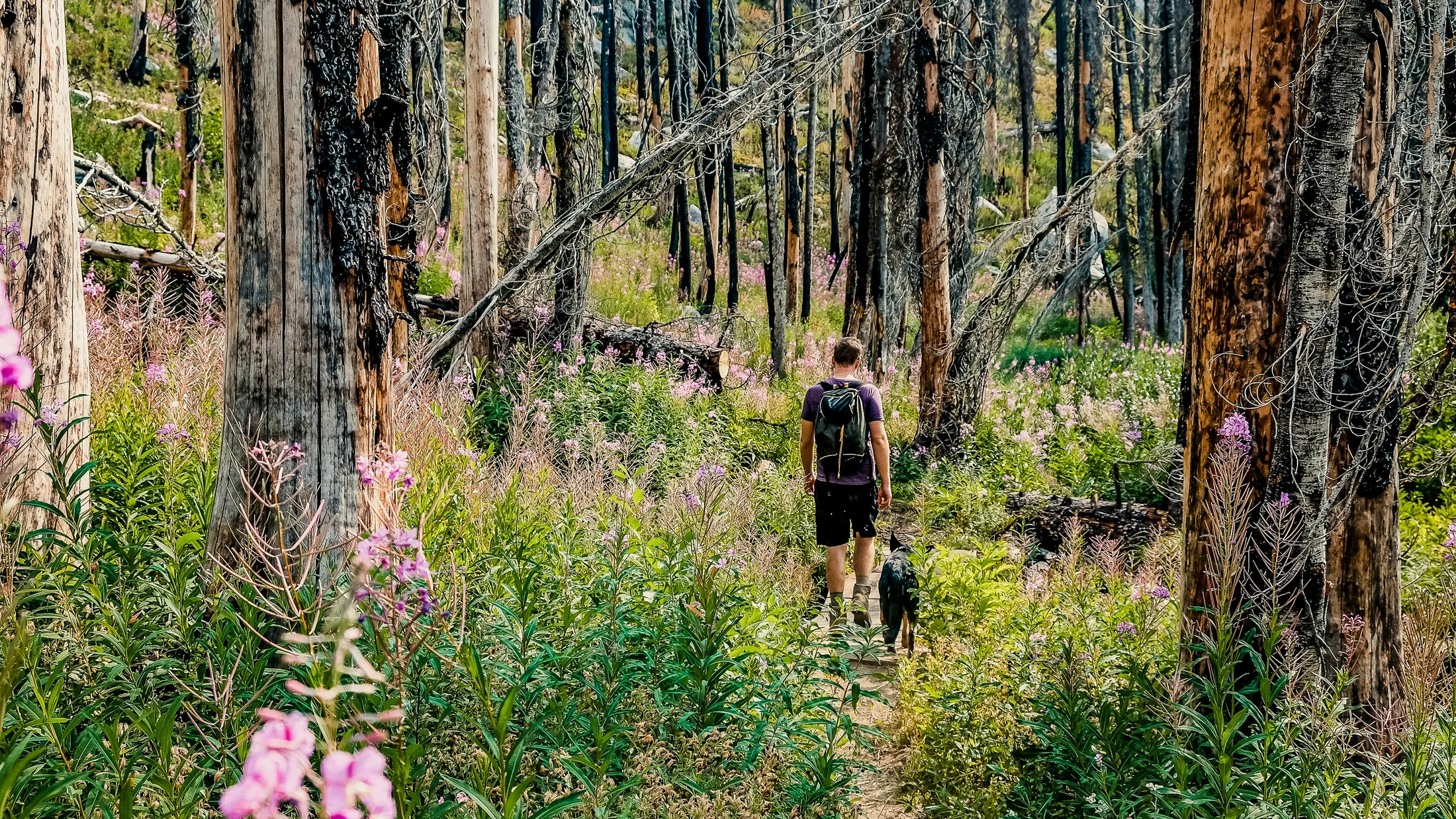
Travelling with a dog through Spain is easier if you choose your destination and accommodation wisely. This guide helps you plan an outing with your dog with safety, respect for nature, and comfort for everyone.
Choosing pet-friendly destinations and accommodation matters for three reasons: the animal's well-being, your peace of mind, and compliance with regulations. Dog-friendly accommodation reduces the dog's stress with permitted spaces, a bed, or bowls. A territory with safe routes and water nearby avoids heatstroke or injuries. And knowing the local rules saves you from fines and bad moments.
The selection prioritises places with reasonably close veterinary services, clear paths, gentle alternatives and, when there is a beach or river, sections enabled for dogs. The criteria are accessibility (road and signage), route quality (elevation gain, surface, shade), available dog-friendly accommodation, veterinary services within a 30-45 minute radius, suitable beaches or rivers, clear local regulations, and a variety of difficulty levels to adapt the outing to the dog's physical condition.
The guide includes specific distances, the best times and safety recommendations. You will hear paws on the wood of a walkway and the murmur of the river in the background.
Travelling with a dog in Spain today
Before setting off, confirm the conditions for your dog with the town hall: regulations change depending on the community and the municipality. On beaches, there are usually specific times or restricted zones during high season, and outside of summer, many sandy areas allow dogs without restrictions.
On trains, Renfe admits pets of up to 10 kg on AVE, Long Distance and Medium Distance with a carrier and a specific ticket, so book in advance. On intercity buses, the rule varies by operator and community.
To sleep, there are hotels, apartments and rural houses that accept pets, with cleaning policies and possible supplements per animal. In natural parks, dogs must be kept on a lead to protect wildlife and livestock.
Plan for water, shade and routes compatible with the dog's physical condition, combining gentle walks and rest.
What you will get and how we choose
Routes with their level and duration, the best time for each area and dog-friendly accommodation with indicative prices: that is what you will find in this guide. It is designed for those who travel with a dog and want to walk through nature without improvising.
Each destination includes the services you should look for when booking, quick safety tips and the local regulations that affect the dog. We also point out places with water, such as rivers or dog-friendly beaches, so you know where to stop halfway through the route.
The selection does not come from a list of brochures. We look at accessibility, the quality of the paths, the real offer of accommodation and the presence of veterinarians in the area. We add municipal and park regulations, and we look for a variety of difficulty so that there are options for both a short walk and a long day.
Picuco te puede ayudar
Does something here catch your eye?
Tell us.
Write to us on WhatsApp or email: we answer questions, find the best options and help you sort out the booking.
10 pet-friendly destinations to explore with your dog
1. Picos de Europa: cool valleys and inspiring summits
If the ground is very abrasive, consider canine boots.
Other gentler options: the Valle de Valdeón – Prada – Posada route covers 16.2 km via tracks and with shade. The Fuente Dé – Hayedo de Pidruecos route is a round trip, with 329 m of positive elevation gain, easy difficulty and 2 hours and 10 minutes of movement.
Bring extra water and do not let your dog drink from or bathe in livestock watering holes. In the National Park, the dog must be on a lead. On the Ruta del Cares, extendable leads are prohibited and fixed leads must measure a maximum of 1.20 metres; drones are only permitted with prior authorisation for limited management or research.
This destination is suitable for dogs accustomed to the mountains and for walkers with good balance. Avoid the Ruta del Cares with very nervous dogs or on a summer weekend due to the crowds. Public transport from Arenas reaches the start of the Ruta del Cares during certain periods of the year.
Check options and policies on Picuco and confirm any supplements.
2. Sierra de Gredos: glacial lagoons and rural silence
The Sierra de Gredos offers you two different days with your dog: one of demanding mountain terrain and another of walks by the river.
The most accessible route is the Circo de Gredos via the lower viewpoints: 7.5 km round trip, or 3.75 km one way, between 3 and 4 hours and easy difficulty, with a steeper ascent in the second section. The itinerary is signposted.
To cool down, the Tormes and Barbellido gorges have natural pools. Respect the signposted areas and do not enter the amphibian ponds.
Confirm beds, bowls and possible charges beforehand.
May-June and September-October are the best dates. Avoid snow if your dog is not accustomed to it and the central hours in summer. Bring a lightweight thermal blanket, paw protector and safety harness, and check the weather report: in Gredos, the weather changes quickly.
In winter, the climb to Laguna Grande requires crampons and an ice axe.
3. Costa Brava (Cap de Creus): rock, wind and salt-sprayed coves
Cap de Creus mixes coastal paths and coves where some municipalities provide canine areas. The waves break against the slate and rosemary accompanies the salt spray.
The classic route goes from Cadaqués to the Cap de Creus Lighthouse via Portlligat, with medium difficulty due to length and sun. The lighthouse is the easternmost point of the Iberian Peninsula and the end of the GR-11.
At Rubina Beach (Empuriabrava), within the Aiguamolls de l'Empordà Natural Park, the 300 metres furthest north are recognised as a "dog beach". In the dog area, animals are not permitted from 1 March to 31 May due to the nesting of the sandwich tern.
Spring and autumn are the best times; in summer, wake up early and bring an awning or parasol to wait in the shade. Avoid cliffs with dogs that pull, bring water and watch out for jellyfish or purple sea urchin in rocky coves. The destination is suitable for sociable and active dogs and for those seeking routes by the sea.
4. Sierra de Cazorla, Segura y Las Villas: clear water and infinite pine forests
The Sierra de Cazorla, Segura y Las Villas is the largest protected area in Spain and the second largest in Europe. It has shaded tracks, accessible rivers and viewpoints, and works well for families with dogs looking for shade, water and calm rural retreats. It has been a UNESCO Biosphere Reserve since 1983.
The Borosa River route to the Cerrada de Elías covers 9-12 km round trip, of an easy-medium level, via walkways and comfortable terrain. You advance between maritime pines and common box with the murmur of the Borosa in the background.
The Tranco – Bujaraiza perimeter route measures 8-10 km, it is circular and of easy-medium difficulty. It has views of the reservoir and viewpoints named after the naturalist Félix Rodríguez de la Fuente. The Bujaraiza Reserve Area is an old village submerged by the construction of the dam.
For swimming, look for stretches of the Borosa and the upper Guadalquivir. Avoid periods of high water levels and respect fishing zones.
Sleep in rural houses in Cazorla, Arroyo Frío, La Iruela or Segura de la Sierra: many allow pets on the terrace and in the living room. The best time is spring and autumn; in summer, focus on riverside routes early in the morning. Keep your dog on a lead and stay alert during the rutting season and hunting season in neighbouring areas, and ask for information at the visitor centre.
5. Sierra de Grazalema: limestone, holm oaks and white villages
The route from Llanos del Endrinal to Puerto del Boyar is 3.1 km of gentle medium level. The Salto del Cabrero, of medium level, leaves from Benaocaz; it is advisable to avoid it during strong winds.
In summer there are few pools, so bring enough water and plan for shade. The dog must be kept on a lead due to the presence of goats and cattle.
Some itineraries require a permit and may restrict access: confirm this at the Natural Park. From 15 June to 15 October, paths may be restricted due to fire risk. Among the paths requiring a permit, the Pinsapar takes 6 hours, is linear and has a very steep ascent at the start; the Torreón is 5 hours round trip with a steep climb.
Ask about common areas and terraces before booking. In summer, shorter routes at sunrise are better.
6. Las Médulas (El Bierzo): reddish sands and ancient sweet chestnuts
Las Médulas is a landscape of reddish hills and sweet chestnuts, declared a World Heritage Site in 1997. It is perfect for a peaceful walk with your dog, taking photos, and resting among the villages of El Bierzo.
In autumn, the ground is covered in dry leaves and the sweet chestnuts turn golden. The terrain is dry and without aggressive rocks, so it is suitable for sensitive paws or older dogs.
The Senda de las Valiñas – Mirador de Orellán is easy, with some steep sections, and features a visitable gallery of about 100 m. The Ruta Perimetral por carreirones leaves from Orellán; it is of an easy-medium level and walks on compact earth between reddish hills and sweet chestnuts, a landscape declared a World Heritage Site in 1997.
You can reach the Mirador de Orellán by car via the LE-6202, with the last km on a track, or on foot from Las Médulas via a marked path of 1.7 km with a constant ascent. There are few fountains on the route: carry 0.5-1 l for every 5 km depending on the temperature.
Inside the Cultural Space, the dog must be kept on a lead and under control, and it is advisable to strictly respect the marked paths. To sleep, look for dog-friendly rural houses in Carucedo, Orellán, or Ponferrada: they usually accept one dog per reservation and charge a cleaning fee. Autumn and spring are the best times; in summer, avoid the central hours due to the dry heat.
7. Bardenas Reales: infinite tracks and clean horizons
In the Bardena Blanca, you can perceive the warm wind and the scent of thyme.
There is no water on the route: calculate 1 l of water per hour for active dogs and avoid days of wind and extreme heat. In summer, leave out the midday hours.
Check the situation in the Natural Park before setting off and keep your dog on a lead to protect the fauna.
8. Sierra Nevada: thin air and Alpujarra villages
Sierra Nevada and the villages of the Alpujarra have moderate elevation changes, nearby services, and cool nights. It is a destination for routes with a dog if you adjust for altitude and temperature.
When passing from 1,500 to 2,500 metres, the air feels drier and cooler. If you are going to exceed 2,200 m, acclimatise in 24-48 h.
The Sulayr GR-240 path circles the massif in about 300 km divided into 19 stages; its name means "the mountain of the sun" in Arabic. The GR-7 crosses the region from east to west.
Near Trevélez, the acequias de careo are medium-level routes with water nearby. Their function is to infiltrate meltwater into the subsoil to recharge aquifers, and the network was perfected during the Andalusi era.
Carry water: in mid-mountain areas there are acequias and streams, but avoid turbid waters after storms and do not let your dog drink from watering holes. Look for dog-friendly accommodation in rural houses in Capileira, Bubión, or Trevélez and ask about non-slip floors and terraces.
The best time is late spring and autumn. In winter, stay at low altitudes if you do not have equipment or experience; in summer, get up early. Watch for excessive panting and rest. In areas of the National Park, the dog must be on a lead and away from the fragile borreguiles. Mulhacén (3,482 m) is the highest point of the Iberian Peninsula.
9. Ebro Delta: dunes, lagoons and calm water
The Ebro Delta has extensive wetlands and long beaches, with gentle walks and water nearby for your dog. It is a destination for dogs that enjoy water and walking a lot without any gradient.
The best-known route is the walk along Punta del Fangar to the lighthouse: 10-12 km over compact sand, medium difficulty due to the sun. Bassa de l'Arena, in Deltebre, is the only beach in the Delta where dogs are allowed all year round. The dog area is limited to the first 500 metres to the south, next to Riumar, and the rest is a nudist beach.
Bassa de l'Arena is more than 3 km long and 40 m wide on average, and fishing and surfcasting are permitted across the entire beach. Potentially dangerous breeds must be kept on a lead and muzzled. In other areas, there are specific sections and seasons for dogs: check before going to avoid fines.
To sleep, look for dog-friendly apartments and houses in Deltebre, Sant Carles de la Ràpita and l'Ampolla; it is advisable that they have a garden or patio. The best time is spring and autumn: in summer, the easterly wind days are tough due to the sun and hot sand.
Respect nesting areas and the dunes, and always keep your dog under control, preferably with a long lead.
10. Montseny and Garrotxa Volcanic Zone: beech forests and extinct cones
An hour from Barcelona, Montseny and the Garrotxa Volcanic Zone combine deep forests and low volcanoes with varied routes to go with your dog.
The most comfortable route is the Fageda d'en Jordà – Croscat circular: 9 km, 280 m of positive elevation gain, about 4 hours, easy level and soft ground. The beech forest, covering about 30 hectares, grows on the Croscat lava flow. Another good option is Santa Pau – Santa Margarida volcano: 8.7 km of easy-medium level due to a short climb, with a Romanesque hermitage in the centre of the crater.
Bring reserve water, because fountains and streams are seasonal and there isn't always water in summer or on the ridges.
Autumn (October-November) is the best time, with the beech forests in their splendour, and May works very well in spring; in summer, Garrotxa is still pleasant in the early hours. In natural parks, the dog must be on a lead and respect must be extreme in grazing areas. Avoid the crowds in the beech forests on autumn weekends.
From Barcelona to Montseny Natural Park there are about 68 km, a journey of approximately 1 h 11 min. The destination is great for families and beginners, with demanding alternatives in Montseny for challenge days.
Location map
The interactive map brings together the locations of the 10 destinations in the article on a single screen. It is useful for seeing at a glance what you have nearby and how to chain several outings with your dog together.
Filter by type of environment (mountain, coast or forest), by route difficulty and by available accommodation. Each pin includes coordinates, estimated times from nearby capitals and links to detailed files.
To use it, filter by "nearby water" if you are looking for rivers or beaches, select your difficulty level and open the file for the chosen destination to see recommendations and booking links. This way you can plan in stages and avoid long journeys on consecutive days.
How to choose your next destination and accommodation well
The ideal destination for you and your dog
Before booking, think about the duo: you and your dog either go at the same pace or you don't go at all. Define their activity level, their endurance and their preferences, and you will know which destination fits.
There are dogs that trot constantly on tracks, dogs that love splashing in rivers and dogs that prefer slow walks in the shade. Choose the route that fits that rhythm and not the other way around.
Age and physical condition rule. Puppies and older dogs need short routes with soft ground, and it is advisable to avoid scree and heat.
In summer, prioritise destinations with rivers, irrigation channels or reliable fountains. In hot areas, look for shade and, if you go above 2,000 m, acclimatise the dog little by little.
Before leaving, locate veterinary clinics less than 45 min away and save their numbers on your mobile. Also check the local regulations: beach hours, dogs on leads in natural parks and permits in reserve areas.
Regarding the terrain, look at safety: avoid ledges with dogs that pull and carry canine boots if the ground burns or erodes. If you are torn between the mountains or the coast, balance the driving distance, budget and what your dog enjoys most: sniffing in the forest, trotting on flat ground or controlled swimming.
Before finalising the plan, answer four questions: will there be water on the route or must I carry it all?, do the elevation gain and distance suit my dog?, do I have a clinic and regulations at hand?, is there a plan B with shade if the temperature rises?
Finding and booking dog-friendly accommodation without surprises
Filter by "pets allowed" on booking platforms and specialised portals, and look for rural listings on park and tourism office websites. Search using the term "dog-friendly accommodation Spain" and prioritise listings with real photos of outdoor spaces and resistant floors.
In local communities and forums there may be useful tips, but always confirm the conditions directly with the accommodation. Ask for the policy in writing: number and size of dogs allowed, restricted areas, supplement and deposit.
Ask about specific services: bed or blanket, bowls, hose, fenced garden and shade. Clarify the rules of coexistence: if the dog can go on the sofa, if it can be left alone and night-time silence.
Also check the cleanliness and possible costs for damages, access to common areas and terraces and the minimum stay in high season. Send the dog's profile (weight and habits) when booking to avoid rejections.
Negotiate long stays without a daily supplement and pay the deposit only after receiving the policy in writing. Have a plan B for nearby accommodation in case conditions change.
Practical tips for travelling with your dog
Luggage and accessories that make a difference
Good luggage avoids unforeseen issues and improves the dog's rest at the accommodation. Before leaving, check the basics: identification collar and a secure anti-pull harness. Bring a 2-3 m fixed lead and another long one of 5-10 m to control the dog on the beach or river.
Documentation goes with you: vaccination booklet, microchip and insurance policy. Also prepare a first-aid kit with gauze, saline solution, disinfectant, tweezers and an antihistamine prescribed by your veterinarian.
For meals, bring foldable food and water bowls, extra water and highly palatable snacks. Add a blanket or bed, a quick-drying towel and a seat cover or transport crate. Don't forget poo bags and wipes.
In summer, add paw protector, a cooling vest, a sunshade and boots if the sand or rock is hot. In winter, an waterproof coat if the dog is sensitive to the cold and a lightweight thermal blanket.
Pack efficiently: divide into small bags per day, keep treats close at hand and leave the first-aid kit accessible in the car. You will smell like home when you spread their favourite blanket in the new accommodation.
Health, paperwork and rules for impeccable coexistence
With the documentation in order, the trip proceeds without delays. Complete the paperwork at home and set off with up-to-date vaccinations, including rabies where it is mandatory, and with preventive internal and external deworming done.
Carry the microchip and a tag with your mobile number, and always keep the health booklet with you. Civil liability insurance is recommended, and mandatory for regulated breeds according to the community.
In a car, secure the dog with an approved harness, crate or grille according to DGT regulations. On a train, conditions vary by weight and type of train: check and purchase the pet ticket if applicable.
In natural parks and areas with wildlife or livestock, the dog must be on a lead. Respect nesting areas and signage on beaches, and always pick up excrement.
In accommodation, do not leave the dog alone if the policy does not allow it and protect sofas with your own blankets. Before leaving, locate nearby veterinarians and their opening hours, and carry the digitised medical history on your mobile.
Learn to check the paw pads and to detect heatstroke: panting, apathy and a very red tongue are the signs you must watch for.
Frequently asked questions
Before setting off on a trip with your dog, it is worth resolving a few doubts. Here you have the answers to the most common questions about routes, accommodation and rules in the nature destinations on this list.
Can dogs enter beaches in summer?
It depends on the municipality. There are beaches with specific areas or times for dogs and others that allow dogs all year round.
Before going, consult the local ordinance and the signage at the beach access to avoid fines.
How do I travel by train with my dog?
Renfe admits pets of up to 10 kg on AVE, Long Distance and Medium Distance, always with a crate and a specific ticket. The crate cannot exceed 60x35x35 cm.
You can bring a maximum of one pet per person. In addition to dogs, cats, ferrets, hamsters, guinea pigs, rabbits and non-poultry birds are admitted.
Conditions and exceptions vary depending on the journey. Consult the current rules before buying the ticket and arrive at the station in good time.
How do I prepare my dog for long routes?
Prepare your dog for long routes by increasing the distance little by little, by 10-15% per week. Alternate days of load with rest days so that the body assimilates the effort.
Before long routes, work on basic obedience: you will need it at crossings, narrow passes and areas with other animals. Adjust the harness and the lead so they do not chafe, especially on outings lasting several hours.
After each outing, check the dog's pads. A cut or a graze caught in time prevents stopping the plan for several days.
Do I need insurance and reference veterinarians?
Taking out civil liability insurance for travelling with a dog is highly recommended. It covers damage to third parties and gives you peace of mind if the dog gets loose in a crowded area.
Before arriving, locate 1-2 veterinary clinics less than 45 minutes from your accommodation. Save the phone numbers and opening hours of those clinics on your mobile: in an emergency, you won't want to be searching for anything.
Are there extra costs in accommodation?
Yes, many accommodations apply a pet supplement or a refundable deposit. Before booking, ask for the policy in writing: permitted size, restricted areas and final cleaning. This way you avoid surprises upon arrival and know what you are going to be charged.
And if my dog is large?
With a large dog, the booking is decided before arriving: filter for accommodation that indicates "no size limit" and send the dog's profile (weight, character) before booking. This way you avoid surprises at reception.
Also check if they have a fenced garden and a ground floor, two details that change the stay with a very heavy dog. Some accommodations charge a supplement for large dogs, so ask for the amount in writing when confirming.
Book your experience — discover active tourism activities in Spain with providers verified by Picuco.
Conclusion
Spain brings together pet-friendly nature destinations with routes, water and accommodation prepared for travelling with a dog. There are some from the valleys of Picos to the coves of Cap de Creus, passing through volcanic beech forests and semi-desert tracks.
The trip flows better if you respect the rules, choose realistic distances and book with clear information. Before setting off, plan for water and shade, confirm local regulations and look for dog-friendly accommodation with transparent policies.
Use the interactive location map to decide by environment, season and difficulty, and save the checklist for your next outing. Share your experience to help other people enjoy safe and responsible rural getaways with their dog.