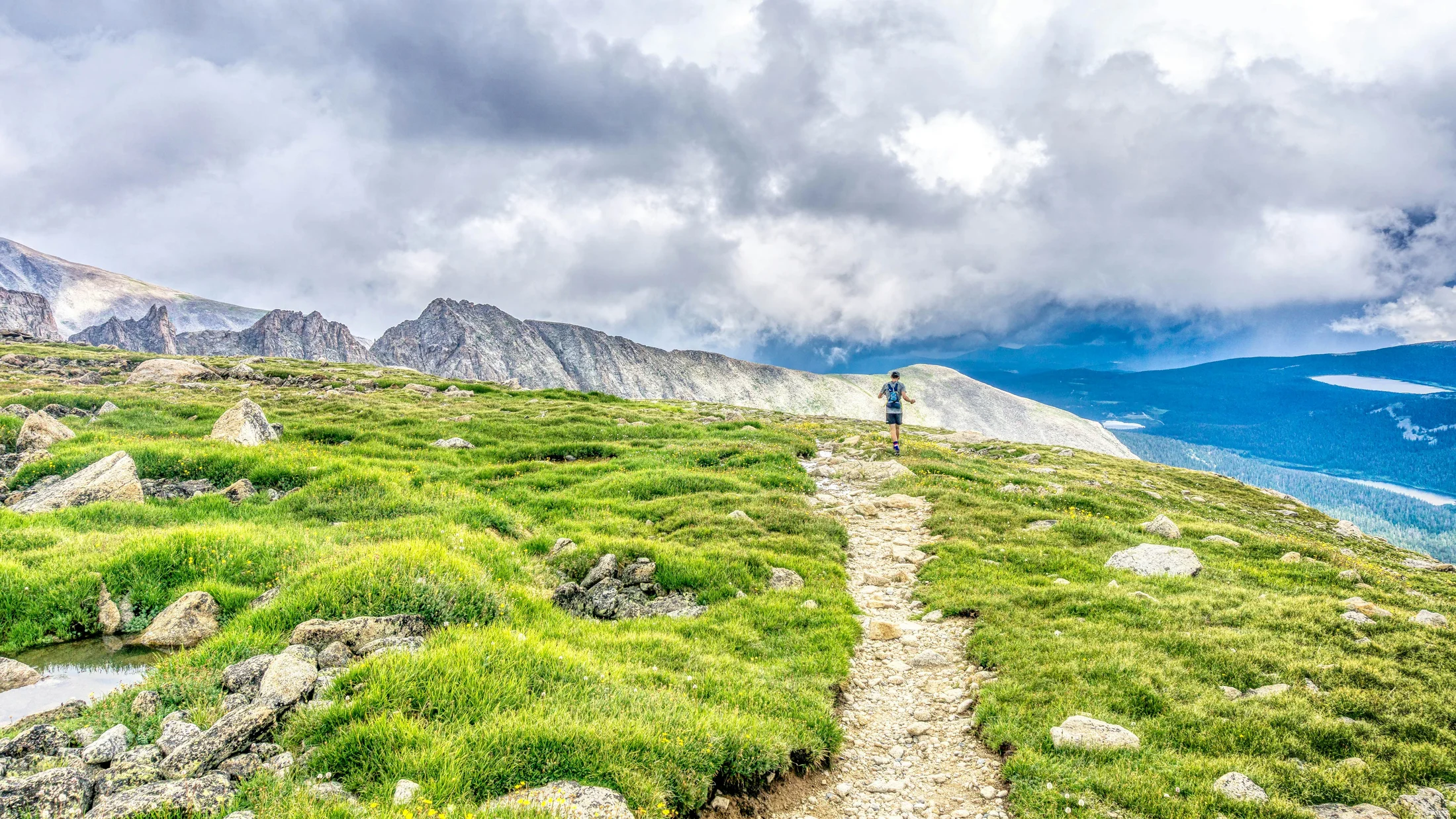
Introduction
Trail running in Spain is growing and is becoming increasingly accessible: FEDME and RFEA have specific regulations and their own calendars. To start, choose simple paths with good signage and moderate elevation gain; it is the safest entry point.
The selection in this guide moves between 9 and 26 km in distance and an accumulated elevation gain of 300-1500 m+. Also considered are low-technical terrain or terrain with short technical sections, easy access by car or public transport, and sufficient signage or reliable maps.
Furthermore, the favourable time of year, the cost or affordable registration if it is a race, and the local atmosphere are taken into account: the support from the village and volunteers eases the nerves of a debut. Here you have trail routes for beginners with which to take your first step.
The guide brings together 8 options spread across the peninsula, each with a practical sheet and tips to prepare for your first trail without surprises.
Picuco te puede ayudar
Does something here catch your eye?
Tell us.
Write to us on WhatsApp or email: we answer questions, find the best options and help you sort out the booking.
How to read these sheets
All the sheets in this guide follow the same scheme, so you can compare races and routes at a glance. Each one begins with the location and how to get there, with the nearest town and access by road or public transport.
Next comes the price or registration when applicable, the best time, and an "ideal for" section that summarises the starting level and the objective: debut, gentle technique, or gaining elevation. The "what to do" section describes the route in a few lines, with distance, elevation gain, and terrain type.
Each sheet closes with practical tips, hazards to watch out for, and logistics: parking, water, permits in protected areas, and basic equipment.
Before heading out, locate the starting point and download a verified GPX. If you are going to load the track, look for reliable coordinates in official sources. Also check if you need a permit or if there are seasonal restrictions.
Calculate times with a margin and plan your return transport if the route is not circular. Check the weather and adjust clothing and hydration. If it is a race, confirm registrations, regulations, and mandatory equipment on the official website: it is advisable to book in advance.
With this scheme, you can filter by your level, the season, and the type of terrain you feel like stepping on.
10 races and routes to start trail running in Spain
Ruta Mina de la Plata (Bustarviejo, Madrid): history and nearby mountain
60 km from Madrid, a short trail between mountain meadows and mining vestiges: the Ruta Mina de la Plata, in Bustarviejo. The Sierra Norte is just a step away for a first mountain running training session.
The route totals 10.9 km and 700 m of accumulated elevation gain, with mixed terrain of tracks and paths and some short stony sections. You can shorten it, so it serves as a first trail without exposed sections.
From the summit of Mondalindo (1831 m), panoramic views open up to the Madrid plateau and various reservoirs and peaks. In the village, the church of la Inmaculada Concepción appears among the rooftops of the municipality.
Wear trail shoes with a lugged sole, water —there is little shade in the high areas— and a windbreaker if it blows. Park in the village and respect properties and livestock enclosures.
If you start, run at a conversational pace, walk the steepest ramps, and use poles if they give you confidence.
Cabo de Ajo Trail (Cantabria): living coast and moderate technicality
The Cabo de Ajo Trail starts and ends in Ajo, at the same point, and runs through cliffs, the Faro de Ajo, and the Cantabrian coast. The cape is the northernmost and most advanced point of the Cantabria coastline, with cliff-filled relief.
The race is 22 km and 800 m+ for runners and 20 km and 500 m+ for walkers, with brief technical sections. The terrain consists of dirt paths and flat rock, with brief irregular sections, some damp grass, and limestone slabs.
Wear trainers with good grip on wet rock. With strong winds or heavy swells, do not lean over the cliffs, and do not go down to the coves with the tide rising without knowing the schedules. Park without invading the narrow gutters.
If you are starting out, look for a short, stable stride on the rock and walk if you have doubts. In the local race, choose the short distance and confirm the rules and minimum equipment: windbreaker and reusable cup.
You can arrive by car via the A-8 to the Solares or Beranga exit and then the CA-141. There is also a Santander-Bilbao regional line with a stop in Beranga, a neighbouring municipality. The area is a Special Protection Area for Birds.
Garganta de los Infiernos Mountain Race (Jerte, Extremadura): water and granite
The Garganta de los Infiernos Mountain Race crosses gorges, natural pools, and riverbank forests in the Valle del Jerte (Cáceres). The route enters the Garganta de los Infiernos Natural Reserve and totals 26 km with 1500 m of positive accumulated elevation gain.
The route alternates sustained climbs with clean descents. It passes through Los Pilones, by the bridges over the gorge, and by several viewpoints, and bypasses various bridges along the route.
The event is part of the FEXME Extremadura Mountain Race Cup and the Junta de Extremadura circuit. It will be held on 19 April 2026 with a start at 09:30.
If you are competing, respect the mandatory equipment and the cut-off times. If you are training on open routes, avoid jumping on wet rocks and do not enter pools during high water levels. During the season, there is regulated parking: use the official car parks.
For beginners, the signage is clear and the route offers variety without excessive technicality. Walk the high steps and use your hands if necessary. In summer, protect your skin and replenish salts; in spring, carry a windbreaker due to sudden changes.
The best time is spring, with the cherry trees in bloom, and summer, for swimming after the race. Access is via the A-66 and the EX-203, and Jerte and Cabezuela del Valle concentrate accommodation and services.
Tierra de Ibias Trail (Asturias): lush green and villages
The Tierra de Ibias Trail is run among forests and tracks with gentle slopes, in Ibias, in the southwest of Asturias. It is a good entry point to trail running for those who want soft terrain and moderate elevation gains.
The route mixes forest tracks, woodland paths and rural roads. As you pass through, traditional villages, stone walls and views of enclosed valleys appear.
The event takes place on 25 April 2026. Spring and autumn are the best times to train in the area; in summer it can be hot and humid.
Mud is frequent, so it is advisable to use shoes with aggressive lugs and socks that drain. Bring a lightweight raincoat because the fog rolls in quickly. Before setting off, check if there is active hunting and respect the temporary signage.
If it is your first time, maintain a steady pace, walk if your heart rate rises too much and practise short descents with control. In case of abandonment, it is mandatory to inform the organisation staff or the number indicated on your bib, and to hand in the control chip.
You can reach it via the AS-15 and local winding roads: take it easy and enjoy the landscape.
Aoiz Mountain Race (Navarra): popular, close by and with spark
Aoiz, 28 km from Pamplona, brings runners together every year for a fun circuit without excesses. You arrive via the N-135 or A-21 and park in the village; the festive atmosphere accompanies you from your bib to your final sandwich. The square smells of freshly baked bread when the day of the race dawns.
- Location and access: Aoiz (Navarra).
- Price/registration: popular price; confirm on the organiser's website.
- Best time: the date of the race, usually in spring or autumn.
- Ideal for: your first trail in Spain with safety, attentive volunteers and short distances.
What to do: they usually offer 10 km with 550 m+ and 22.5 km with 1,350 m+. Mixed terrain of tracks and paths, some short climbs and clean descents. Key points: hills with views of the valley and sections of temperate forest.
Advice and safety: go with time for your bib and warm-up; check mandatory equipment if there is any. Choose versatile tyres; poles are usually not necessary. Easy logistics with accommodation in Aoiz or Pamplona and regional buses.
For beginners: a round format to overcome fears. Start behind the pack, conserve energy on the climbs and enjoy the crowd. "Run and chat" is the best strategy to finish strong and wanting to repeat.
Santuario de Consolación Trail (Iniesta, Cuenca): Manchegan hills and smooth running
In Iniesta (Cuenca), the Santuario de Consolación Trail runs through vineyards and pine forests via wide tracks and a gentle profile. It is a good option to build confidence by running continuously on low-technical terrain.
The route is 14 km with 370 m of positive elevation gain, in the single Trail 14K category, via forest tracks and gentle paths. You will pass by viewpoints over the plain, a Aleppo pine forest, and a final stretch that climbs to the sanctuary. The morning sun warms the resin and thyme as you move forward.
You arrive via the A-3 and the CM-311, and the car park next to the sanctuary lets you start without rushing. In summer it is hot and there is little shade: leave very early, carry 500-750 ml of water and a cap, and use sunscreen. With a pair of smooth trail shoes, you will be more than fine; respect paths and cultivation areas and close gates if you find them.
If you are starting out, this route serves you to work on a constant rhythm and running economy. Walk if you need to on the slopes and eat something light before setting off. If there is an event, registration is in advance and the deadline for payment by bank transfer closes on Tuesday 7 April 2026; confirm the regulations and equipment, which is usually basic. The sanctuary surroundings host the Romería de la Virgen de Consolación.
Arganza Trail — Cañón del Río Lobos (San Leonardo de Yagüe, Castilla y León): limestone, clear loops and vultures
The Arganza Trail runs through the Cañón del Río Lobos, near San Leonardo de Yagüe (Castilla y León), between limestone rock walls and marked paths. It is a race designed for those starting in trail running who want clear paths and short loop options.
The route mixes limestone paths, pine forests, and gentle walkways. It passes by the ermita de San Bartolomé, in the most spectacular part of the Cañón del Río Lobos. The large cave of San Bartolomé descends more than 100 metres and allows you to see the hermitage from above.
While you run, griffon vultures soar over the rocky walls. To prepare yourself, practise your footwork on limestone gravel and control your stride on long descents; poles are optional. For beginners: an excellent trail running Spain classroom due to the clarity of the paths and motivating beauty.
Respect the park rules, do not leave the paths, and do not disturb the wildlife. Carry enough water: there is little shade in the canyon. If you participate in the race, check the mandatory equipment and the start times.
You arrive via the N-234 to San Leonardo de Yagüe and there are signposted car parks at the park entrances. The starting point of the race is at the last authorised parking lot at the park entrance from Ucero.
Trail Vila de Cuntis (Pontevedra, Galicia): greenery, water and grip
In Cuntis, you run through Atlantic forests, rivers and moderate slides, in a thermal town with services and accommodation. The Trail Vila de Cuntis offers 9 km, 17 km and 28 km: there is distance to start out and to extend your route.
The next edition is planned for Sunday 11 May. The atmosphere is humid and fresh, with the scent of eucalyptus after a short drizzle.
Buses arrive in the town and stop in the centre. If you come by car from Pontevedra, use the PO-221 through Moraña as an alternative to the N-640 due to roadworks.
Before or after the race, head to the thermal springs of Cuntis: they have Roman origins and appear in texts as Aquae Calidae. The Fuente del Lume de Deus maintains its steam even in winter.