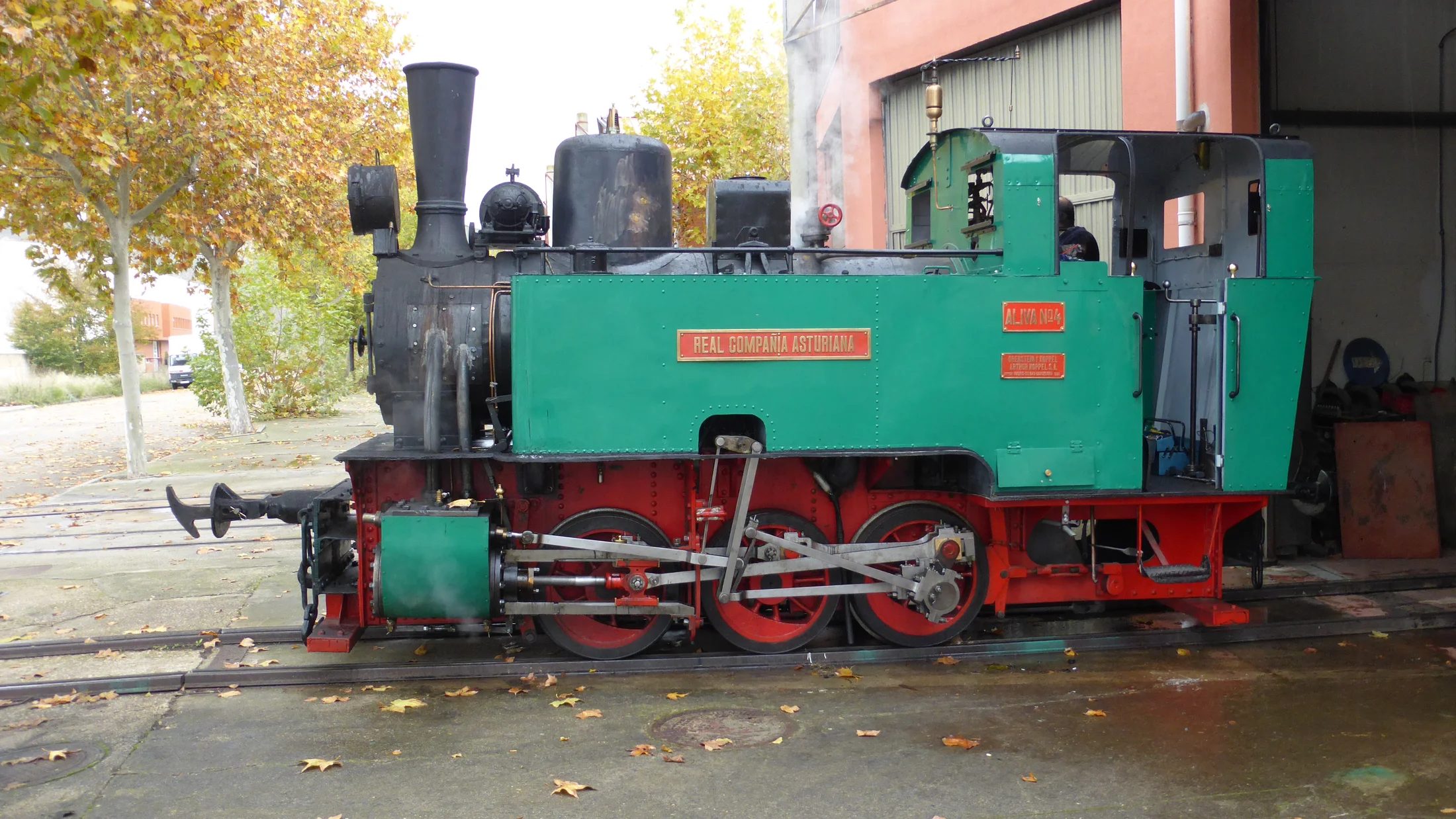
Why Train Adventures Click with Kids
Family days run smoother when the journey is part of the fun. Tourist trains Spain with kids offer exactly that: a safe, seated, screen-free space where the landscape puts on a show and the timetable sets a calm rhythm. You avoid traffic stress and airport queues, and your children can watch fields, tunnels, and stations glide past like pages in a picture book. The soft sway of the carriage and a distant whistle feel like stepping into a moving story.
For parents, trains are clear wins on logistics and safety. Seats, aisles, and toilets are always nearby; you can move, snack, and stretch without seatbelts or roadside stops. Trains run in all weather, which means fewer last-minute cancellations than boats or high-mountain roads. For kids, the train itself is the adventure: wooden coaches on the Ferrocarril de Sóller, a cog railway climbing to Vall de Núria, or a themed heritage ride like the Tren de la Fresa are hands-on history lessons without a classroom. The click and clack becomes a lullaby, and windows frame rivers, orchards, and mountain curves like a cinema reel.
These journeys also teach geography and culture at child speed. Valleys, reservoirs, and old stations show how Spain’s landscapes and communities connect—far more tangible than a highway exit or a cabin announcement from 10,000 meters. On-board guides (common on vintage routes) add short stories kids remember, from royal gardens in Aranjuez to tunnels bored by hand in Mallorca’s Tramuntana. The faint smell of pine or sea air seeping through carriage vents is a quiet invitation to look up.
Use this guide as a practical family toolkit. You’ll find a quick overview of where trains operate, when to go, and how long rides last; advice on getting to departure stations by Cercanías, AVE, or ferry; and pointers for family-friendly stays near platforms. The core is a curated list of 10 family train trips in Spain—each with duration, seasons, price ranges, stroller notes, and a simple sample plan. To wrap up, we include activity ideas at stops, easy half-day to weekend templates, and a checklist to keep travel day simple. Skim, pick a line, and start your own small rail tradition together.
Picuco te puede ayudar
Does something here catch your eye?
Tell us.
Write to us on WhatsApp or email: we answer questions, find the best options and help you sort out the booking.
Escríbenos
Where These Trains Are and When to Ride
Spain’s tourist and heritage lines spread like a cross-country puzzle—north coast classics, inland historic routes, mountain rack railways, and island icons. For families, that means you can match a ride to your weekend or holiday without overplanning. The metallic scent of track after light rain often signals a good day to roll.
- North (Galicia, Asturias, Cantabria, Basque Country, León):
- Long-distance luxury trains: El Transcantábrico, Tren de la Robla (multi-day).
- Short heritage/industrial: mining trains in Asturias and the north; museum railways.
- Climate: mild, wet winters; lush springs; pleasant summers with sporadic rain.
- East/Catalonia and Aragón:
- Mountain rack railways: Cremallera de Núria, Cremallera de Montserrat.
- Scenic day trips: Tren dels Llacs (Lleida–La Pobla de Segur).
- Climate: spring and autumn shine; summers are hot inland, cooler in high valleys.
- Center (Madrid and surroundings):
- Themed heritage: Tren de la Fresa to Aranjuez (spring and autumn weekends).
- Climate: extreme seasons; plan morning rides in summer and layers in shoulder seasons.
- Islands (Balearic):
- Ferrocarril de Sóller (Mallorca) year-round, busier in spring/summer.
- Climate: Mediterranean; summer heat moderated by sea breezes near Port de Sóller.
Typical durations help you pick age-appropriate rides:
- Short hops (20–60 minutes one-way): Montserrat, Núria (each way is ~15–40 minutes), mining trains (often 20–45 minutes).
- Half-day experiences (2–5 hours total): Tren de la Fresa with museum/garden stop; Ferrocarril de Sóller plus tram to Port de Sóller; Tren dels Llacs outbound with a picnic return or local bus.
- Multi-day journeys (3–8 days): El Transcantábrico, Tren de la Robla, Tren Al Ándalus—hotel-train formats with daily excursions.
Seasonality matters for comfort, visibility, and crowds:
- Spring (March–June): best balance for families. Mild temps, green landscapes, and active timetables. Many heritage services resume around Easter.
- Summer (July–August): prime for island and coastal rides; go early/late to dodge heat and queues. Mountain rack railways are ideal to find cool air.
- Autumn (September–October): golden light, harvest festivals (think La Rioja wine events) and continued weekend heritage runs. Excellent for photography and child-friendly walks at stops.
- Winter (November–February): fewer services on some heritage lines; Núria can be snowbound fun with sledding; Sóller continues but with shorter daylight and cooler evenings.
Watch regional festivities and maintenance windows:
- Holy Week, local patron saints’ days, and harvest weekends can boost crowds and special departures—book early and expect lively carriages.
- Annual maintenance closures (often late autumn) affect rack railways; check official calendars.
- School holidays in Spain (late June–early September) push family demand; shoulder seasons suit toddlers best.
Use this comparison snapshot to choose quickly:
| Region | Example lines | Typical duration | Best family season |
|---|---|---|---|
| North coast | El Transcantábrico, Tren de la Robla, mining trains | 3–8 days (luxury), 20–60 min (mining) | Late spring–early autumn |
| Catalonia (Pyrenees/Montserrat) | Núria, Montserrat, Tren dels Llacs | 40–120 min (each way) | Spring, autumn, summer mornings |
| Madrid area | Tren de la Fresa (Aranjuez) | 50–60 min (each way) | Spring, early autumn |
| Balearic Islands | Ferrocarril de Sóller (+ tram) | 1–1.5 h (each leg) | Spring, early summer, autumn |
If you plan multiple rides—say, a rack railway and a heritage line—space them over consecutive mornings to keep naps, meals, and playground time steady.
Getting There and Timetables Made Simple
You rarely need a car to reach a tourist train start, but it can help with strollers and naps. The best route usually starts on a fast trunk line, then swaps to local transport. The hum of a station concourse just before boarding sharpens children’s curiosity.
- By rail:
- Long-distance: AVE/Alvia to Madrid, Barcelona, León, Bilbao, or Palma ferry ports for island connections.
- Suburban:
RodaliesBarcelona linesR3to Ribes de Freser (Núria) andR5(FGC) to Monistrol de Montserrat; MadridCercaníasto Atocha/Príncipe Pío for heritage departures; Lleida has regional services for Tren dels Llacs. - For Sóller: fly/ferry to Palma, then walk or bus to Palma’s Sóller station (separate from the main intercity station, across Plaça d’Espanya).
- By road:
- Useful for mining trains and remote museums with limited public links.
- Parking near stations can be limited on weekends; aim for first departures.
- By ferry (islands):
- Mainland–Mallorca ferries land at Palma or Alcúdia; Palma’s heritage station is central. Schedules vary by season; overnight crossings can align with morning train runs.
How to check timetables and buy tickets:
- Official websites and station ticket offices announce seasonal dates weeks in advance for heritage lines; most allow online payment or same-day purchases if seats remain.
- For popular services (Sóller, Núria, Montserrat, Tren de la Fresa), pre-book on official channels during holidays or choose early morning trains for more space.
- Regional tourism sites sometimes bundle “train+museum” or “train+funicular” passes; verify inclusions and child ages.
- If you prefer curating everything in one place, explore Picuco’s activity pages by region to see complementary family activities you can combine around your train day.
Smart connections with local transport:
- In Sóller, switch to the tram at the same station to reach Port de Sóller beach.
- In Montserrat, rack railway and funiculars share a compact mountain hub; choose funiculars to viewpoints or short trails.
- For Tren dels Llacs, local buses or pre-booked taxis in La Pobla de Segur help you loop back on lazy afternoons.
Accessibility and strollers:
- Vintage coaches may have narrow doors and steps. Bring a compact, foldable stroller; board early to find luggage space.
- Rack railways generally provide level boarding or ramps; ask staff for assistance at Ribes de Freser, Queralbs, Monistrol, and Montserrat.
- Most services accommodate children’s car seats onboard seats without anchoring; consider a lightweight travel booster if you’ll take taxis.
- For travelers with reduced mobility, request boarding assistance when booking, and confirm accessible toilets at stations and onboard.
Booking tips to reduce waiting:
- Pick morning slots (before 10:00) for fewer crowds and cooler temperatures.
- Check return options in advance; note last departures, especially off-season.
- Carry paper or offline e-tickets in case of weak coverage in mountain areas.
- Keep a 30-minute buffer between connecting services to avoid stress if a train runs late.
Family-friendly Stays Near the Station
Sleeping close to the platform keeps mornings simple and tantrums rare. For families, shaving 15–20 minutes off the pre-boarding shuffle can be the difference between calm curiosity and chaos. The muffled station announcements at dawn add a gentle drumroll to your day.
Good options near heritage and rack-rail stations:
- Family hotels and aparthotels:
- Pros: 24/7 reception, breakfast early, cribs on request, interconnecting rooms.
- Look for family rooms (3–5 beds) and kid corners or small playrooms.
- Self-catering apartments:
- Pros: kitchen for picky eaters, laundry, separate bedrooms for naps.
- Check elevator access if upper floors; confirm quiet hours near nightlife zones.
- Rural houses (casa rural) and small inns:
- Pros: local warmth, outdoor space, hosts with area tips.
- Ideal around Núria and Tren dels Llacs stops where villages are small.
- Campings and bungalows:
- Pros: playgrounds, pools, short drives to stations in summer.
- Verify early check-out options to make morning departures.
Selection criteria that work with kids:
- Distance to station: under 10 minutes on foot is great; add a 5-minute buffer with strollers.
- Breakfast time: confirm service before 8:00 if you aim for first trains.
- Kitchenette or microwave: handy for bottles, porridge, and evening snacks.
- Parking or drop-off: urban centers can be tight; choose lodgings with clear loading zones.
- Laundry: essential for longer trips or mountain days; look for washers/dryers on site.
- Soundproofing: ask for rooms away from street bars or late-night plazas.
Booking strategies:
- Spring and autumn weekends sell out fast around heritage events; book 3–6 weeks ahead.
- Check flexible rates in case weather shifts your day plan.
- Some regional tourism offices offer train+hotel deals in shoulder seasons; compare cost vs. booking separately.
- Use map filters to search “near station” and read recent reviews mentioning strollers, cribs, or quiet rooms.
Simple lodging table to decide quickly:
| Type | Best for | Watch-outs | Bonus for families |
|---|---|---|---|
| Aparthotel | Two-night stays, picky eaters | Small living rooms | Kitchen + early breakfast option |
| Family hotel | One-night layovers | Noise in center | Cribs, kids’ menus, interconnecting rooms |
| Rural house | Weekends near mountains | Need a car | Garden, hosts with local tips |
| Camping/bungalow | Summer breaks | Drive to station | Playgrounds and pools |
Ask hosts for station shortcuts, elevator locations, and the flattest stroller route. Those tiny tips often save the last 5 minutes you need.
Ten Tourist Trains Kids Love in Spain
1.Tren de la Fresa: Madrid–aranjuez with a sweet twist
A short hop becomes a time machine on this historic run between Madrid and Aranjuez. The Tren de la Fresa recalls the 1851 line that linked the capital to the royal gardens, with spring and autumn departures most weekends. The faint perfume of ripe strawberries on board gives the experience its name.
- Why kids love it:
- Guides in period dress, classic carriages, and strawberries served en route.
- The story of kings, gardens, and orchards feels like a fairy tale with tracks.
- Quick facts:
- Route: Madrid (usually Príncipe Pío) to Aranjuez.
- Duration: about 50–60 minutes each way.
- Season: typically April–June and September–October weekends; check dates early.
- Price range: 25–45 € adults, 15–30 € children (confirm official fares).
- Accessibility: steps into vintage coaches; staff help families board; fold strollers.
- At the destination:
- Stroll the Jardín del Príncipe and Jardín de la Isla.
- Visit the Royal Palace of Aranjuez and the Museum of Royal Barges.
- Picnic along the Tagus with paths suitable for scooters and prams.
- Simple family plan:
- Take the first morning train to dodge heat.
- Walk shaded avenues in the gardens.
- Tour the palace in under an hour, then ice cream by the river.
- Tickets and tips:
- Buy online in advance; departures sell out in peak bloom.
- Bring a hat and water in late spring; Aranjuez warms quickly by midday.
2.Ferrocarril de Sóller: wood, tunnels, and the sea on Mallorca
This 1912 wooden train trundles 27 km from Palma to Sóller through 13 tunnels and orange-scented valleys. Families step off in Sóller to connect seamlessly to the open-air tram for Port de Sóller’s beach. The dark, cool rush of the main tunnel makes the sunlight pop like a surprise.
- Why kids love it:
- Vintage wood coaches, mountain curves, and the clanging tram to the sea.
- A beach finish is the easiest win for mixed-age groups.
- Quick facts:
- Route: Palma (historic station at Plaça d’Espanya) to Sóller; tram to Port de Sóller.
- Duration: ~1 hour train + 15–20 minutes tram (each way).
- Season: year-round with more frequencies in spring/summer.
- Price range: 20–45 € adults, 10–25 € children per segment or combined (confirm).
- Accessibility: narrow steps; foldable strollers fit in vestibules; arrive early.
- Best family seats and timing:
- Early trains (before 9:00–9:30) are cooler and quieter.
- Sit on the right from Palma for postcard views of terraces; swap sides on return.
- Simple family plan:
- Train to Sóller, tram straight to Port de Sóller.
- Morning swim and sandcastles, shaded lunch.
- Return tram mid-afternoon, ice cream in Sóller’s square, train back before sunset.
- Tickets and tips:
- Buy combined train+tram at Palma station if offered, or separate same day.
- In high season, return earlier to avoid full late-afternoon departures.
3.Tren dels Llacs: lakes, cliffs, and Pyrenean breezes
Running from Lleida to La Pobla de Segur, this scenic route skirts four reservoirs beneath sandstone cliffs. On select dates a heritage train runs; on others, modern trains follow the same panorama. The glint of sun on Camarasa’s water looks like scattered coins from the window.
- Why kids love it:
- Tunnels, viaducts, and reservoirs strung like a necklace.
- Plenty of spots for picnics and easy riverside walks at the end.
- Quick facts:
- Route: Lleida Pirineus to La Pobla de Segur.
- Duration: ~1 h 45 min–2 h each way.
- Season: heritage dates on spring–autumn weekends; regular services year-round.
- Price range: 15–35 € adults, 8–18 € children (heritage vs. regular differs).
- Accessibility: heritage rolling stock has steps; regular services easier to board.
- Family-friendly add-ons:
- Picnic at La Pobla’s riverside park; try a short
PRlocal walking path. - Visit a local honey or cheese producer with brief tastings (call ahead).
- Picnic at La Pobla’s riverside park; try a short
- Clothes and logistics:
- Bring layers; mornings are cool even in late spring.
- Book the heritage train early; seats are limited and dates few.
- Simple family plan:
- Morning outbound on heritage train.
- Picnic and playground time in La Pobla.
- Return by afternoon regular train for flexibility.
4.El Transcantábrico: northern Spain in a hotel-train
This is the grand tour of rail in the lush north: a multi-day luxury journey along the Bay of Biscay, with daily excursions to coastal towns and green valleys. Families who love slow travel and spacious suites find a unique rhythm onboard. The hush of carpeted corridors at night feels like a cozy boutique hotel that happens to move.
- Why families consider it:
- Suites with private bathrooms, fine dining, and curated day trips.
- Minimal packing/unpacking, with staff guiding each stop.
- Quick facts:
- Route: typically between San Sebastián/Oviedo and Santiago de Compostela (variants exist).
- Duration: 4–8 days depending on itinerary.
- Season: spring to early autumn.
- Price range: approximately 4,000–8,000 € per adult for full itineraries; child policies vary—confirm age limits and reductions.
- Accessibility: limited in older coaches; confirm mobility needs in writing pre-booking.
- Family considerations:
- Check minimum ages and suitability; some departures favor adult travelers.
- Opt for shorter itineraries or selected segments through operators if available.
- Alternatives nearby:
- For a budget-friendly taste, combine short regional trains with nights in family lodgings along the coast—Santillana del Mar, Llanes, Ribadesella—with beach time and caves.
- Simple family plan:
- If you ride: build in a free day at the end for the beach and play.
- If not: ride a mining train or museum railway in Asturias/Cantabria for a themed day.
5.Tren Al Ándalus: Andalucía’s palaces, patios, and rails
Another hotel-train icon, Al Ándalus explores southern Spain with Belle Époque charm and restaurant cars that delight junior diners. Routes often include Seville, Córdoba, Granada, Ronda, and Jerez, mixing monuments with flamenco neighborhoods and courtyards. The clink of cutlery in the dining car pairs with glimpses of olive groves outside.
- Why kids might enjoy it:
- Vintage salons, proper mealtimes, and guided city stories.
- Moving between cities without repeated packing.
- Quick facts:
- Duration: commonly 5–7 days.
- Season: spring and autumn sweet spots; summers are hot for midday tours.
- Price range: roughly 3,500–7,000 € per adult; ask about child policies and triple cabins.
- Accessibility: limited in some consist; confirm steps and cabin layouts.
- Family strategy:
- Choose shoulder-season departures for cooler city walks.
- If a full train week is too much, recreate a “mini Al Ándalus”:
- Day 1: regular train Seville–Córdoba, Mezquita visit with kids’ audio guides.
- Day 2: Córdoba–Granada, short Albayzín walk and churros break.
- At stops:
- Seek hands-on visits: equestrian shows near Jerez, science parks in Granada, river walks in Seville.
- Booking and tips:
- Reserve months ahead; suites are few.
- Bring sun hats, collapsible fans, and refillable bottles for city heat.
6.Tren de la Robla: green valleys and rail heritage
Built around Spain’s historic narrow-gauge north, the Tren de la Robla offers a shorter, more accessible hotel-train experience with strong railway character. Think rolling green hills, stone villages, and industrial heritage museums. The rhythmic hum on curvy tracks is gentle enough to nap by.
- Why families pick it:
- 3–4 day itineraries cost less than the big luxury runs.
- Daily excursions include caves, coast, and countryside.
- Quick facts:
- Route: variants between Bilbao, León, and northern valleys.
- Duration: 3–4 days with nights onboard or in selected hotels.
- Season: spring to early autumn.
- Price range: roughly 1,000–2,500 € per adult; ask for child reductions.
- Accessibility: moderate; confirm with the operator about steps and cabin sizes.
- Family extras:
- Museum stops often include interactive displays; bring a small headlamp for caves.
- Choose itineraries with short bus transfers to keep kids fresh.
- Practical notes:
- Pack small; cabins have limited storage.
- Ask for twin lower beds for easy bedtime routines.
7.Cremallera de Núria: a rack railway to a secret valley
From Ribes de Freser or Queralbs, this rack railway climbs nearly 1,000 meters to the alpine basin of Vall de Núria. The valley is car-free, ringed by 2,000-meter peaks, and perfect for child-sized hikes and lakeside games. Cool mountain air smells like fresh pine and rock after snowmelt.
- Why kids love it:
- A cog railway is a new machine to learn about—teeth on the track help climb steep slopes.
- The destination is a giant, safe playground.
- Quick facts:
- Route: Ribes de Freser/Queralbs to Vall de Núria.
- Duration: ~40 minutes each way.
- Season: year-round with maintenance closures; summer for lake fun, winter for sleds and snowshoeing.
- Price range: 20–40 € adults, 10–25 € children; family packs exist on some dates.
- Accessibility: excellent station access; staff help with ramps; wide doors in modern carriages.
- In the valley:
- Rent rowboats in summer, ride ponies, visit the small farm-school, and follow easy loop paths.
- Winter offers sledding hills and a beginner snow area.
- Simple family plan:
- Early train up from Ribes.
- Short lakeside walk and picnic.
- Playtime at the farm-school, then mid-afternoon descent.
- Tips:
- Weather shifts fast; bring layers, sun protection, and a light rain shell.
- Check fun park activities’ schedules if you want boats or pony rides.
8.Cremallera de Montserrat: to the monastery on the mountain
The Montserrat rack railway shuttles families from Monistrol into a dramatic serrated massif where the monastery clings to cliffs. Above, short funiculars lead to easy lookouts with kid-proof railings and horizon-to-sea views on clear days. The faint scent of warm rock and thyme lingers on the terraces.
- Why kids enjoy it:
- The mountain looks like a storybook fortress; the train’s steep gradient is thrilling but smooth.
- Funiculars feel like extra rides; short trails reward with big views.
- Quick facts:
- Route: Monistrol de Montserrat to Montserrat monastery.
- Duration: ~15 minutes each way; funiculars add 5–7 minutes.
- Season: year-round; busiest on weekends and holidays.
- Price range: 10–25 € adults, 5–12 € children; combined tickets with funiculars exist.
- Accessibility: great access at stations; level boarding; lifts at the complex.
- Family plan:
- Arrive by
FGC R5from Barcelona to Monistrol-Enllaç. - Rack railway up, then a funicular to a short viewpoint trail (30–45 minutes).
- Picnic near the monastery or at signed tables away from crowds.
- Arrive by
- Crowd and comfort tips:
- Start before 9:30; queues grow by midday.
- Shoulders and knees covered help in church spaces; carry a light wrap.
9.Tren del Vino (la Rioja): a harvest-flavored day out
La Rioja occasionally launches themed wine trains or special rail-linked events tied to harvest weekends and festivals, with family-friendly twists. When no special departures run, you can still craft a “Tren del Vino” style day using regular regional trains to stations like Haro, then walking or short taxis. The smell of crushed grapes in autumn drifts from courtyards like a sweet invitation.
- Why families can enjoy it:
- Vineyards make gentle, stroller-friendly walks; many bodegas offer playground corners or grape-stomping demos for kids on event days.
- Museums like Vivanco (Briones) or local interpretation centers tailor sections to juniors.
- Quick facts:
- Route: varies by event; regular trains link Logroño–Haro–Miranda de Ebro.
- Duration: 30–60 minutes per rail leg; add visits of 60–90 minutes.
- Season: harvest (September–October) for special trains; spring for green vineyards.
- Price range: regular tickets usually under 15–20 € per adult per leg; museum entries extra.
- Accessibility: station platforms are modern; call wineries ahead for stroller access.
- Family plan:
- Morning train to Haro; stroll historic Barrio de la Estación.
- Choose one bodega with a family tour or grape-juice tasting.
- Picnic among vines on a marked path; afternoon playground stop.
- Tips:
- Confirm event calendars early; spaces fill fast on harvest weekends.
- Use “Tren del Vino La Rioja” or “trenes turísticos España” as search terms for current editions.
10.Mining and industrial heritage trains in the North and Asturias
Short mining railways and museum lines turn hard history into hands-on discovery. In Asturias, the Samuño Valley train dives through a former mine tunnel before emerging beside the river; elsewhere in the north, small-gauge tracks circle museum grounds with steam or diesel puffs. The cool, mineral smell inside a restored gallery adds goosebumps to the ride.
- Why kids love it:
- Helmets, lamps, and short rides feel adventurous but safe.
- Guides tailor stories about miners and machines to young listeners.
- Quick facts:
- Route: varies; expect 1–5 km loops or out-and-backs.
- Duration: 20–60 minutes ride; museum visits add 45–90 minutes.
- Season: mainly spring–autumn weekends; daily in summer at some sites.
- Price range: 6–18 € adults, 3–10 € children; family passes common.
- Accessibility: surface trains often accessible; underground sections may restrict strollers—ask ahead.
- Activities:
- Hands-on workshops (fossils, minerals), short riverside paths, picnic tables.
- Combine with nearby playgrounds and cider-house lunches.
- Safety and logistics:
- Minimum ages can apply for underground segments (often 3–5 years).
- Wear closed shoes and bring a light sweater for tunnels.
Activities and Easy Itineraries for Families
Activities and highlights at stops
Small, repeatable activities make any rail day a win across ages. Plan one “must-do,” one “nice-to-have,” and one flexible break so nobody feels rushed. The sound of children’s laughter echoing in a shady square can be the day’s best souvenir.
- Short, rewarding walks:
- Núria: lakeside loop (30–45 minutes, stroller-friendly in parts).
- Montserrat: Sant Miquel viewpoint path (under 1 hour there and back).
- Tren dels Llacs: riverbank stroll in La Pobla with skipping-stone spots.
- Playgrounds and open squares:
- Sóller: Plaça de la Constitució’s cafe ring lets adults rest while kids play.
- Aranjuez: shaded garden parterres double as scooter lanes.
- Family-friendly museums:
- Mining ecomuseums (north/Asturias) with interactive halls and short rides.
- Wine culture museums in La Rioja with tactile exhibits for kids.
- Guided visits with family focus:
- Palace tours in Aranjuez with kid audio or activity sheets.
- Monastery areas in Montserrat with short, story-led segments.
- Picnics and tastings:
- Buy local fruit in Sóller, cheese in the Pyrenees, or grape juice in La Rioja.
- Keep picnics light and flexible near shaded benches or signed areas.
Match activities to age:
- Toddlers (2–4): short loops, fountains, soft-serve breaks, trams and funicular “bonus rides.”
- Kids (5–8): scavenger hunts (find the orange tree, spot the tunnel count), short museum stops.
- Tweens (9–12): viewpoint hikes, simple heritage quizzes, hands-on workshops at museums.
Suggested itineraries: half-day, full-day and weekend
Use these templates to pace meals, naps, and play around your chosen train. Adjust 15–30 minutes either way to fit seasonal timetables. The scent of a warm baguette at the mid-morning picnic can turn moods instantly sunny.
-
Half-day “Mini-Adventure” (ideal for toddlers)
- 08:00 Light breakfast near station.
- 08:45 Board early train; window seats, snacks ready.
- 10:00 Arrive; 45-minute playground or garden walk.
- 11:00 Juice/coffee stop; bathroom break.
- 11:30 Train back; arrive by 12:30 for lunch and nap.
-
Full-day “Explorer” (ages 6–10)
- 08:30 Breakfast and short walk to station.
- 09:30 Ride outbound; play “I-spy” tunnel and bridge count.
- 11:15 Activity A: museum or 60-minute walk.
- 12:45 Picnic in shade; 45-minute free play.
- 14:00 Activity B: funicular/tram or craft workshop.
- 15:30 Ice cream; bathroom break.
- 16:00 Return train; quiet reading or audio story.
- 17:30 Short souvenir stop near station; head back.
-
Weekend “Slow Rails” (mixed ages)
- Day 1: Short train (e.g., Montserrat or Núria), picnic, stay near station.
- Day 2: Light activity morning (boat or bike hire), nap/lazy lunch, second short ride (tram or funicular), evening stroll.
- Day 3 (optional): Museum or market, depart after early lunch.
Adaptations:
- Summer: earlier departures, longer shade breaks, siesta before return.
- Winter: late-morning start for warmth, hot-chocolate cafe slot, shorter outdoor windows.
- With stroller: add five-minute buffers and target flat routes.
Practical Tips for Tourist Trains with Kids
Consejos prácticos y checklist antes de partir
Preparation keeps “trenes turísticos para niños” joyful and calm. Pack light, book smart, and design breaks into the timetable. The soft rustle of a well-organized daypack is the sound of a smoother journey.
- Documents and payments:
- IDs or family book where needed; digital tickets and a paper backup.
- Cards and small cash for kiosks that skip contactless on busy days.
- Health and comfort:
- Mini kit: plasters, child pain reliever, sunscreen, hand gel, motion-sickness bands if needed.
- Layers, hats, and a light rain shell; trains and mountains swing temperatures.
- Food and water:
- Leak-proof bottles; snacks that don’t crumble: fruit, wraps, nuts (mind allergies).
- Picnic kit: small mat, wipes, compact rubbish bag.
- Entertainment:
- Train bingo (tunnels, bridges, animals), crayons, compact storybook, offline audio tales.
- Binoculars for spotting boats at Port de Sóller or raptors over reservoirs.
- Strollers and carriers:
- Foldable stroller with a shoulder strap; soft carrier for steps and narrow doors.
- Rubber caps for walking-stick tips if you bring one for trails.
- Booking and seats:
- Reserve early for seasonal lines; pick morning departures to avoid crowds and heat.
- On vintage stock, request seats near doors for quick boarding; on scenic lines, ask for the panoramic side (staff usually help).
- Boarding tricks:
- Arrive 25–30 minutes early; pre-assign roles (one boards with kids, one handles pram).
- Store stroller folded at carriage ends; keep valuables in a zipped crossbody.
- Onboard flow:
- Alternate quiet time and “spotting games”; schedule a bathroom break mid-ride.
- Teach a simple safety rule: one hand on the seat or parent when corridors get busy.
Before you lock the door, run this mini-checklist:
- Tickets downloaded and one printed copy.
- Water bottles full; snacks packed.
- Sunhats/hoodies; lightweight rain shell.
- Wipes, tissues, small first-aid kit.
- Stroller strap and carrier ready.
- Offline maps and saved timetable screenshots.
Frequently asked questions
What ages are best for these rides?
Ages 3–10 engage brilliantly with window watching and short walks, though babies nap well on smooth rides. For multi-day luxury lines, confirm minimum ages; for short mining trains, some underground sections require 3–5 years minimum.
Can I bring a stroller onboard?
Yes on most lines, but vintage coaches have steps and narrow vestibules. Bring a compact, foldable stroller and board early to store it safely.
Are there kids’ menus or food onboard?
Not usually on short heritage trips; hotel-trains include full dining. Pack snacks and plan a cafe or picnic stop at the destination. In searches, try “family train trips Spain” alongside local terms.
How do I find and book current schedules?
Check official train sites and station ticket offices for seasonal calendars, and search terms like “trenes turísticos España” or “viajes en tren con niños” for event-based departures. Reserve early for spring/autumn weekends.
Are there discounts for children?
Many lines offer reduced fares for kids (often 4–12 years) and free travel for infants without a seat. Family bundles appear on some routes; verify ages and IDs.
What about accessibility and mobility needs?
Rack railways and modern coaches provide ramps and level boarding; heritage stock may have steps. Request assistance when buying tickets and confirm accessible toilets at stations.
Book your experience — discover outdoor and cultural activities in Spain with providers verified by Picuco.
Conclusion
Trains turn travel days into family days—safe, seated, and full of stories that stick. From the strawberry-scented ride to Aranjuez to the cog climb into Núria’s mountain bowl, you get landscapes, heritage, and playtime without traffic or turbulence. The gentle rhythm suits toddlers and tweens, and the destinations add parks, short trails, and hands-on museums. The warmth of station hosts and local guides also reminds kids that these routes belong to real communities.
You now have the essentials to choose well: where lines run, when they shine, how to connect, and what to pack. The ten featured rides include quick facts, seasons, and stroller notes, while our activity list and half-day to weekend templates keep days balanced. Save the checklist, pick a morning departure, and set a calm pace.
When you’re ready, browse family-friendly activities in the same regions on Picuco to round out your itinerary. One train, one picnic, one new story—that’s a perfect start.