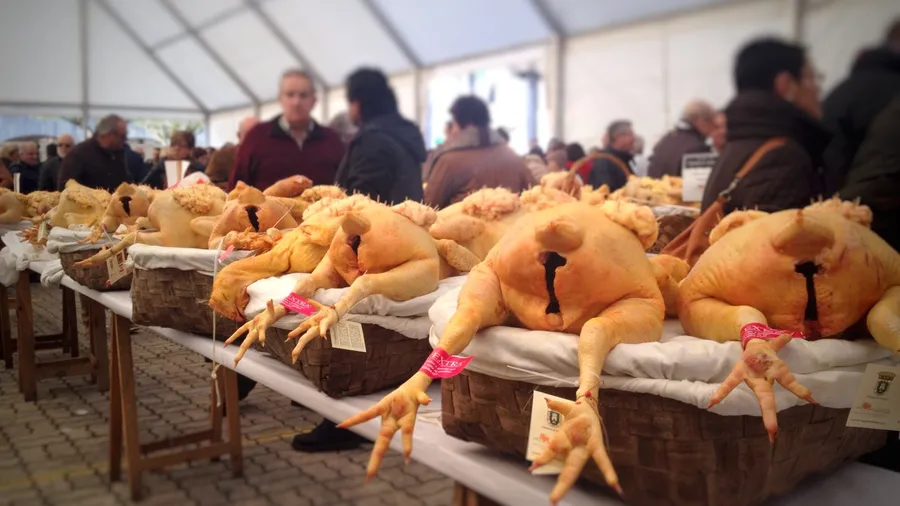
Why Summer Village Food Festivals Are Worth Your Trip
Come for the feast, stay for the village welcome. Across Spain, rural summer food festivals celebrate harvests, recipes, and the people who keep them alive. You’ll find markets that spill onto cobbled plazas, tasting routes through whitewashed streets, and hands-on workshops led by grandmothers and young chefs alike. Beyond eating well, you step into living culture where farmers, fishers, and artisans open their world for a day or a weekend.
For travelers seeking summer food festivals in rural Spain, July to September is peak time. Expect a mix of formats: open-air fairs, single‑product days, tapas routes, and evening showcookings under string lights. The benefits are tangible: taste seasonal produce at its prime, meet producers face to face, and join family‑friendly activities that introduce kids to real food. This guide is practical first: you’ll get a month‑by‑month calendar, regional highlights, logistics on tickets and schedules, activity tips, and advice on traveling responsibly.
What does “rural” look like here? Think small towns and villages where the market often centers on the plaza mayor, the community hall, or a riverside esplanade. You’ll see “feria” for fairs, “jornada” for a themed day, and “ruta de tapas” for bar‑to‑bar tastings; we explain each as it appears. We also note when events are free, require tokens, or need reservations, so you can plan weekends without guesswork.
Use this as your summer foodie calendar for Spain, then verify dates with municipal websites, regional tourism boards, or official social channels a few weeks before you travel. Many festivals are annual and recur on set weekends (for example, “last Saturday in August”), but specific dates can shift with local agendas or harvest timing. For couples, families, or groups, picking the right event means matching pace and format to your style—slow market mornings, shaded midday tastings, or late‑night village parties. One warm breath of anise and grilled pepper drifting down a narrow lane can tell you you’ve arrived.
Picuco te puede ayudar
Does something here catch your eye?
Tell us.
Write to us on WhatsApp or email: we answer questions, find the best options and help you sort out the booking.
Escríbenos
Summer Food Festivals in Rural Spain: July–september Calendar
Start with the year’s rhythm, then pick your weekends. This calendar prioritizes recurring village food festivals and rural food fairs in Spain between July and September, with typical timings, formats, and who they suit best. Always confirm exact dates on the town hall (ayuntamiento) site, the local tourism office, or official festival pages 2–4 weeks out.
-
Formats you’ll see:
- Feria/market: stalls, producers, tastings, often free entry, pay per tasting.
- Fiesta patronal with gastronomy: part of a village’s patron feast, evening meals, music.
- Jornada monográfica: single‑product day (peppers, octopus, garlic), focused program.
- Ruta de tapas: passport/card to sample small bites across bars, timed windows.
-
Entry systems:
- Free roaming with cash/card purchases.
- Tasting tokens (“bonos degustación”) 6–15 € for 3–6 samples.
- Paid menus or seated communal meals (15–35 €), usually by reservation.
- Workshops/tastings with capped capacity; book ahead.
Here’s a month‑by‑month snapshot you can act on:
| Month | Representative rural events (examples) | Type & duration | Format | Best for |
|---|---|---|---|---|
| July | Festa do Pemento de Herbón (Padrón, A Coruña; last Sat), Feria Internacional del Ajo (Las Pedroñeras, Cuenca; late month), Jornadas del Bonito del Norte (Basque coastal villages; mid–late month) | Single day to weekend | Free access + tokens; some menus | Foodies, families (morning markets) |
| August | Fiesta del Pulpo (O Carballiño, Ourense; 2nd Sun), Festa da Empanada de Bandeira (Silleda, Pontevedra; last Sat), Día del Gazpacho (Alfarnatejo, Málaga; early month), Fiestas de la Sidra y Queso in small Asturian villages (various weekends) | Single day to weekend | Tokened tastings; seated meals by booking | Couples, groups, food‑centric travelers |
| September | Fiestas de la Vendimia (La Rioja villages; weeks 2–4), Festa de la Avellana (Riudoms, Tarragona; first Sun), Ferias del Pimiento (Benavente, Zamora; mid–late month), Ferias del Melón (La Mancha villages; early–mid month) | Weekends to week‑long cycles | Parades + markets; wine/juice tastings; tapas routes | Families (daytime), couples (evenings) |
How to prioritize by traveler profile:
- Families:
- Choose morning markets in July and September for cooler temperatures.
- Look for “zona infantil” or “talleres para peques”; many villages post schedules on Facebook or the ayuntamiento page.
- Avoid midnight headline concerts; aim for 12:00–14:00 tastings and 19:30–21:00 early bites.
- Foodies:
- Target single‑product days (garlic, peppers, empanada, octopus) for depth and producer access.
- Book workshops or set menus; limited spots give you better chef interaction.
- Use September harvest festivals to explore pairings: fresh must, young wines, and grilled produce.
- Couples:
- Pick villages with tapas routes and evening showcookings.
- August nights offer cooler patios and live music; reserve a rural stay within walking distance.
Recurrent vs. one‑offs:
- Recurrent (easier to plan year‑to‑year):
- Herbón Peppers Day (last Saturday in July; Padrón, A Coruña).
- O Carballiño Octopus Day (second Sunday in August; Ourense).
- Bandeira Empanada Festival (last Saturday in August; Pontevedra).
- Riudoms Hazelnut Festival (first Sunday in September; Tarragona).
- Regional vendimia cycles (September; La Rioja villages, Ribera del Duero towns).
- One‑offs/special editions:
- Anniversary years with extended programs.
- Themed “semana gastronómica” built around a local product—check the official agenda.
Practical verification routine (5 minutes):
- Search “Ayuntamiento + [village] + fiesta [product]”.
- Check pinned posts on the town’s official Facebook/Instagram.
- Call the tourism office; ask for program PDF and ticket info.
- Note time windows for tastings: common slots are 12:00–15:00 and 20:00–23:00.
- If tokens are used, ask where and when they’re sold to avoid queues.
Summer food festivals in rural Spain reward early planning. If a weekend looks crowded, arrive Friday evening, hit the Saturday morning market, nap in the heat window, then return for night tastings. The scent of grilled octopus or fried green peppers at sunset often marks peak crowd and peak flavor.
Regional Picks and What to Eat There
Spain’s regions put their own stamp on summer tables. Use this panorama to match your route to flavors and timing, favoring emblematic village food festivals over city events. One sentence of context and one clear action will help you choose quickly.
- North (Galicia, Asturias, Cantabria, Basque Country):
- Galicia:
- Festa do Pemento de Herbón (Padrón, A Coruña; last Saturday in July): Celebrate the protected Herbón pepper; expect frying stations, tastings, and cultural events.
- Festa da Empanada de Bandeira (Silleda, Pontevedra; last Saturday in August): Contest, tastings, and market of fillings from cockles to tuna.
- Best timing: late July–late August for peppers, empanadas, and coastal bonito.
- Asturias:
- Small‑village cheese and cider days rotate through August; look for events tied to
D.O.P. Cabralesor artisanal markets in valleys. - Expect grill‑heavy evenings and family‑friendly midday tastings.
- Best timing: August weekends; cooler evenings make outdoor tastings comfortable.
- Small‑village cheese and cider days rotate through August; look for events tied to
- Basque Country:
- Jornadas del Bonito del Norte in fishing villages (July): Albacore tuna grilled on the quay, plus pintxo routes inland.
- Inland villages run txakoli pairings with cured cheeses.
- Best timing: mid–late July for bonito; early September for grape harvest pairings.
- Cantabria:
- Coastal sardine nights and inland cheese fairs pop up through August.
- Look for fairs featuring
D.O.P. Queso de Nata de Cantabriaand anchovy tastings.
- Galicia:
- Northeast (Catalonia, Aragón, Navarre):
- Catalonia:
- Festa de la Avellana (Riudoms, Tarragona; first Sunday in September): Hazelnut harvest, pastry demos, and producer stalls.
- Garrotxa and Empordà villages host summer tomato and olive oil nights; reserve for set menus.
- Best timing: late August–early September for nuts and early grapes.
- Aragón:
- High‑village lamb roasts and cheese markets in the Pyrenees appear on August weekends.
- Teruel province features cured ham culture; September often brings slicing demos in towns.
- Best timing: August evenings for grilled ternasco; September for ham and grape pairings.
- Navarre:
- Pepper and vegetable festivals begin late summer; look for piquillo tastings and garden tours.
- Family farms open fields for short visits tied to weekend markets.
- Catalonia:
- Center (Castilla y León, Castilla‑La Mancha, rural Madrid):
- Castilla‑La Mancha:
- Feria Internacional del Ajo (Las Pedroñeras, Cuenca; late July): Garlic auctions, cooking demos, and tasting counters.
- Melon fairs across La Mancha (early–mid September): Sweet tastings and pairing stands for soft cheeses and cured meats.
- Best timing: late July for garlic, September for melons.
- Castilla y León:
- Pepper and tomato ferias late August–September (Benavente’s red pepper fair is a staple).
- Cheese and cured meat stalls dominate village markets around harvest time.
- Best timing: late August–September; cooler days improve strolling.
- Rural Madrid:
- South‑eastern villages celebrate melons and garden produce in August–September.
- Expect short tapas routes linking bars around the plaza.
- Castilla‑La Mancha:
- South (Andalusia, Extremadura):
- Andalusia:
- Día del Gazpacho (Alfarnatejo, Málaga; early August): Chilled soup in many versions, with bread and olive oil stands.
- Coastal and mountain white villages run evening olive oil and almond tastings in August.
- Best timing: Evenings in August; seek shaded plazas for midday.
- Extremadura:
- Jamón ibérico villages hold cutting demos and tastings through late summer; look for “degustación” tickets.
- Tomato and pepper fairs appear in September as harvest peaks.
- Best timing: September weekends for balanced temperatures and produce variety.
- Andalusia:
- East (Valencian Community, Murcia):
- Valencian Community:
- Inland villages host paella and rice variety days in August; tastings require timed tickets.
- Late August brings tomato‑centric events tied to local varieties.
- Best timing: Evenings in August; inland breezes help comfort.
- Murcia:
- Grape and early almond tastings appear in September; melon villages run producer markets.
- Expect salty cheeses and cold cuts for easy pairing.
- Valencian Community:
- Islands (Balearic, Canary Islands):
- Balearic Islands:
- Village night markets with sobrasada, cheeses, and almond sweets run July–September; some include chef demos.
- Best timing: Weeknights in July–August to avoid weekend beach crowds.
- Canary Islands:
- Goat cheese fairs and mojo tastings rotate through rural towns in August–September.
- Look for volcanic‑soil potato demos paired with mojo rojo and verde.
- Balearic Islands:
Keep selection simple: pair one emblematic event with one low‑key village market on the same weekend. The glow of charcoal under a starry sky tells you dinner is almost ready.
Essential Logistics: Locations, Schedules, Tickets, Getting There, and Staying Over
Arrive confident by knowing where, when, and how the festival runs. Most village food festivals anchor themselves in familiar public spaces; once you know the patterns, you can plan like a local.
-
Typical locations:
- Plaza mayor or main square: central tastings and producers’ stalls.
- Polideportivo or pabellón (sports hall): shaded food courts, workshops, rain fallback.
- Recinto ferial or área de fiestas: dedicated fairground on the edge of town with parking.
- Streets on a “ruta de tapas”: follow a stamped card from bar to bar.
-
How to pinpoint the exact spot:
- Municipal website “Fiestas” section often lists the precinct and a sitemap.
- Official poster (cartel): scan the QR code; it usually links to location pins.
- Tourism office call: ask for the “programa” PDF and the tasting token point of sale.
-
Schedules you can expect:
- Morning market window: 10:30–14:00 for shopping and first tastings.
- Midday tasting rush: 13:00–15:00; arrive by 12:15 to avoid queues.
- Siesta lull: 15:30–19:00; workshops may run indoors.
- Evening session: 20:00–23:30 for hot dishes, showcookings, and music.
- Communal meals: often 14:00 or 21:00 seatings; check ticket color/time.
-
Entry and pricing systems:
- Free entry + pay as you go: most markets and routes; prices per ración 3–8 €; wine/beer 2–4 €.
- Tasting tokens: packs like 10–15 € for a set of samples, redeemable at marked stalls.
- Seated menus: 15–35 € depending on product and courses; usually with a drink.
- Workshops/demos: 5–15 €; capacity 10–25 people; book via form or phone.
- Bring small change and a card; rural stalls increasingly take contactless, but not all.
-
How to buy and where:
- Token booths near the entrance or in the plaza; open at least 30 minutes before tastings.
- Online pre‑sale links via the town’s website or event page; useful for August weekends.
- Bars on tapas routes stamp your card; redeem a small prize or entry into a raffle when complete.
-
Capacity, rules, and updates:
- Look for “aforo limitado” notes on posters for seated meals and workshops.
- Weather changes can move events to a sports hall; announcements land first on the ayuntamiento’s Facebook.
- Allergens: stalls must display ingredients; ask for “lista de alérgenos” if not visible.
Transport essentials:
- Getting there:
- Car: common for rural events; plan arrival 60–90 minutes before peak.
- Public transport: regional buses often run to county seats; add a 10–20 minute taxi to the village.
- Shared rides: local Facebook groups or accommodation hosts can advise; reduce parking stress.
- Parking:
- Temporary “aparcamiento feria” signs point to fields or lots; bring a sunshade and water in August.
- Blue‑zone rules rarely apply in temporary fields, but confirm with stewards.
Staying over:
- Options in most areas:
- Casas rurales (country homes), small hostales, and village campings.
- Book 2–4 weeks ahead for August Saturdays and single‑product festivals.
- Choose lodging within 1–2 km of the plaza to walk to night sessions.
- How to secure rooms:
- Search by comarca (county) if the village is tiny; nearby towns add capacity.
- Confirm breakfast hours; early market starts benefit from a 08:00 service.
- Ask hosts about festival tips: quiet streets, back‑way footpaths, or best stalls.
Contacts worth saving:
- Ayuntamiento (town hall): switchboard and culture/fiestas department.
- Oficina de turismo (tourism office): usually keeps the latest PDFs and maps.
- Local police or Protección Civil: for road closures and medical points on the day.
One practical image to hold: chalkboard arrows and the hum of a generator leading you from the church bell to sizzling grills mean you’re on the right path.
What to Do There: Tastings, Markets, Workshops, and Tapas Routes
Think beyond a quick bite; plan your flow to savor and learn. Most culinary events in rural Spain combine daytime markets with focused moments: a chef demo, a seated meal, or a tapas loop you can complete in 60–90 minutes.
- Degustations and set menus:
- How it works: buy tokens or a seat for a themed menu; check the time printed on tickets.
- Best timing: arrive 15–20 minutes early; seats often release 10 minutes before start if unclaimed.
- Duration: 45–90 minutes; ask staff about allergens and children’s portions.
- Value: themed menus spotlight techniques and pairings you can replicate at home.
- Producers’ markets:
- How it works: talk, taste, then buy; many producers vacuum‑seal on request.
- Best timing: mid‑morning for full stock; late day for occasional discounts.
- Duration: 60–120 minutes, depending on lines and kids’ attention spans.
- Value: learn origin stories, pick up storage tips, and compare varieties side by side.
- Cooking workshops and demos:
- How it works: pre‑book; small groups practice a dish (e.g., octopus, empanada crimping).
- Best timing: heat‑safe hours (11:00–13:00, 18:00–20:00) in summer.
- Duration: 45–120 minutes; certificates or recipes often included.
- Value: hands in dough anchor memories more than photos do.
- Gastronomic contests:
- How it works: locals submit dishes; judges taste; public tastings may follow.
- Best timing: align with awards time to taste winning entries.
- Duration: variable; block 60 minutes for the awards window.
- Value: discover home‑style flavors rarely on restaurant menus.
- Tapas routes and showcookings:
- How it works: buy a passport card; collect stamps for each tapa; attend chef demos announced on stage.
- Best timing: 20:00–22:00 for cool air and lively crowds.
- Duration: 60–90 minutes for 5–7 stops; demos run 20–30 minutes.
- Value: compare interpretations of one product across different bars.
Experiences recommended (save this list):
- Iconic plates to seek:
- Grilled octopus with olive oil and paprika in Galician villages.
- Herbón or piquillo peppers, simply fried with salt.
- Empanadas with seasonal fillings (cockles, tuna, chard).
- Gazpacho and ajoblanco in Andalusian white villages.
- Melon and soft cheese pairings in La Mancha.
- Producers to look for:
- D.O.P. or I.G.P. labels on cheeses, peppers, olive oils, and cured meats.
- Family stands that offer tasting notes and recipe cards.
- Co‑op stalls for bulk purchases at fair prices.
- Pairing suggestions:
- Young albariño with seafood and empanada.
- Txakoli with anchovies and fresh cheeses.
- Light garnacha rosé or tempranillo joven with grilled peppers and lamb skewers.
- Sidra natural with cured meats and aged cheeses.
- Non‑alcohol: grape must in vendimia season, artisanal lemonades, or herbal iced infusions.
Make time for a single quiet moment: the snap of a pepper skin and a waft of warm olive oil on your fingers can be the day’s best souvenir. If you’re building your own route of summer food festivals in rural Spain, reserve one workshop, one market, and one evening route per weekend to balance learning, shopping, and lingering.
Practical Tips and Responsible Travel at Rural Festivals
Good habits protect your budget, your comfort, and the community hosting you. Use these pointers to shape days that flow well, even when the plaza is packed.
Budget and prices:
- Typical spend per adult per day:
- Entry: usually free.
- Tastings: 10–20 € for 3–5 raciones across stalls.
- Drinks: 4–8 € for two small wines/beers or softs.
- Workshop/menu: 10–35 € depending on format.
- Market purchases: 10–40 € if you buy cheeses, oils, or preserves.
- Cost control:
- Share raciones; two bites are enough to assess quality.
- Choose a tasting token pack with a set cap.
- Compare prices with similar ferias gastronómicas rurales España the region runs each summer; prices vary by product and prestige.
Mobility and access:
- In‑village movement:
- Expect temporary closures; follow steward directions.
- Wear footwear for cobbles and occasional gravel or field parking.
- Accessibility:
- Ask about ramps, accessible toilets, and reserved parking near the recinto.
- For strollers, bring shade and a fan; aisles can be tight at noon.
- Quiet corners: church porches or side streets help regulate sensory load.
Safety and food care:
- Allergies/intolerances:
- Ask for the allergen list; EU rules require transparency on 14 allergens.
- When in doubt, choose sealed products with labels for take‑home.
- Heat hygiene:
- Prioritize stalls with shade and cold storage; avoid foods left in direct sun.
- Hydrate steadily; alternate tastings with water.
- Timing for families:
- Aim for 11:00–13:00 and 19:30–21:00 windows; nap or pool time in between.
Responsible choices:
- Reduce waste:
- Carry a reusable cup and cutlery; many festivals accept them.
- Share portions to avoid binning food; compost bins are increasingly common.
- Support local:
- Buy direct from producers; ask about seasonal boxes or online shops for off‑season.
- Attend demos hosted by cooperatives; fees often fund community projects.
- Low‑impact transport:
- Car‑share; park once and walk.
- Use regional trains/buses to the nearest hub, then taxi the last miles.
- Cultural respect:
- Dress modestly in places of worship; mind post‑siesta quiet hours on residential streets.
- Ask before photographing people at work; a quick nod goes a long way.
One grounding image: a volunteer steward handing you a recycling bag with a smile reminds you this is a neighbor‑run party, not an anonymous fairground. Treat the space as if it were your own street.
Faqs: Your Most Common Questions Answered
Do I need to reserve or buy tickets in advance?
Reserve when capacity is capped or seats are scarce. That includes workshops (often 10–25 spots), tasting menus with set seatings, and communal meals that sell out by the previous day. For open‑air markets, village food festivals in Spain typically let you stroll in free and pay per tasting, though August Saturdays can bring queues for token booths. Check the town hall website, official social media, or the regional tourism portal for booking forms and deadlines; many publish PDFs two to four weeks ahead. Groups and company outings should lock plans 10–15 days out, clarify payment methods, and request the cancellation policy in writing. For spontaneous trips, rely on the summer foodie calendar Spain updates shared by municipalities: search “agenda gastronómica julio agosto septiembre + [province]” and call the tourist office to confirm real‑time availability.
How can I find information about accessibility and services?
Start with the municipality’s tourism page and the event’s official poster; both usually list contacts for organization, medical points, and facility maps. Ask directly about ramps into the recinto, accessible toilets, reserved parking for mobility‑reduced visitors, and whether seating zones are shaded. Families with strollers can request quiet rooms in the polideportivo during workshops and guidance on step‑free routes to the plaza. If in doubt, phone the office of tourism; small villages know their terrain and can suggest drop‑off points near flat entrances. When browsing pueblos gastronómicos with inclusive programs, look for icons indicating baby‑changing stations, hydration points, and accessible viewing lines for showcookings.
What budget should I plan for the day?
Plan 25–60 € per adult for a full day: 10–20 € on tastings, 4–8 € on drinks, and optionally 10–35 € for a workshop or seated menu. Kids often share plates; factor 5–12 € depending on appetite. Prices vary by region and event format: octopus and seafood cost more than tomato or pepper fairs, and set menus in well‑known festivals command higher rates. To control spending, buy a tasting pass, share raciones, and comparison‑check against similar rural food fairs Spain has in neighboring provinces. Producers’ markets can tempt you into take‑home splurges; set a product budget and stick to it, prioritizing vacuum‑sealed goods you’ll truly use.
Can I buy products to take home, and how should I store them?
Yes—cheeses, cured meats, conserves, olive oils, nuts, sweets, and pickles are common. In summer, bring a soft cooler or insulated tote for perishables; producers often provide vacuum sealing and ice packs for a small fee. Keep cheeses cool and shaded, and ask for storage advice by type (fresh vs. semi‑cured). For air travel, check airline rules on liquids (oils) and pack jars in leak‑proof bags; cured meats and vacuum‑sealed cheeses generally travel well. If you’re building rutas gastronómicas estivales over several weekends, plan purchases toward the end of each day to reduce heat exposure. Read labels, ask about origin and harvest year, and request receipts with producer contact in case you want to reorder online later.
Book your experience — discover active tourism activities in Spain with Picuco-verified providers.
Conclusion
Rural summer food festivals connect you to Spain’s fields, kitchens, and plazas in the most direct way: a bite, a story, a handshake. Between July and September, you can follow peppers, octopus, melons, hazelnuts, grapes, and more across villages that welcome visitors with pride and good humor. Choose a couple of weekends, pair a flagship festival with a smaller market, and reserve one hands‑on activity to deepen the experience. Pack a cooler bag, reusable cup, and curiosity, then let the aromas guide you to the next stall. One shared plate under warm lights may be the moment you remember all year.