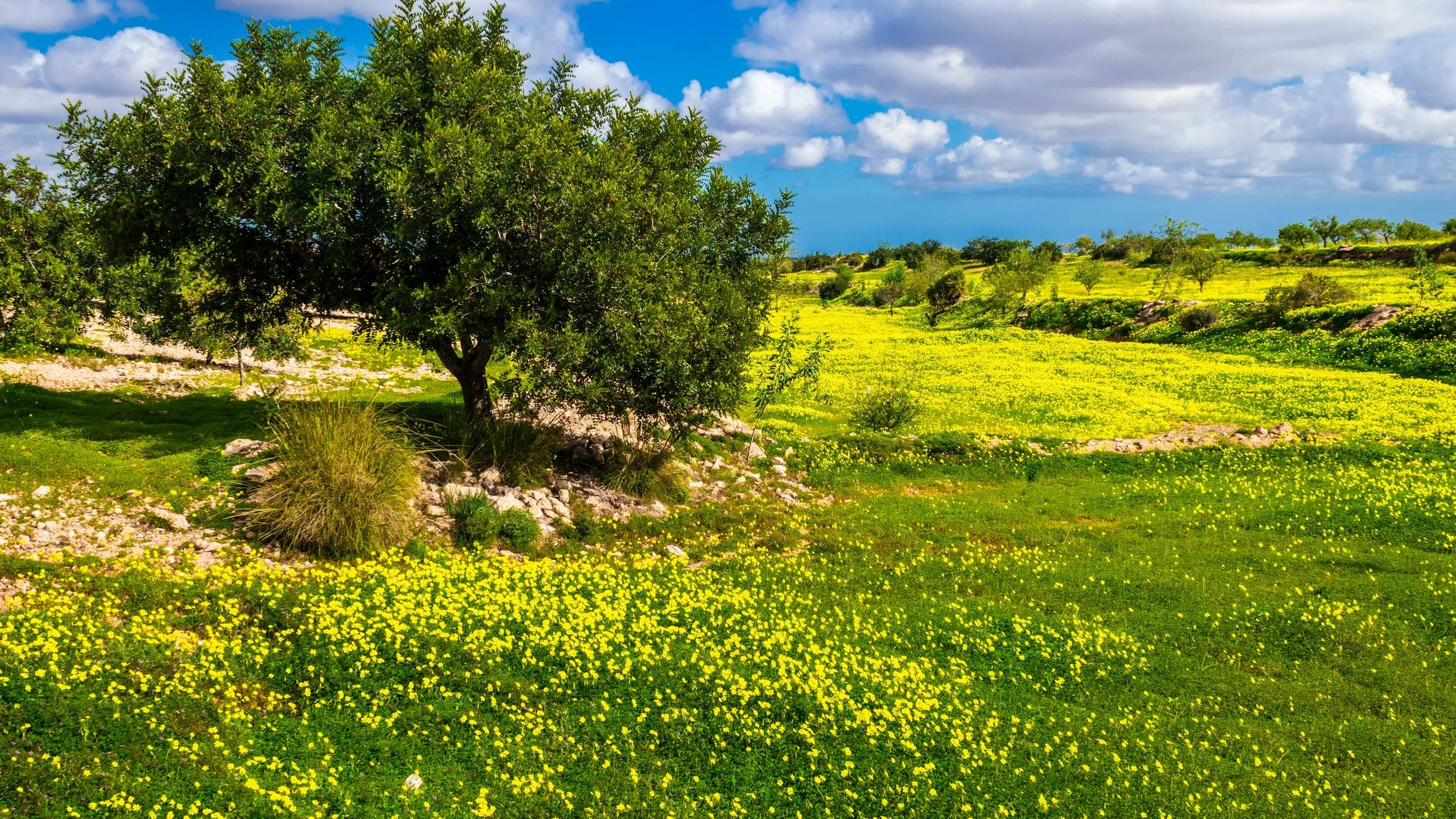
Why Spring’s Blooms In Spain Feel Like A Blink
Spring blooms in Spain arrive in waves, dazzling and brief, then gone with the next warm front. You’re chasing living calendars, because these floral peaks depend on temperature spikes, late frosts, rainfall, and altitude that staggers the timing by valley and ridge. In practical terms, most peak displays last 7–21 days, not months, and a windy week can shave that to mere days. AEMET, Spain’s national meteorological agency, tracks these swings; their weekly bulletins often explain why one province surges early while a neighboring one lags.
If you time it right, you’ll see cherry blossoms cascade through the Jerte Valley, gorse explode golden in Gredos, and poppies flood red near Polán. Miss a week and you’ll still find beauty, but not the same density, perfume, and color. Farmers and mountain communities anchor these places, balancing seasonal crowds with pruning schedules, irrigation, and conservation rules; your visit supports them when it’s respectful and well-timed.
This guide gives you the tools to catch the bloom window before it shuts. You’ll find a fast calendar by month and region, on-the-ground logistics, where to base yourself, and 10 emblematic blooms with exact spots and best hours. We also propose weekend routes that sensibly combine valleys and ranges, plus practical photography advice focused on sunrise/sunset, backlight, and macro detail. Picture bees stitching between petals while a cool sierra breeze moves the trees like a quiet tide. Pack light, move early, and keep alternative targets ready in case a hot week pulls peak bloom forward.
We keep facts tight and verifiable. For weather and road access, check AEMET, DGT (road authority), and local park notices. For festivals and bloom status, rely on municipal tourism pages—Jerte, Cieza, Brihuega, and Grazalema post updates during season. And when you’re ready to turn plans into action, you can explore rural activities by region and date through Picuco’s experience pages. Aim for dawn’s soft light, leave no trace, and let the land set your pace.
Picuco te puede ayudar
Does something here catch your eye?
Tell us.
Write to us on WhatsApp or email: we answer questions, find the best options and help you sort out the booking.
Your Spring-at-a-glance: Map In Mind, Dates On Paper
Think north-to-south and low-to-high: coastal lowlands warm first, then river valleys, then mid-mountain slopes, and finally high plateaus. In a typical year, February to early March favors almonds in Mediterranean basins; March to early April surges through oranges and cherries; April paints plains with rapeseed and poppies; May lifts mountain shrubs like gorse in Gredos; June tips into lavender and, later, sunflower waves near Carmona in Sevilla province. A cold snap delays everything; a warm, dry March speeds it up by a week or two.
-
Regional “lanes” to picture:
- North and highlands: Gredos, Castilla y León plateaus, Sierra de Grazalema’s interior.
- Center: Jerte Valley (Extremadura), Brihuega (Guadalajara), Polán (Toledo).
- South and Mediterranean: Sevilla and Axarquía (Málaga), Carmona’s sunflower belt (late spring into summer).
- Islands: Mallorca’s almonds and coastal spring flora.
-
Typical duration by bloom:
- Almond blossom: 10–20 days, sensitive to wind and frost.
- Cherry blossom: 7–14 days per altitude band.
- Orange blossom (azahar): 10–20 days of strong scent, with staggered opening.
- Rapeseed (colza): 2–3 weeks at peak yellow.
- Poppies: 1–3 weeks; heat and mowing compress the season.
- Gorse (piorno): 2–4 weeks in mid-mountain belts.
- Lavender: 2–3 weeks near cutting dates; Brihuega’s cut typically mid-July, but green-up and early blooms appear in late spring.
- Sunflowers: 2–3 weeks per field rotation; early fields may open in late May/June near Carmona.
A quick month-by-month reference:
| Month | Regions lighting up | Typical bloom highlights | Peak duration | What shifts it most |
|---|---|---|---|---|
| March | Murcia, Andalucía lowlands, Balearic valleys | Almonds (Cieza, Mallorca), azahar (Sevilla/Axarquía), early cherries at lower Jerte | 1–2 weeks | Late frosts, sirocco heatwaves |
| April | Extremadura, Castilla y León plains, La Mancha | Cherry mid–Jerte, rapeseed (Tierra de Campos), poppies (Polán), azahar continues | 1–3 weeks | Rain/wind for poppies, mowing dates |
| May | Gredos mid-slopes, interior sierras, transition to lavender | Gorse in Gredos, prados in Grazalema, late cherries at high terraces; early lavender in Brihuega fields starts showing color | 2–3 weeks | Heat spikes, stormy fronts |
| June | Brihuega, Guadalajanan plateaus, Sevilla’s countryside | Lavender fields (late June color), first sunflowers near Carmona | 2–3 weeks | Harvest calendar, irrigation |
Three planning rules help you lock dates:
- Track AEMET’s 7–10 day forecast and minimum temperatures; sub-5°C nights stall bloom, warm 20–25°C days accelerate it.
- Use altitude to your advantage: when lower terraces fade, step up 200–400 m for a second wave.
- Keep nearby alternatives—if Jerte peaks early, pivot to Gredos’ gorse or Castilla y León’s rapeseed.
Think of the country as a color tide rising northward and uphill, carrying scent and pollen on gentle morning air.
Getting There: Regions, Gateways, And Smart Links Between Blooms
You can reach most spring blooms in Spain by combining a main airport or train hub with a short car leg. Distances are manageable, but rural timing matters: sunrise shoots, narrow roads, and occasional farm traffic call for unhurried schedules. The key is pairing close targets so a missed bloom still yields a full weekend.
-
North and highlands
- Gredos (Ávila province): Base via Madrid–Barajas (MAD) and
A-5/N-502to Hoyos del Espino or Puerto del Pico (180–200 km; 2.5–3 h). From Ávila city,N-110andN-502climb quickly. Public transport thins beyond Ávila; a car is best. Trailheads like the Plataforma de Gredos have paved access; no 4x4 needed, but carry layers and check snow patches into May. - Castilla y León plains (Tierra de Campos): Valladolid or Palencia as gateways via
A-62/A-231; from Madrid:A-6/AP-6then regional roads (2–3 h). Rapeseed appears in blocks; pull-offs are frequent but respect field margins.
- Gredos (Ávila province): Base via Madrid–Barajas (MAD) and
-
Center
- Jerte Valley (Extremadura): Plasencia is the hinge via
A-66andEX-A1from Madrid (2.5–3 h; ~250 km). Buses and Renfe Media Distancia reach Plasencia, but a car gives flexibility to ladder up the valley on theN-110. No 4x4 required; park only in signed areas—bloom weekends are controlled. - Brihuega (Guadalajara): From Madrid,
A-2toCM-2005(90–95 km; ~1–1.5 h). Trains to Guadalajara city work, but you’ll want a car for field access and moving between plateaus. - Polán (Toledo): Toledo city is 17–20 km east via
CM-401; Talavera de la Reina sits 70 km west viaA-5. You can day-trip from Madrid (A-42to Toledo), then continue by car.
- Jerte Valley (Extremadura): Plasencia is the hinge via
-
South and Mediterranean
- Sevilla and Carmona: Sevilla (SVQ) airport connects swiftly; Carmona is 35 km on the
A-4. Azahar fills city patios in March–April; sunflower fields around Carmona appear late spring into early summer. Urban blooms are walkable; countryside needs a car. - Axarquía (Málaga): From Málaga (AGP), drive east on
A-7to Vélez-Málaga; villages like Frigiliana and Cómpeta lie upslope. Streets are steep; park on the edge and explore on foot. - Sierra de Grazalema: Gateways from Ronda or Jerez on
A-374/A-372to Grazalema or Zahara de la Sierra (1–2 h). Weather shifts fast; check park advisories. Some paths (like Garganta Verde) need permits; mountain roads are paved but twisty.
- Sevilla and Carmona: Sevilla (SVQ) airport connects swiftly; Carmona is 35 km on the
-
Islands
- Mallorca: Fly to Palma (PMI), rent a car, and use
Ma-13/Ma-10to loop the Raiguer plain, Binissalem area, and Tramuntana foothills. Coastal viewpoints like Mirador de Sa Foradada pair sea and blossom; watch for narrow stone-walled lanes.
- Mallorca: Fly to Palma (PMI), rent a car, and use
Practical pairing ideas:
- Combine Jerte cherries with Gredos gorse on a single weekend using
N-110+N-502(1.5–2 h between cores). - Base in Toledo to split days between Polán poppies and La Mancha plains.
- From Sevilla, sample azahar downtown, then drive to Carmona for late spring sunflower photography scouting.
Resources worth checking before you go:
- AEMET (forecast and warnings)
- Provincial tourism sites (Plasencia/Jerte, Cieza, Brihuega, Grazalema, Mallorca)
- Park notices (Sierra de Grazalema Natural Park)
- Local town halls for festival dates and access controls
Picture winding lanes where pollen drifts in sunlight, and church bells carry across fields as you plan your move.
Where To Sleep: Rural Stays, Base Towns, And Easy Parking
For dawn photography and quiet evenings, base close to the fields rather than in big cities. Rural houses, small village hotels, agrotourism stays, and well-kept campgrounds put you near trailheads and sunrise lines, with easy parking and local advice.
-
Choose your base by:
- Proximity to multiple bloom spots within 20–40 minutes.
- Parking availability and early check-out options for dawn shoots.
- Onsite kitchen or breakfast-to-go for flexible mornings.
- Family needs (cots, quiet rooms, playground) if traveling with kids.
-
Strategic base towns:
- Plasencia or Cabezuela del Valle for Jerte cherries; quick access to
N-110terraces. - Hoyos del Espino or Navarredonda de Gredos for gorse hikes and the Plataforma car park.
- Toledo or Guadamur for Polán poppies and La Mancha detours.
- Brihuega for lavender plateaus; Guadalajara city as a backup if fields are spread.
- Sevilla center for azahar, Carmona for late spring countryside drives.
- Villages of Grazalema or Zahara de la Sierra for heath and rock gardens, with permits from the park office when needed.
- Binissalem or Sóller area in Mallorca for almond loops and Tramuntana views.
- Plasencia or Cabezuela del Valle for Jerte cherries; quick access to
Camping can be excellent in Gredos and Grazalema; verify seasonal openings and quiet hours. Sustainable stays—solar-powered cottages, water-wise gardens—fit spring’s ethos and support local stewards who tend orchards and paths. Imagine a quiet patio at dusk, the day’s last petals still clinging to branches as swallows stitch the sky.
The Ten Fleeting Blooms You Should See This Spring
To catch spring blooms in Spain at their best, travel early, step lightly, and time your light. Each mini-guide below lists when to go, where to stand, how to arrive, when to avoid crowds, and how to frame your shot. Think of each valley or plain as a living calendar page that will turn whether you are there or not.
Valle del Jerte: Cherry blossom cascade
Window: Late March to early April, shifting by altitude bands from 400–900 m. Lower terraces near Valdastillas and Navaconcejo open first; higher slopes near Tornavacas follow. For the densest “cerezos en flor Valle del Jerte,” track local updates from the Mancomunidad del Valle del Jerte.
Where to stand:
- Roadside pull-offs along the
N-110between Cabezuela del Valle and Tornavacas. - Miradores above Piornal and the Garganta de los Infiernos Nature Reserve access.
- Walk short irrigation paths (always signed) to frame terraces.
Getting there: Base in Plasencia via A-66/EX-A1; then climb N-110 (20–45 min to core towns). Park only in signed spots on peak weekends.
Best hours and photo tips:
- Dawn and golden hour give pastel gradients and long shadows across terraces.
- Backlight clusters for translucency; try 50–85 mm for layered orchards, 16–24 mm at miradores.
- Include stone walls and white villages for scale; a polarizer tames glare.
Local life: Cherry culture runs deep; pruning, grafting, and water-sharing keep terraces alive. In blooming weeks, artisans and farm families open shops—buy local but never cross walls or irrigation ditches. At sunrise, the cool air smells faintly of wet stone and flowers.
Cieza (murcia): Almond dreams over the Segura
Window: Mid-February to mid-March, peaking late Feb in average years. The “almendros en flor Cieza” bloom across orchards above the Segura River meanders.
Where to stand:
- Hoya del Campo high points for patchwork views.
- Ascoy and the “Soto de la Zarzuela” edges for river curves with trees.
- Short farm tracks signposted during the floración; obey closures and keep to margins.
Access: From Murcia city, take A-30 (45–50 min). In peak weeks, parking plans funnel cars to designated lots with shuttles.
Best hours and photo tips:
- Early morning for mist in river bends; 70–200 mm works for compressing rows and pink-white gradients.
- Compose with irrigation channels and the Segura’s green ribbon for context.
- Weekday dawns are quiet; weekends bring crowds—arrive before sunrise.
Community and festivals: Cieza hosts guided routes and cultural events celebrating growers’ work. Ask at the tourism office for current maps and etiquette. A sweet almond scent rides the cool morning air like a soft chorus.
Sierra de Gredos (ávila): Gorse banners on granite
Window: Late April through May, depending on slope aspect and elevation. The “piornos Gredos” (gorse) ignite sun-facing hillsides near Puerto del Pico, the Plataforma de Gredos, and the valleys around Navarredonda.
Where to stand:
- Pull-offs near Puerto del Pico for road-and-ridge compositions.
- Trail from the Plataforma towards the Laguna Grande (check snow; it lingers).
- South-facing slopes above Hoyos del Espino for wider yellow carpets.
Access and safety: From Ávila, use N-110/N-502. Trails are well-marked but exposed; bring wind layers and respect afternoon storms. Snow patches can remain above 1,800 m—trekking poles help.
Best hours and photo tips:
- Mid to late afternoon for side light that sculpts granite and blooms.
- Wide angles (14–24 mm) for sky-to-slope sweeps; 35–85 mm for yellow against bare rock.
- Seek contrasts: yellow gorse, gray granite, and cobalt sky; a polarizer deepens blue.
Local care: Shepherds and park rangers manage fire risk and trails; step around shrubs to avoid damaging new growth. A low hum of bees threads the slopes while wind combs the bloom.
Polán (toledo): Red seas of poppies
Window: April to May, sometimes into early June if rains are kind. Fields sway near Polán, Gálvez, and small roads west of Toledo; look for uncultivated patches and field margins.
Where to stand:
- Rural lanes off
CM-401around golden-hour; scout the day before. - Hillocks for elevated views pairing red fields and distant silos or towers.
- Macro corners at field edges—never step into crop lines.
Access: Toledo is your hub; Polán sits ~20 km west (25–30 min). From Talavera de la Reina, it’s ~70 km east via A-5/CM-401 (1–1.2 h).
Best hours and photo tips:
- Sunrise or calm evenings; poppy petals tear in wind.
- Macro: f/4–f/5.6 to isolate petals; Landscape: f/8–f/11 with a low tripod and foreground poppies.
- Pair fields with La Mancha windmills or Toledo’s skyline for narrative.
Respect: Many poppy carpets grow on fallow or field margins; never trample or cross into sown areas. The faint rustle of stems sounds like soft rain under hushed skies.
Brihuega (guadalajara): Lavender horizons taking shape
Window: Classic color in late June to mid-July, but in late spring you’ll see green-to-violet transition and early blooms if heat arrives. Brihuega stands out for its scale, gentle plateaus, and festival culture, with access managed to protect plants.
Where to stand:
- Plateaus off
CM-2005and tracks signposted by the town. - High points near Malacuera for rippling lines.
- Safe pull-offs only; never park on crop edges.
Access and notes: From Madrid via A-2 (1–1.5 h). Festival dates alter traffic; respect “no entry” tracks. Drones may require permits—check municipal rules.
Best hours and photo tips:
- Sunset gives warm-magenta hues; dawn is quieter and mist can pool in hollows.
- Lenses: 24–70 mm for rows, 70–200 mm to compress patterns; a ND filter helps long exposures of wind-blown stems.
- If flying a drone where allowed, stay high and avoid hovering over people or wildlife.
Respect the rules: “No stepping, no cutting” protects fragile rows and farmer livelihoods. The scent turns from herbal-green to floral-sweet as the season leans into summer.
Sevilla and Axarquía: Orange blossom in courtyards and groves
Window: March to April, peaking for 10–20 days as temperatures rise. In Sevilla, streets and patios drip with azahar; in Málaga’s Axarquía, groves thread valleys between white towns.
Where to stand:
- Sevilla: Barrio de Santa Cruz lanes, shaded plazas, and riverside walks for scent and architecture.
- Axarquía: roads above Vélez-Málaga, village edges of Frigiliana/Algorrobo for terraces and sea glimmers.
Access: Sevilla (SVQ) and Málaga (AGP) airports make this simple; urban bloom is best on foot or bike. For Axarquía, hire a car and park outside steep village cores.
Best hours and photo tips:
- Morning shade in Sevilla makes soft street portraits; seek reflected light off whitewashed walls.
- Golden hour in Axarquía with orange rows rolling to the Mediterranean; 35–85 mm for terraces.
- Capture scent-by-association: hands, cups of coffee, and petals on tiles.
Local rhythm: Semana Santa processions overlap bloom in some years—plan around crowds. The air feels almost edible, sweet with bitter-orange notes that cling to stone.
Castilla y León: Rapeseed plains in full blaze
Window: Mostly April, with May lingering at higher, cooler spots. Fields near Medina de Rioseco, Villalón de Campos, and across Tierra de Campos form immense yellow canvases.
Where to stand:
- Rural triangles between Valladolid, Palencia, and León; check
A-231exits and local lanes. - Church spires and dovecotes (palomares) lend scale and heritage.
- Low ridges for layered field geometry.
Access: From Valladolid or Palencia city, drive 15–45 minutes on secondary roads. Be mindful of farm machinery—pull over fully off pavement.
Best hours and photo tips:
- Side-lit afternoons punch texture; overcast days saturate yellow evenly.
- 24–70 mm for leading tracks; 70–200 mm compresses stripes of green and gold.
- Never enter crops; photograph from roads, tracks, or field edges with permission.
Community: These are working landscapes; a wave to farmers and a tidy verge stop go a long way. Larks spiral up, and the air shimmers faintly over warm soil.
Sierra de Grazalema: Heaths, rockrose, and mountain weave
Window: Spring into early summer; rockrose (jara) and heaths pop across limestone folds. Expect variability with rain patterns; this range is among Spain’s wettest, so blooms can be lush.
Where to stand:
- Slopes above Grazalema on
A-372pull-offs; Zahara de la Sierra miradores. - Waymarked paths like El Pinsapar (permit needed) and Llanos del Endrinal.
- Avoid steep, eroded shortcuts; stick to signed routes.
Access and weather: From Ronda or Jerez, allow 60–90 minutes on twisty roads. Fog and wind arrive fast; check park advisories and carry a shell.
Best hours and photo tips:
- Morning for dew on petals; macro patterns of rockrose centers are striking.
- Landscape frames: 16–35 mm for limestone towers and floral foregrounds.
- Watch gusts; raise ISO to 400–800 and keep shutter at 1/250–1/500 to freeze movement.
People and place: Pastoral traditions shape meadows and paths—yield to livestock and close gates. The breeze carries thyme and resin while swifts carve the air.
Mallorca: Almonds and island spring tapestry
Window: February to early March for almonds, with other Mediterranean species layering into April along coast and low hills. The Raiguer plain and Serra de Tramuntana foothills light up first.
Where to stand:
- Backroads around Binissalem, Sencelles, and Santa Maria del Camí for orchard mosaics.
- Tramuntana miradores (Sa Foradada, Coll de Sóller) to pair bloom and sea.
- Stone-walled lanes for texture—drive slowly and park only in safe lay-bys.
Access: Fly into Palma (PMI); 20–50 minutes by car to core zones via Ma-13 and Ma-10. Weekday dawns are quiet; weekends bring cyclists—share the road.
Best hours and photo tips:
- Blue hour to sunrise for soft light on white petals; expose carefully to hold highlights.
- Mid-telephoto (70–135 mm) compresses terraces against mountain ridges.
- For coastal frames, use a graduated ND filter to balance sea and sky.
Local wisdom: Agrotourism stays share orchard rhythms; ask about paths and etiquette. The morning smells of almond milk and salt, faint and clean.
La Alpujarra (granada/almería): Terraced blossoms under high peaks
Window: March to April across a patchwork of fruit trees and almonds on terraced hills below the Sierra Nevada. Each village tier blooms slightly out of sync, offering natural “backup windows.”
Where to stand:
- Miradores in Pampaneira, Bubión, and Capileira for terrace layers.
- Country lanes near Órgiva and Lanjarón for lower, earlier blossoms.
- Footpaths between villages; respect irrigation channels (acequias) and closed gates.
Access and care: Roads from Granada (1–2 h via A-44/A-348) or the coast (1–1.5 h). Lanes are narrow; drive unhurriedly and avoid blocking farm access.
Best hours and photo tips:
- Late afternoon for warm light on white villages and pink-white trees.
- Include snow-capped peaks if present; a polarizer deepens sky without overcooking whites.
- For intimate frames, f/4 isolates blossoms against slate roofs.
Community roots: Terracing, water-sharing, and chestnut groves reflect centuries of care; greet farmers, step wide of seedlings, and take your time. The sound of water runs below as swallows flicker between terraces.
Weekend Plans: Walks, Views, Festivals, And Tasting The Season
Spring’s color is best when you anchor it to simple routes, village squares, and local tastes. Choose short, family-friendly trails, scenic drives with clear pull-offs, and small festivals where growers explain their work. Think fresh cheeses in Gredos, citrus pastries in Sevilla, and cherry treats in Jerte. The air is cool in shade, warm in sun, and seasoned by fields.
- Core activities around blooms:
- Short hikes: Jerte irrigation paths, Gredos mirador walks, Grazalema meadows.
- Scenic drives:
N-110terraces,CM-2005lavender plateaus,A-372white-village circuit. - Local experiences: orchard tastings, village markets, seasonal photo walks (ask tourism offices).
- Family time: picnic spots with trash facilities, gentle loops under 5 km, early lunches to avoid crowds.
Short escape: 48 hours that still feel unrushed
Who it suits: Families or couples with one free weekend, chasing spring blooms in Spain without long drives. Base where two targets sit within 60–90 minutes.
Sample plan (Jerte + Gredos, early April if timing aligns):
- Day 1 (Friday evening): Arrive Plasencia, quick grocery stop, early night.
- Day 2 (Saturday): Predawn to Navaconcejo; shoot cherry terraces from
N-110pull-offs. Late breakfast in Cabezuela del Valle; stroll irrigation paths signed for visitors. After lunch, driveN-110→N-502(1.5–2 h) to Hoyos del Espino; sunset over gorse-sprinkled slopes if bloom already shows. - Day 3 (Sunday): Short hike from the Plataforma de Gredos (trail begins paved) for yellow contrasts and granite. Brunch in village, then return to Madrid (2.5–3 h).
Logistics:
- A car saves time; no 4x4 needed.
- Dawn starts sidestep crowds; keep afternoons flexible for kid naps or café stops.
- If cherries peak early, focus more on Gredos hikes; if snow lingers, add Rapeseed plains near Ávila as a backup.
One line to remember: Crisp mountain air carries the scent of wet bark and new leaves at first light.
Long weekend: Linking 2–3 blooms without rushing meals
Who it suits: Travelers who like variety—villages, fields, and a modest hike—with time to breathe. Plan for 3 days, 2 bases.
Sample plan (Toledo + Brihuega + Sevilla/Axarquía across April–May windows):
- Day 1: Morning in Toledo’s old town; afternoon to Polán poppy scouting on
CM-401lanes; sunset shoot; sleep near Toledo. - Day 2: Drive
A-2to Brihuega (1.5–2 h). In late spring, scout early lavender color and plateau views; if too green, divert to rapeseed in eastern Guadalajara or La Alcarria villages. Sleep in Brihuega or Guadalajara city. - Day 3: Early train or flight to Sevilla (if feasible) or drive south if starting from Madrid another weekend. In Sevilla, walk azahar-scented lanes; or rent a car to Axarquía for terrace landscapes and sea horizons.
Logistics:
- Check bloom reports the week before; shift Brihuega day to week +2 if needed.
- Eat village lunches on the main plaza; kitchens keep local rhythms (14:00–16:00).
- Parking: urban historic centers restrict traffic—use edge lots and walk in.
Scent and sound: Church bells, café spoons, and orange blossom perfume braid into a slow midday.
Intensive photo loop: Dawn to dusk, with backups
Who it suits: Photographers chasing light windows with contingency plans and gear backups. Keep travel tight to reduce risk.
Sample plan (Castilla y León plains + Gredos, late April):
- Day 1 (Arrival PM): Scout Tierra de Campos pull-offs near Medina de Rioseco; mark two sunrise and two sunset angles. Sunset: side-lit rapeseed lines.
- Day 2: Sunrise on a long farm track (public) with church spire; mid-morning macro in field edges; noon transfer
A-6/N-502to Hoyos del Espino (2–2.5 h); sunset over gorse if in bloom. - Day 3: Sunrise hike above tree line for granite + yellow; late breakfast; backup stop at a different rapeseed sector en route back.
Logistics and permits:
- Drones: verify with local municipalities and national rules; avoid protected areas.
- Carry two batteries per camera and a car charger; wind eats power and sharpness.
- Use weather apps for wind/gusts; under 20 km/h is ideal for flowers.
Feel the tripod vibrate in a gentle gust, then still, as the sun flares over the ridge.
Essentials: Weather, Conduct, And The Gear That Matters
Spring is movable and alive; your plan should flex the same way. Check microclimates, respect land and people, and pack only what you’ll truly use. A light kit and good boots beat a trunk full of glass you never pull out. The earthy smell of tilled soil and wet grass is spring’s quiet cue to slow down.
Weather, permits, and staying safe
- Forecasts: Use AEMET’s 7–10 day outlook plus hourly wind for shoot windows; lows under 5°C stall early blooms, hot spells bring them forward.
- Mountain notes: Gredos and Grazalema hold wind and sudden cloud; bring layers, a hat, and an emergency whistle. Snow patches linger near 1,800–2,000 m in Gredos into May—microspikes may help on early mornings.
- Drones and commercial work: National rules require keeping distance from people/roads; many municipalities restrict flights over fields and towns. For commercial shoots, carry insurance and permits; natural parks often need written authorization.
- Roads and parking: Rural verges can be soft; park fully off pavement and never block farm gateways. On peak cherry weekends, Jerte uses managed parking—follow marshals.
Mobility and field etiquette
- Choose authorized tracks and signposted routes; never cross irrigation ditches or terrace walls.
- Don’t step into crops, even for “just one shot”—shoot from edges or public paths.
- Carry out all trash; use established picnic areas and toilets in villages.
- Ask before entering private land; a wave and a few words go far in rural towns.
- Public transport is decent to hubs (Sevilla, Valladolid, Murcia), but rural timing favors cars; share rides when possible to reduce pressure on pull-offs.
- For updates, check town halls, local tourism offices, and park visitor centers; many post bloom maps and access rules during peak weeks.
Photo kit and simple, reliable settings
- Priorities: a weather-sealed camera, sturdy but light tripod, circular polarizer, and a microfiber cloth. Optional: ND filter for motion blur in wind.
- Lenses:
- Landscape: 16–35 mm and/or 24–70 mm.
- Compression/details: 70–200 mm.
- Macro: a 90–105 mm macro or extension tubes for close-ups at field edges.
- Baseline settings:
- Landscapes: ISO 100–200, f/8–f/11, shutter as needed (use tripod).
- Windy blooms: raise ISO to 400–800; keep shutter at 1/250–1/500 to freeze petals.
- Backlit blossoms: spot meter on petals, dial +0.3 to +1 EV if needed.
- Phones: Use night/long exposure modes on a mini-tripod; tap to expose for petals, not sky. Bring a power bank and clear storage nightly.
A simple cloth to dry dew and a second battery often matter more than a bag of lenses you won’t carry at dawn.
Book your experience — discover active travel in Spain with providers verified by Picuco.
Conclusion
The season is swift, but planning makes it generous: match region to month, track forecasts, and build “Plan B” targets within an hour’s drive. Below, find answers to the most common doubts travelers share when timing spring blooms in Spain, then pick your weekend and move lightly through these working landscapes. In quiet moments, a breeze lifts petals and carries them down-valley like pale snow.
When do cherry blossoms peak in the Jerte Valley?
Typically late March to early April, starting on lower terraces and rising upslope by 1–2 weeks. Follow local tourism updates for current status, as warm or cold spells push the window in either direction.
How can I avoid crowds at famous spots like Jerte or Brihuega?
Arrive before sunrise on weekdays, park only in designated lots, and target secondary viewpoints with clear pull-offs. If a hotspot is packed, pivot to a nearby terrace or plateau 10–20 minutes away.
Is there good accessibility for travelers with reduced mobility?
Yes, many viewpoints are roadside or near paved paths, especially in Jerte, rapeseed plains, and Brihuega’s plateaus. Check with local tourism offices for accessible parking and paved lookouts before you go.
Are mountain areas like Gredos and Grazalema safe in spring?
They are if you respect weather and carry layers; wind and sudden cloud are common. Stay on marked trails, check park advisories, and avoid high routes in storms or lingering snow without proper gear.
Do I need a permit to fly a drone over fields?
You must comply with national drone rules and any local restrictions; many towns prohibit flights over people or historic centers, and parks may require permits. Always check municipal and park notices first.
Spring will not wait, but it will reward those who move early, tread kindly, and leave the fields as they found them. Check local calendars, confirm bloom status close to your dates, and when you are ready, explore experiences by region through Picuco to turn your plan into a fragrant, color-soaked weekend.