Why These Scenic Viewpoints in Spain Belong on Your List
A land of spectacular lookouts
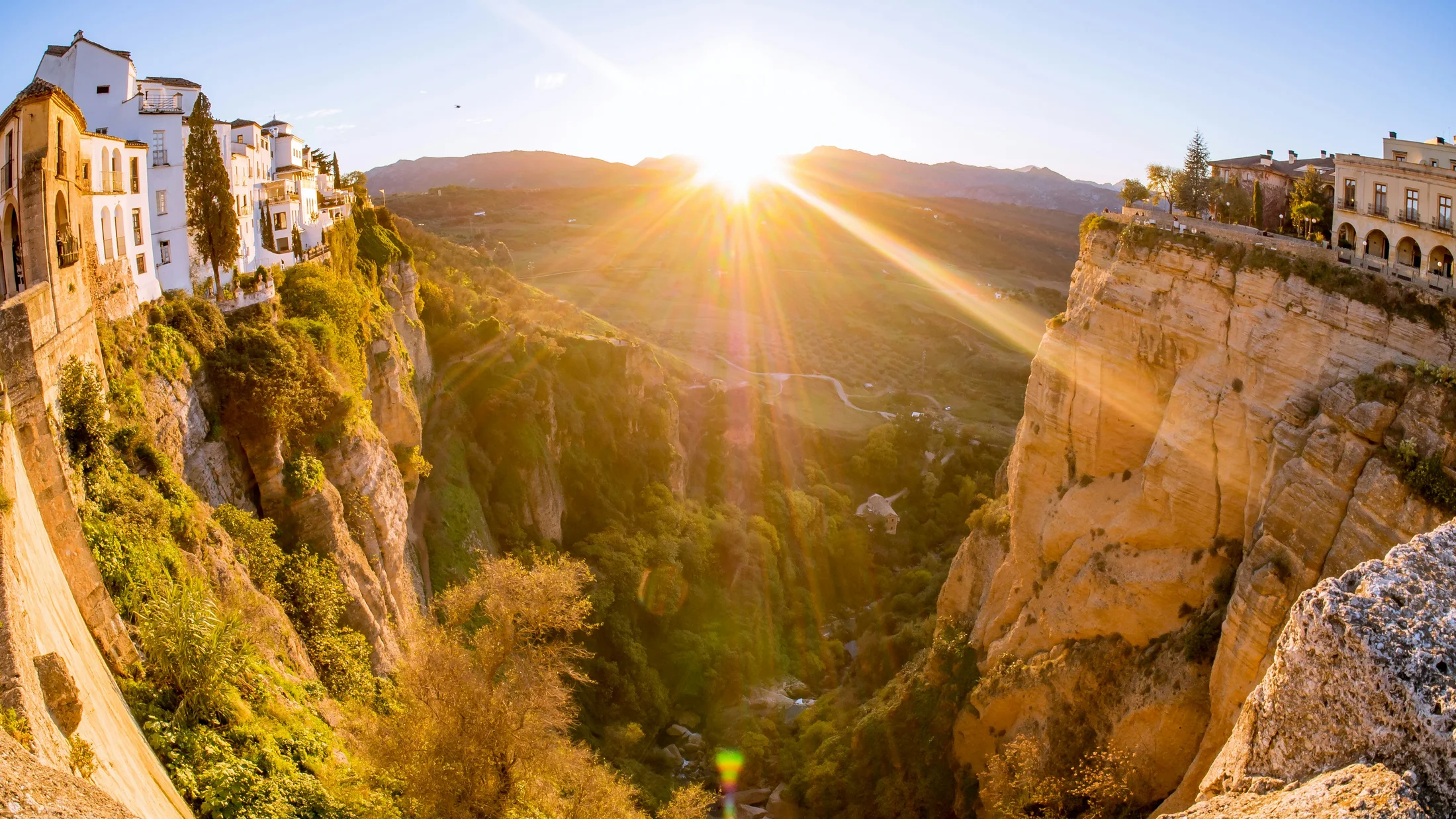
Spain rewards the patient observer, and viewpoints Spain travelers seek range from ocean cliffs to volcanic rims. You’ll find spectacular viewpoints Spain boasts in national parks, island coasts, high sierras, and urban hillsides—each offering panoramic views Spain fans chase for photography and slow travel. From family-friendly rail-accessed terraces to wild balconies reached by a short hike, these Spain lookout points serve different kinds of trips. A single breath at dusk can carry pine resin in the mountains or salt spray on the coast. This list focuses on varied audiences—couples, families, hikers, and photographers—so you can match a vista to your pace and interests. Expect a curated selection of the best viewpoints in Spain, with practical details for planning at your own rhythm.
How we chose the 12 lookouts
We selected twelve viewpoints across distinct regions to showcase coast and mountain, islands and mainland, remote and urban. We prioritized strong visual impact (wide horizons, iconic silhouettes), accessibility (road or short paths), safety (barriers or clear footing), singularity (geology, culture, or architecture), cost (free when possible—highlighting “miradores gratis España”), sustainability (signage, leave-no-trace), and best light (dawn, golden hour, blue hour). Crisp morning air or the hush before sunset can sharpen color and contrast. For each, you’ll find how to get there, effort level, whether there’s an entry fee, ideal moments, and on-site tips. You’ll also find a viewpoints map Spain readers can use to filter by coast/mountain, accessibility, or proximity to cities, plus an FAQ and seasonal advice. Use this as a planning toolkit and pick the lookout that fits your time, group, and curiosity.
Picuco te puede ayudar
Does something here catch your eye?
Tell us.
Write to us on WhatsApp or email: we answer questions, find the best options and help you sort out the booking.
Map of Locations
A good map turns scattered dots into a route you can actually use. Our interactive viewpoints map Spain readers love includes the 12 lookouts, a short description, and practical info to help you plan efficiently. Picture a clear legend where each icon speaks plainly: a “P” for parking, a coin for paid access, and a boot for a trail segment. You can filter by province, by coast vs mountain, and by accessibility (wheelchair-friendly terraces, family-stroller options, short hikes). Each pin includes coordinates, a distance estimate to the nearest major town, and the best time of day for light. As the sun turns the coastline honey-gold, a single tap can reveal which balconies face west. For road trips, toggle the driving layer to preview winding mountain roads or coastal highways. If you travel by train/bus, use the transit overlay to check nearest stations and walking times. Combine pins to build a loop—perhaps a sunset on the coast and a sunrise in the highlands—so your journey flows naturally. Keep an eye on the note field for seasonal alerts (capacity controls or winter closures) issued by park authorities and town councils.
12 Unmissable Viewpoints Across Spain
1.Mirador del Río: La Graciosa from Lanzarote’s cliff edge
César Manrique’s 1970s intervention blends architecture and lava into a seamless window over the Chinijo archipelago. The view drops nearly 400 meters to La Graciosa, a sand-and-ochre mosaic set in Atlantic blue. The trade wind brushes your cheeks as gulls slice the air below the balcony.
- Location: Northern Lanzarote, Risco de Famara (near Haría).
- Why it’s spectacular: Sheer drop to La Graciosa, Montaña Clara, and Alegranza; Manrique’s sculpted lookout frames panoramic views Spain is famous for.
- Access/parking: Paved road and on-site parking; short walk from car park.
- Price: Paid cultural site (CACT Lanzarote). Check official pricing; concessions may apply.
- Best time: Late afternoon to sunset for warm light and island contours; mornings for clearer skies.
- Effort: Easy; minimal walking from parking to terrace.
- Ideal for: Architecture lovers, families, landscape photographers, first-time visitors.
- Tips: Bring a polarizing filter to deepen ocean tones; step to the side windows to avoid reflections on glass.
- Time on site: 30–60 minutes, longer if you visit the café-exhibit area.
- Note: On windy days, outer terraces can feel exposed; secure hats and light gear.
Practical extra: If you prefer free vantage points, nearby roadside pullouts along the Risco offer raw versions of this view, but without facilities.
2.Mirador de San Nicolás: The Alhambra and Sierra Nevada in one frame
High in Granada’s Albaicín, this church square frames the Alhambra against snowy summits when winter’s clear days arrive. Guitar chords drift through the air as dusk paints the palace walls in ember-red. The cobbles underfoot warm slowly as evening crowds gather.
- Location: Plaza de San Nicolás, Albaicín, Granada.
- Why it’s spectacular: Iconic alignment of Alhambra and Sierra Nevada—one of the best viewpoints in Spain for classic skyline shots.
- Access/parking: Reach on foot via Albaicín lanes; limited car access; city buses and taxis serve nearby points.
- Price: Free (one of the celebrated “miradores gratis España”).
- Best time: Sunset into blue hour when palace lights glow; winter for snowy peaks; early morning for fewer people.
- Effort: Moderate walk over cobbled, sometimes steep streets.
- Ideal for: Photographers, couples at sunset, small groups.
- Tips: Set up on the square’s northern edge to keep crowd heads out of foreground; a 35–50 mm lens frames palace and peaks naturally.
- Time on site: 30–90 minutes, depending on light and crowd.
- Crowd management: Arrive 45–60 minutes before sunset on weekends; consider nearby Mirador de Los Carvajales for a quieter angle.
Respect neighbors: Keep music low and take your litter—this is a lived-in historic quarter, not a stage.
3.Balcón de Europa: Nerja’s urban terrace over the Mediterranean
A marble promenade thrusts like a prow between coves, delivering a 270-degree horizon over the Axarquía coast. Sea breeze carries the scent of salt and fried fish from nearby terraces. The railings gleam under first light as waves hiss below.
- Location: Central Nerja, Málaga province.
- Why it’s spectacular: Urban viewpoint with sweeping sea cliffs, beaches, and the Sierra Almijara backdrop.
- Access/parking: Pedestrian access in town center; pay parking in Nerja; short, flat approach.
- Price: Free; benches and shade available.
- Best time: Sunrise for calm seas and soft light; golden hour for cliff textures; winter days for crystal visibility.
- Effort: Easy; fully accessible for strollers and wheelchairs.
- Ideal for: Families, relaxed walkers, casual photographers.
- Tips: Scout nearby side stairways for lower platforms; combine with a stroll to Calahonda Beach for surf-level shots.
- Time on site: 30–60 minutes, plus café time if you linger.
- Nearby: Nerja Caves (short drive/bus) and the coastal promenade for an extended walk.
Crowds thin early morning—enjoy the hush before cafés open and the day turns bright and busy.
4.Peñón de Ifach: A limestone sentinel above the Costa Blanca
This 332-meter rock pierces the sea at Calpe, a natural park since 1987, with switchbacks that climb into gull country. The scent of sun-warmed thyme rises from the path as the marina shrinks to a toy harbor below. The tunnel’s cool breath is a surprise midpoint.
- Location: Calpe, Alicante province (Parc Natural del Penyal d’Ifac).
- Why it’s spectacular: 360-degree views over coves, salinas, and serrated coastlines—a benchmark for miradores costa y montaña.
- Access/parking: Signed trail from the park entrance; limited parking; capacity controls with prior booking in peak periods (Generalitat Valenciana).
- Price: Free access; reservation required in high season—confirm on park site.
- Best time: Morning for shade on ascent; winter for clarity; sunset from town to capture the rock’s silhouette.
- Effort: Moderate to strenuous beyond the tunnel; rocky footing, exposure near the summit.
- Ideal for: Fit hikers, sunrise chasers, geology fans.
- Tips: Wear grippy shoes; avoid weekend mid-mornings; carry 1–1.5 liters of water per person in warm months.
- Photo note: From La Fossa beach, frame the Peñón at sunset for a dramatic profile over calm water.
Always heed closures and stay on marked paths—rescue calls are frequent after rain or high wind.
5.Mirador del Fito: Between the Cantabrian Sea and the Picos de Europa
Perched on the Sierra del Sueve, this concrete observatory resembles a small UFO watching the coast and the limestone giants inland. Morning air smells of damp pasture as cowbells echo from lower meadows. The horizon toggles between blue sea and jagged peaks with a single turn.
- Location: AS-260 road between Arriondas and Colunga, Asturias.
- Why it’s spectacular: Rare dual view—eastern Asturian coast and Picos de Europa in one sweep.
- Access/parking: Roadside parking; short walk to the circular platform; additional trails nearby.
- Price: Free (another good entry in the “miradores gratis España” hunt).
- Best time: Autumn for crisp air; winter days after storms; spring for green pastures; early morning for low coastal haze.
- Effort: Easy to viewpoint; moderate if adding local trails.
- Ideal for: Families, motorists, mountain gazers, photographers seeking depth layers.
- Tips: Use a telephoto to compress sea and peaks; bring a windbreaker—gusts can whip over the saddle.
- Time on site: 20–45 minutes, plus hikes (1–3 hours) if you continue along the Sueve.
Local note: Villages like Colunga and Lastres offer sidetracks for cider culture and fisherman-quarter strolls.
6.Mirador do Ézaro: Where the Xallas River meets the Atlantic
Few rivers reach the sea as a vertical sheet—here the Xallas tumbles directly into the Ría de Corcubión. Spray cools your face while granite turns slick and dark under the flow. The Atlantic breathes in slow swells below the footbridge.
- Location: Ézaro, Dumbría, A Coruña (Costa da Morte).
- Why it’s spectacular: A rare waterfall-to-sea finish with layered coastal headlands around.
- Access/parking: Signposted parking near the base; boardwalk and steps to official viewpoints; additional elevated miradores on the flanks.
- Price: Free public access; occasional lighting events may be announced by the local council.
- Best time: After rains (autumn–spring) for strong flow; sunrise for soft backlight; summer evenings for calmer winds.
- Effort: Easy to moderate depending on which platforms you visit.
- Ideal for: Families, coastal hikers, long-exposure photographers.
- Tips: Non-slip shoes; mind wet railings; use ND filters for silky water; consider the upper road viewpoint for a full estuary panorama.
- Time on site: 45–90 minutes, longer if exploring nearby coastal paths.
Combine with a drive along the Costa da Morte’s lighthouses for big-sky horizons and village seafood stops.
7.Mirador del Nervión: Over the tallest waterfall on the Iberian Peninsula
At the border of Álava and Burgos, limestone cliffs curl into a horseshoe around the seasonal Salto del Nervión. In a damp breeze, moss smells peppery as ravens ride the updrafts from the void. The roar can be thunder or a whisper, depending on the rains.
- Location: Monte Santiago Protected Area, access from Berberana (Álava) or Delika (Burgos).
- Why it’s spectacular: A 200+ meter free-fall (seasonal) into a lush canyon; one of the most spectacular viewpoints Spain offers in the north.
- Access/parking: Parking at Fuente Santiago or Delika; signed tracks to the mirador.
- Price: Free; check local advisories in wet seasons.
- Best time: Late winter to spring after rains/snowmelt; mornings for fewer visitors; mist adds drama.
- Effort: Easy to moderate; 2–6 km round trip depending on parking; mostly level forest track.
- Ideal for: Hikers, families with older kids, waterfall chasers.
- Tips: Bring waterproofs; stay behind railings—edges are undercut; pair with nearby viewpoints of the canyon rim for alternate angles.
- Time on site: 60–120 minutes including the walk.
Local pairing: Explore the karst beech forests of Monte Santiago for a quieter, mossy counterpoint.
8.Mirador de la Peña de Francia: A high mesa over Salamanca’s sierras
At 1,727 meters, a sanctuary crowns a rocky summit where horizons roll in waves across the Sierra de Francia and the dehesa. Air is thin and crisp; in winter it smells like stone cooled by snow. Bells toll softly from the monastery as clouds throw moving shadows.
- Location: Sierra de Francia, Salamanca; road
SA-203to the top (seasonal closures possible). - Why it’s spectacular: Immense 360-degree panorama of villages, ridges, and plains; a sense of open-cast Spain.
- Access/parking: Drive almost to the summit; short stairs/ramps to terraces; trails radiate outward.
- Price: Free terraces; donations welcome at the sanctuary.
- Best time: Autumn and winter for atmospheric clarity; spring for bloom in lower valleys; sunset for long shadows.
- Effort: Easy at the summit; moderate if extending on foot.
- Ideal for: Road-trippers, contemplative travelers, long-lens landscape photographers.
- Tips: Carry warm layers—wind is common; watch for ice in winter; check road access with the provincial authority.
- Time on site: 30–60 minutes, plus hikes if you linger.
Nearby: Villages like La Alberca offer half-timbered streets and charcutería rooted in centuries-old mountain traditions.
9.Mirador de Monte Igueldo: Looking over San Sebastián’s shell-shaped bay
From the classic funicular (operational since 1912) or a short drive, you rise to a vintage amusement park terrace above La Concha and Ondarreta. The bay smells faintly of kelp while breezes carry notes of grilled fish from the old town. City lights trace the scalloped shore at night.
- Location: Western end of San Sebastián, Gipuzkoa.
- Why it’s spectacular: Elevated, symmetric view of La Concha Bay with Santa Clara Island perfectly centered.
- Access/parking: Funicular from Ondarreta or drive up; parking limited at the top.
- Price: Entrance fee to the terrace/amusement area; funicular ticket if you ride.
- Best time: Late afternoon to blue hour for gold-to-cobalt transitions; winter days for crisp visibility.
- Effort: Easy; short walks on paved surfaces.
- Ideal for: Families, urban photographers, sunset watchers.
- Tips: Night photography benefits from a small tripod and low ISO; pick a spot left of the tower for balanced composition.
- Time on site: 45–90 minutes including funicular time.
Add a pintxo crawl post-sunset and you’ll pair a visual feast with culinary tradition.
10.Mirador de Sant Joan: Montserrat’s serrated skyline from above
Serrated conglomerate towers rise like organ pipes around the Montserrat massif, with upper terraces linked by the Sant Joan funicular. The rock warms to pink at dawn as rosemary scents lift on the breeze. The monastery below hums with bells and soft voices.
- Location: Montserrat, Barcelona province.
- Why it’s spectacular: Close-up alignments of needle-like rock forms and sweeping Catalan lowlands.
- Access/parking: Train from Barcelona to Monistrol + rack railway and funicular to Sant Joan, or drive to the monastery and ride the funicular.
- Price: Funicular ticket required; monastery terraces free; combo tickets available—verify current options.
- Best time: Morning for calm air; winter for clearest horizons; spring for bloom on slopes.
- Effort: Easy to the viewpoint; moderate if adding hikes (e.g., to Sant Jeroni).
- Ideal for: Families, geology fans, sunrise photographers.
- Tips: Weather changes fast; carry layers; avoid thunderstorms—rocky, exposed terrain is risky.
- Time on site: 45–120 minutes depending on hikes.
Context: Montserrat Natural Park publishes trail advisories—check for works or temporary closures before committing to longer routes.
11.Mirador de Es Vedrà: Ibiza’s mythic rock at arm’s length
Off Cala d’Hort, the limestone monolith of Es Vedrà rises like a ship’s prow mid-channel, a magnet for sunset pilgrims. Warm air smells of juniper and salt as cicadas buzz in the brush. The horizon melts from orange to indigo behind the dark silhouette.
- Location: Southwest Ibiza; viewpoints above Cala d’Hort and along the road to Torre des Savinar.
- Why it’s spectacular: Iconic islet, dramatic cliff perches, and sunset line-of-sight.
- Access/parking: Roadside pullouts and small lots; short, sometimes dusty paths to cliff edges; strict caution near unfenced drops.
- Price: Free; no formal facilities at some spots.
- Best time: Sunset for color; calm winter evenings for clarity; shoulder seasons for thinner crowds.
- Effort: Easy to moderate; uneven terrain near edges.
- Ideal for: Sunset chasers, coastal wanderers, long-exposure photographers.
- Tips: Arrive 60–90 minutes before sunset to secure a safe, stable spot; avoid cliff overhangs; bring headlamp for walk back.
- Time on site: 60–120 minutes including parking and walk.
Respect private land and follow posted signs—Ibiza’s cliffs are fragile, and rescues at dusk are common.
12.Mirador de Calcilarruego: Over the U-shaped valley of Ordesa
High above the Pradera de Ordesa, this balcony opens onto straight-cut limestone walls, beech forests, and the river like a silver thread. Cool resin and damp leaf litter scent the air after afternoon shade slides in. Griffon vultures circle eye-level, catching thermals from the cliffs.
- Location: Ordesa y Monte Perdido National Park, Huesca; above the Ordesa Valley.
- Why it’s spectacular: Classic glacial valley panorama, stratified cliffs, and seasonal color—golden beech in autumn, lush greens in spring.
- Access/parking: Base access from Torla-Ordesa; park-and-ride buses in peak season; steep ascent via the Senda de los Cazadores to the mirador; check current trail advisories with park authorities.
- Price: Free access; bus ticket in peak season to reach trailhead.
- Best time: Spring and summer for open trails; autumn for color; early starts beat heat and crowds.
- Effort: Strenuous if using Senda de los Cazadores (significant elevation gain); alternatives require longer traverses—study maps.
- Ideal for: Fit hikers, seasoned mountain photographers, nature observers.
- Tips: Carry layers, headlamp, and plenty of water; avoid edges after rain or frost; respect closures and conservation signage.
- Time on site: 4–7 hours total for hike and photos, depending on route.
Park management updates conditions regularly—verify access and bus schedules before committing.
Getting There and Accessibility
Start by deciding your transport: urban terraces like San Sebastián’s Igueldo and Granada’s San Nicolás work well with public transit or taxis, while mountain balconies often need a car or park shuttle. Warm tarmac smells rise from mountain roads on sunny afternoons. Check parking capacity for coastal hotspots and arrival windows for natural parks with reservations or daily caps. Plan walking times from lots to terraces—easy spots may be 5–10 minutes, while trail-based viewpoints range from 30 minutes to several hours. For wheelchair users and families with strollers, choose paved or ramped options like Balcón de Europa, Monte Igueldo’s terrace, and Mirador del Río’s interior spaces; always confirm current facilities. Dogs are welcome in many outdoor areas but are sometimes restricted in national parks—review rules in advance and bring water. Safety comes first: respect barriers, avoid cliff edges in wind or rain, and carry headlamps if photographing sunset. For updates, consult official park pages (e.g., Ordesa y Monte Perdido, Monte Santiago) and local tourism offices before you set off.
When to Go: Seasons and Weather
Each season shapes light, color, and comfort, so match your visit to what you love most. A cool dawn can smell of crushed herbs, while summer evenings carry warm sea air.
- Spring: Wildflowers frame paths; waterfalls like Ézaro and Nervión flow strongest after rains; skies often crisp after fronts pass.
- Summer: Long days but higher crowding on coastal terraces; start early or go for sunset; watch for Levante winds on the Mediterranean and calima (Saharan dust) in the Canaries.
- Autumn: Gold and copper beech forests in Ordesa; stable high-pressure days bring exceptional clarity for far horizons like Peña de Francia and El Fito.
- Winter: Clean air and snow peaks (Sierra Nevada behind the Alhambra); roads to high lookouts may ice—check closures and go midday for warmth.
General tips:
- Coastal/island viewpoints: Mind wind forecasts and sea haze; sunsets are prime, but dawn offers solitude.
- Mountain viewpoints: Always carry layers; storms build fast; daylight is short in winter, so plan conservative return times.
How to Choose the Right Viewpoint for You
Pick with purpose and you’ll enjoy the moment more. The faint scent of pine or salt will feel like a reward when the view opens.
- For photography: Note sun path and golden-hour timing; seek west-facing for sunset silhouettes (Es Vedrà, Ifach) and east-facing for sunrise clarity (Balcón de Europa).
- For tranquility: Aim for shoulder seasons, weekday mornings, or high but easy-access spots out of city centers (Peña de Francia, El Fito).
- For families: Choose paved or short paths, benches, and bathrooms (Igueldo, Balcón de Europa, Mirador del Río).
- For activity: Trail-based balconies like Calcilarruego or Ifach reward effort with drama—carry proper shoes.
- For wildlife: Ordesa’s cliffs (vultures) and Monte Santiago’s woods (deer, birds) shine in cooler hours.
- For pairing plans: Combine a lookout with a coastal walk, a village lunch, or a monastery visit (Montserrat). Use maps, sunrise/sunset calculators, and reviews to compare options.
Frequently Asked Questions
Are most viewpoints free?
Many are free public terraces or roadside balconies, especially in rural areas, and locals often call them “miradores gratis España.” Some urban or architect-designed sites charge modest entry.
What is the best time for photos?
Golden hour near sunrise or sunset gives warm tones and soft contrast; blue hour adds city lights. Mountains often clear after a cold front; coasts can glow after dust-free days.
Are there wheelchair-accessible viewpoints?
Yes. Balcón de Europa, Monte Igueldo’s terrace, and Mirador del Río’s indoor areas are generally accessible; always confirm ramps/elevators and current conditions before visiting.
What gear should I bring?
Stable shoes, layers, water, and sun protection. Photographers: polarizer, ND filters for waterfalls, a lightweight tripod for dusk, and a headlamp for safe returns.
How do I minimize my impact?
Stay on marked paths, respect barriers, keep noise low near villages, pack out litter, and avoid fragile cliff edges. In parks, follow ranger guidance and seasonal restrictions.
Book your experience — discover outdoor activities in Spain with Picuco’s verified local providers.
Conclusion
Spain’s scenic viewpoints stretch from volcanic rims and sanctuary-topped peaks to urban terraces above perfect bays. Cool dawns, golden sunsets, and winter-clear horizons reward a little planning, safe footing, and respect for local places. Choose a balcony for your style—family-friendly, hike-in, or sunset-perfect—and time it to the light you love. If you visit, share your favorite lookout and a tip that helped you enjoy it, and keep the spirit of discovery alive for the next traveler.