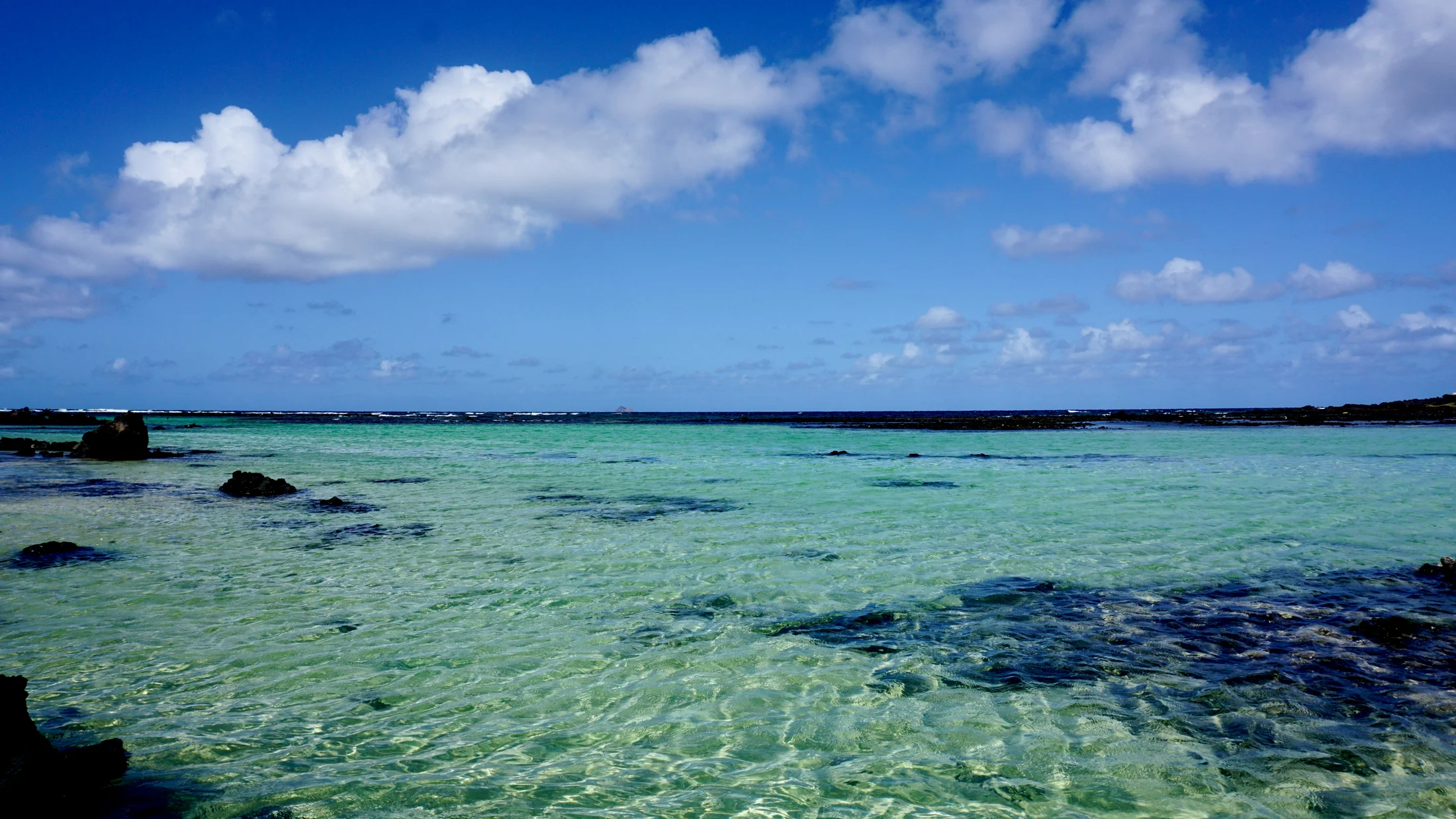
Why Secret Natural Pools Are Perfect In Summer
You crave water that runs clear, shade that comes and goes, and the quiet of a backcountry bend. Secret natural pools in Spain promise exactly that: cool refuges tucked in gorges, pozas beneath waterfalls, and rocky charcos along volcanic coasts. They attract in summer because they feel earned—reached by a short path, protected by canyon walls, and shared respectfully. In this selection, we favored places with a balance of accessibility (short to moderate approaches), safety (stable entries, manageable currents), scenic value (waterfalls, forest, lava), water quality (flowing or wave-refreshed), seasonality (safe in dry months), limited tourist pressure, and legality (bathing allowed or culturally accepted). One cool breath of spray and leaf-shade can revive even after a hot walk.
We wrote this guide for couples, families, and small groups traveling at their own pace. You will find precise locations by municipality, how to reach each pool, difficulty and time from parking, best season, and practical tips on safety and low-impact behavior. Many are free, some sit in protected areas with rules, and conditions change with rains, meltwater, and swell. Rivers are living systems: rocks get slippery, levels rise quickly, and algae blooms appear in heat. Treat each place as someone’s backyard, because it often is—kept by rural communities who clear paths and steward water. Pack out what you bring, skip soap, and tread lightly so these pozas and gorges stay beautiful for the next set of footprints.
Picuco te puede ayudar
Does something here catch your eye?
Tell us.
Write to us on WhatsApp or email: we answer questions, find the best options and help you sort out the booking.
How To Plan Your Visit
Use the interactive map to preview each spot, read the ficha (access, difficulty, best season), and save directions offline. Interpret symbols as follows: “Access” describes parking and trailhead; “Difficulty” rates footing and gradient; “Best season” flags safe flow or calmer seas. Plan logistics early—parking fills fast, some parks require permits, and public transport may be limited. Respect private land, local signage, and quiet hours near hamlets. One cool toe-dip tells you more than any screen.
Interactive Map
The map shows GPS pins, short approach routes, and links back to each ficha. On mobile, open it in your maps app, star the pins, and download offline layers. Coverage can vanish in ravines; carry a power bank and always turn back if conditions feel wrong.
Fifteen Wild Spots To Cool Off This Summer
1.Pozas do Río Barosa (pontevedra): cascades under the mills
Water tiers down granite ledges beside old mills, and the air smells faintly of wet stone. Set in Barro (Pontevedra), the Parque da Barosa sits just off the N-550 between Caldas de Reis and Pontevedra. From the signed parking area, follow a short, well-used path (5–10 minutes, easy) to the chain of pozas. The pools are small to mid-sized, with rocky bottoms and gentle shelves for entry; summer water hovers cool, and oaks and alders cast reliable shade. You’re in the heart of piscinas naturales Galicia, and though not a long trek, it still feels like the pozasygorgas locals keep close.
- Location: Barro, Pontevedra (Galicia); see interactive map for the exact GPS pin.
- Access: Signed turn-off from
N-550; short walk on stone steps and dirt. - Difficulty/time: Easy; 5–10 minutes from parking.
- Best season: Late spring to early autumn; mornings are quieter.
- Ideal for: Families (shallow edges), photographers, quick swims.
- Safety: Algae on granite gets slick; avoid jumping; heed flow after rain.
- Permits/fees: No fee; follow local council signage.
- Sustainability: Stay on marked paths around the mills; keep noise low.
A weekday visit rewards you with the rush of water and the click of camera shutters echoing briefly between stone walls. Find the “Pozas do Río Barosa” pin on the interactive map before you go.
![Granite cascade and clear pool below the Barosa mills]
2.Gorga de la Febró (tarragona): a hidden bowl in Mediterranean pines
Scented pines and resin hang in the heat as the ravine exhales cool shade. Near La Febró, inside the Muntanyes de Prades (Tarragona), a short descent leads to a beautiful gorga carved into pale rock. Park at designated pull-offs along the local road from T-704 and follow the signed path toward the ravine (20–30 minutes, moderate; some scrambling). Expect a deep central bowl with 2–3 meters in parts, slabby rocks for careful entry/exit, and dappled shade by midday. For seekers of piscinas naturales secretas and pozasygorgas in Catalonia, this is a classic swimming gorges Spain moment.
- Location: La Febró area, Muntanyes de Prades (Tarragona); see map for GPS.
- Access: Short hike from roadside; uneven footing, brief scrambles.
- Difficulty/time: Moderate; 20–30 minutes down, slightly longer up.
- Best season: Late spring to early autumn; avoid immediately after heavy rain (flash-flood risk).
- Ideal for: Adventurous swimmers, photographers, picnics on rock slabs.
- Safety: Test depth before any jump; watch for undercuts; sandals are not enough—wear grippy shoes.
- Nearby: Viewpoints above Siurana; evening light glows on cliffs.
- Rules: No fires; pack out waste; dogs on lead during nesting season.
The water glows turquoise against pale stone when the sun hits obliquely. Check the “Gorga de la Febró” pin on the interactive map and plan an early start.
![Deep jade pool ringed by pale rock in a pine ravine]
3.Charco Azul (la Gomera): a basalt amphitheatre by the sea
Basalt walls cool like shade, and the pool pulses gently as the swell breathes. On La Gomera’s north coast near Vallehermoso, Charco Azul is a lava-sculpted sea pond refreshed by waves, best on calm days and mid-to-low tides. Reach it by car via the coastal road and a short path with steps (10–15 minutes, easy-moderate; some exposure). Expect saltwater, a rocky basin, and clear green-blue water when the Atlantic relaxes. This is one of those piscinas naturales España that is unmistakably volcanic—pozasycharcos para bañarse shaped by fire and cooled by the ocean.
- Location: Vallehermoso, north coast of La Gomera; see map for GPS.
- Access: Drive to the signed trailhead; steps and coastal path to the pool.
- Difficulty/time: Easy-moderate; 10–15 minutes; avoid in heavy swell.
- Best season: Late spring–autumn; mornings often calmer; always check marine forecast.
- Ideal for: Confident swimmers, photographers, geology lovers.
- Safety: No lifeguards; avoid if waves break into the pool; never turn your back to the sea.
- Regulations: Coastal protection applies—stay on the path, no collecting marine life.
Golden hour paints basalt honey-brown, and spray whispers over the lip. Note: Not to be confused with Charco Azul El Hierro, another superb volcanic pool on a different island. Use the interactive map for the Charco Azul (La Gomera) pin.
![Basalt sea pool with emerald water along a rugged coast]
4.Pozas del Río Aguas (asturias): clear steps and deeper bowls
Cold water slides over boulders, sounding like glass tapping in a streambed. In eastern Asturias, mountain streams cut through beech and hazel to form a series of pozas known locally for clear, emerald water and a mix of shallow steps and deeper bowls. From the nearest village, the approach is a signed footpath along the river (15–30 minutes, easy-moderate), with occasional roots and slick rock near the water. Flow is reliable into summer, but currents stiffen after storms.
- Location: Eastern Asturias; see interactive map for the exact river segment and GPS.
- Access: Village parking; footpath along the riverbank to pools.
- Difficulty/time: Easy-moderate; 15–30 minutes; watch for slick sections.
- Best season: June–September; avoid during/after heavy rain.
- Ideal for: Families with supervision (shallow shelves), strong swimmers, nature photographers.
- Safety: Always wade in first to check depth; do not jump into opaque or aerated water.
- Sustainability: No soaps or detergents; step on dry rock or gravel to protect plants.
On a still afternoon, sun coins flicker across the riverbed as trout hold steady in the flow. Pin “Pozas del Río Aguas (Asturias)” in the interactive map and verify on-site signage before bathing.
![Emerald river pools beneath green canopy in Asturias]
5.Poza del Hundidero (málaga): a secret bowl at a cave mouth
The air breathes cool at the cave entrance, and swallows stitch quick arcs above the water. Near Montejaque and Benaoján (Málaga), the Cueva del Hundidero’s gorge funnels seasonal flows into a sheltered pool at the cave mouth. Reach the area via local roads from A-374 and park at the signed access; a rocky track leads into the canyon (20–30 minutes, moderate; uneven terrain). In dry spells, the pool holds clear, cold water with shaded edges; after rains, water levels rise and currents intensify.
- Location: Montejaque/Benaoján area, Serranía de Ronda (Málaga); see map for GPS.
- Access: Track from cave access parking; rocky canyon path.
- Difficulty/time: Moderate; 20–30 minutes; sturdy shoes essential.
- Best season: Late spring to early autumn in dry weather; avoid after heavy rain.
- Ideal for: Photographers, adventurous bathers, geology fans.
- Safety: Rockfall risk near cliffs—keep helmets for canyon sections if exploring beyond the pool; no jumps.
- Regulations: Check local council/park rules; cave system access may be restricted.
Shade from the cave lip keeps one edge cool even at midday. Find “Poza del Hundidero” on the interactive map and go early to hear only water and wings.
![Shaded pool at the mouth of a limestone cave]
6.Charco del Infierno (sierra de Cazorla, Jaén): emerald pause in a limestone world
Dragonflies hover like blue punctuation over the green surface. In the Sierra de Cazorla (Jaén), Charco del Infierno sits along a limestone stream in the Natural Park, where travertine steps give way to a deeper, sheltered bowl. Access is by marked footpath from a nearby trailhead (30–45 minutes, moderate; some uneven steps). As with many of the mejores pozas España, summer sees clearer, safer flow, while spring melt runs faster and colder.
- Location: Sierra de Cazorla, Jaén; see interactive map for trailhead and GPS.
- Access: Signed park trail; shaded sections under pine and juniper.
- Difficulty/time: Moderate; 30–45 minutes; grippy footwear needed.
- Best season: June–September; mornings for quieter water; avoid storms.
- Ideal for: Hikers who like a mid-route swim, photographers, naturalists.
- Safety: Submerged logs can shift; enter slowly; no soap; protect travertine by avoiding muddy tread on rims.
- Regulations: Natural Park rules apply; fires prohibited; sometimes bathing limits appear—respect signage.
The pool turns deep jade when clouds pass, a quick cool refuge from chalk-white heat. Save “Charco del Infierno” in the interactive map and check the park office for current advice.
![Green pool framed by limestone and pine in Cazorla]
7.Pozas de A Fervenza (lugo): cascades in a green corridor
Moss smells like a cool sponge, and spray threads the air with fine mist. In Lugo province (Galicia), near river stretches locals call A Fervenza (“the waterfall”), several small cascades create linked pozas in a shady, pastoral setting. Access is on a signed footpath or farm lane from the nearest hamlet (10–20 minutes, easy; respect gates and property). The water runs clean and brisk through summer, with shallow edges for paddling and small bowls for short immersions—classic piscinas naturales Galicia hidden in plain sight.
- Location: Rural Lugo (Galicia); see map for the specific A Fervenza pin.
- Access: Short walk from roadside/hamlet; follow signs; close gates behind you.
- Difficulty/time: Easy; 10–20 minutes.
- Best season: May–September; avoid right after storms.
- Ideal for: Families (careful footing), picnics, quick dips, landscape photography.
- Safety: Slippery rock; avoid stepping on moss; watch children closely.
- Sustainability: Keep to paths; quiet voices near farms; carry out all waste.
In late afternoon, alder leaves flicker like fish scales as light filters down the corridor. Mark “Pozas de A Fervenza (Lugo)” on your map and time a weekday visit for more solitude.
![Small cascades over stone ledges in a green Galician ravine]
8.Gorgs del Congost (girona): clear bowls between forest and stone
The water hums over lip after lip, each pool a different shade of glass. In Girona province, forested ravines hide a string of gorgs where karst and granite meet, forming a necklace of swim-worthy bowls. Access is via a well-trodden riverside path from a local parking area (15–40 minutes depending on which pool; moderate with some rock-hopping). Expect clear water, rounded boulders for careful entries, and sections that reach 2–3 meters when summer flow settles. For those seeking piscinas naturales secretas and piscinas naturales España in Catalonia, this is a rewarding stretch.
- Location: Interior Girona; see map for the “Gorgs del Congost” segment and GPS.
- Access: Trail along the stream; occasional wades at low flow.
- Difficulty/time: Moderate; 15–40 minutes to different bowls.
- Best season: Late spring to early autumn; mornings have softer light and fewer people.
- Ideal for: Strong swimmers, hikers, photographers.
- Safety: Test depths; avoid stacking rock dams; don’t disturb spawning gravels.
- Local notes: Some municipalities limit parking in peak season—use signed lots or shuttle if offered.
When wind drops, dragonflies skate the mirrored surface between oak shade and hot rock. Pick two or three gorgs from the interactive map and go early or late for quieter water.
![Turquoise river bowl flanked by forest and pale stone]
9.Pozas de Valdeazores (castilla y León): cold mountain charcos
Cold air slides down the valley even on a hot day, and the water bites kindly at your ankles. In the mountains of Castilla y León, high-elevation streams step down granite shelves into clear pozas, with short, brisk swims the reward for the ascent. Reach them by combining a forest track and signed footpath from the nearest village (30–60 minutes total, moderate; altitude adds effort). Water at elevation stays cold even in August, so acclimatize slowly.
- Location: Mountain valley in Castilla y León; see map for the “Valdeazores” pin and GPS.
- Access: Track plus footpath; last section on rock slabs.
- Difficulty/time: Moderate; 30–60 minutes; add extra time for families.
- Best season: July–September; later summer brings safer, lower flow.
- Ideal for: Hikers, cold-water lovers, landscape shooters.
- Safety: Hypothermia risk—limit immersion time; never jump; thunderstorms build fast—start early.
- Sustainability: Fragile alpine plants—stick to stone/bare soil; leave no trace of fires.
A quick plunge here feels like a reset switch, with pine resin and cold granite sharpening the senses. Save “Pozas de Valdeazores” in your map and check afternoon weather before committing.
![High-mountain pool with granite slabs and clear, cold water]
10.Charco de la Peña (extremadura): wide water in open country
Cicadas click from cork oaks while the water spreads slow and inviting. In rural Extremadura, a broad bend forms a natural charco with stony beaches, sparse shade, and easy access from a short track off a local road. Parking is straightforward; the walk to the water takes 5–10 minutes (easy). With gentle entries and space to spread out, it can be a family-friendly place if you arrive early in summer.
- Location: Open countryside in Extremadura; see the interactive map pin for “Charco de la Peña.”
- Access: Short track from road; flat approach; stony beach.
- Difficulty/time: Easy; 5–10 minutes.
- Best season: May–September; mornings and weekdays are quieter.
- Ideal for: Families, picnics, relaxed swims, sunset photography.
- Safety: Check for algae in prolonged heat; avoid fires; respect private property boundaries if crossing easements.
- Services: Limited; carry water and shade; nearest bar often in the closest village.
The river glow deepens to copper at dusk, and swallows skim close like little kites. Pin it on your map and scout shaded spots first so you can rotate between sun and cool.
![Broad, calm river pool with stony shore and scattered oaks]
11.Poza del Molino (mallorca): clear pockets in a mountain torrent
Warm thyme scents drift from the brush while the torrent murmurs cool below. In the Tramuntana of Mallorca, short gullies feed a seasonal stream that holds pockets of swim-worthy water into summer in pooly bends near old mills. Park in a designated lay-by off a secondary road and walk 15–25 minutes (easy-moderate; stony path) to a set of bowls with rocky, stable edges.
- Location: Serra de Tramuntana, Mallorca; see interactive map for “Poza del Molino” pin and GPS.
- Access: Roadside parking; footpath through terraces; respect stone walls.
- Difficulty/time: Easy-moderate; 15–25 minutes.
- Best season: Late spring to mid-summer, depending on rains; go early or late to avoid heat.
- Ideal for: Families with supervision, hikers linking a short route, photographers.
- Safety: Seasonal flows vary; never dam channels; avoid slippery algae; no soap—streams are small and sensitive.
- Alternatives: If busy, nearby signed walks lead to viewpoints—take a dip later at a quieter hour.
The water here looks like clear glass poured into a bowl of limestone and olive roots. Save the map pin and confirm current water levels with the local tourism office if you’re visiting in late summer.
![Small limestone pool beneath terrace walls and an old mill]
12.Poza de Las Calas (tenerife): wave-fed coves under volcanic cliffs
Sea salt hangs light on the breeze while waves breathe in and out of the cove. Along Tenerife’s coast, a protected stretch of lava cliffs hides a handful of small, wave-fed calas where rock shelves create calm pockets at lower tide. Park in a signed lot and follow a coastal path (10–20 minutes, easy-moderate; sun-exposed) to the nearest natural pool.
- Location: Tenerife coastline; see interactive map for the “Las Calas” pin and GPS.
- Access: Coastal path from parking; some steps and rough lava.
- Difficulty/time: Easy-moderate; 10–20 minutes.
- Best season: Late spring–autumn; best at mid-to-low tide with calm swell.
- Ideal for: Confident swimmers, snorkelers on settled days, sunset photographers.
- Safety: Beware surges and slippery algae; no lifeguards; always assess the swell first.
- Regulations: Coastal protection applies—stay on path, no littering, do not remove marine life.
On windless evenings the surface becomes glass, reflecting ochre cliffs and a lavender sky. Mark the map pin and check a tide app before you lace up your shoes.
![Volcanic cove with a natural sea pool and dark lava shelves]
13.Gorga del Río Mundo (albacete): waterfalls and green bowls downstream
Mist carries a fresh chalk scent from the cascades and settles on warm skin. Near Riópar (Albacete), the Río Mundo springs form the famous “Los Chorros” waterfall; while bathing is usually restricted at the source area, downstream sections offer gorgas and calmer bowls suitable for cooling off. Park in designated areas and follow waymarked paths (10–45 minutes depending on the spot; easy-moderate). Expect clear, cold water, polished limestone, and some deep pockets suited to strong swimmers.
- Location: Río Mundo valley, Riópar (Albacete); see interactive map for “Gorga del Río Mundo” pins.
- Access: Waymarked park trails; obey any bathing restrictions—check on-site signs.
- Difficulty/time: Easy-moderate; 10–45 minutes to different pools.
- Best season: Late spring–early autumn; high flow in spring; cold water year-round.
- Ideal for: Hikers, photographers, strong swimmers.
- Safety: Never jump; aerated water distorts depth; swift currents near drops; keep kids at hand.
- Notes: This region counts among the best swimming holes Spain for scenic variety, but rules vary by sector—observe them strictly.
When the sun breaks, the bowls turn bottle-green and waterfalls fringe with light. Save the pins and ask at the visitor center about current access and flow.
![River pool with green water below limestone terraces in the Río Mundo valley]
14.Pozas de O Courel (lugo): wild routes to hidden bowls
Beech leaves rattle like soft paper as the path dips toward running water. In the Serra do Courel (Lugo), a web of trails links hamlets, chestnut groves, and narrow ravines where a handful of hidden pozas await the patient walker. From a village parking area, follow signed routes (PR footpaths) toward river crossings (30–90 minutes depending on pool; moderate; some steep sections). The experience is as much about the walk—slate hamlets, terraced plots—as the swim.
- Location: Serra do Courel, Lugo (Galicia); see interactive map for specific pool pins.
- Access:
PRtrails from villages; carry a map/GPX and water; limited shade in some sections. - Difficulty/time: Moderate; 30–90 minutes; rugged in parts.
- Best season: June–September; mornings are magic; avoid storms.
- Ideal for: Hikers, photographers, travelers seeking pozasygorgas intertwined with rural life.
- Safety: Remote feel—tell someone your plan; no jumps; cold, clear water can be deep under cliffs.
- Sustainability: Gently—these are fragile ecosystems managed by small communities; stay on paths, greet residents, spend locally.
The pool surface wrinkles under a breeze, and the valley holds a faint bell from a distant flock. Plot a two-day loop—swim, stay in a village casa rural, and move on to a second valley.
![Forest ravine with a clear pool beneath beech and chestnut trees]
15.Charco de San Roque (navarra): easy access for families
Warm stones dry feet fast while willow shade paints dapples on the water. Near a Navarrese village that keeps the area tidy for locals and visitors, Charco de San Roque offers an easy walk and gentle entries for a family swim. Park in the signed area and take the short, well-marked path (5–10 minutes, easy) to a mid-sized pool with a pebbly shallows and a slightly deeper middle.
- Location: Rural Navarra; see interactive map for “Charco de San Roque” GPS pin.
- Access: Short, signed path from village parking; stroller-friendly until last meters.
- Difficulty/time: Easy; 5–10 minutes.
- Best season: Late spring–early autumn; midday shade varies by bank.
- Ideal for: Families with kids, picnics, relaxed swims.
- Safety: Watch footing on algae; keep swims short in cold water; supervise children closely.
- Norms: Quiet area—no amplified music; carry trash out; respect siesta hours near homes.
Late afternoon brings swifts that cut quick arcs over the pool while the bank cools for picnic time. Mark the pin, arrive early, and leave space for locals who swim here regularly.
![Family-friendly river pool with willow shade and pebbly shallows]
Choosing The Right Pool For You
Match the spot to your group. Families should prioritize easy access, shallow entries, shade, and close-by exit routes; swimmers can choose deeper bowls with stable entries and low flow; photographers chase waterfalls, evening light, or volcanic forms; hikers pair longer trails with swim stops. Consider crowd patterns, water temperature, and rescue points. Use offline maps, satellite view, park apps, and a weather app with radar to verify flow and route status before leaving home.
Safety, Local Rules, And Low-impact Travel
Pack out all waste, skip soaps and detergents (even “biodegradable”), and give wildlife space. Check posted rules at trailheads—some places restrict bathing or parking in peak season. In emergencies, call 112, describe your location clearly, and send GPS coordinates if possible. Verify permits on park websites or at visitor centers. Share space with rural communities by keeping noise low, avoiding fires, and parking only where allowed; secret natural pools stay intact when we tread lightly.
Frequently Asked Questions
Are these pools free to visit?
Most are free; some charge for parking or restrict bathing. Always check on-site signs.
Can I camp nearby?
Wild camping is widely restricted; use official campsites or ask at local tourism offices.
When is the best time to go?
Mornings and weekdays in summer; after storms or at high swell, postpone.
How do I check water quality?
Look for clear flow, no strong odors, and minimal algae; ask park staff if unsure.
Are there seasonal restrictions?
Yes—some parks limit bathing or parking in peak season; verify before you go.
What wildlife might I see?
Dragonflies, trout, dippers, and, in forests, deer or boar; give all animals space.
Book your experience — discover outdoor activities in Spain with vetted local providers on Picuco.
Conclusion
Plan well, arrive early, and leave each place better than you found it. If you enjoyed this selection, share it with friends or tag your photos to help others travel responsibly. When you turn your swim into a weekend escape, choose a rural stay nearby and support the communities who care for these waters.
Useful Resources And Local Contacts
Check municipal tourism offices, Natural Park visitor centers, and GR/PR trail pages for updated rules and route status. Regional conservation groups publish seasonal advice. For permits or parking info, consult local council websites, and consider rural stays nearby to extend your trip.