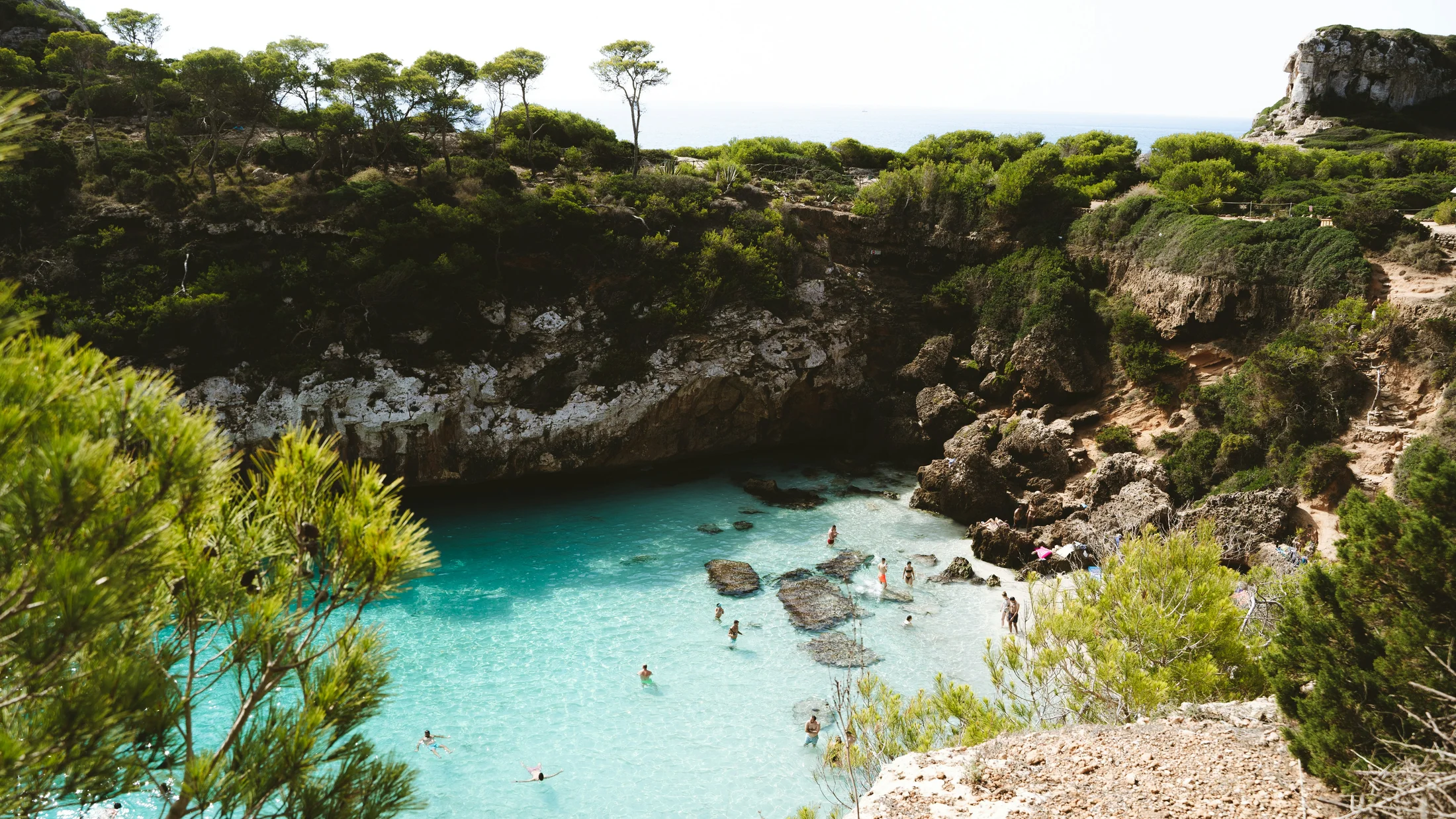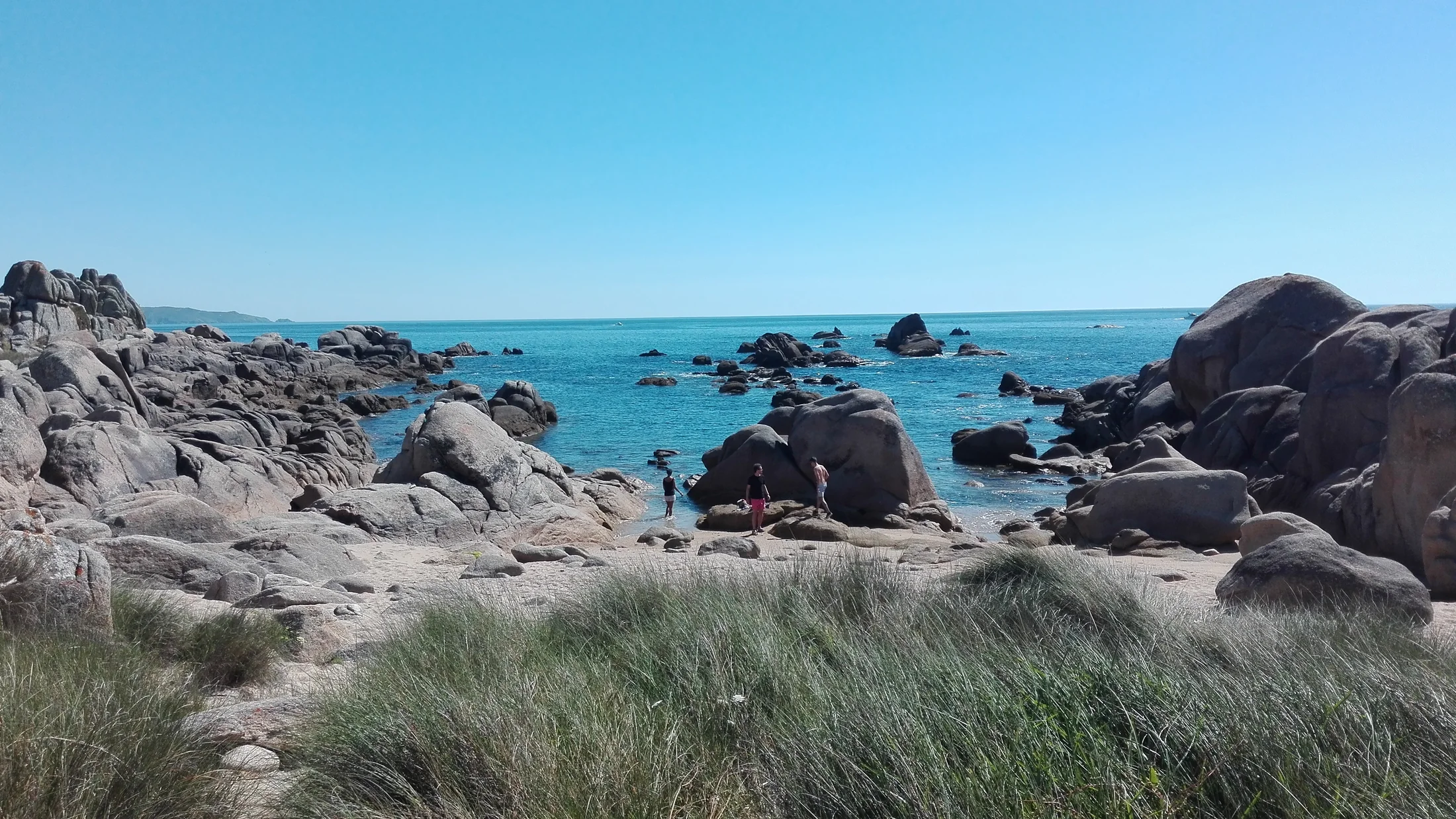
Why Seek Spain’s Secret Coves?
When you picture the coast, you might imagine crowds—yet secret coves Spain still offer hush, space, and wild beauty. This guide curates 12 hidden beaches across the Balearics, Andalusia, Costa Brava, Asturias, and Alicante, with practical details you can act on today. If you love photography, calm snorkel entries, and unhurried swims, these secluded beaches in Spain reward effort with crystalline water and sculpted rock. A single osprey call over quiet surf can feel like your own private soundtrack.
You will find what matters most: where they are, the best time to go, how hard the approach is, and simple tips to keep you safe and the environment intact. We mix inspiration with clear logistics—short walking times, trail names, seasonal winds to watch, and realistic crowd notes—so you can decide quickly which cove suits your plan. Expect honest difficulty ratings, notes on services (or lack thereof), and nearby small-scale stays like rural casas, boutique hotels, and simple campsites.
We also explain how to read map coordinates, time your visit around local winds like the Tramuntana or Levante, and combine two or three calas into one perfect day. Each cove description includes a standout reason to visit—snorkel-friendly reefs, low sunset light on red rock, or a fishermen’s hamlet held together by salt and paint. The sea smells sharper when you arrive on foot, and that first breath after a hot track can be joy itself.
Your search intent is simple: find hidden beaches Spain without guesswork. We honor that by keeping routes, conditions, and conservation guidance straightforward. Ready to explore? Skim the summary map to pick your region, jump to the detailed fichas for the 12 best secluded coves Spain, and plan with confidence. Leave only footprints, take only memories, and perhaps a photo or two as the light turns honey-gold on the waterline.
Picuco te puede ayudar
Does something here catch your eye?
Tell us.
Write to us on WhatsApp or email: we answer questions, find the best options and help you sort out the booking.
Where They Are: Map and Quick Picks
Start with a map—an interactive layer with pins helps you judge distance and pair calas in the same day. We recommend an insertable map showing approach trails, parking areas, and boat taxi points; zoom to see track quality and contour lines. As a quick reference, use the table below to choose by region, access, season, and core appeal. The light on stone at dawn feels like a whispered invitation.
| Cove | Region/Island | Access | Best time | Main appeal |
|---|---|---|---|---|
| Cala Pregonda | Menorca (north) | Medium: track + 30–40 min walk | May–June, Sept–Oct | Red-rock “lunar” backdrop, turquoise water |
| Cala Trebalúger | Menorca (south) | Difficult: 45–75 min walk or boat | May, June, late Sept | Solitude, clear water, wild setting |
| Cala Pilar | Menorca (north) | Medium–difficult: 35–50 min walk | Calm days, spring–autumn | Dunes, ochre cliffs, raw nature |
| Cala en Baster | Formentera (NE) | Easy–medium: short walk from road | Shoulder seasons, mornings | Rock ledges for bathing, clear snorkeling |
| Cala Saona | Formentera (W) | Easy: road + short stroll | April–June, Sept–Oct | White sand, gentle sunset spots |
| Cala Es Caló | Formentera (E) | Easy: roadside coves, steps | Early morning, Sept | Snorkel pools, glassy water |
| Cala de San Pedro | Almería (Cabo de Gata) | Medium–difficult: 60–90 min trail or boat | Spring, autumn | Off-grid vibe, clean water, caves |
| Cala de Enmedio | Almería (Cabo de Gata) | Medium: 30–45 min path or rough track | Spring, early summer | Golden sand, sculpted cliffs |
| Cala del Plomo | Almería (Cabo de Gata) | Medium: graded dirt track | Spring–autumn, calm seas | Snorkel along volcanic walls |
| Cala S’Alguer | Costa Brava (Girona) | Easy: GR-92 path, short access |
Sept–May, early mornings | Fishermen’s huts, heritage charm |
| Gulpiyuri | Asturias (Llanes) | Easy: short path from parking | Mid–high tide, weekdays | Inland beach phenomenon |
| Cala del Moraig | Alicante (Marina Alta) | Easy–medium: steep lane + steps | May–June, Sept | Cova dels Arcs cave, snorkel slabs |
How to use this snapshot:
- If you want wild and quiet, pick Menorca’s north or Cabo de Gata on calm days.
- If you want culture + swim, choose S’Alguer and walk the
GR-92. - For family-friendly entries, target Cala Saona or select corners of Es Caló on low-wind mornings.
Crowd tip: even “secret” spots draw people on peak weekends—arrive before 10:00 or after 17:00 for space.
Essential Info: Location, Best Time, Getting There, Stays Nearby
Secret coves demand a little homework that pays off in peace. Spain’s coasts vary by geology, wind, and access rules, so plan for conditions as much as for views. The scent of warm pine on a shaded path signals you’re close to water.
Reading coordinates
- Coordinates appear as decimal degrees (e.g., 40.1234, -0.5678) or degrees-minutes-seconds. Most mapping apps accept decimal degrees.
- Drop the pin at the trailhead, not just the beach, to navigate return routes before your phone battery drops.
- Download offline maps; cell coverage can be patchy behind cliffs.
Access types
- Footpath: Expect 20–90 minutes. Surfaces range from sand and pine needles to rock slabs; trail shoes beat flip-flops.
- Boat taxi/shared boat: In summer, licensed boats serve certain areas (Formentera, Cabo de Gata). Confirm schedules at local harbors; swells can cancel service.
- Dirt track: Graded roads often lead to Cabo de Gata calas; drive slowly and avoid parking on vegetation. Some tracks require higher clearance; do not block turning circles.
Best time to go
- Spring and autumn bring milder temperatures and clearer water, with fewer crowds.
- Summer is viable if you start early, avoid peak wind days, and bring sun protection.
- Watch local winds: the Tramuntana (north wind) can roughen Menorca’s north; on those days, south coves may be calmer. In Almería, Levante can raise chop; choose sheltered orientations.
- Tides matter at Gulpiyuri (Asturias): swim options expand at mid–high tide; at low tide, expect shallow pools.
Stays nearby
- Rural houses and agroturismos: In Menorca and Formentera, these small properties place you near trailheads while supporting local families who steward the land.
- Small hotels and pensions: Coastal towns like Palamós (Costa Brava), Llanes (Asturias), and Benitatxell (Alicante) offer simple bases with early breakfasts for dawn starts.
- Campings: You’ll find regulated campsites near some regions; wild camping on dunes or beaches is generally prohibited—choose official sites and ask about quiet hours.
Permits and restrictions
- Protected areas have specific rules. Cabo de Gata–Níjar Natural Park (Junta de Andalucía), the Balearic Islands’ protected areas (Govern de les Illes Balears), and Asturias’ Natural Monuments (Principado de Asturias) publish seasonal access updates—check official websites.
- Vehicle quotas/controls can apply in summer (e.g., Cala del Moraig’s upper parking and shuttle management by Ajuntament del Poble Nou de Benitatxell); expect road closures on peak days.
- Drone use: Spain’s aviation authority AESA regulates drones; many protected areas ban flights—review aesa.gob.es and park-specific rules before takeoff.
- Fires are prohibited; many zones also restrict stoves in dry months. Carry out all waste, including organics.
Local knowledge
- Ask about water availability and shade at the last town before the trail; locals can flag temporary closures or jellyfish blooms (medusas) after wind shifts.
- Respect private land and fishermen’s huts; do not sit on boat rails or block slipways.
- Sources for rules and maps: Junta de Andalucía (Cabo de Gata–Níjar), Govern Illes Balears (caib.es), Generalitat de Catalunya (Costa Brava), Principado de Asturias (asturias.es), Ajuntament del Poble Nou de Benitatxell (benitatxell.es), and AESA (aesa.gob.es).
12 Hidden Coves to Escape the Crowds
Cala Pregonda (menorca): lunar rock and turquoise water
On Menorca’s rugged north coast, Cala Pregonda frames golden sand with red and ochre rock that looks almost Martian. You reach it by driving to Binimel·là and walking 30–40 minutes along the GR-223 Camí de Cavalls, a well-marked coastal trail that undulates across low headlands. The scent of juniper and hot scrub lifts as the sea breeze reaches you.
Why it’s special
- The color palette: rust-red islets, honey sand, and clear turquoise.
- Snorkel-friendly reefs near the islets offer calm exploration on low-wind days.
- Photographers love late afternoon when rock texture glows.
Best time and difficulty
- Go May–June or September–October; avoid strong Tramuntana (north) wind days when swell rises.
- Difficulty: medium due to the walk and exposure—bring water, hat, and supportive footwear.
Activities and tips
- Swim, gentle snorkeling, and short scrambles for viewpoints.
- No services; pack in and pack out, and skip shampoos or soaps in the sea.
- Nearby stays: rural houses around Es Mercadal and simple hotels in Fornells keep you 20–30 minutes from the trailhead.
Conservation note
- Trails cross fragile vegetation—stay on marked paths and avoid climbing dune faces to reduce erosion.
- Menorca’s north is sparsely serviced; respect local land management and livestock gates.
Cala Trebalúger (menorca): tough approach, near-solitude
Cala Trebalúger is a pale arc of sand backed by a quiet ravine, where pines step down to a green river mouth. Reach it via a 45–60 minute walk from Cala Mitjana or a longer approach from Sant Tomàs; boat taxis run in summer when seas allow, but foot access keeps the mood unhurried. The air is resin-sweet in the shade before the beach opens bright.
Why it’s special
- A true hidden beach Spain moment: sheltered, crystal water, and a wild feel even in season.
- The ravine adds fresh-water color contrast and birdlife near the back of the sand.
Best time and difficulty
- Go in May, June, or late September for space; arrive before 10:00 in July–August.
- Difficulty: difficult if you’re not used to coastal paths; expect steps, roots, and some steep sections.
Activities and tips
- Swim, snorkel along the cove edges, and photograph the stream-mouth curve from low dunes.
- Bring at least 1.5 liters of water per person, sun protection, and a light picnic; no services or bins.
- Avoid trampling dune vegetation; use existing paths from shade to shore.
Safety and respect
- Footing can be slick on pine needles—trail shoes help.
- Keep noise down; this cala is loved for quiet more than for crowds.
Cala Pilar (menorca): dunes, wind, and wild nature
Cala Pilar sits in a protected area of dunes and clay-rich cliffs that turn deep ochre in angled light. Park at the signed area off the Me-1 and follow the trail 35–50 minutes through pine and open scrub to an amphitheater of beach and rock. A salty gust often arrives before the view breaks wide.
Why it’s special
- The geology: textured, iron-hued cliffs and big-sky views.
- A wilder Menorca for walkers who accept wind and a little effort.
Best time and difficulty
- Choose calm days in spring or autumn; north winds can build shore-break.
- Difficulty: medium–difficult due to the exposed walk and soft sand.
Activities and tips
- Picnic in the lee of rocks, take cautious swims on calm days, and photograph cliff color contrasts.
- No lifeguards or services; pack out everything.
- Stays: Es Mercadal or Ciutadella offer small hotels and agroturismos within 30–45 minutes.
Conservation note
- Dune systems are fragile—keep to designated access points and don’t anchor on seagrass beds if arriving by boat.
Cala en Baster (formentera): rock ledges and a local vibe
On Formentera’s northeast, Cala en Baster is a low horseshoe of rock with traditional boat shelters tucked under the cliff. Access is easy–medium via a short walk from nearby lanes; the shelves and cut steps create natural platforms for sun and swim entries when the sea is calm. The rock smells faintly of salt and tar near the fishermen’s huts.
Why it’s special
- Clear, sheltered water for snorkeling along the cliff base.
- A low-key spot with a resident, local feel outside peak times.
Best time and difficulty
- Mornings in shoulder seasons (April–June, September) bring soft light and fewer people.
- Difficulty: easy–medium; entries are from rock—water shoes help.
Activities and tips
- Snorkel the ledges, practice low-impact entries, and photograph the boat shelters’ weathered doors.
- Respect huts and slipways; they are working spaces, not seating.
- Services are minimal; bring water and snacks from Sant Ferran.
Conservation note
- Do not jump from roofs or ledges—erosion and safety risks abound.
- Keep noise low; sound carries off the rock walls.
Cala Saona (formentera): white sand and quiet sunsets
Cala Saona is known, but outside high summer it still holds calm corners and long, glassy evenings. Reach it by road and a short stroll; the bay faces west and collects sunset color without the crowds of bigger beaches. As the sun drops, you’ll smell wild thyme on the breeze from nearby scrub.
Why it’s special
- Treat it as a “secluded within the known” pick: explore side inlets and rocky shelves to find your spot.
- Gentle entry for families, with postcard-clear water and soft sand.
Best time and difficulty
- April–June and September–October shine; arrive early or late in July–August.
- Difficulty: easy; choose corners sheltered from wind.
Activities and tips
- Swim, paddleboard, and photograph the red cliffs north of the bay in golden hour.
- Basic services exist nearby in season; confirm hours outside peak months.
- Respect the marine environment—skip anchoring on seagrass (posidonia) if arriving by boat (see Posidonia rules on caib.es).
Conservation note
- Posidonia meadows are vital for water clarity; avoid dragging anchors or fins through beds.
Cala Es Caló (formentera): rock pools and perfect snorkel light
Es Caló is a string of coves and rock pools along Formentera’s eastern shore with astonishingly clear water. Access is easy from roadside pull-offs, wooden steps, or short paths; pick a cove facing away from the day’s wind for calm snorkeling. In early morning, the sea surface can look like polished glass.
Why it’s special
- Natural pools for beginner-friendly snorkeling with fish over sand and rock.
- Old fishermen’s ramps and huts add quiet heritage touches.
Best time and difficulty
- Early mornings and September offer calm water and fewer visitors.
- Difficulty: easy; rocky entries benefit from water shoes.
Activities and tips
- Snorkel along edges, photograph through the surface at low angles, and practice gentle fin kicks.
- Limited shade; bring a light umbrella or seek natural shadow near low cliffs.
- Services in nearby Es Caló village include small groceries and cafés—support local businesses that maintain access.
Conservation note
- Avoid sunscreens with reef-harmful chemicals; choose mineral formulas and let them absorb before entering the sea.
Cala de San Pedro (almería): off-grid cove with footpath or boat
Within Cabo de Gata–Níjar Natural Park, Cala de San Pedro blends clear water with a small semi-permanent community and rustic summer chiringuitos. Reach it by a 60–90 minute hike from Las Negras or a longer path from Agua Amarga; summer boats may run from Las Negras when seas allow. Sage and esparto grass scent the slopes under a high, pale sky.
Why it’s special
- A lived-in cove feel—hand-built terraces, palms, and freshwater springs sometimes visible near the ravine.
- Clean water and low cliffs for exploring in calm conditions.
Best time and difficulty
- Spring and autumn are best; summer heat makes the approach demanding—start at dawn.
- Difficulty: medium–difficult due to distance, exposure, and uneven footing.
Activities and tips
- Swim, explore adjacent caves by kayak (on calm, low-swell mornings), and photograph textures in late light.
- Bring water (2 liters per person in warm months), hat, and solid footwear; mobile coverage is limited.
- Respect local residents and simple establishments; do not leave trash or food scraps.
Safety and rules
- Paths traverse steep, eroded sections—avoid after heavy rain.
- Park rules ban open fires and often restrict camping; check Junta de Andalucía updates.
Cala de Enmedio (níjar, Almería): golden sand and sculpted cliffs
Cala de Enmedio lies between Agua Amarga and Carboneras, reached by a 30–45 minute coastal path or a rough track suited to patient drivers. White, wave-smoothed rock fans meet a silky strip of sand, with the Sierra Cabrera foothills behind. The cliffs glow cream and gold under mid-morning sun.
Why it’s special
- One of Cabo de Gata’s most photogenic hidden beaches Spain, with gentle entry and space to breathe.
- The rock forms (tobas and dunes cemented by time) create natural seats and ledges.
Best time and difficulty
- Spring and early summer are ideal; choose days with low Levante wind.
- Difficulty: medium; the approach is manageable with sun protection and water.
Activities and tips
- Swim and snorkel along the rocky margins; visibility peaks on calm days.
- No services; carry in shade and plenty of water.
- Pair with nearby Cala del Plomo in one day if you manage time and heat.
Conservation note
- Fragile rock surfaces chip under force—avoid carving or dragging gear, and stay off steep dune faces.
Cala del Plomo (almería): snorkel along volcanic walls
Cala del Plomo sits just south of Enmedio, at the end of a graded dirt road that most cars can handle slowly. A long, curving bay with pebbly-sand mix shelters fish-rich boulders near the headlands. On windless mornings, the sea is as quiet as a held breath.
Why it’s special
- Easy pairing with Enmedio; choose Plomo when a bit of swell reaches Enmedio.
- Volcanic rocks harbor octopus, bream, and small wrasse—ideal for slow, respectful snorkeling.
Best time and difficulty
- Spring through autumn on calm days; avoid strong Levante.
- Difficulty: medium due to the track; walking is short from parking.
Activities and tips
- Swim laps along the cliff, bring a shorty wetsuit in shoulder seasons, and keep distance from fishermen’s lines.
- Take a litter bag—wind can move light packaging; you can leave it cleaner than you found it.
- Drive cautiously to reduce dust and road wear; pass grazing stock gates carefully.
Safety
- Watch for surge at the headlands and don’t push far in building chop; open-water rules apply.
S’alguer / Cala S’alguer (costa Brava): fishermen’s cove with heritage charm
Just north of Palamós, Cala S’Alguer is a pebble cove lined with bright fishermen’s huts that date back generations. Access via the coastal GR-92 footpath or short local tracks; parking is limited near La Fosca—walk and you’ll be rewarded. The clack of pebbles in the wash creates a calm, rhythmic sound.
Why it’s special
- Cultural landscape as much as bathing spot—one of the best secluded coves Spain to feel tradition.
- Clear water for short swims; coastal walking in both directions is excellent.
Best time and difficulty
- September to May for quiet, or early mornings in summer.
- Difficulty: easy; modest path gradients and short access.
Activities and tips
- Swim, sketch or photograph the huts, and continue on the
GR-92toward Calella de Palafrugell. - Respect private huts: no sitting on steps, no blocking doors, and keep noise down.
- Nearby Palamós and La Fosca offer small hotels; support seafood restaurants that work with local fleets.
Conservation note
- Stay on path sections; the low coastal vegetation is easily trampled and slow to recover.
Gulpiyuri (asturias): inland beach that feels like a secret
Gulpiyuri is a small circular beach tucked inland, connected to the Cantabrian Sea by an underground karst tunnel. Park in designated areas near Naves/Llanes and follow a short field path to the Natural Monument—signs guide you in season. The air is meadow-sweet before the sea’s breath reaches through rock.
Why it’s special
- A rare “inland beach” where swell pulses under the cliff to reach a sand bowl.
- A family-friendly curiosity and a photographer’s subject, especially at mid–high tide.
Best time and difficulty
- Visit weekdays and off-peak hours; the beach is tiny and fills quickly.
- Difficulty: easy; flat access, but surfaces can be muddy after rain.
Activities and tips
- Photography at mid–high tide, gentle paddling for kids when conditions suit, and short walks to nearby coastal viewpoints on the
E-9path. - No services; stay within marked areas and do not enter fenced fields.
- As a protected site, rules limit impacts—check Principado de Asturias guidelines.
Conservation note
- Avoid climbing fragile sinkhole edges; they can be unstable and host sensitive plants.
Cala del Moraig (alicante): sea cave drama and a relaxed vibe
In the Marina Alta, Cala del Moraig sits below cliffs near El Poble Nou de Benitatxell, framed by the photogenic Cova dels Arcs—a sea cave carved into the headland. Access involves a steep lane and steps from upper parking; in peak season, traffic controls and shuttles may apply. The cave mouth echoes with the hush and fizz of small waves.
Why it’s special
- Snorkel and swim near rocky slabs with dramatic geology; divers explore systems beyond recreational limits—stay within your training.
- Short coastal walks lead to viewpoints; check for marked local trails.
Best time and difficulty
- May–June and September offer warm water with fewer people; early starts are golden in July–August.
- Difficulty: easy–medium due to the descent/ascent; steps can be hot—wear shoes.
Activities and tips
- Swim near the cave in calm conditions (avoid surge days), explore up-coast viewpoints, and time photos for low sun angles.
- Services are seasonal; bring water and a drybag for valuables if you plan longer swims.
- Check Ajuntament notices for summer parking controls and any temporary closures.
Safety note
- Wave surge inside the cave can be stronger than it looks; keep clear on choppy days and avoid cliff jumps.
Activities, Highlights and Logistics
These coves invite simple, low-impact activity with a strong emphasis on safety and respect. Plan like a local: choose the day’s lee side, start early, and carry what you need in and out. The cool weight of seawater across your shoulders after a hot walk is the best reward.
Water activities
- Swimming: Pick sheltered orientations on windier days. Enter and exit over sand or stable rock; watch for surge on headlands.
- Snorkeling: Move slowly, hands off rock; keep fins up over seagrass to avoid scarring posidonia. Best visibility arrives on calm mornings.
- Kayak and paddleboard: Only on low-wind days with small swell. Launch from nearby larger beaches or harbors; wear a PFD, leash your board, and know your return line if wind rises.
- Photography: Golden hour dramatizes textures; midday is best for water clarity shots from above.
Coastal walking
GR-223(Camí de Cavalls, Menorca) loops the island with signed sections to multiple calas.GR-92(Costa Brava) strings together fishermen’s coves and viewpoints.E-9(Northern Coast) provides access near Gulpiyuri and adjacent cliffs.- Use trail apps offline and carry a paper map as a backup in less-frequented zones.
Transport and parking
- Car: Most trailheads are accessible by paved road + short dirt spur; drive slowly and avoid verge parking on vegetation.
- Ferries/boats: Balearic ferries link islands; local shared boats serve select coves in season (confirm schedules in harbor offices).
- Public transport: Buses reach gateway towns (e.g., Palamós, Llanes), then walk or taxi to trailheads.
- Parking controls: Expect summer quotas or road closures at Cala del Moraig and tight controls near Balearic beach accesses—arrive early or use shuttles where offered.
Gear checklist (pack light, pack smart)
- 20–30 L daypack, 1.5–2 L water per person in warm months
- Trail shoes or sturdy sandals; water shoes for rocky entries
- Sun protection: hat, UPF shirt, mineral sunscreen
- Mask, snorkel, compact fins; lightweight towel
- Small first-aid kit, blister plasters, emergency whistle
- Drybag for phone/keys, trash bag to carry out waste
- Lightweight umbrella or sarong for shade; no beach tents on windy headlands
Day planning and combo ideas
- Menorca north: Pair Cala Pregonda with a shorter viewpoint stop; switch to a south cala if Tramuntana rises.
- Formentera east–west: Start at Es Caló for morning snorkel, then cross-island to Cala Saona for sunset color.
- Cabo de Gata duo: Hike Enmedio in the morning cool, drive to Plomo for an easier afternoon swim.
- Costa Brava: Base in Palamós, walk the
GR-92to S’Alguer and neighboring coves, then return for a late lunch.
Local support
- Rent masks or SUPs in nearby towns; choose licensed operators and ask about posidonia-friendly anchoring if you plan a boat day.
- For curated outdoor experiences, browse options with verified local providers and pick activities that match your skill and the day’s conditions.
Practical Tips: Safety, Conservation and Local Rules
Secluded does not mean lawless—quiet coves work because everyone plays their part. Learn the signals, read the sea, and leave the place better than you found it. The snap of a dry pine cone underfoot reminds you how quickly fire can start in summer.
Safety basics
- Currents and surge: Cliff-lined coves can funnel swell; watch sets for five minutes before committing to swims or cave entries.
- Footing: Pine needles, sand, and polished rock are slippery—wear grippy footwear, not flip-flops, on approaches.
- Heat: Start early, bring 1.5–2 L of water per person, and seek shade midday. Turn back if the heat builds; the cove will be there tomorrow.
- Emergencies: Save Spain’s emergency number (112). Note the closest road or track name before you descend; that’s what you’ll report.
Conservation habits
- Pack in/pack out: Carry all waste, including organics; wildlife and wind scatter scraps.
- No fires: Open flames are prohibited in summer and often year-round in protected areas; stoves may also be restricted—check park rules.
- Respect posidonia: Seagrass meadows stabilize beaches and clear water; never anchor on them and kick gently over meadows when snorkeling.
- Sound: Keep noise low in “calas secretas España”—quiet is the point, and wildlife depends on it.
Regulations and permits
- Protected areas: Cabo de Gata–Níjar (Junta de Andalucía), Balearic reserves (caib.es), Costa Brava coastal protections (gencat.cat), Asturias Natural Monuments (asturias.es), and Valencian coastal rules (gva.es) publish current restrictions on access, camping, and seasonal closures.
- Drones: AESA sets national rules; parks frequently ban drones outright—verify zones at aesa.gob.es and on each park’s site.
- Camping: Wild camping on beaches/dunes is generally illegal; use designated campsites only.
- Parking and shuttles: Summer controls at places like Cala del Moraig may require upper-lot parking or shuttle use—watch municipal announcements (benitatxell.es).
How to stay updated
- Check official park/region websites the evening before you go for wind alerts, closures, and fire risk.
- Ask at local tourism offices and harbor master desks about boat taxi status and jellyfish reports after wind shifts.
Travelers who seek secret coves Spain take on responsibility: read signs, tread lightly, and leave more space than you found.
Frequently Asked Questions
How do I find a cove that isn’t signposted?
Use offline maps and satellite layers to spot trailheads and tracks, not just the beach point. Mark the parking, the path junctions, and the cove; download the route and carry a paper sketch. Ask in the nearest village shop for last-minute notes on closures or wind.
Is it safe to swim at these hidden beaches?
Choose calm days and sheltered orientations; watch the water for a few minutes before entering. Stick to shoreline snorkeling when swell rises and avoid cave mouths in surge. Swim with a buddy, use a bright tow float, and set a clear return point on land.
Can I camp or light a fire near these coves?
In most regions, no—wild camping on beaches and dunes is illegal, and open fires are prohibited, especially in summer. Use official campsites and carry cold picnics. Check park websites (e.g., Junta de Andalucía for Cabo de Gata, caib.es for Balearic areas) for current restrictions.
How do I respect local communities at fishermen’s coves?
Do not sit on private hut steps, touch boats, or block slipways. Keep voices low, pack out trash, and support small cafés and shops in nearby towns that maintain paths and signage. If in doubt, ask a local where to sit or enter the water.
What should I bring for a safe and low-impact day?
Carry 1.5–2 L of water per person, sun protection, trail shoes, water shoes for rocky entries, a small first-aid kit, a drybag, and a trash bag. Choose mineral sunscreen, avoid glass, and keep your load light so you can hike out cleanly and comfortably.
How do I get to hidden beaches in Spain without a car?
Base in towns with bus links (e.g., Palamós, Llanes) and walk GR-/E- coastal sections to nearby coves. In the Balearics, combine buses with short taxi hops to trailheads and, in season, use licensed boat taxis for returns. Start early to avoid heat and crowds.
Book your experience — discover active travel in Spain with Picuco’s verified local providers.
Conclusion
Hidden beaches and secret coves Spain reward those who plan thoughtfully and travel lightly. You now know when to go, how to reach them, what to bring, and how to keep yourself and the landscape safe. The image to hold onto is simple: a quiet path, a breath of pine, then clear water waiting below.
Choose one or two coves that fit your day, respect local rules, and give back by supporting nearby small businesses. If this guide helped, share it with your travel partner or save a copy for your trip folder, and tell us what you discovered so others can follow responsibly. See you by the sea—early, prepared, and with room for silence.