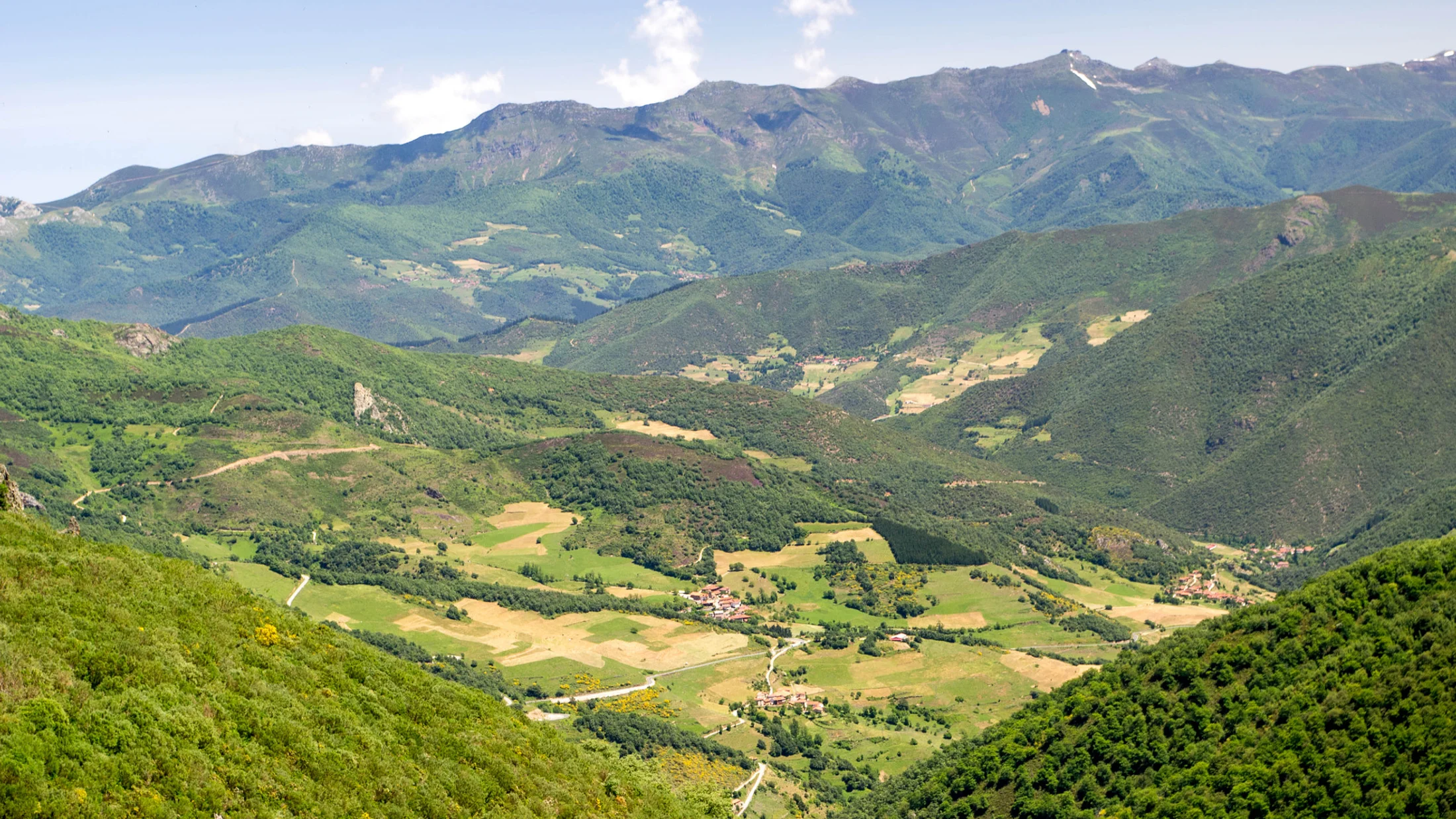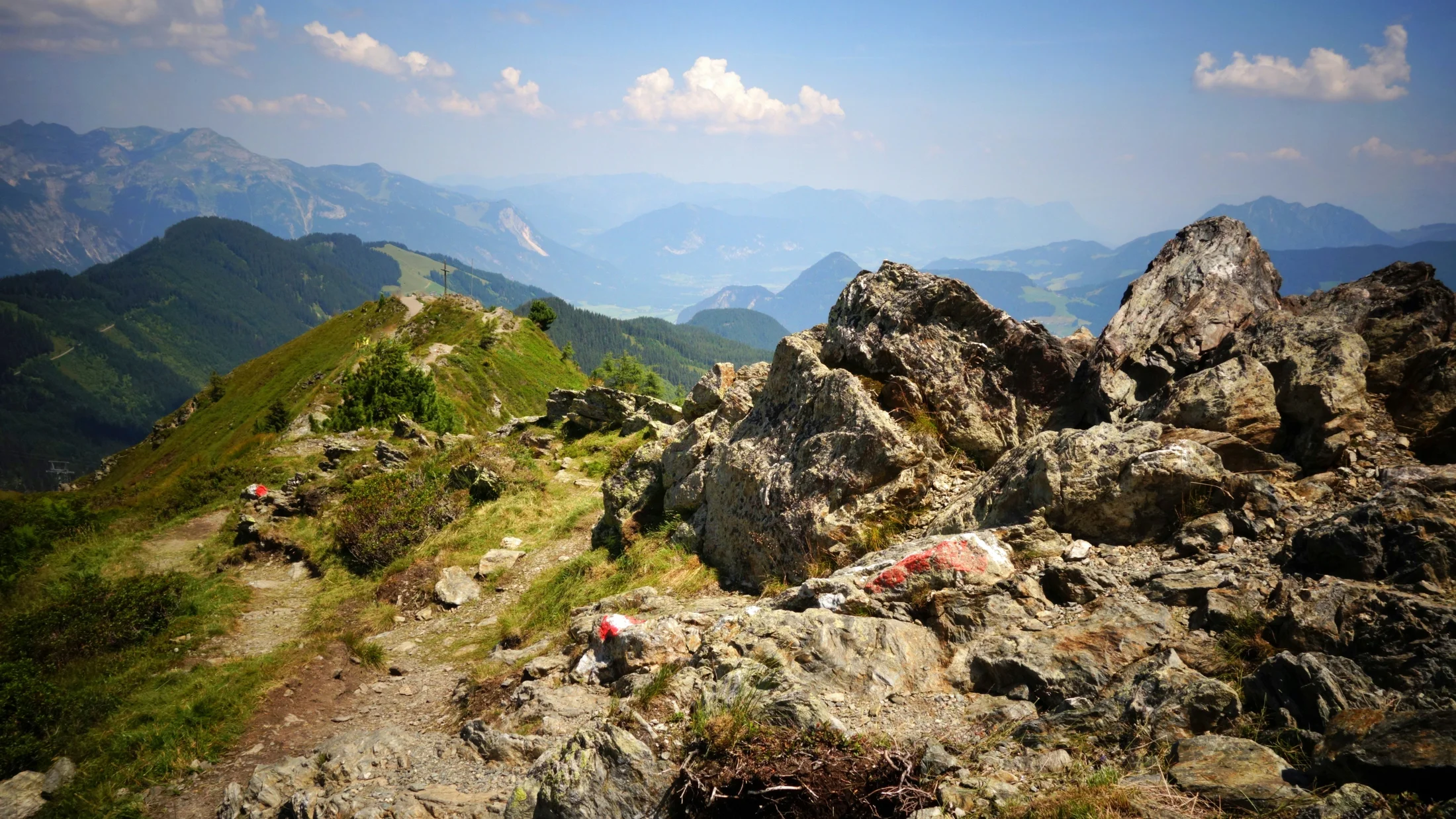
Summer At Its Peak: Why Picos De Europa Belongs On Your List
Picos de Europa summer hikes bring cool alpine air, long daylight, and trails that range from easy strolls to classic ridgelines. You come for limestone towers, deep gorges, and shepherd hamlets that still make Cabrales cheese the traditional way. At dawn, cowbells carry through the karst like a gentle metronome. We chose these 10 hikes, viewpoints, and summer bases for their accessibility, scenic impact, diversity of experiences, safety profile, and reliable lodging and transport options within the park’s three massifs.
You’ll find well-known names here—Ruta del Cares, Lakes of Covadonga, and the Fuente Dé cable car—plus lesser‑talked balconies and bases that keep logistics simple. Each pick includes where it is and how to get there, difficulty, length, elevation gain (the total climb), time needed, best time of day, ideal audience, permits or tickets where relevant, nearby places to stay, and practical tips. Expect concrete distances, typical durations, and notes on summer operations like shuttles and reservations, so you can match ambition with conditions.
To help you plan, we add an interactive map with filters by difficulty and activity type, and a focused FAQ to settle doubts before you lace up. Think of this as a field guide you can actually use: short, precise, and grounded in current practice. If you prefer to keep it simple, base yourself well, aim for early starts, and pair one headline trail with one quieter viewpoint. Your days will flow, and the mountains will do the rest.
Picuco te puede ayudar
Does something here catch your eye?
Tell us.
Write to us on WhatsApp or email: we answer questions, find the best options and help you sort out the booking.
What Summer Brings: Weather, Crowds, Wildlife, And Timing
Summer in Picos de Europa is mild in the valleys and refreshingly cool up high, with typical daytime ranges of 18–25°C below 1,000 m and 10–18°C above 1,800 m. Afternoon heat can build in gorges, and short storms can form quickly, so start early and watch the sky. The air smells of thyme on sun-warmed limestone. July and August are busiest, especially around the Lakes of Covadonga and the Ruta del Cares, while June and early September feel calmer.
Operations expand in summer: the Fuente Dé cable car runs longer hours, and shuttle buses control access to Covadonga lakes on peak days and times. Book cable car tickets and summer accommodations in advance to secure ideal slots and locations. Fauna is active at dawn and dusk—look for choughs, vultures, and chamois—so those hours reward hikers and photographers with calmer paths and warmer light.
Plan your day around shade and altitude: tackle exposed sections early, break at a refugio at midday, and keep shorter viewpoints for late afternoon. Respect grazing zones and give shepherd dogs wide space. For families or first‑timers, pick shorter circuits near the lakes and straightforward balcony walks; for ambitious hikers, combine the cable car with high traverses. Crowds cluster at trailheads between 10:00 and 14:00, so nudging earlier or later makes a big difference.
Ten Essential Hikes, Viewpoints, And Summer Bases
1) Ruta del Cares: Gorge Classic With Clifftop Drama
The Ruta del Cares threads a human‑carved ledge between Poncebos (Asturias) and Caín (León), a summer staple for first‑timers and veterans alike. Water roars below like a distant train in the tightest narrows. It’s a linear path: 12 km one way (24 km return), mostly moderate but with constant exposure (narrow track with drops) and some loose gravel.
- Where and access: Trailheads in Poncebos and Caín; road access to both, limited parking in high season. Buses serve Arenas de Cabrales–Poncebos in summer; check local timetables.
- Difficulty/length/elevation: Moderate; 12 km one way; around 350 m cumulative ascent each way; 3–4 hours one way.
- Best time: Early morning for shade through the gorge; June and early September for fewer people.
- Ideal for: Fit families with sure‑footed kids, day hikers, photographers.
- Safety: No railings in many sections; avoid with high winds or vertigo; bring plenty of water and sun protection as shade is limited after mid‑morning.
- Stay nearby: Cabrales (Arenas, Poncebos) has a wide spread of lodgings and eateries.
- Tips: If 24 km return feels too long, hike an out‑and‑back from Poncebos to the classic tunnels and cliffs (6–8 km total) and turn around at a natural midpoint.
2) Lakes of Covadonga (enol & Ercina): Gentle Walks And Big Vistas
The Lakes of Covadonga pair postcard beauty with easy walking, controlled summer access, and a tapestry of meadows and karst. Morning light turns Enol to glass and Ercina to jade. Access is by private car during off‑peak windows or by shuttle bus from Cangas de Onís/Covadonga on peak days in summer; road closures and bus schedules vary by date, so verify before you go.
- Where and access: From Cangas de Onís up to the lakes area; parking distributed near the lakes when road is open; shuttle buses drop close to trail starts.
- Difficulty/length/elevation: Easy; loops from 2–7 km; minimal elevation (50–200 m).
- Best time: Early morning for calm water and fewer crowds; golden hour for photography. June, early July, and September are gentler.
- Ideal for: Families, casual walkers, photographers, and first‑time visitors.
- Viewpoints and routes: Short circuits around Enol and Ercina, the Mine of Buferrera interpretive area, and small knolls with wide views.
- Combine with: Mirador de La Reina on the access road for a balcony over the eastern massif.
- Stay nearby: Cangas de Onís offers abundant lodging and services; smaller rural stays dot the approach road.
- Tips: Bring layers—wind can bite even in summer—and keep distance from livestock.
3) Fuente Dé Cable Car: Instant Altitude, Big Horizons
The Fuente Dé cable car lifts you from the Liébana valley to the high limestone in under four minutes, a summer shortcut to ridge walks and airy balconies. Watch the valley floor shrink like a folded map as you ascend. In peak season, pre‑book tickets for morning slots; prices are typically around 20–25 € return for adults—confirm current fares and schedules on the operator’s official channel.
- Where and access: Western massif, Cantabria; base station at Fuente Dé with large parking; buses connect from Potes in season.
- Difficulty/length/elevation: Choose your own—short strolls to the El Cable viewpoint (easy) or half‑ to full‑day traverses (moderate to strenuous).
- Time: From a 30‑minute viewpoint wander to 6–8‑hour hikes linking to Áliva or cirques.
- Best time: First cabin up for calm paths and stable light; stable weather windows after lunch also work.
- Ideal for: Families (top‑station balcony), hikers seeking altitude without a big climb, photographers.
- Routes from the top: Gentle path to
El Cablebalcony, traverse to Hotel/Refugio de Áliva, or longer circuits skirting high cirques. - Stay nearby: Potes and the Liébana valley have the densest lodging base, from rural inns to apartments.
- Tips: Even in heat, temperatures can drop 10°C at the top; carry a wind layer and check last descent times.
4) Bulnes And The Funicular: Mountain Hamlet With High‑trail Gateways
Bulnes sits in a steep cul‑de‑sac valley, a stone village accessible by funicular from Poncebos or by a steep footpath through the Texu canal. Wood smoke and slate roofs lend the hamlet a timeless hush. The funicular runs frequent daytime services in summer; return fares are commonly around 22–27 €—confirm current times and prices before you go.
- Where and access: Poncebos (Asturias) station for the funicular; limited parking; summer buses connect Arenas de Cabrales to Poncebos.
- Difficulty/length/elevation: Village strolls are easy; hikes to Canal de Amuesa (steep, strenuous) and towards Picu Urriellu are for fit hikers.
- Time: 1–2 hours to explore the village; 4–6 hours for Amuesa out‑and‑back; 6–8 hours to reach Urriellu base from Bulnes via Camburero (advanced, exposed).
- Best time: Early or late day for quieter streets and cooler air; June and early September for lighter loads.
- Ideal for: Culture‑curious travelers, photographers, strong hikers seeking access to high country.
- Nearby viewpoints: Balconies above Bulnes offer views into the Central Massif.
- Stay nearby: Poncebos for access; Sotres for a quieter base closer to high trails.
- Tips: If you hike up or down, the footpath is steep and rocky—use trekking poles and sturdy footwear.
5) Mirador de Ordiales: A Balcony Above The Lakes And Ridges
The Mirador de Ordiales hangs over a vast drop with layered ridges rolling to the coast, a favorite among the best viewpoints in Picos de Europa. On clear days, sea haze softens the far horizon like a watercolor wash. Most hikers start near the Lakes of Covadonga (Pan de Carmen) and follow a marked path across meadows and limestone to the rim.
- Where and access: Eastern massif above Covadonga; access via the lakes road (subject to shuttle rules).
- Difficulty/length/elevation: Moderate to demanding due to length; 16–18 km return; 700–900 m elevation gain; 6–7 hours total.
- Best time: Early start in stable weather; late afternoon for sidelight if you split the day.
- Ideal for: Fit hikers, landscape photographers, and those seeking a quieter alternative to the lakes loops.
- Combine with: Short detours to historic shelters and rolling high pastures.
- Photo tips: Bring a mid‑range zoom (24–70 mm) for ridge layers and a light tripod for low‑light edges.
- Stay nearby: Cangas de Onís for services; rural lodgings near the access road if you want an early gate time.
- Tips: The rim is exposed; keep back from edges in wind and fog, and carry extra water—sources are scarce in late summer.
6) Sotres: Traditional High Village And Trail Hub
Sotres, at roughly 1,050 m, is one of Asturias’ highest permanent villages and a classic base for high trails. Smoke curling from chimneys in cool mornings hints at an alpine pace. Services include small inns, restaurants, and shops, all used to hikers heading to Ándara, Urriellu, and beyond.
- Where and access: Cabrales municipality; paved mountain road from Arenas de Cabrales; winter can be tricky, but summer access is straightforward.
- Routes from town: Collado Pandébano to Picu Urriellu base, circuits into the Ándara sector, and local shepherd tracks with big views.
- Best time: June to September for full services and dry tracks; book well ahead in late July–August.
- Ideal for: Hikers and mountaineers, sunrise/sunset chasers, and those wanting quiet nights close to trailheads.
- Why stay: Cooler nights, shorter approach drives, and a community that understands mountain logistics.
- Tips: Parking is limited—arrive early for popular trail starts; carry cash as small establishments may prefer it.
- Reservations: High‑season weekends fill early—lock in rooms one to two months out.
7) Puerto De Áliva And Its Refugio: Gateway To High Summits
Puerto de Áliva is a gentle high pass and meadow complex linking cirques and summits, with a refugio and a high‑country hotel that anchor many summer plans. In the evening, the grass smells sweet and cool under a pale sky. Most visitors reach Áliva via the Fuente Dé cable car and a gradual traverse, or by 4x4 track and foot from the Camaleño side.
- Where and access: Western massif; from El Cable (top cable car) it’s an undulating 6–7 km to Áliva meadows.
- Difficulty/length/elevation: Easy to moderate from El Cable (200–300 m net descent to Áliva); longer circuits and ascents become strenuous.
- Time: 2–3 hours from El Cable to Áliva at an easy pace; add time for side ridges or returns.
- Best time: Mornings for calm air; late afternoons for soft light on meadows and walls.
- Ideal for: Families who want a high‑country stroll, hikers building multi‑day traverses, and photographers.
- Stay nearby: Book Refugio/Hotel de Áliva in advance for overnight access to first and last light; Potes as a valley base.
- Tips: Check last cable car time if you plan a return; if staying overnight, pack an extra layer as temperatures dip.
8) Picu Urriellu (naranjo De Bulnes): For Climbers And Admirers
Picu Urriellu, the Naranjo de Bulnes, is Spain’s granite icon, a smooth monolith that glows like embers at sunset. Its west face looms like a ship’s prow from a sea of limestone. The summit is strictly for experienced climbers with technical gear and routes, but hikers can and should aim for the base and the Refugio de Urriellu to witness the amphitheater.
- Where and access: Central massif; the most common hike begins at Collado Pandébano (near Sotres) to the Refugio de Urriellu.
- Difficulty/length/elevation: Strenuous for non‑technical hikers due to steepness and terrain; around 12–14 km return; 700–900 m elevation gain; 5–7 hours total.
- Alternative access: From Bulnes via the Canal de Camburero (longer, exposed, route‑finding required)—only for experienced parties.
- Best time: Early starts in summer heat; June and September for fewer people; sunsets are spectacular if you overnight at the refugio.
- Ideal for: Strong hikers, photographers, climbers (with proper permits and experience).
- Stay nearby: Sotres for access; the Refugio de Urriellu (book well ahead in season) for dawn and dusk light.
- Safety: Weather changes fast—carry layers, headlamp, map/track; do not attempt climbing without proper skills and partners.
9) Mirador De La Reina: Balcony From The Access Road
Mirador de La Reina perches on a bend of the road up to the lakes, with a grandstand view over the eastern massif and the green lowlands. In the evening, valley villages flicker like scattered embers. It’s a classic stop on any Lakes of Covadonga day.
- Where and access: On the AS‑262 road between Covadonga and the lakes; signed parking area; short walk to the railing.
- Difficulty/length/elevation: Very easy; a few minutes on level ground.
- Best time: Sunrise for clear air and long shadows; sunset for warm glow on rock faces.
- Ideal for: Families, low‑mobility travelers, photographers scouting an anchor shot.
- Combine with: Early lakes walk or a late stop after an Ordiales or lakes loop.
- Stay nearby: Cangas de Onís provides variety; rural lodging along the approach road offers quick access for first light.
- Tips: Arrive early or late to avoid roadside crowds; keep children close near the edge and traffic.
10) Potes And The Liébana Valley: Comfortable Base With Reach
Potes is Liébana’s small capital, a crossroads town wrapped in mountains with services that make planning easy. Evening terraces ring with conversation and the scent of stews and grilled meats. It’s the natural base for Fuente Dé, western‑massif hikes, and summer day trips into quiet side valleys.
- Where and access: Cantabria’s Liébana valley; road connections from Santander and Asturias; seasonal buses link to Fuente Dé and regional hubs—verify timetables.
- Why it works: Many lodging types, restaurants, supermarkets, gear shops, and guiding services operate daily in summer.
- Best time: June to September for full services; shoulder weeks for quieter streets.
- Ideal for: Families and groups wanting flexibility, cable‑car users, and hikers mixing activity with easy evenings.
- Combine with: Fuente Dé cable car, Áliva traverse, Hermida Gorge scenic drive, and short balcony walks.
- Where to stay in Picos de Europa: Choose Potes for convenience and variety, or split nights with a high village like Sotres to balance access and calm.
- Tips: Park and ride to Fuente Dé on busy days; book key dinners and rooms on weekends in July–August.
Map Of Locations: Your Planning Companion
Use our interactive map to visualize everything at once: all ten picks, refuges, the Fuente Dé cable car stations, summer shuttle stops for the lakes, official parkings, and nearby villages with lodging. Icons differentiate hikes, viewpoints, and bases, so you can build days that stack logically. A thin mist of contour lines helps you judge terrain at a glance. Filters let you refine by difficulty (easy, moderate, strenuous), activity (hike, viewpoint, base), and accommodation presence (nearby stays, high refuges, valley hubs).
Click a marker for quick‑look data: distance, elevation gain, estimated time, seasonality notes, and tips like “book shuttle” or “exposed in wind.” A one‑tap button opens each point in Google Maps to start navigation or save lists for offline use. If you prefer paper, download a high‑resolution overview to pair with a detailed topo map on trail. Plan a triangle—base, morning hike, afternoon viewpoint—and your summer days will flow with fewer transfers.
Choosing Your Base: Transport, Fitness Level, And Season
Pick your base by how you move, how you like to hike, and how you like to end the day. Car travelers can split nights between a valley hub and a high village; public transport travelers do best anchoring in Potes or Cangas de Onís. The smell of wood smoke in high hamlets pairs well with early starts and quiet starscapes. Fitness matters too: families and casual walkers thrive near the Lakes and Potes; strong hikers love Sotres for shorter approaches.
- Quick picks:
- Potes: best for Fuente Dé and western massif, easiest logistics, lots of lodging.
- Cangas de Onís: best for Lakes of Covadonga and eastern massif, many services.
- Sotres: best for ascents and high traverses, quieter nights, fewer shops.
- Arenas de Cabrales/Poncebos: best for Ruta del Cares access and Bulnes.
| Base | Access (car/public) | Vibe/services | Good for | Closest highlights |
|---|---|---|---|---|
| Potes (Liébana) | Excellent/Good (buses) | Bustling, full services | Families, groups, cable car users | Fuente Dé, Áliva, western massif |
| Cangas de Onís | Excellent/Good (buses) | Lively, many lodgings | Lakes visitors, families | Lakes of Covadonga, La Reina |
| Sotres (Cabrales) | Good/Limited | Quiet, hiker‑centric | Hikers, mountaineers | Urriellu base, Ándara tracks |
| Arenas/Poncebos | Good/Limited seasonal | Trailhead townlets | Cares hikers, Bulnes visitors | Ruta del Cares, Bulnes funicular |
- Timing: Late July–mid‑August brings festivals and peak crowds—book early and aim for dawn starts. June and early September strike a nice balance between services and space.
Practical Tips: Gear, Safety, Timings, And Reservations
Summer comfort in Picos hinges on smart packing and timing. The sun can bake gorges while wind chills summits, so plan for both. The limestone smells dusty‑sweet after a brief shower. Pack grippy hiking shoes or boots, a sun hat, sunglasses, high‑SPF sunscreen, and 1.5–2 liters of water per person for half‑day hikes (more for long routes). Add a light insulating layer and a windproof shell—even in heat, high country can be brisk. Trekking poles help on rocky descents.
- Safety and navigation:
- Check the mountain weather forecast each morning; storms can build fast after noon.
- Carry a map/app with offline tracks and a power bank; waymarks are good but fog reduces visibility.
- Exposed sections (narrow paths with drops) require focus; turn around if uncomfortable.
- Emergency number is 112; know your location (trail name, nearest landmark).
- Timing:
- Start early to beat heat and crowds; aim to be on trail by 8:00–9:00 for classics.
- Keep a flexible afternoon plan in case of storms; shorter viewpoints work well later.
- Permits and bookings:
- Lakes of Covadonga: summer road restrictions often apply; use the shuttle bus when required.
- Fuente Dé cable car: reserve morning slots in high season; confirm last descent.
- Refuges (Urriellu, Áliva): book well in advance for July–August weekends.
- Environment:
- Stay on paths, close gates, pack out all waste, and give space to livestock and working dogs.
- Support local economies—buy cheese, honey, or a meal in village bars.
Ideas For Families, Day Hikers, And Photographers
Match your day to your group and you’ll enjoy more and worry less. The clink of cowbells and a shared sandwich on a breezy knoll can be the day’s highlight. For families, stick to gentle paths and viewpoints with short approaches and services nearby.
- Families:
- Lakes of Covadonga loops (2–4 km), Mirador de La Reina stop, Fuente Dé top‑station balcony.
- Bring snacks, hats, and a simple treasure‑hunt list (wildflowers, birds) to keep kids engaged.
- Add cultural stops: Covadonga sanctuary, Potes’ historic center.
- Day hikers (intermediate):
- Ruta del Cares out‑and‑back to a scenic midpoint (12–16 km total).
- Fuente Dé to Áliva traverse (easy‑moderate, 10–14 km).
- Ordiales for a big day (16–18 km, early start).
- Photographers:
- Sunrise: La Reina or Ercina shore; chamois often visible.
- Sunset: Picu Urriellu base if overnighting; Áliva meadows; El Cable balcony.
- Carry a light tripod and a polarizer to manage glare on lakes and limestone.
Frequently Asked Questions
When is the best time in summer to visit Picos de Europa?
June and early July, plus early to mid‑September, balance open services with fewer crowds and milder temperatures. Late July–August have the longest hours but also the most visitors—start early and book ahead.
Do I need to reserve the Fuente Dé cable car or the Covadonga shuttles?
In peak season, yes. The Fuente Dé cable car often sells out morning slots; reserve in advance and confirm last descent times. Covadonga lake access uses shuttles on many summer days—check the official park and transport notices for dates and timetables.
Is accommodation open and available in high season?
Yes, but the most convenient bases (Potes, Cangas de Onís, Sotres) book up weeks in advance, especially weekends. Reserve early for July–August and consider splitting nights across a valley base and a high village to match your routes.
What fitness level is required for the Ruta del Cares or the approach to Naranjo de Bulnes (picu Urriellu)?
Ruta del Cares is long but moderate (12 km one way) with exposure; fit walkers with sure footing manage it in 3–4 hours each way. The approach to Urriellu base from Collado Pandébano is strenuous for non‑technical hikers (700–900 m elevation gain over 12–14 km return); plan 5–7 hours and start early.
How does heat or wildlife affect summer hiking?
Gorges and exposed tracks heat up by late morning—carry enough water and use sun protection. Wildlife is most active at dawn/dusk; give chamois, cows, and shepherd dogs wide space and never feed animals. Afternoon storms can form quickly—check forecasts and adapt plans.
Where can I get official, updated information?
Consult the Parque Nacional Picos de Europa official channels for access rules and weather notices, and the Fuente Dé cable car operator for hours and prices. Local tourism offices in Potes and Cangas de Onís post current shuttle schedules and trail advisories.
Book your experience — discover outdoor activities in Spain with providers verified by Picuco.
Conclusion: Plan Early, Start Early, And Let The Mountains Lead
These ten picks—gorges, lakes, balconies, cable cars, and smart bases—cover the heart of Picos de Europa summer hikes without overcomplicating logistics. Choose a base that fits your transport and pace, reserve key pieces like Fuente Dé and refuges, and aim for early starts with flexible afternoons. The limestone glows, the valleys hum, and village tables await when boots come off. For next steps, save our map, sketch two or three anchor days, and secure lodging in Potes, Cangas de Onís, or Sotres. If you want to go further, check Picuco’s activity pages for guided options, and consult official park channels for access updates. Summer here rewards simple plans done well—clean lines, cool air, and memories that stick like sun on stone.