Why Inland Lakes And Reservoirs Are Perfect For Your Next Paddle
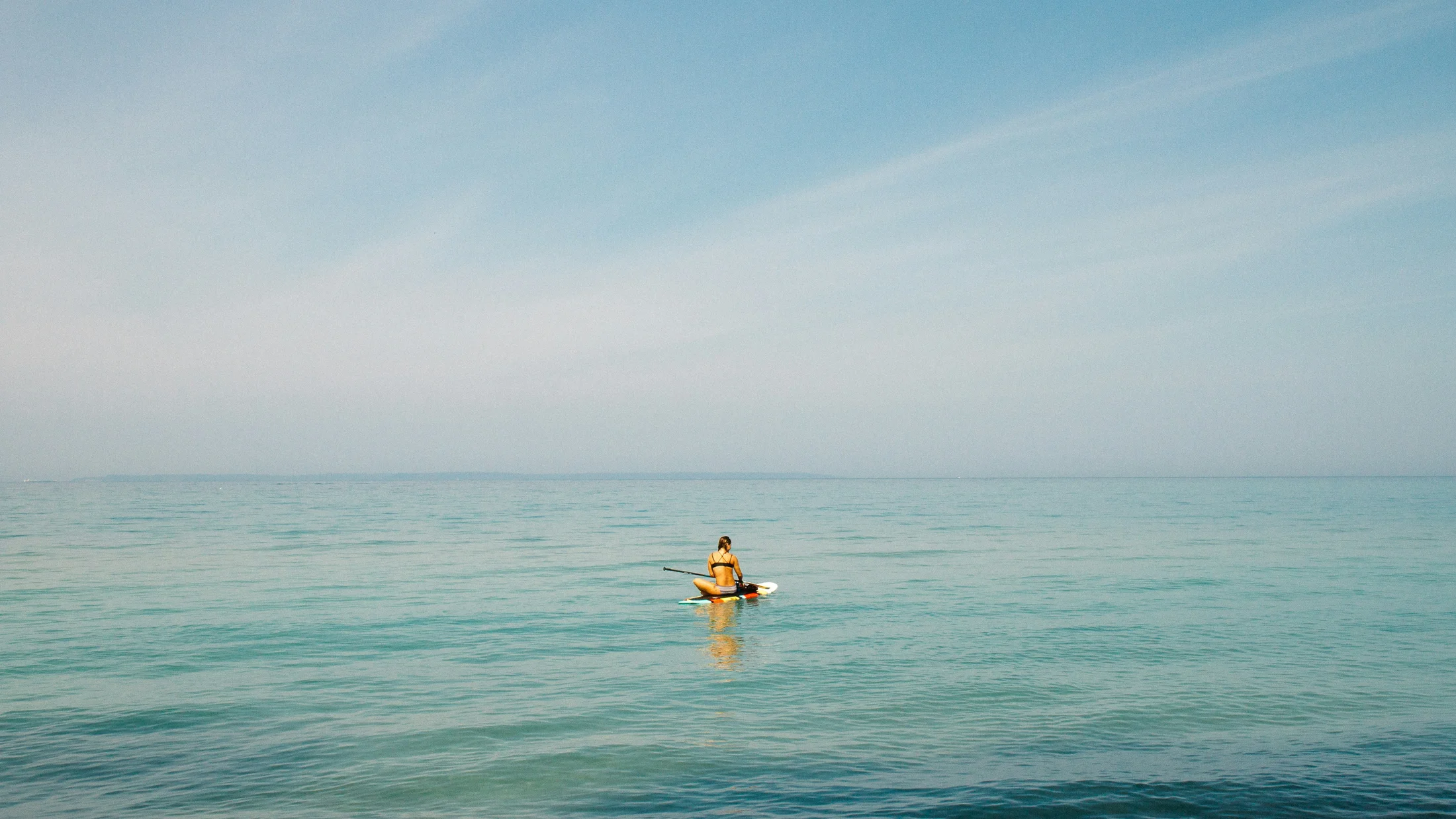
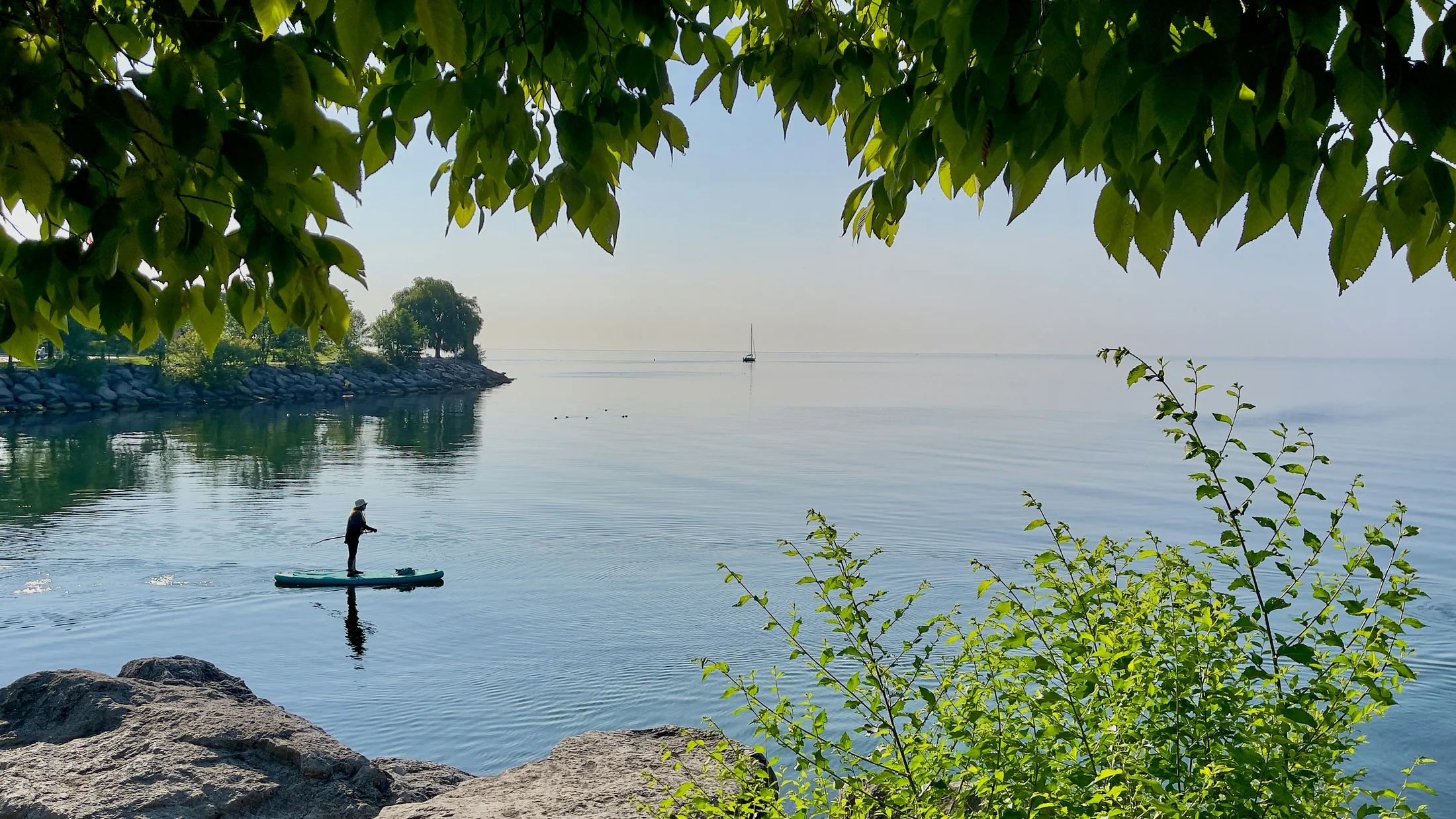
If the sea feels far away or too crowded, paddle boarding reservoirs Spain offers calm water, wild edges, and easy access from major cities. You get mirror-flat mornings, protected coves, and fewer currents, which makes progress steady and relaxing. Picture reeds shivering in a breeze while your board glides past oak-studded hills. In this guide, you’ll find quiet SUP spots inland Spain, from mountain reservoirs to classic “playa interior” beaches close to Madrid.
We selected each location using six practical criteria that matter on the water. We prioritized safety (sheltered shores and predictable winds) and straightforward access (clear parking, ramps, or small beaches to launch). We checked for services where useful—think rentals, restrooms, and cafés—plus variety for all levels, scenic interest, and workable seasons. We also looked for reservoir paddle boarding rentals Spain so you can travel light, and we flagged any permits or rules typical of the local water authority.
Here’s what you can expect: concise “spot cards” with how to get there, when to go, who each place suits, what to do (routes, photo angles, mellow coves), and what to watch out for. We keep jargon simple: if we say “fetch,” we mean the distance wind travels across water to build small chop, and “lee shore” means the shore protected from wind and waves. Tap into these inland lake SUP Spain options for a no-fuss day out or a full weekend escape. Carry a basic safety habit with you—PFD on, leash fitted—and you’ll earn the kind of tired that feels like a gift.
Picuco te puede ayudar
Does something here catch your eye?
Tell us.
Write to us on WhatsApp or email: we answer questions, find the best options and help you sort out the booking.
Quiet Inland Sup: 10 Reservoirs And Lakes Worth Your Paddle
1) Embalse de San Juan, Madrid: Madrid’s Inland Beach With Easy Services
Close to the capital and known for its sandy “playa interior,” San Juan mixes mellow arms with busier bays, so you can choose your vibe. Early mornings are glassy, and pine resin hangs in warm air as swallows skim the surface. It’s a classic SUP near Madrid day trip with clear signage and multiple access points.
- Location and getting there:
- 75–85 km SW of Madrid near San Martín de Valdeiglesias; follow
M-501toward the reservoir. - Main bathing areas: Virgen de la Nueva (Blue Flag since 2018) and El Muro.
- 75–85 km SW of Madrid near San Martín de Valdeiglesias; follow
- Rentals and prices:
- Seasonal stands around main beaches; typical
alquiler paddle surf embalseis 12–20 € per hour or 35–50 € half-day—confirm on-site or check Picuco for updated options. - Search terms to use locally: “paddle surf embalse San Juan”.
- Seasonal stands around main beaches; typical
- When to go:
- May–September for warmth; shoulder seasons offer calmer water and fewer boats.
- Ideal for:
- Beginners and families on sheltered coves; SUP yoga or short scenic paddles.
- What to do:
- Sunrise paddle from Virgen de la Nueva toward quiet inlets; photo stop along rocky peninsulas and pine-backed beaches.
- Access and services:
- Paid/limited parking near beaches; lifeguards and cafés in high season; clear bathing zones marked.
- Safety and permits:
- Watch midday thermals and boat wake near busy channels; keep distance from the dam and obey buoy lines.
- Use a PFD and quick-release waist leash if you plan to cross busy areas.
2) Lago de Sanabria, Zamora: Cold, Clear Water In A Glacial Bowl
Spain’s largest glacial lake sits at 997 m in Sanabria Lake Natural Park, with dark, tea-clear water and granite slopes all around. Even in summer the water feels brisk, sharpening your senses on the first few strokes. The landscape’s stillness makes it a favorite among quiet SUP spots reservoirs.
- Location and getting there:
- Province of Zamora; main access from Puebla de Sanabria via
ZA-104. - Launches from Playa de los Enanos, Custa Llago, or Playa Viquiella.
- Province of Zamora; main access from Puebla de Sanabria via
- Rentals and prices:
- Seasonal lakeside rentals near main beaches: 12–20 € per hour; confirm locally or via Picuco before you go.
- When to go:
- Late June–September for warmer air; water stays cold year-round (wetsuit recommended outside peak summer).
- Ideal for:
- Intermediates and anyone seeking solitude; beginners can cruise near shore in calm conditions.
- What to do:
- Circuit along the northern shore for morning light on granite headlands; mid-lake crossings only in light winds.
- Photographers: shoot low from the deck to frame reed beds against the peaks.
- Access and services:
- Signed car parks at main beaches; restrooms and cafés in season; park rangers patrol.
- Safety and permits:
- Respect park rules and bathing zones; winds can funnel down-valley in the afternoon.
- Hypothermia risk is real: carry a windproof layer and avoid long swims.
3) Embalse de Entrepeñas, Guadalajara: The “sea Of Castile” For Long Crossings
Entrepeñas spreads into branching arms and open reaches, earning its nickname “Mar de Castilla.” You can paddle for hours under red sandstone cliffs and cork oak ridges with the sound of cicadas traveling far over the water. Distances are deceptive here—plan your route, not just your mood.
- Location and getting there:
- Near Sacedón, Guadalajara; from Madrid, take
A-2thenN-320. - Launch from Sacedón marina area or smaller coves along the east shore.
- Near Sacedón, Guadalajara; from Madrid, take
- Rentals and prices:
- Marinas and seasonal stands offer SUP from ~15–25 € per hour; expect discounts for half-day/day—confirm on-site.
- When to go:
- May–October; mornings are calmest; watch for weekend crowds in July–August.
- Ideal for:
- Intermediates/advanced paddlers keen on fitness distances and navigation.
- What to do:
- Out-and-back along the sheltered arms north of Sacedón; advanced paddlers can link headlands for a 8–12 km loop.
- Sunset paddles deliver red rock glowing like embers.
- Access and services:
- Several chiringuitos in high season; fuel, groceries, and restaurants in Sacedón.
- Multiple informal pull-offs; choose launch sites with firm footing.
- Safety and permits:
- Powerboat traffic increases on weekends—hug the lee shore and use high-visibility clothing.
- Check local rules and any navigation restrictions from the Tajo water authority.
4) Embalse de Orellana, Badajoz: Warm Waters And Blue-flag Inland Beaches
Orellana’s “Costa Dulce” is famous for Blue Flag recognition and gently shelving beaches ideal for families. In summer the air smells of sun-warmed scrub and freshwater, with swallows stitching the sky above flat water. It’s a relaxed choice among SUP spots inland Spain where a picnic fits naturally into the day.
- Location and getting there:
- Near Orellana la Vieja, Extremadura; access via
EX-115and local roads. - Main launch: Playa Costa Dulce de Orellana; other sandy coves nearby.
- Near Orellana la Vieja, Extremadura; access via
- Rentals and prices:
- Seasonal beach rentals: ~10–18 € per hour; family boards and kids’ paddles often available.
- When to go:
- Late spring to early autumn; water warms quickly in summer.
- Ideal for:
- Families, first-timers, and mellow social paddles.
- What to do:
- Shoreline cruise between beaches; combine paddle + picnic under tamarisk shade; birdwatch with binoculars from your deck.
- Access and services:
- Campgrounds, bars, and lifeguards in season; signed car parks and shaded areas.
- Safety and permits:
- Wetlands and bird areas form part of protected networks—keep a wide berth and avoid nesting zones.
- Keep your board clean to prevent invasive species transfer.
5) Embalse de La Serena, Badajoz: Big Water, Big Skies, And Changeable Wind
La Serena is one of Spain’s largest reservoirs by capacity, with open horizons and long peninsulas to explore. On still mornings the surface looks like polished steel under an empty sky. Distances stretch fast, so treat it like a mini-expedition, not a beach paddle.
- Location and getting there:
- North-east of Castuera, connected by
EX-103and local roads; services are scattered. - Look for peninsulas near Capilla and Cabeza del Buey for semi-sheltered launches.
- North-east of Castuera, connected by
- Rentals and prices:
- Limited on-lake rentals; check nearby towns for gear (15–25 € per hour typical) or bring your own inflatable.
- When to go:
- Spring and autumn for milder temps and fewer afternoon gusts; summer can be hot with strong thermals.
- Ideal for:
- Intermediates and advanced paddlers comfortable with route planning and wind management.
- What to do:
- Plot 6–10 km out-and-backs linking headlands; seek coves on the lee side when wind builds.
- Sunrise shots capture low light skimming golden grasses.
- Access and services:
- Long stretches without cafés or restrooms—carry water and shade.
- Gravel pull-offs serve as launches; choose firm banks to avoid mud.
- Safety and permits:
- Check weather and any dam-release advisories; wear a PFD and carry a tow line.
- Mark turn-around times; don’t commit to crossings late in the day.
6) Embalse de Ullíbarri‑gamboa, Álava: A Calm, Green Lake Near Vitoria
Just 15–20 minutes from Vitoria-Gasteiz, this reservoir has beaches, bike paths, and shaded coves for an easygoing day. Willows dip into still water while cyclists circle the shore path in quiet loops. The setup is perfect for first sessions and family micro-adventures.
- Location and getting there:
- Access via
A-1and local roads to Landa and Garaio parks. - Launch from Landa beach or Garaio recreational area—both have gentle entries.
- Access via
- Rentals and prices:
- Seasonal rentals at main beaches: ~12–20 € per hour; lessons for beginners often available.
- When to go:
- Late spring to early autumn; mornings are reliably calm.
- Ideal for:
- Beginners, families, and SUP picnics; easy laps for fitness.
- What to do:
- Paddle the bays inside the Landa peninsula; loop 3–5 km circuits staying within 100–200 m of shore.
- Photographers: mirror-reflections on early starts.
- Access and services:
- Parking, restrooms, picnic areas, and lifeguards in season; cafés nearby.
- Safety and permits:
- Motorized craft use is limited; still, go early to avoid sailboat traffic on breezier days.
- Respect swimming zones and park guidelines.
7) Pantà de Sau, Barcelona/girona: A Photogenic Bell Tower Rising From The Water
Sau is famous for the occasional emergence of the Sant Romà de Sau bell tower when water levels drop. On low-water days, sandstone cliffs glow honey-colored, and the tower’s stones hold the dawn like a lantern. Even at higher levels, the surrounding Guilleries-Savassona landscape steals the show.
- Location and getting there:
- Near Vilanova de Sau; from Barcelona, take
C-17toward Vic and continue via local roads. - Best launches depend on water level; check local access by the dam or coves upstream.
- Near Vilanova de Sau; from Barcelona, take
- Rentals and prices:
- Rentals typically available in the region seasonally; plan ~15–25 € per hour if you find on-lake options or bring inflatables in your car.
- When to go:
- Spring and autumn for soft light and fewer people; winter water is cold.
- Ideal for:
- Photographers and intermediates who can handle variable levels and light chop.
- What to do:
- Short circuits along the right bank toward visible cliff faces; align the bell tower (if exposed) with morning light for iconic shots.
- Access and services:
- Parking areas shift with level; some tracks can be dusty or muddy—check conditions locally.
- Services cluster in nearby towns (Vic area) rather than at the water’s edge.
- Safety and permits:
- Parts of the area are protected; respect any zones marked off-limits.
- Submerged structures can sit just below the surface—paddle slowly near old village remains.
8) Pantano de Yesa, Navarra/aragón: Mountain Scenery And Turquoise Clarity
Set against Pyrenean foothills, Yesa gleams turquoise under big skies and clean ridgelines. The air smells of wild thyme on hot days, and gusts can run down-valley like invisible rivers. It’s a scenic prize for inland lake SUP Spain, best tackled on gentle mornings.
- Location and getting there:
- Along the
N-240between Jaca and Pamplona; multiple lay-bys offer water access. - Favor small coves on the south shore for shelter when northerlies blow.
- Along the
- Rentals and prices:
- Limited or seasonal; plan to bring your own board or confirm rentals in nearby towns (15–25 € per hour typical).
- When to go:
- Late spring to early autumn; mornings calmer, afternoons windier.
- Ideal for:
- Intermediates comfortable with chop and reading wind lanes.
- What to do:
- Hug headlands to link turquoise coves; short 3–6 km out-and-backs with quick bailout options.
- Golden hour turns the hills bronze against blue water.
- Access and services:
- Parking at roadside pull-offs; few services at the shore—stock up beforehand.
- Safety and permits:
- Sudden weather shifts are common—check forecasts and carry warm layers.
- Obey any closures related to works or protected sections.
9) Laguna de Gallocanta, Zaragoza/teruel: Silence, Cranes, And Strict Protection
Gallocanta is Europe-famous for common crane migrations, and protection rules here are stringent. On still mornings, you hear wings before you see them, a hush broken by rolling calls over shallow water. This is a place for respect first, paddle second—often, paddling is not permitted.
- Location and getting there:
- Between Zaragoza and Teruel provinces; access via
A-1506to viewing areas (Bello, Gallocanta). - Shoreline observatories and signed tracks serve visitors.
- Between Zaragoza and Teruel provinces; access via
- Rentals and prices:
- No lakefront rentals; this is a wildlife site, not a beach destination.
- When to go:
- Autumn and winter for crane arrivals; spring for other migratory species.
- Ideal for:
- Nature lovers seeking quiet observation; if paddling is allowed at all, only in specific seasons and zones with authorization.
- What to do:
- Primary plan: watch from shore or combine a land hike with binoculars; keep SUP in the car unless you have written permission.
- Access and services:
- Basic services in nearby villages; visitor centers operate seasonally.
- Safety and permits:
- Navigation is generally prohibited to protect birds; if exceptions apply, secure explicit authorization from the regional environment authority before launching.
- Keep dogs leashed and maintain silence near flocks.
10) Embalse de Valmayor, Madrid: Quick Access For After‑work Sessions
Valmayor sits northwest of Madrid and is popular with local sailors and paddlers thanks to fast access. In the last light, the Sierra outlines sharpen while ripples tick against the board like light rain. It’s a practical option for short, calm sessions close to the city.
- Location and getting there:
- Near San Lorenzo de El Escorial and Valdemorillo; use
M-600/M-510. - Look for small bays on the east and north shores with gentle entries.
- Near San Lorenzo de El Escorial and Valdemorillo; use
- Rentals and prices:
- Occasionally available via local clubs or seasonal stands; 12–20 € per hour where offered. Many paddlers bring their own gear.
- When to go:
- Weekdays and early mornings or late evenings to avoid crowds and wind.
- Ideal for:
- Beginners under calm conditions, quick fitness laps, and technique drills.
- What to do:
- 2–4 km shoreline cruises staying inside protected coves; sprint intervals when the lake is flat.
- Access and services:
- Limited lakeside services; cafés and shops in nearby towns; parking at designated pull-offs only.
- Safety and permits:
- Reservoir rules can change—check Canal de Isabel II and Tajo basin guidance on non-motorized craft before you go.
- Give sailboats wide berth and stay out of marked training areas.
Interactive Map Of The Spots
To make planning simple, embed a Google My Maps showing all 10 locations plus practical launch points and parking. Include markers for launches, suggested short routes, photo viewpoints, and seasonality notes; label roads like M-501 (San Juan), ZA-104 (Sanabria), N-320 (Entrepeñas), and N-240 (Yesa). Add filters by level (beginner, intermediate, advanced), services (rentals, cafés, restrooms), and season (summer only, all-year). Where relevant, add links from each marker to the corresponding spot section and to rental notes on Picuco. Offer downloadable GPX/KML of shoreline circuits for offline navigation, and include a brief legend explaining icons. Finally, add a note on responsibility: double-check access, rules, and private land boundaries before using any coordinate you share with friends.
How To Choose The Right Reservoir Or Lake
Start with your level. Beginners do best on small, sheltered waters with short exit distances to shore; intermediates can handle moderate chop and longer crossings; advanced paddlers can plan 10–15 km traverses with wind routing. Think size and fetch: large reservoirs like La Serena or Entrepeñas develop wind-driven chop with even modest breezes, while smaller arms of Ullíbarri-Gamboa or coves at Orellana stay calmer. In the shade of a headland, glassy water can sit inches from ruffled chop.
Check wind exposure and protection. Study the shoreline for coves, bends, and headlands that form a lee shore under the day’s forecast. A “lee” is simply the side shielded from wind; you want to start into the wind so you return with a tailwind. Note access and facilities: ramps, small beaches, or firm banks make entry safe; restrooms, shaded picnic zones, and rentals simplify logistics for families.
Confirm services. Reservoir paddle boarding rentals Spain are seasonal; call ahead or use Picuco to see active stands and current prices. Water depth and temperature matter, too: glacial-influenced lakes like Sanabria are cold, even in summer, so wear a suitable wetsuit; shallow beaches at Orellana warm up fast. Consider wildlife and protected areas—bird reserves often restrict navigation during nesting or migration; Gallocanta is a prime example where staying ashore protects a world-class spectacle.
Finally, check water management. Many reservoirs are managed by river-basin authorities that release water for irrigation or power. Look for advisories on dam releases, navigation permissions, and temporary closures before you go. If anything feels off on arrival—unexpected wind, algae bloom, or moving safety buoys—scale down your plan and stay well within your comfort zone.
Rentals And Getting There
Inland rentals are clustered around bathing beaches, park visitor areas, and marinas. For alquiler paddle surf embalse options you’ll typically see 12–20 € per hour, 35–60 € half-day, and 50–80 € day rates; confirm on-site, with local tourism offices, or check Picuco for current availability. Expect summer-only operations at many spots, with weekends busier and pricier. “Paddle surf embalses” schools often bundle quick lessons with rentals, which is great for first-timers.
Board choice matters inland. Inflatable SUPs pack into a backpack and ride easily in a car trunk or on a train; they’re durable against rocky banks and simple to store. Rigid boards feel faster but complicate transport and fragile entries. If you roof-rack, use bow and stern lines; trains allow inflatables as regular luggage if you deflate and stow the pump and fin. For clothing, bring layers—the air warms quickly, but reservoirs can produce afternoon breezes that cool you fast.
Parking and timing keep stress down. Aim for early arrivals on hot weekends to secure legal spots at San Juan, Orellana, or Ullíbarri-Gamboa. In rural embalses, services can be kilometers away—carry water, snacks, and a sunshade. A simple flow works: check the forecast, pick a sheltered launch, rent or inflate on grass, set a clear turn-around time, and be back before the wind builds.
Rules, Permits, And Safety
Rules shift by basin and municipality, so verify locally before you launch. Step one: confirm that non-motorized craft are allowed at your chosen reservoir; some waters restrict navigation to clubs or designated zones. Step two: check if a permit is needed from the municipal authority or the regional river-basin confederation (e.g., Tajo, Ebro, Guadiana, Duero). Look for signage at ramps and bathing areas—red buoys typically mark swimming-only or no-navigation zones.
Wear a PFD every time, and use a leash matched to the environment; a quick-release waist leash is best for moving water or around obstacles. Tell someone your route and return time, and carry a charged phone in a waterproof case plus a whistle. Scan notices about dam releases or low bridge clearances, and avoid paddling close to the dam face or intakes. For insurance, many paddlers carry basic personal accident coverage; some clubs include third-party liability.
Protected areas come with extra rules. Bird sanctuaries may impose seasonal closures or total bans on navigation to safeguard nesting and migration; where allowed, pass quietly and keep wide buffer zones around wildlife. If in doubt, skip the paddle rather than risk a fine—or disturbing the places we all love.
Practical Tips For A Smooth Day On The Water
Pack for freshwater specifics. Algae blooms can appear in summer, so rinse off after paddling and avoid swallowing water. In cooler seasons, choose a 3/2 mm wetsuit; in shoulder seasons, pair neoprene tops with quick-dry shorts; in peak summer, light UPF layers prevent sunburn. Drawstring footwear or river sandals help on muddy banks and pebble entries. The first push-off feels soft as clay molds under your feet.
Launch and land smart. Use ramps or sandy pockets; if you must use a muddy edge, place the board flat, kneel to push off, and stand once clear. On return, sit or kneel early to avoid slipping near slick rocks. Paddle technique shifts inland: set a gentle, higher cadence in light chop; angle your bow 20–30 degrees to small waves to avoid slapping; cross-covey in short legs to keep bailout options.
Wind is your main variable. Start into it, finish with it; hug the lee shore when gusts rise; wear a bright top so powerboats or sailors see you. Hygiene and care matter: rinse your fin box, leash, and board to prevent transporting invasive species between basins. For the environment, carry in-carry out everything, stay off reed beds, and avoid nesting islets even if no signs are present.
Pre-paddle checklist:
- PFD, whistle, and quick-release leash
- Sun protection: hat, sunglasses with retainer, reef-safe sunscreen
- Hydration and snacks (2–3 L water per person in summer)
- Phone in waterproof case, small first-aid kit, tow line
- Warm layer/windbreaker and headlamp for late returns
Frequently Asked Questions
Is paddle boarding on reservoirs safe for beginners?
Yes—choose small, sheltered coves with easy exits, go early when winds are light, wear a PFD, and keep sessions short. Avoid big crossings and stay within 100–200 m of shore.
Do I need a permit to paddle on a reservoir?
Sometimes. Check the local municipality and the relevant river-basin confederation for navigation rules, seasonal closures, and any small fees or registrations.
Where can I find rentals near Madrid?
Embalse de San Juan and, at times, Valmayor offer seasonal rentals; search on-site stands or confirm via Picuco. Expect 12–20 € per hour and earlier openings on weekends in summer.
What should I wear in summer and winter?
In summer, UPF shirt and hat, with light footwear for rocky or muddy entries. In spring/autumn, add a neoprene top or 3/2 mm suit; in winter, consider a thicker wetsuit and always shorten sessions.
Can I paddle with kids?
Yes—pick lifeguarded beaches (e.g., Orellana in season), calm mornings, short loops, and stable boards. Kids should wear properly fitted PFDs and stay inside marked recreation zones.
How much does rental usually cost?
Typical inland rental ranges are 12–20 € per hour, 35–60 € half-day. Prices vary by season and services included; confirm locally or check options through Picuco.
How does wind affect inland Sup?
Wind builds small chop on long fetches; plan to start into the wind and return with it. Use lee shores, shorten crossings, and call it early if whitecaps appear.
Is paddling allowed at bird reserves like Gallocanta?
In most cases, no. Bird sanctuaries often ban navigation to protect wildlife, especially during migration and nesting. Always check current rules; when in doubt, watch from shore.
Book your experience — discover verified active tourism providers across Spain with Picuco.
Conclusion
Reservoirs and inland lakes open a different side of SUP: calmer water, easy logistics, and landscapes that reward unhurried exploring. From Madrid’s San Juan to turquoise Yesa and the cold clarity of Sanabria, you can pick a spot that suits your level, your schedule, and your appetite for quiet. Use the interactive map in this article to choose a launch, check rentals and seasons, and match your plan to the day’s wind. Before you go, confirm local rules and any permits, pack your PFD and sun protection, and set a simple out-and-back. And when you return, share your favorite route or sunrise spot—these waters belong to the communities who care for them, and to paddlers who leave them as they found them.