Why the Night of San Juan Is Spain’s Brightest Midnight
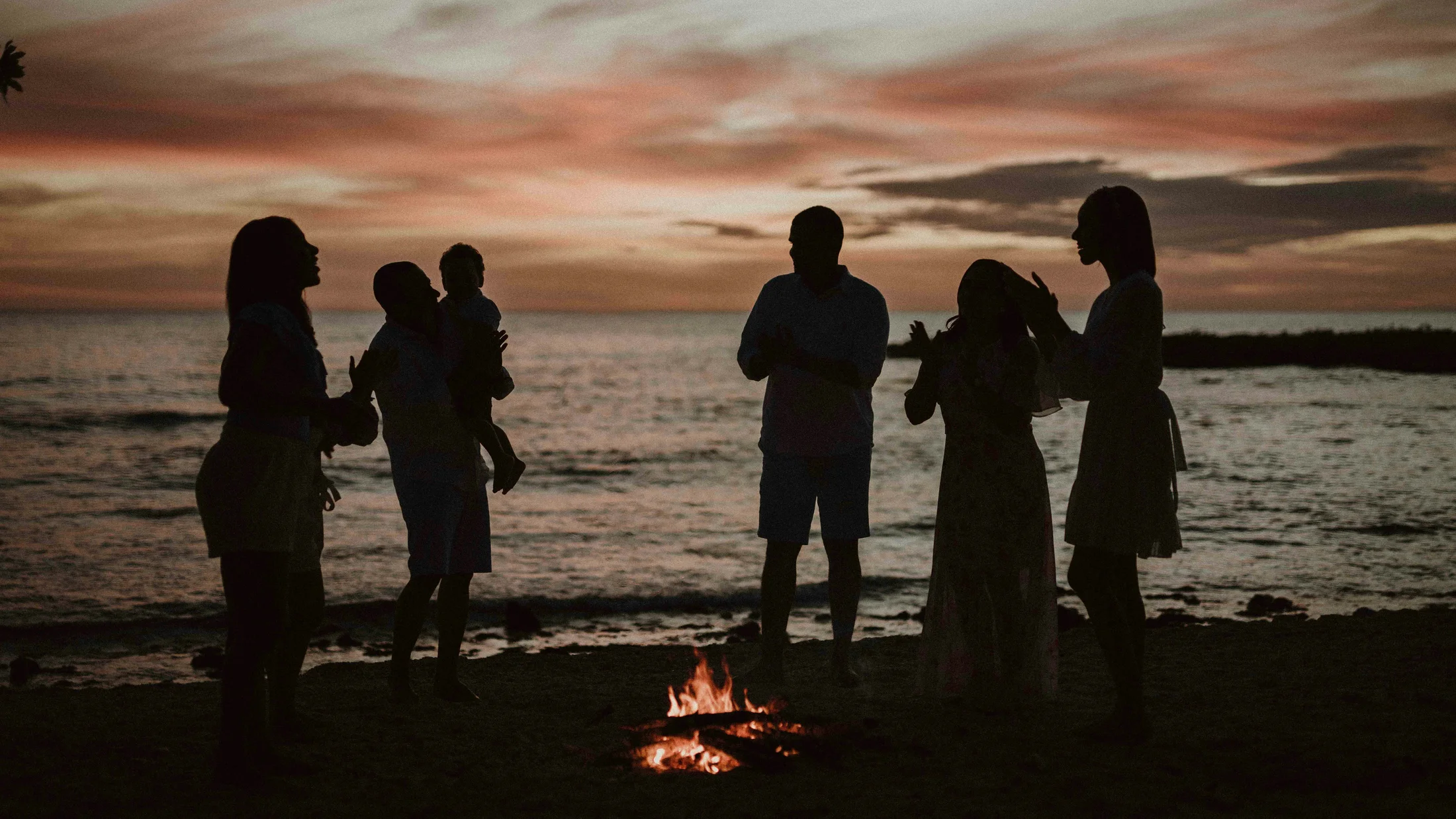
The Night of San Juan in Spain blends bonfires, seawater, and street music into a single midsummer ritual that feels timeless. If you have ever wondered where to celebrate San Juan Spain with both meaning and merriment, this is the night when beaches and towns become open-air stages for renewal. The hiss of embers meeting waves carries the scent of salt and smoke into the small hours.
You will join locals and visitors in a living tradition that stretches from Atlantic coves to Mediterranean promenades. Families gather early with picnics; friends drift in after sunset; drummers, brass bands, and DJs share the same shoreline. You will see customs shift across regions: Noite Meiga in Galicia leans into folklore and blessings, while Alicante bonfires rise as towering urban monuments. Expect a shared code of respect—watch the flames, leave no trace, and greet the dawn with wet feet.
This guide gives you enough context to appreciate history and enough logistics to enjoy the party safely. You will find eight representative beaches and towns, practical advice on getting around, and the latest on permits and safety. Sand still cool underfoot, the first sparks lift like fireflies above the tide.
Fire, water, and where this night comes from
San Juan festivals on June 23 trace back to the summer solstice, the year’s longest day and a turning point for agrarian communities. Christianity layered in the feast of Saint John the Baptist, whose connection to water made midnight dips part devotion, part purification. The fire symbolizes the sun’s strength and the burning of what no longer serves; the sea welcomes you to cleanse and start again. The crackle of pine pallets and driftwood folds into the hush between waves.
Across Spain, traditions take local shape. People jump small flames three, seven, or nine times—numbers associated with luck and cycles—always with care and only where allowed. Others write wishes on paper and feed them to the coals or send flower wreaths afloat. In the Night of San Juan Spain, the ritual is collective but personal: you choose your gesture and your moment, then you look up and see an entire coast doing the same.
You will notice language shift with the landscape. In Galicia, the Noite Meiga evokes meigas (wise women) and protective herbs like St. John’s wort and fennel placed on windows or steeped in water. In Alicante, the “cremà” brings a blaze of official bonfires—artworks burned in catharsis—after days of parades and daytime fireworks called mascletàs. Between them lie dozens of variations: quiet coves with family rings, grand esplanades with official stages, and villages where church bells mark midnight before the fire roars.
What you will take from this guide
Use this as a practical companion so you can stop scrolling and start planning. We focus on safety, access, and the human heartbeat of the celebration. The sand gives just enough under your steps as the first sparks rise.
- Eight standout beaches and towns across coasts, from the Bay of Biscay to the Canary Islands
- How to arrive (train, bus, metro, car), plus when to go and how to get back safely at night
- Where to stay: beachfront zones, quieter neighborhoods, rural stays, and camping near shore
- Local rituals and etiquette so you fit in and show respect
- Rules, permits, and how to check real-time restrictions by municipality
- Family-friendly tips, sea safety, and what to pack for a long night outdoors
- FAQs with clear, verifiable answers so you can choose with confidence
Expect concise checklists, quick-reference tips, and grounded advice, so your Night of San Juan feels effortless, meaningful, and safe.
Picuco te puede ayudar
Does something here catch your eye?
Tell us.
Write to us on WhatsApp or email: we answer questions, find the best options and help you sort out the booking.
Traditions That Light the Coast
San Juan’s roots reach into two intertwined strands: pre-Christian solstice fires that honored the sun and harvest cycles, and the Christian feast of Saint John on June 24, which emphasizes water, renewal, and community. Over centuries, these strands wove into rituals Spain still practices: burning the old (symbolic papers, small effigies, or officially-sanctioned structures), bathing at midnight for luck, and gathering herbs believed to protect homes and health. The moment feels old because it is; the glow on faces is the same glow our great-grandparents watched in late June.
Fire and water remain the essential symbols. Fire is heat and harvest, a boundary you cross by leaping over a low rim of flame when local rules permit; water is cleansing and courage, the sudden cold that wakes you after midnight. Herbs—such as St. John’s wort (Hypericum perforatum), rosemary, and fennel—enter as “herbas de San Xoán” in Galicia, where people leave them in water overnight and wash with the infusion at dawn. A single drumbeat can travel down a beach like a signpost in the dark.
Regional variations express Spain’s cultural mosaic. The Noite Meiga Galicia celebrates both superstition and solidarity, with “queimadas” (a ritual burning of orujo liquor with sugar and citrus) recited to ward off evil, while families build “cacharelas” (small bonfires) on authorized beaches like A Coruña’s Orzán under municipal coordination. In Alicante, the Hogueras de San Juan, recognized as the city’s major festivities, build monumental ninots (effigies) and themed structures that burn in the “cremà” on the night of June 24 after days of parades, “barracas” (neighborhood party enclosures), and explosive mascletàs at set hours. The air fills with a rhythmic pressure wave you feel in your chest as much as you hear.
Today’s celebrations mix ritual with modern festivity. Municipalities organize concerts, fireworks, and verbenas (open-air dances), while emergency services set safety corridors and overnight cleaning schedules. Some beaches allow only official bonfires; others mark out family rings; a few prohibit fires entirely during high wildfire risk. The evolution is pragmatic: tradition continues, adapted for crowded coasts and fragile dunes. As social media amplifies the spectacle, local volunteers, beach cleaners, and firefighters carry the quieter work that makes the morning possible—a reminder that celebration and stewardship belong together.
Dates, Times, and Rules You Need to Know
San Juan falls on the night of June 23 to 24, with a few cities—especially Alicante—extending events from around June 20 to 24 and burning monumental bonfires during the “cremà” late on the 24th. In most coastal towns, people gather from sunset on the 23rd; peak activity spans 22:30 to 02:00; the brave greet dawn in the water around 05:30–06:30. The salt-air cool of early morning carries a hush even in the city.
Plan around municipal rules, because permissions vary widely year to year based on safety and environmental risk. City councils (ayuntamientos/concello/ajuntament) publish specific ordinances and maps showing:
- Where bonfires are authorized (entire beach, marked rings, or central pyres only)
- What materials are allowed (no pallets with nails, no painted wood, no glass or aerosols)
- Timetables for lighting and extinguishing fires
- Fireworks bans or restrictions on private use
- Cleaning operations and beach re-opening hours on June 24
Sources to consult a week before you go include the Ayuntamiento de Alicante (for official Hogueras schedules and the cremà), Ajuntament de Barcelona (beach rules and safety lines), Concello da Coruña (Noite de San Xoán guidelines and Orzán beach plan), Ayuntamiento de Málaga (La Malagueta rules), Ajuntament de València (Malvarrosa/El Saler access and bonfire policy), Ayuntamiento de Cádiz (Playa de la Victoria), Ayuntamiento de Las Palmas de Gran Canaria (Las Canteras), and Concello de Sanxenxo (Praia de Silgar and surroundings). AEMET’s fire risk advisories and regional civil-protection bulletins may trigger last-minute changes. The fizz of a test siren can ripple down the shore before music resumes.
Expect police and civil-protection checkpoints near beach access after dark. They may:
- Deny entry with glass bottles or large fuel containers
- Inspect portable grills or forbid them entirely
- Redirect crowds to less-saturated access points
- Ask groups to downsize or relocate non-compliant fires
If staff ask you to move, cooperate—officers follow the municipal safety plan and can levy fines. Many cities add overnight metro or bus services on June 23; cleaning crews sweep beaches starting 04:00–06:00; beaches may close briefly until cleaning finishes. Keep your spot tidy and pack out everything so the reopening is swift.
Environmental responsibility is part of the rules and the ethic of the night. Use sand pits where allowed; keep at least 6–8 meters from dunes or vegetation; never burn plastics, treated wood, or furniture; and douse embers fully with seawater before leaving. If currents, wind, or crowds spike, skip the jump, join the songs, and take your wish to the shoreline—tradition bends toward safety.
Stay compliant, stay safe
Check your destination’s municipal website the week of June 23 for current maps, permitted zones, and hours. Restrictions can change the same day due to wind, heat, or crowding.
Eight Beaches and Towns to Experience the Bonfires
Below are eight representative places where San Juan comes alive, from monumental Alicante bonfires to the folklore-rich Noite Meiga Galicia. Choose by mood—family circle, big-city verbena, or island breeze—and time your arrival. A faint citrus scent from a nearby queimada can drift over sea spray.
1) Alicante: Monumental Bonfires and the City’s Big Week
Alicante’s Hogueras turn the Night of San Juan into a full city festival, culminating in the “cremà” on June 24 when official monuments burn across neighborhoods. Days feature parades, flower offerings, and daily mascletàs—daytime fireworks whose percussive soundscape is the event’s heartbeat. The glow bouncing off castle walls makes the city feel like a giant amphitheater.
What to expect:
- Huge crowds downtown and along Explanada de España, Rambla, and nearby plazas
- Dozens of official bonfires (“hogueras”) built as artistic monuments; many burn late on the 24th
- Barracas (neighborhood party enclosures) with music and local food
How to get there and move:
- Use
Cercanías C-1trains (Alicante–Elche–Murcia), TRAM lines, and extra night buses - Arrive 19:00–20:30 for good vantage points; some zones are barriered for safety
- Driving and central parking are impractical; park-and-ride on the TRAM is smarter
Best viewing:
- Perimeter zones around major monuments (follow safety lines)
- Post-cremà fireworks often visible from Postiguet beach and Castillo de Santa Bárbara slopes
Staying nearby:
- Book weeks in advance within the center; quieter stays lie in San Juan Playa or Albufereta with TRAM access
- Families may prefer accommodation away from main barracas streets for quieter nights
Rules and safety:
- Follow Ayuntamiento de Alicante signage and stewards
- No private bonfires on Postiguet beach unless permitted; glass is usually banned
- Ear protection is sensible for children during mascletàs
Keywords in context: The Alicante bonfires (“hogueras Alicante”) deliver one of Spain’s most choreographed San Juan experiences, with tradition, spectacle, and strict safety wrapped into a single citywide celebration.
2) Barcelona (barceloneta): Beach Bonfires and Late-night Verbenas
Barcelona’s Barceloneta beach hosts one of the city’s most accessible San Juan nights, with music, regulated bonfire spots, and a festive crowd that mixes locals and visitors. Street fireworks pop inland while the sea breeze brings relief from summer humidity. The thrum of a portable speaker fades beneath the whoosh of a bigger wave.
What to expect:
- Scattered, regulated bonfires when authorized; many years focus on music and fireworks over private fires
- Big, youthful crowd; families arrive earlier and pick space near lifeguard posts
- Verbenas across neighborhoods; beach bars (“xiringuitos”) extend hours
How to get there and move:
- Metro
L4(Barceloneta/Ciutadella–Vila Olímpica), night buses, and Bicing are better than cars - Arrive 20:00–21:00 to claim sand; move south toward Sant Sebastià for more room
- Riding in from Poblenou or Bogatell can be calmer; both connect to the sand via wide promenades
Food and facilities:
- Eat earlier in Barceloneta’s taverns or grab take-away; toilets are limited and lines grow after midnight
- Many locals picnic with simple, no-glass setups
Staying nearby:
- Central and Born/Barceloneta apartments fill fast; for quieter sleep, consider Poble-sec, Poblenou, or Gràcia with late-night metro service
Safety and rules:
- Ajuntament de Barcelona often bans glass and limits private fires; check the annual plan
- Police may close beach access when saturated; respect one-way foot flows
- Rip currents can strengthen near breakwaters—swim sober, in groups, and waist-deep
Keywords in context: Among beaches to celebrate San Juan, Barceloneta is easy to reach, festive, and best enjoyed with public transport and a leave-no-trace mindset during the Noche de San Juan.
3) A Coruña (orzán): Noite Meiga and Galician Rituals
In A Coruña, the Noite de San Xoán—also called Noite Meiga—fills Orzán and Riazor beaches with coordinated bonfires, traditional chants, and a respectful, community-first energy. Families arrive with small wood bundles; organizers lay out safety corridors; and the Atlantic breeze keeps embers moving low and fast. The sea smells colder here, and smoke ribbons lie flat along the shore.
What to expect:
- “Cacharelas” (small bonfires) set in marked areas by municipal plan
- Herbal traditions (herbas de San Xoán) and midnight seawater blessings
- Quiet moments of folklore alongside modern concerts
How to get there and move:
- Buses from the center run late; walking from María Pita square takes 15–25 minutes
- Arrive before sunset to see the preparation and find space in family-friendly zones
- Driving is discouraged; coastal parking is limited and closures are common
Best viewing:
- Central Orzán sands with city skyline behind; from the promenade, you see a wide, glowing arc
- Riazor gives more space for groups and a gentler slope into the water
Staying nearby:
- Central stays near María Pita or along the promenade offer easy access; for quieter nights, choose Monte Alto or neighborhoods a few blocks inland
Respecting tradition:
- Ask before joining a circle; locals may share rituals but value space
- Noite Meiga Galicia customs—like the queimada spell—are cultural, not tourist shows; watch, learn, and keep phones unobtrusive
Safety and rules:
- Concello da Coruña defines allowed materials; never bring pallets with nails or furniture
- Stay clear of lifeguard lanes; Atlantic chop can be cold and strong after midnight
Keywords in context: If you seek ritual and community, Noite Meiga Galicia at Orzán balances folklore with careful organization—an intimate take on the Noche de San Juan.
4) Málaga (la Malagueta): Fire, Music, and the Mediterranean
Málaga’s La Malagueta and neighboring beaches turn San Juan into a warm, music-forward night, with friends sharing sardines and DJs lifting the tempo near midnight. The salt sweetness of espetos (sardines grilled on skewers) mingles with woodsmoke drifting down the paseo. A guitar lick threads through the surf’s backbeat.
What to expect:
- Mix of families early and lively groups later; official stages often appear on major sands
- Food is central: espetos, local pastries, and cool drinks—avoid glass by rule and courtesy
- Bonfires vary by year and permit; many nights focus on organized pyres and concerts
How to get there and move:
- Buses from the historic center to La Malagueta; taxis and ride-hailing surge later
- Arrive 20:00–21:00 for picnic space and to watch sunset over the port cranes
- Consider Pedregalejo/El Palo for a more local, family-focused feel
Best viewing:
- La Malagueta for big ambience; Pedregalejo coves for smaller circles and easy swims
- Elevated lookouts along the Muelle Uno area frame fireworks against the Alcazaba
Staying nearby:
- Centro Histórico and Soho put you within a 20–30 minute seaside stroll; families may prefer east-side neighborhoods for quieter nights
Safety and rules:
- Ayuntamiento de Málaga sets bans on glass and unpermitted fires; patrols enforce safety corridors
- Currents strengthen near jetties; enter water on open sections with lifeguard coverage
Keywords in context: For beaches to celebrate San Juan with food, rhythm, and easy access, Málaga’s sands offer a generous welcome during the Noche de San Juan.
5) Valencia (malvarrosa and El Saler): Tradition on the City’s Sands
Valencia channels San Juan energy onto Malvarrosa and Patacona—wide urban beaches built for big gatherings—and into El Saler’s more protected coastal stretch south of the city. Flames dance low on the sand as families choose circles and youths gather by the shoreline speakers. A sudden burst of cheers rolls like a wave before the sea answers with foam.
What to expect:
- Malvarrosa/Patacona: large, youthful crowd; organized music; regulated fire zones when allowed
- El Saler: quieter, nature-forward area with stricter environmental protection
- Rituals: jumping small flames and midnight dips are common; always follow posted rules
How to get there and move:
- Tram and bus services (
L4,L6, and night lines) to Malvarrosa/Patacona - To El Saler, use buses toward Albufera; parking fills early, and access may be restricted to protect dunes
- Arrive 20:00–21:00 to pick a safe spot away from dunes and marked nesting zones
Best viewing:
- Malvarrosa’s wide arc gives long sightlines; Patacona offers slightly more room
- For a calmer vibe, south of the main Malvarrosa breakwater or early evening at El Saler’s boardwalks
Staying nearby:
- City center or Cabanyal for short tram rides; families can look at Alboraya/Patacona for quieter nights
Safety and rules:
- Ajuntament de València may ban private fires in dune-adjacent areas; glass and fireworks typically restricted
- Respect cordoned dune systems in El Saler to protect vegetation and wildlife
Keywords in context: With classic hogueras San Juan energy and public transport ease, Valencia balances citywide festivity with environmental care along Malvarrosa and El Saler.
6) Cádiz (playa de la Victoria): Bay Breezes and Big-sky Bonfires
At Cádiz’s Playa de la Victoria, San Juan unfurls along a long, open Atlantic beach with room to spread out and watch organized bonfires. The city’s marine light makes even midnight feel luminous. A gull’s cry cuts across the hum before a drumline sets the tempo again.
What to expect:
- Family groups early, larger circles later; city events sometimes include concerts and fireworks
- Bonfire permissions shift by year; many seasons focus on central pyres and supervised rings
- Strong local identity: Cádiz crowds bring songs and humor to the shoreline
How to get there and move:
- Buses from the historic center; walking or biking along the promenade is straightforward
- Parking near the beach fills early; consider lots inland and a 10–20 minute walk
- Arrive by 20:30 to choose space upwind of the main pyres
Best viewing:
- Mid-sections of Playa de la Victoria for open sky and official activity hubs
- From the Paseo Marítimo for a panorama without sandy feet
Staying nearby:
- The isthmus has beachfront hotels; for charm and quieter mornings, stay in the old town and bus to the beach
Safety and rules:
- Ayuntamiento de Cádiz enforces glass bans and may restrict private fires due to wind risk
- Atlantic swells and rip currents are real—wade waist-deep, sober, and with a buddy
Keywords in context: Cádiz offers breadth and breeze, making it a confident choice for where to celebrate San Juan Spain with space and Atlantic flavour.
7) Las Palmas de Gran Canaria (las Canteras): Island Warmth by the Reef
Las Canteras beach hosts an island-flavored San Juan with mild evening temperatures, a protective reef (La Barra) that calms swells at low tide, and a convivial city crowd. The trade winds carry an ocean-clean scent as sparks skim low over the beach. Laughter lifts and settles with the tide.
What to expect:
- Organized concerts and official fireworks many years; private fires often restricted to protect the beach
- A local, multi-generational crowd; families linger later thanks to mild night air
- Good accessibility along the full-length promenade
How to get there and move:
- City buses run late; taxis are abundant but surge at peak times
- Arrive before 21:00 for promenade seating and sand space; choose sections nearer to Playa Chica for calmer water
- Driving is possible but parking garages fill—leave time to circle or park inland
Best viewing:
- Promenade benches for comfort; central stretch for fireworks reflections over the calm water
- La Cícer area has a sportier vibe and more surf energy
Staying nearby:
- Plenty of lodging options within a 5–15 minute walk; book early for sea-view rooms
Safety and rules:
- Ayuntamiento de Las Palmas often prioritizes concerts and fireworks over private bonfires
- Respect the reef and posted swim flags; the tide can cover or expose rocky patches quickly
Keywords in context: Among beaches to celebrate San Juan, Las Canteras combines easy logistics, island climate, and community spirit on the Noche de San Juan.
8) Sanxenxo (rías Baixas): Family Circles and Summer Vibes
Sanxenxo’s Praia de Silgar and nearby coves in the Rías Baixas offer a distinctly family-friendly San Juan with music, small bonfires where permitted, and a resort-town rhythm. The breeze carries a hint of pine from inland hills with the saline bite of the estuary. Children chase foam at the edge of the glow.
What to expect:
- Early-evening family circles; local verbenas in squares; later groups migrate to bars and beach edges
- Traditions draw from Noite de San Xoán: herbal waters at dawn, small ritual jumps
- Private fires depend on municipal permits; many years emphasize organized events and safety corridors
How to get there and move:
- Buses from Pontevedra and O Grove; summer traffic can slow entry after 19:00
- Arrive by 20:00 to settle on Silgar or explore Montalvo/Mareas for more space
- Parking tight near the waterfront; use signed lots on the edges and walk in
Best viewing:
- Silgar’s central curve for music and a social scene
- Montalvo/Pragueira for wider sands and family distance from bars
Staying nearby:
- Resort hotels and apartments cluster around Silgar; rural casas within 10–20 minutes give quieter nights
- Book early for the June peak; consider nearby Portonovo as a value option
Safety and rules:
- Concello de Sanxenxo sets annual guidance on fires and glass; lifeguards and civil protection patrol the main sands
- Atlantic inlets can feel colder than they look; bring warm layers for kids after midnight
Keywords in context: For a gentler San Juan with Galician flavor, Sanxenxo’s beaches deliver music, family circles, and the Rías’ soft light.
Getting There and Staying Near the Bonfires
Choose transport that keeps you relaxed at 02:00—when the party’s high—but also at 06:00, when you’re sandy, tired, and heading “home.” The faint rustle of a foil blanket sounds like surf in miniature.
Public transport (train, bus, metro)
For big-city beaches and urban festivities, public transport is king. Many municipalities add late-night or 24-hour services on June 23:
- Trains:
Cercaníaslines in Alicante, Málaga, Valencia, and Cádiz often run late, with denser service before midnight; check schedules on RENFE and regional operators. - Metros/trams: Barcelona
L4to the beach, Valencia tram lines to Malvarrosa/Patacona, Alicante TRAM to San Juan/Albufereta, and Las Palmas buses to Las Canteras. - Buses: Night routes redirect crowds to central hubs; apps from each city (TMB, EMT València, EMT Málaga, Guaguas Municipales Las Palmas) show real-time buses.
Tips:
- Load travel cards in advance and screenshot timetables; networks get congested.
- For the return, set a “latest safe departure” alarm—missing the last frequency means long waits.
- Stand near staffed stations after midnight for safety in numbers and clearer information.
Why it beats driving:
- You skip jammed exits and parking hunts.
- You can enjoy the night without worrying about alcohol limits or fatigue.
Sensory note: Train brakes hiss like distant surf when you step onto the platform at dawn.
Driving and parking (pros and cons)
Driving gives flexibility, especially for families or rural coves, but San Juan traffic can be intense.
- Pros: Control over schedule, shelter for gear, easy base for kids to nap.
- Cons: Road closures, scarce beach parking, long post-event queues, and DUI risks.
Strategies:
- Park 1–2 km away in residential or park-and-ride zones; finish on foot or tram.
- Arrive early (before 19:30) and leave either pre-peak (00:30) or post-cleaning (after 05:30).
- Share rides to split parking and reduce congestion; designate a sober driver.
Avoid fines:
- Respect temporary no-parking signs and bus lanes.
- Never block emergency access lanes; tow trucks are active on San Juan night.
Sensory note: When engines idle in a slow exit queue, windows-down air returns the sea’s cool to the car.
Where to sleep: hotels, rural stays, and camping near the beach
Pick lodging for your profile and your morning-after plan.
- Beachfront hotels/apartments:
- Best for groups who want to drop gear, dip, and crash.
- Book at least 3–6 weeks ahead; expect minimum stays around the holiday.
- Ask about late check-out; cleaning noise can start early on June 24.
- City-center stays:
- Great for transit access and food options.
- Quieter if a few blocks from concert zones; confirm soundproofing if possible.
- Rural houses/camping near coast:
- Ideal for families seeking calm after the party.
- Check campground rules: some restrict open flames year-round and enforce quiet hours.
Booking tips:
- Free-cancellation rates offer flexibility if municipal rules change due to fire risk.
- Prioritize location over amenities for this night—it’s about safe walks and easy returns.
- If you plan dawn swims, keep towels and warm layers by the door.
Sensory note: A morning breeze through a rural window smells of thyme and distant salt.
Practical Tips and Safety Essentials
Treat San Juan like an overnight hike with music: pack light, plan exit routes, and watch your group. The warmth of the fire on your shins contrasts with cool mist off the sea.
What to bring:
- Warm layers for 02:00–05:00, plus a windbreaker
- Closed-toe sandals or trainers for hot sand and stray embers
- Headlamp or small torch and a power bank
- Water, simple food, and a thermos for tea/coffee
- Basic first aid: plasters, saline, burn gel, analgesics
- Rubbish bags and a small trowel if pits are allowed
- Microfiber towel and spare socks for the post-dip chill
Around bonfires:
- Keep 3–5 meters from flames; more if wind rises
- Never use accelerants; only dry, untreated wood where permitted
- Tie back hair and avoid loose synthetics that can melt
- Assign a “fire watcher” in your group and keep water/sand ready
Sea safety:
- Enter sober, in groups, and waist-deep; avoid jetties and rip channels
- Watch children constantly; the dark hides holes and sudden drop-offs
- If caught in a rip, stay calm, float, and swim parallel to shore
Group travel:
- Create a meet-up point and check-in times
- Share a live location with one person who stays dry
- Agree on an exit plan based on transit schedules and kids’ stamina
Civic and environmental care:
- Use reusable cups; glass is often banned and dangerous
- Keep off dunes and fragile vegetation; coastal ecosystems recover slowly
- Extinguish fires fully with seawater; stir, douse, and repeat until cool to touch
- Leave your spot clean; morning beach crews and local neighbors will thank you
Emergencies:
- In Spain, call
112for medical or fire response; describe your beach and nearest access point - Follow instructions from Protección Civil, lifeguards, and police; they manage crowd safety and wildfire risk
Sensory note: The quiet “tsssss” of seawater on embers is the sound of a safe, respectful goodbye to the night.
Frequently Asked Questions
When exactly is the Night of San Juan, and what time do the bonfires start?
San Juan is celebrated the night of June 23 into the dawn of June 24, with local schedules varying by municipality. Most people arrive around sunset; peak activity runs 22:30–02:00; and many take a sea dip closer to dawn. In some cities—especially Alicante’s official Hogueras—the main “cremà” happens late on June 24 after several festival days. A faint chill in the pre-dawn air sharpens your senses before the first metro rattles awake.
Advice:
- Arrive 20:00–21:00 to find space and set up safely.
- Check city schedules (ayuntamiento websites) for concerts, fireworks, and any restrictions.
- For the broadest experience of the Night of San Juan Spain, choose a spot where you can see both organized events and shoreline rituals.
Do I need a permit to light bonfires on the beach?
Rules vary by city and can change with wind and fire risk. Some municipalities allow only official pyres; others mark family rings; many ban private fires entirely to protect dunes and reduce accidents. Check your destination’s municipal website or social channels during the week of June 23; look for a “San Juan 23/24” plan or beach ordinance. The dry tang of wind can turn a small flame dangerous fast.
Practical steps:
- If private fires are forbidden, join official events instead.
- Use only clean, untreated wood where allowed; never burn pallets with nails, furniture, or plastics.
- Respect extinguishing times and safety corridors—fines apply for noncompliance, and police can remove prohibited materials.
What should I bring for San Juan on the beach?
Think “night outdoors” plus “sea.” Temperatures drop after midnight even in summer, and wet swimsuits chill quickly. The cool grit of damp sand clings to your ankles when you pack up.
Essentials:
- Warm layers, windbreaker, and dry clothes
- Closed-toe sandals/trainers for embers and glass-free walking
- Headlamp/torch, power bank, and ID in a waterproof pouch
- Water, snacks, thermos; avoid glass by rule and safety
- Sunscreen and hat if arriving early; the 23rd can be hot
- Small first-aid kit (plasters, burn gel, saline), and rubbish bags
- A bucket or collapsible container to douse embers where permitted
Avoid:
- Glass bottles, aerosols, pressurized cans, and treated wood
- Large speakers in family zones; keep volumes considerate
Is it safe to go with children or pets?
Yes, if you choose location and timing wisely and follow basic precautions. For kids, arrive early, pick a calm section, and keep 5–8 meters from flames; for pets, consider noise, heat, and crowd density. The sudden pop of fireworks can startle even the calmest dog.
Family tips:
- Aim for 20:00–00:30; head out before the 02:00 peak.
- Carry children’s ear protection; the mix of music and fireworks can be loud.
- Watch for hot sand, embers, and sharp shells; bring closed-toe shoes and extra water.
- Pets: Many beaches restrict dogs in summer; check rules. If allowed, keep leashed, bring water, and plan for a quiet exit if noise escalates.
Alternatives:
- Choose family-oriented zones (e.g., wider sands away from stages) or organized municipal events with barriers.
- Morning rituals on June 24—like herbal water washings—can offer a gentler experience for small children.
How do I respect the environment and avoid fines during San Juan?
Follow posted rules and leave your spot cleaner than you found it. Never build fires in dunes or protected zones; avoid banned materials; and douse embers fully. The scent of clean sea air after dawn depends on everyone’s choices.
Actionable steps:
- Check municipal maps for allowed areas and materials.
- Keep off dune systems and signed wildlife areas; in Valencia’s El Saler and similar, dunes are strictly protected.
- Carry out all trash; use reusable cups; avoid glass entirely.
- Follow emergency personnel and lifeguard direction; fines can apply for ignoring closures or lighting prohibited fires.
- Track updates via city communication channels and regional civil-protection alerts the afternoon of June 23.
Book your experience — discover outdoor and cultural activities in Spain with Picuco-verified providers.
Conclusion: Choose Your Shore and Light the Night
San Juan is both simple and profound: gather at the water’s edge, meet warmth with courage, and greet the solstice together. Pick your setting—Alicante’s pageantry, Barcelona’s beach pulse, A Coruña’s Noite Meiga, Málaga’s music, Valencia’s wide sands, Cádiz’s Atlantic reach, Las Canteras’ island calm, or Sanxenxo’s family focus—and match it to your pace. The breeze that lifts the first sparks toward the stars is the same one that cools you after a dawn dip.
Before you go, confirm local rules, plan transport there and back, and pack for a long night outdoors. Book lodging early near transit or in a quiet pocket you can reach on foot at 03:00. Set a simple ritual: a wish on paper, a safe small jump, or a waist-deep pledge in the sea. Then let the night carry you.
When you are ready, choose your destination and reserve your stay; the best spots go early for June 23. May your Night of San Juan be kind, safe, and bright—and may you leave the beach as clean as you found it, for the morning walkers who will follow your footprints.