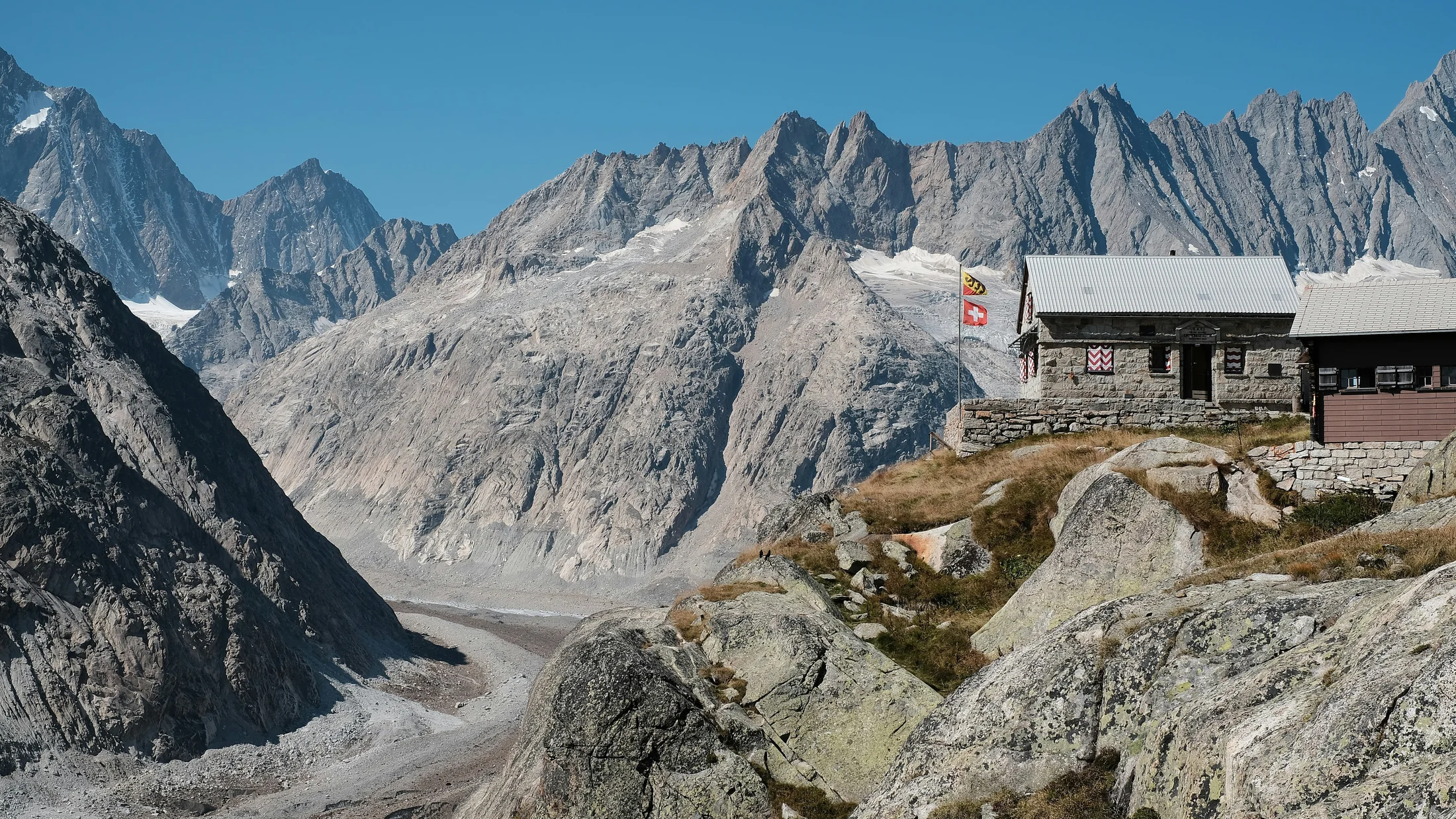
Why Mountain Huts Make Summer Trips Easy And Unforgettable
Sleeping in mountain huts Spain turns a simple hike into an overnight adventure that feels both safe and wild. You stay close to trailheads and sunrise viewpoints without paying resort prices or carrying a full camping kit. Compared with village lodging, huts cut long approach times; compared with camping, they add hot meals, shelter from storms, and friendly wardens who know the terrain. Families, couples, and new hikers love summer because snow retreats, trails open, and reservations are straightforward.
You do not need to be a climber to enjoy this, and that’s the point of this guide. Hiker-friendly refuges offer bunks, hearty dinners, and marked paths that begin where the forest ends and the meadows start. At dusk, the murmur of maps and mugs replaces street noise, and you fall asleep to the low hush of wind on stone. If you’ve wondered about sleep in mountain huts summer without roped ascents, these refuges for non-alpinists are your entry.
We’ll show you what a refuge is, how they work, and where to find them across national parks and regional reserves. You’ll learn opening months, approach times, prices, booking systems, and the small rules that keep shared spaces pleasant. We’ve selected accessible mountain huts in Spain and Andorra with clear trails, realistic hiking times, and family-ready comforts. By the end, you’ll know how to book mountain refuge summer stays, what to pack, and which micro-adventures fit your pace. In the blue hour before dawn, coffee and pine share the same clean air. To start planning, pick one refuge, confirm dates, and map an approach you’d happily repeat.
The feel of a refuge in summer
Think of a refuge as a simple mountain inn with shared rooms, set where the asphalt ends and the alpine world begins. Evenings feel communal: boots in the drying room, soup steaming in big pots, and route chats with wardens who’ve crossed the pass a hundred times. For families and new hikers, dormir en refugio verano (sleeping in a refuge in summer) means weather cover, clear signage, and dinners that arrive without turning on a stove. If you’ve looked for refugios para no alpinistas, this is the atmosphere you’re after: friendly, practical, close to trails and far from crowds by late afternoon. As night settles, stars appear like fresh chalk marks on a dark slate. Bring curiosity and earplugs, and you’ll fit right in.
What you’ll get from this article
- What “mountain hut” means in Spain and Andorra, plus key types (guarded, free, semi-guarded)
- How to choose by location, season, access (trail, cable car, forest track), and family needs
- Opening months, typical approach times, and how to read signs and follow a
GPXtrack - What’s inside: bunks, blankets, meals, water, electricity, and quiet hours
- How to book mountain refuge summer stays: when to reserve, platforms, and what to ask
- Price ranges, house rules, and how to be a good guest
- Eight recommended, accessible refuges in Spain and Andorra with clear directions
- Micro-activities from each hut and safety basics without needing a guide
- FAQs to answer the last doubts before you click “reserve” A single lantern glow on a wooden table can feel like home at 2,000 meters. Keep this guide handy as you compare options and jot down dates that match your holidays.
Picuco te puede ayudar
Does something here catch your eye?
Tell us.
Write to us on WhatsApp or email: we answer questions, find the best options and help you sort out the booking.
What Mountain Huts Are And The Types You’ll Find
Mountain huts evolved as safe anchors for travel through high country, first for shepherds and surveyors, then for mountaineers and hikers. In Spain and Andorra, many sit on long-distance trails like the GR-11 (white-red blazes), inside protected areas where building new lodging is restricted. Their purpose is simple: offer shelter, meals, and information close to the terrain, reducing risk and the weight you carry. Today, you’ll find a spectrum from full-service lodges to minimalist bothies, each with different expectations for non-alpinists.
-
Guarded or staffed huts (refugio guardado):
- A warden team lives on site in summer and many weekends shoulder season.
- Expect check-in, assigned bunks, fixed dinner and breakfast times, and picnic-lunch options.
- You typically get mattresses, blankets, and pillows; you bring a light sleeping sheet (liner).
- They track reservations, weather updates, and route conditions; this makes them ideal for first-timers.
-
Semi-guarded or mixed-service huts:
- Staff cover peak dates; at other times, a winter room stays open without services.
- You may find bunks and a table; bring stove, food, and extra layers if visiting off-peak.
- Confirm status before you go; doors may be locked unless specifically listed as open.
-
Free huts or bothies (refugio libre):
- No staff, no bookings, first-come basis, variable cleanliness.
- Some have bunks and a table; many don’t have mattresses or blankets.
- These require full self-sufficiency and strong Leave No Trace discipline.
- They’re rewarding but not the best choice for a first hut night with kids.
-
Federation-managed vs. private:
- Many guarded huts are run by regional alpine clubs/federations, keeping prices consistent and rules standard.
- Some are privately managed but follow similar norms; they may add amenities like card payment or showers.
- In both cases, the culture is shared: quiet hours, communal spaces, and trail-first information.
What this means for non-alpinists:
- Services: Look for guarded huts in summer; they provide meals, tap water (potability varies), blankets, and simple power for charging.
- Schedules: Dinner is usually at 19:00–20:00, breakfast 06:30–08:00, and quiet hours around 22:00.
- Safety: Wardens know storms, snow patches, and route closures; check in on arrival and ask about your plan.
- Approach effort: Most guarded huts we recommend involve 1.5–4 hours of hiking on marked paths with 400–900 m of elevation gain; some add a cable-car shortcut.
Where huts differ from hostels is context: you rise next to ridges, cross ibon (alpine lake) basins before crowds, and end the day where marmots whistle. As the afternoon cools, resin and wet granite scent the air like a subtle tea. Choose the hut type that matches your skills, and the mountain will do the rest.
Where They Are, When To Go, And How To Reach Them
The first decision is map-based: find huts inside national and natural parks, where signage and trail maintenance are strongest. Spain’s major clusters sit in the Pyrenees (Aragon, Catalonia, Navarra), Picos de Europa (Cantabria/Asturias/Castilla y León), and Sierra Nevada (Andalusia). Andorra concentrates guarded huts around the Comapedrosa and Sorteny areas. Locate huts against contour lines, water sources, and known GR corridors; this shows likely approach times and whether a cable car or forest road helps.
Best season:
- Summer openings typically run from mid/late June to late September; some extend into October if weather holds.
- Snowfields can linger above 2,400 m into July; confirm conditions, especially with kids or if you’re new to scree.
- Afternoon storms are common in July–August; plan to arrive by mid-afternoon and start early.
Access types:
- Day-hike approaches: The most common—well-marked
GRorPRfootpaths from valley parking, 2–4 hours. - Cable car plus hike: In Picos and Catalonia, a teleférico or authorized 4x4 taxi can remove 600–900 m of ascent.
- Forest track approach: Some trailheads sit at higher trailheads accessible by car (check restrictions, closures, and parking quotas).
Permits and quotas:
- Some parks limit private car access in peak season (e.g., Ordesa’s Pradera, Sant Maurici in Aigüestortes).
- Solutions include shuttle buses, set parking windows, or mandatory taxi/4x4 services to the last public point.
- Always check if bivouac/tent rules change with altitude; many parks allow high bivouac above certain elevations but prohibit camping near huts.
Typical approach times (examples for planning only; confirm locally):
- Family-friendly valley to hut: 6–9 km, +400–700 m, 2–3.5 hours at a relaxed pace.
- Cable car shortcut day: 5–8 km, +250–600 m, 2–3 hours with frequent photo stops.
- Long but non-technical: 10–13 km, +800–1,000 m, 4–5 hours for fit hikers used to mountain paths.
Reading signs and following a GPX track:
- Trail marks:
GRlong routes use white-red paint flashes on rocks and trees.PRlocal routes use white-yellow; vertical posts mark junctions.- Crosses (two strokes) indicate wrong way; a turn mark (L-shape) indicates direction change.
GPXbasics:- Load the file on two devices (phone + watch or spare phone), and carry a paper map as backup.
- Follow turns at junctions rather than staring at the line; use the track to confirm you’re on the right valley.
- Save an offline topo map; mountain signal is uncertain.
- Weather and timing:
- Start early to avoid heat and storms; aim to arrive by 15:00–16:00.
- If thunderclouds build, descend from ridges and avoid isolated high points.
For families, pick huts with cable car or high trailheads and target 300–500 m of ascent. For couples and small groups, add an extra lake or viewpoint loop if skies are stable. A cool stream over your wrists can be the best checkpoint of the day. Map it, time it, and let trail markers do the heavy lifting.
What To Expect Inside: Comforts, Bookings, Prices, And House Rules
A guarded hut is simple but efficient, and that’s its superpower for non-alpinists. You sleep in bunk rooms (dorms) with mattresses and blankets; some offer smaller rooms for a surcharge. You bring a sheet liner (sometimes called a “sleeping bag liner”) for hygiene; a light down bag is optional unless the hut specifies. Common spaces include a dining room, a porch or bench area, and racks for wet gear.
-
Comforts:
- Bedding: Mattress, pillow, blankets; bring a liner. Some huts rent disposable liners.
- Water: Available on site; potability varies—ask if you need to treat or buy bottled.
- Meals: Fixed menu dinner (often soup, main, dessert), early breakfast, and paid picnic lunch.
- Power: Limited sockets; charge early, bring a small power bank.
- Showers: Some huts offer hot showers for a small fee; others have cold or none—confirm in advance.
- Payments: Many accept card; some are cash-only when signal fails—carry backup cash.
-
Booking how-tos:
- Reserve early for July–August weekends (2–6 weeks ahead for popular huts).
- Channels include hut websites, federation portals, or direct phone/email; some require a small deposit.
- When booking, be ready with: dates, number of people, half board vs. bed only, dietary needs, and ETA.
- For last-minute plans, call the hut midday (when breakfast rush is over) to ask about cancellations and exact approach conditions.
-
Prices (typical ranges; confirm on the hut’s official channel):
- Bed only: 12–25 € adult, 8–15 € child.
- Half board (dinner + bed + breakfast): 45–65 € adult, 30–45 € child.
- Picnic lunch: 8–14 €.
- Showers (if any): 1–3 €.
-
House rules you should expect:
- Quiet hours from around 22:00; use headlamps on red mode.
- Boots off in the foyer; hut crocs/slippers are common—bring light socks.
- Keep bunks tidy; fold blankets on departure; pack out personal trash if bins are limited.
- Pets are generally not allowed inside dorms; some huts allow dogs in designated spaces—ask first.
- Tent pitching near guarded huts is often restricted; follow park rules and hut guidance.
Booking tips in peak season:
- Flex by a day either side and ask for waitlists.
- If bed-only is full, ask about overflow spaces or partner huts within a 60–90 minute walk.
- Note dinner time; if you’ll arrive late, call by midday to request a cold plate.
Questions to ask when reserving:
- Potable water status and payment methods on the date you plan.
- Exact dinner/breakfast hours and any dietary accommodations.
- Trail conditions (snow patches, bridge repairs), recommended route, and safe turn-back points.
- Whether the hut can store a small bag for a morning side trip.
A spoon hitting enamel and the smell of caldo is a fine welcome after a steady climb. Respect the rhythms of the house, and the house will take care of you.
Recommended Refuges In Spain And Andorra For Non‑alpinists
Below are hiker-friendly refuges in Spain and Andorra—refugios en España y Andorra—chosen for clear paths, summer staffing, and rewarding scenery without technical sections. These are accessible mountain huts for hiking-focused trips (refugios accesibles senderismo), not winter ascents. Each entry includes approach times, reasons they suit non-alpinists, booking notes, and easy add-on walks. The late-afternoon light often gilds meadows and rock like a thin sheet of brass; arrive early enough to enjoy it.
Refugio de Góriz: gateway to Ordesa’s waterfalls
Start from the Pradera de Ordesa car park (summer access may be via shuttle bus from Torla; confirm locally). Follow the classic valley route past the Gradas de Soaso to Cola de Caballo, then climb to Góriz on the well-trodden GR-11. Expect 4–5 hours for 14–16 km with roughly +900 m, on good trail that many families manage with breaks.
Why it suits non-alpinists:
- Superb marking, gradual valley approach, and summer wardens with daily condition updates.
- Full-service hut: dinners, breakfasts, blankets; bring your liner.
- Side trips include the Circo de Góriz and viewpoints over the Ordesa canyon without exposure.
Booking and season:
- Open in summer with additional shoulder-season dates; July–August fill fast—reserve 3–6 weeks out.
- Ask about snow on the final ramp in early summer and about shuttle logistics for Pradera access.
Nearby activities:
- Waterfall photography, marmot watching, and short evening strolls above the hut for wide views.
- For ambitious day-hikers, continue toward the high karst plains on signed trails, turning back with plenty of daylight. Warm rock holds the day’s heat as silhouettes edge along the canyon rim. If new to huts, this is a textbook first pick among refugios de montaña.
Refugio de Estós: easy base for the Benasque valleys
Park at the Valle de Estós entrance near Benasque (Puente de San Jaime) and head up the wide track to join the valley path. The approach takes 2.5–3.5 hours with +550–650 m over 8–10 km, mostly on good trail alongside the river with shady sections.
Why it suits non-alpinists:
- Gentle grade and clear signs on valley-bottom paths; great for first-time hut-goers and families with older kids.
- Guarded refuge with hearty meals, blankets, and picnic options; bring a sheet liner.
- Numerous non-technical lake walks branch out, so you can scale effort to the weather.
Booking and season:
- Summer-guarded; weekends in peak season sell out early—book 2–4 weeks ahead.
- Mention any dietary needs; the kitchen usually accommodates if warned in advance.
Nearby activities:
- Half-day loops to easy ibones and meadows; wildlife spotting at dawn and dusk.
- Add a photo stroll up-valley in the evening for alpenglow on surrounding peaks. The river’s chatter overlaps with cowbells like a gentle metronome. For refugios para no alpinistas, Estós feels welcoming and straightforward.
Refugio de Respomuso: big lake, bigger views in the Tena valley
Begin at Embalse de La Sarra above Sallent de Gállego and follow signs toward the reservoir of Respomuso on the GR-11. The classic approach takes 3.5–4.5 hours over 12–13 km with about +850 m, steady and scenic, with the last stretch opening to wide water and granite.
Why it suits non-alpinists:
- Long but non-technical stage on excellent paths; fit hikers will enjoy the steady rhythm.
- Full-service hut above the lake—ideal to split an otherwise big day into two.
- Options for short evening circuits around the ibon shore without committing to passes.
Booking and season:
- Summer-guarded with shoulder-season openings; reservar refugio verano early in July–August.
- Ask about snow in early season on shaded corners and water potability at the hut.
Nearby activities:
- Lakeside photography, simple loops to nearby tarns, and sunrise reflections when winds are calm.
- Birdlife is active at dawn; bring binoculars for circling raptors on thermals. A silver ripple runs across the reservoir whenever the breeze threads the valley. Arrive with time to soak your feet at the shore.
Refugio Poqueira: Sierra Nevada classic for hikers
From Capileira, many hikers drive or taxi to Hoya del Portillo trailhead to shorten the climb. From Hoya del Portillo, expect 2.5–3.5 hours with roughly +400 m on broad tracks and paths; from Capileira on foot, plan 5–6 hours and +1,100 m. The refuge sits around 2,500 m, on the standard line for non-technical approaches to Mulhacén’s flanks.
Why it suits non-alpinists:
- Clear, well-used trails with no hands-on sections in summer conditions.
- Guarded hut with meals, blankets, and weather briefings; bring a liner and sun protection.
- Many low-commitment out-and-backs across gentle high plateaus if you’re not chasing summits.
Booking and season:
- Summer is popular; secure half-board 2–4 weeks ahead, especially for weekends.
- Prices are typical for guarded huts; confirm whether showers are available in dry spells.
Nearby activities:
- Sunset rambles across broom-scented slopes and star watching in dark skies.
- Easy acclimatization walks help families and newcomers enjoy the altitude. Dry air carries a faint herbal note from the high scrub as the evening cools. Take layers—even in August, nights bite at 2,500 m.
Cabaña Verónica: compact shelter above Fuente Dé for sure‑footed hikers
Ride the Fuente Dé cable car to El Cable station to save most of the ascent, then follow cairned trails toward the high basin near Horcados Rojos. Expect 2–3 hours and about +300–450 m on rocky paths with scree and some mild exposure; this is not a place for very young children or those uneasy on uneven rock.
Important context:
- Cabaña Verónica is a tiny metal shelter with very limited space and basic facilities. Historically staffed in summer at times, it often functions as a minimal refuge—confirm current status before planning to sleep.
- It suits experienced walkers comfortable with rocky terrain rather than absolute beginners, though no technical climbing is required in stable summer conditions.
Booking and season:
- If the shelter is unstaffed, you cannot reserve; space is first-come and extremely limited.
- As a day destination, it pairs well with the cable car schedule; always check last descent time.
Nearby activities:
- Viewpoints over the central Picos; careful exploration on marked paths toward Collado de la Canalona or Horcados Rojos, turning back well before fatigue.
- If you want more comfort, use nearby guarded huts in the massif for overnight and visit Cabaña Verónica as a day trip from the cable car. The sound up here is stone talking to stone under boots, crisp and close. Treat this as a high-alpine taste with conservative goals.
Refugi de Comapedrosa (andorra): well‑marked paths to a scenic base
From Arinsal, follow signed routes through forest and open meadows to the guarded Comapedrosa hut. Plan for 2.5–3.5 hours and +900 m on well-marked Andorran paths; the ascent is steady, with sections of switchbacks and frequent markers. In summer, the refuge is staffed and part of Andorra’s excellent hut network.
Why it suits non-alpinists:
- Clear waymarking, reliable summer staffing, and straightforward trail gradients.
- Hearty meals, blankets, and practical wardens who advise on weather and family timings.
- Lakes and panoramic viewpoints sit within short extensions from the hut, letting you tailor effort.
Booking and season:
- Open broadly in summer; reserve weekends 2–4 weeks ahead, especially during August holidays.
- Check local regulations on camping and park rules; Andorra enforces them carefully.
Nearby activities:
- Calm morning walks to nearby ibones for reflections and bird watching.
- If you’re acclimatizing, add a modest height gain after breakfast and return for an early lunch. Pine resin warms and sweetens the air as you climb, then a cool stream crosses the trail like a silver ribbon. Time breaks near water to keep the day pleasant.
Refugio de Linza: family‑friendly in the Navarrese Pyrenees
Reach Linza by paved mountain road from Ansó; parking sits next to the refuge, making it one of the easiest access points on this list. This guarded hut is beloved by families, hikers, and snowshoers in winter; in summer it’s a gentle base for meadow and beech forest explorations.
Why it suits non-alpinists:
- Drive-to access removes big elevation gains; you can plan short or long loops from the door.
- Full meals, blankets, and open common spaces make evenings relaxed; bring your liner.
- Trails are well marked, with mellow gradients available for all ages.
Booking and season:
- Open in summer with shoulder-season dates; weekends fill with families—book at least 1–3 weeks out in peak months.
- Ask about local rules for dogs and nearby picnic areas.
Nearby activities:
- Strolls into the Gamueta beech woods, flower meadows beneath limestone walls, and gentle ridges with wide views.
- Short, kid-friendly loops mean you can be back for hot chocolate before the afternoon storm. Beech leaves sift sunlight into a green hush that feels like a soft-spoken room. Linza is a warm welcome to hut life.
Refugi d’amitges: Aigüestortes access with calm lakes and towers
From Espot, summer access to Sant Maurici often uses authorized 4x4 taxis; from the lake, follow signed paths to Amitges. Expect 1.5–2.5 hours with +500–650 m on good, sometimes stony trail, passing waterfalls and granite spires. The guarded refuge sits amid lakes and dramatic pinnacles, ideal for photographers and families with hiking experience.
Why it suits non-alpinists:
- Clear signage in a national park setting and a taxi shortcut that removes road walking.
- Summer staffing, hot meals, blankets, and sunrise-sunset scenery without technical terrain.
- Excellent short circuits link nearby lakes for low-commitment exploration.
Booking and season:
- Peak summer is busy; reserve 3–6 weeks ahead and plan taxi logistics from Espot.
- Ask about shuttle windows, potable water info, and whether showers operate in dry periods.
Nearby activities:
- Bird watching and lake reflections in calm morning air; easy circuits to Estany d’Amitges and beyond.
- Family-friendly micro-hikes return to the hut for midday rest before an evening stroll. A waterfall’s mist cools the path for a few steps like a passing cloud. This is one of the finest refuges accessible to hikers in Catalonia.
What To Do From The Hut: Walks, Wildlife, And Simple Joys
A hut stay shines when you tailor activities to your time, weather, and energy. From most guarded refuges in this list, you can build micro-plans that stay within clear paths and daylight, adding just enough challenge to feel earned without needing ropes or guides.
Half-day ideas (3–4 hours total):
- Sunrise-and-return: Leave 45–60 minutes before sunrise for a signed viewpoint; carry extra layers and a headlamp; be back for breakfast.
- Lake loop: Circle a nearby ibon on a
GR/PRpath, watch for amphibians in shallows, and picnic on flat rock. - Meadow ramble: Follow a valley floor path to a wide meadow; nap, read, and amble back before afternoon clouds.
Full-day ideas (5–7 hours total):
- Two-lake tour: Link two basins with a mid-morning pass; turn back if thunderheads build.
- Ridge traverse taste: Gain a non-exposed ridge marked by cairns for wide views, then descend the same way.
- Valley-to-hut-to-valley: Make a figure-eight that passes the hut midday, letting you drop weight for the second loop.
Wildlife and flora:
- Dawn and dusk are best for marmots, isards/chamois, and raptors riding thermals.
- In July, alpine flowers paint meadows; stay on durable surfaces to protect fragile clusters.
- Carry light binoculars; scanning slopes at distance reduces disturbance.
Photography and sky:
- Early light warms granite and cools water, giving contrast without harsh shadows.
- Night skies at 2,000–2,500 m can be outstanding; practice low-light shots near the hut to avoid off-trail hazards.
How to choose the right plan:
- Ask wardens for “there-and-back” options with clear turn-around times.
- If new to altitude, keep total ascent under 600–700 m on day one.
- Favor loops that return to the hut before 15:00 when storms are likely.
Tips to go guide-free safely:
- Load a
GPXand carry a paper map; set a firm turn-back time regardless of summit fever. - Track hydration (aim ~0.5 L per hour in heat), snack often, and rest in shade.
- Share your plan with the hut; tell them when you expect to return.
A finch’s flutter in dwarf pine can feel like confetti in a green aisle. Keep plans modest, senses open, and you’ll collect small wonders all day.
Gear, Fitness, Safety, Etiquette, And Sustainability
You don’t need a mountaineer’s kit to enjoy huts, but a light, smart setup makes the difference between “fine” and “fantastic.” Train a little, pack deliberately, and step lightly on the land and in shared spaces.
Essential gear (summer):
- Footwear: broken-in hiking shoes/boots with grippy soles; no fresh-out-of-box experiments.
- Layers: breathable base, warm mid-layer, windproof/waterproof shell; hat and gloves for high, breezy evenings.
- Sleep: sheet liner; optional light bag if you run cold.
- Light: headlamp with red mode; spare batteries.
- Hydration/food: 1–2 L bottles or bladder; purification tabs if water isn’t potable; trail snacks.
- Navigation: phone with offline topo +
GPX, small power bank, paper map, compass. - Safety: mini first-aid kit (blister care, pain relief, tape), sunscreen, lip balm, whistle.
- Extras: trekking poles, sunglasses, small quick-dry towel, earplugs.
Fitness baseline and how to build it:
- Aim to handle 600–900 m ascent over 8–14 km with a light pack.
- Train 2–3 times per week: brisk hills or stairs (30–60 minutes), one longer weekend walk.
- Practice on local trails carrying your planned load to dial footwear and pacing.
Route planning and water:
- Study elevation profiles; climbs late in the day feel harder—front-load effort.
- Identify water sources; ask the hut which springs run dry by August.
- Set turn-back times tied to weather forecasts and cable car/shuttle schedules.
Safety basics:
- Check the forecast daily at the hut; storms move fast at altitude.
- Start early; be below passes and away from ridges before thunder hours.
- If in doubt, shorten the plan—there’s always an easy lake loop.
Refuge etiquette:
- Keep voices low after 21:00; red-light headlamps in dorms.
- Boots off at the door; tidy bunks, fold blankets.
- Don’t spread gear into common areas; keep mealtimes punctual.
Sustainability and Leave No Trace:
- Stay on durable surfaces; avoid trampling alpine flora.
- Pack out tissues and hygiene items; minimize single-use plastics.
- Refill bottles rather than buying new; treat water if needed according to hut advice.
- Support local economies: huts, valley bakeries, and farmers who keep trails and landscapes alive.
When dusk cools the stones, shared quiet feels like a soft blanket over the house. Walk kindly, and the mountains will welcome you back.
Frequently Asked Questions
Do I need mountaineering experience to sleep in a hut?
No—choose refuges for non‑alpinists: guarded huts with summer staffing, clear paths, and no technical sections. Look for approach descriptions with times, elevation gain, and GR/PR markers; avoid routes mentioning scrambling, cables, or year‑round snow. Terms you’ll see: “guarded” means staffed with meals and bookings, “free” means unstaffed and first‑come, and “semi‑guarded” mixes both depending on dates. If you’re unsure, call the hut, explain your fitness and who is coming (kids, first‑timers), and ask for the simplest marked approach. Confidence grows quickly when your first night is warm, fed, and on a familiar color‑blazed trail.
How and when should I reserve a hut for summer?
For popular huts in July–August, reservar refugio verano 2–6 weeks ahead; shoulder season may need less. Use official hut or federation booking pages, or call/email directly if availability looks tight—wardens often manage last‑minute changes. Have ready: dates (with a backup), group size and ages, half‑board vs. bed‑only, dietary notes, and your estimated arrival time. Ask about payment methods and water potability. If you’re flexible, mention it—staff might suggest a nearby night or a sister hut within a manageable detour.
What gear is essential for a hut night?
Keep it simple and light. Pack: broken‑in hiking shoes/boots, breathable layers, warm mid‑layer, rain shell, hat and gloves; a sheet liner (and optional light bag if you sleep cold); headlamp with red mode; 1–2 L of water capacity and snacks; a small first‑aid kit with blister care; navigation (offline map + GPX, paper backup); sunglasses and sunscreen; earplugs for shared dorms; and a compact power bank. Trekking poles help on descents. If you plan a shower and it’s available, add a small towel and flip‑flops. Leave heavy cookware and big tents at home—hut kitchens serve dinner and breakfast.
Can I arrive by public transport or leave my car nearby?
Often, yes. Many valleys have summer buses to the last village plus shuttle systems or taxis to main trailheads (e.g., Ordesa Pradera, Sant Maurici). If you drive, verify parking rules and quotas—some lots fill by mid‑morning or close overnight. Plan the return: confirm last bus or cable car times so you’re not sprinting for a ride with tired legs. When in doubt, call the tourist office or the hut for current logistics; they track daily patterns and can suggest earlier starts or alternative trailheads with more space.
Book your experience — explore active nature experiences across Spain with providers verified by Picuco.
Conclusion
Mountain huts turn summer mountains into welcoming places for hikers, families, and curious first‑timers. You trade heavy packs and guesswork for marked paths, warm meals, and sunrises a short stroll from your bunk. With the right refuge, realistic approach, and a simple kit, you get the best of the high country without technical demands. Pick one of the accessible huts above, reserve your dates, and sketch two micro‑plans—one short, one longer—so weather never steals the day. The trail awaits, the table is set, and the evening breeze already smells of pine and promise.