What Hydrospeed Is And Why It Belongs On Your Adventure List
A quick definition and how it feels in the water
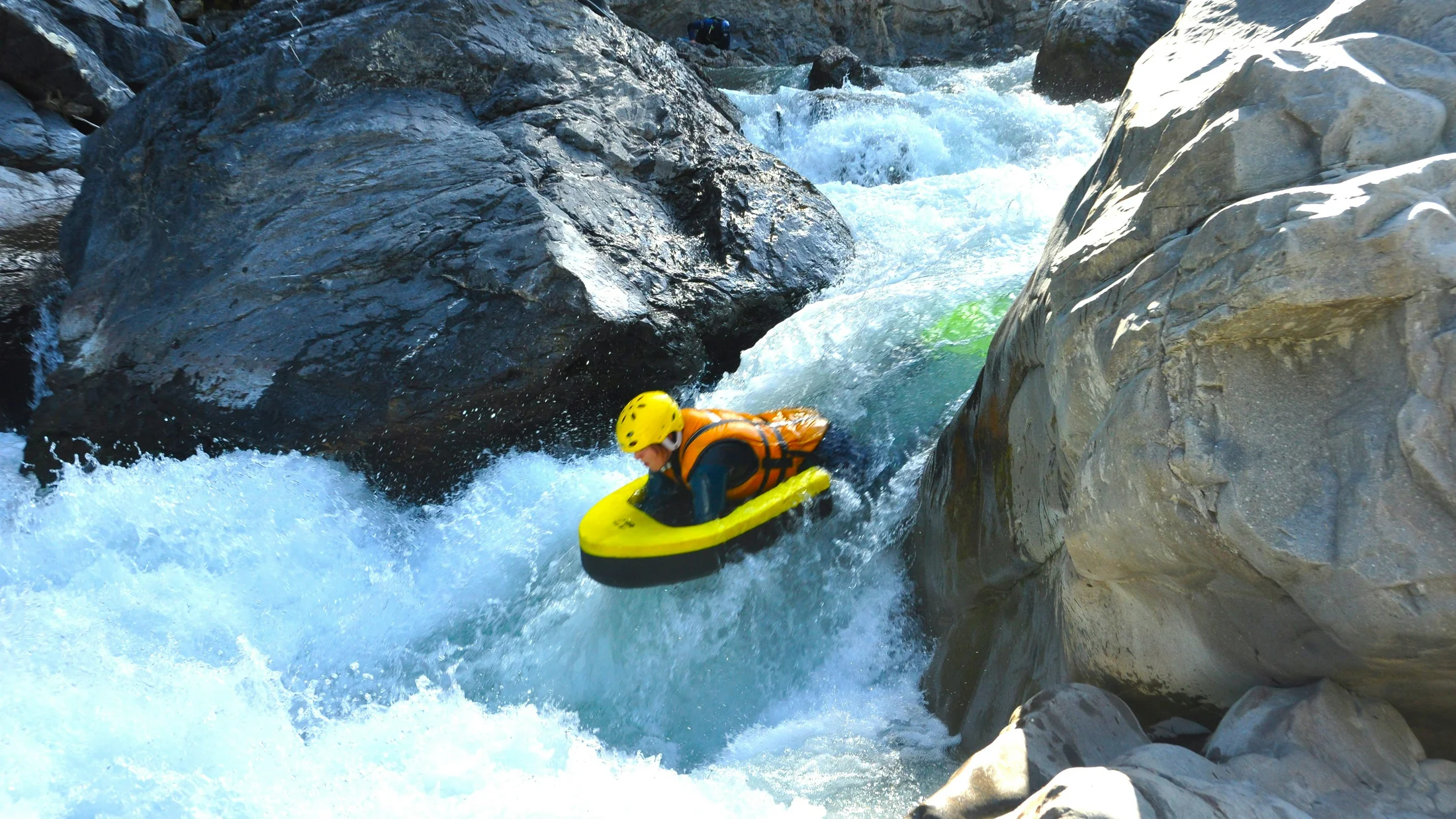
Hydrospeed is riverboarding with fins: you hold a compact, buoyant board, wear fins, a helmet, and a life jacket, and ride whitewater head‑first. The board (often called a riverboard) keeps your chest afloat while your legs and fins steer, brake, and accelerate. You move low and fast, reading the V‑shaped “tongue” of current and slipping behind rocks into eddies—calm pockets of water—to rest. Imagine cold, clear water fizzing against your forearms like seltzer.
Unlike rafting, you are not in a boat; you are the craft. That proximity to the current creates precision and a powerful sense of flow, but with control provided by your guide and protective gear. A typical beginner descent covers 4–8 km in 90–150 minutes, with a safety briefing and practice eddying before the main rapids. In Spain, certified operators provide full equipment (neoprene suit, fins, helmet, PFD, board), river shuttles, and guides who set the line and watch the group. Hydrospeed stands apart from kayaking or SUP because you don’t need paddle skills to start—just basic swimming ability and a willingness to learn in moving water.
Why try it: benefits and who it suits
If you want controlled adrenaline, hydrospeed delivers tight bursts of speed balanced by frequent stops. You learn simple techniques quickly, progress by choosing appropriate river grades, and share a river day with locals who care for the watershed. The cold spray on your cheeks and the rumble of a rapid under your chest fix you in the moment.
Who should consider it? Adventurous couples, active families with teens, and groups comfortable in the water. Beginners can join entry‑level sections with a guide and safety kayaker; athletes can tackle steeper, continuous rapids. Benefits include:
- Skill growth (reading currents, fin control) in a single session
- Strong safety culture when guided (briefings, signals, rescue plans)
- Accessibility across regions in hydrospeed Spain, from the Pyrenees to Asturias
- Close contact with mountain landscapes and river communities that steward these valleys
Picuco te puede ayudar
Does something here catch your eye?
Tell us.
Write to us on WhatsApp or email: we answer questions, find the best options and help you sort out the booking.
Pyrenees Rivers That Shine For Hydrospeed
1.Noguera Pallaresa (lleida): classic runs and technical options
The Noguera Pallaresa is the Pyrenees benchmark for hydrospeed, with reliable summer flows managed by upstream reservoirs like La Torrassa and Talarn. The valley around Llavorsí and Sort is set up for river sports, with daily shuttles in season and clear put‑ins and take‑outs. On warm afternoons, the river hums like a mountain road—steady, lively, never quite still.
- Why it works: Consistent releases create predictable conditions through June–September; spring (May–early June) adds snowmelt power for intermediate runs.
- Levels:
- Beginners: Llavorsí downstream on grade II–III waves, with frequent eddies to regroup.
- Intermediate: Classic Llavorsí–Sort sections at grade III with short III+ rapids.
- Advanced: Selected steeper rapids at higher flows, always with guide approval.
- Best season: Late May–September for stable managed flows; late spring for more punch.
- Logistics:
- Base towns: Llavorsí (put‑ins near
N-260), Sort (common take‑out and return). - Operators: Multiple certified local companies offer daily departures in summer; confirm schedules and water levels the day before.
- Shuttles: Standard; meet at operator base, kit up, van to put‑in, return to base.
- Base towns: Llavorsí (put‑ins near
- Notes: Ideal for mixed‑level groups to split by section while sharing the same valley day. Search “hydrospeed Pirinees” options near Llavorsí/Sort to compare timings and group sizes.
2.Río Ésera (huesca): lively currents in the Upper Pyrenees
Fed by Benasque’s high mountains, the Ésera forms approachable, bouncy rapids above Campo, then builds power as it winds toward Graus. Its gradient and wave trains make it a joy for fin control and quick eddy moves. Think light‑green water threading past pale limestone, with swifts skimming the surface like tiny arrows.
- Why it works: A staircase of II–III rapids offers room to practice ferry‑glides (moving sideways across current) and eddy turns without long flatwater.
- Levels:
- Beginners: Near Campo on grade II–II+, often at moderated flows in summer.
- Intermediate: Campo–Santa Liestra stretches add longer III rapids and faster tongues.
- Advanced: Early spring snowmelt can push features to solid III+/IV in short bursts—guide discretion rules.
- Best season: May–July for snowmelt energy; July–September for more stable, friendly volumes when regional releases benefit downstream sections.
- Logistics:
- Base towns: Campo and Seira (access from
N-260), with take‑outs downstream. - Operators: Seasonally active, with morning and afternoon runs; ask about minimum group size (often 4–6).
- Meeting/returns: As with most hydrospeed, you rendezvous at the base; vans shuttle you and gear to/from the river.
- Base towns: Campo and Seira (access from
- Notes: The Ésera is ideal if you’ve tried rafting here and want to move closer to the current. Expect 1.5–2.5 hours on the water depending on section and flow.
3.Río Cinca (huesca): varied sections for all levels
The Cinca drains into the Mediano and El Grado reservoirs, but its upper reaches near Aínsa/Laspuña offer windows of excellent flow, especially in late spring and early summer. It’s a river of contrasts: gentle riffles one bend, punchy standing waves the next. In the calm pools you can smell wet pine from the surrounding slopes.
- Why it works: Multiple entry points allow level‑appropriate days, with mellow training zones and short, steeper bursts for confident teams.
- Levels:
- Beginners: Laspuña–Aínsa corridors at grade II, with wide channels and steady eddies.
- Intermediate: Selected III features above Aínsa when snowmelt raises levels.
- Advanced: Short technical sequences at peak flow require tight group management.
- Best season: May–June (snowmelt) and post‑storm windows in spring/early summer; mid‑summer depends on regional releases and can drop to II only.
- Logistics:
- Base towns: Aínsa (historic core for lodging and food) and Laspuña (closer to put‑ins via
A-138). - Operators: Summer programming varies by level and flow; confirm 24–48 hours out—most will move you to the Ésera if the Cinca is too low.
- Duration: 90–150 minutes on water; total activity 3–4 hours including outfitting and shuttles.
- Base towns: Aínsa (historic core for lodging and food) and Laspuña (closer to put‑ins via
- Notes: Good choice for families wanting short runs near a town with services. Guides often blend a quick hydrospeed session with a swim cove stop if levels ease off.
4.Río Ara and neighboring Aragonese stretches: clear waters in a wild valley
The Ara is often called the last great wild river of the Spanish Pyrenees—free‑flowing, glacier‑fed, and fiercely seasonal. Hydrospeed days here feel like a moving alpine window: cold, glassy tongues, bright cobbles below, and the distant thrum of Ordesa’s walls. The clarity makes reading currents a lesson in itself.
- Why it works: Pristine water and natural hydraulics—pillows, tongues, and eddy lines—offer textbook practice for intermediate riders seeking river reading.
- Levels:
- Intermediate: Common midsummer runs at II–III depending on storms and snowpack.
- Advanced: Early season (May–June) can spike to III+/IV in short sequences—guides cherry‑pick suitable sections.
- Best season: Highly variable; typically May–July, with short windows after rains later in summer.
- Logistics:
- Base towns: Torla, Broto, and Fiscal (access via
N-260), with parking near outfitter warehouses. - Permits/advisories: Check local councils and Ordesa y Monte Perdido advisories; some access roads and riverbanks have seasonal rules to protect habitat.
- Operators: Fewer departures than on the Noguera Pallaresa; expect smaller groups and more fluid scheduling around river spikes.
- Base towns: Torla, Broto, and Fiscal (access via
- Notes: This is a river for patient planners who want nature first, sport second. If the Ara drops, nearby sections on the Cinca or Ésera can substitute without losing a day.
Beyond The Pyrenees: Recommended Rivers Across Spain
1.Río Sella (asturias): a northern classic
The Sella is Spain’s best‑known river day thanks to the Descenso del Sella tradition, but hydrospeed adds a fresh angle to this iconic valley. The upper stretches around Arriondas offer friendly II–III wave trains and wide eddies—ideal for first fin strokes. Damp alder leaves scent the air along the banks after a summer squall.
- Why it works: Approachability, mountain scenery, and dense operator presence mean multiple daily slots in season and flexible logistics.
- Levels:
- Beginners: Short II sections near Arriondas for intro drills and playful waves.
- Intermediate: Progressive III sequences downstream in higher spring flows.
- Best season: May–September, with May–June snowmelt giving the liveliest features; weekends in August are busy—book early.
- Logistics:
- Base towns: Arriondas and Cangas de Onís (gateway to Picos de Europa).
- Operators: Certified companies run hydrospeed alongside rafting; ask for guide/participant ratio (1–1 is common).
- Access: From Oviedo, around 70–80 minutes by car via
A-64/N-634; regional trains and buses reach Cangas/Arriondas with extra time for transfers.
- Notes: Compared to hydrospeed rivers Spain in the Pyrenees, the Sella is softer mid‑summer, with more space to learn and less gradient. It’s a great first‑timer pick.
2.Río Deva/cares (cantabria/asturias): technical runs in grand scenery
Where the Deva and Cares corridor slices between Cantabria and Asturias, you find clear water, tight channels, and short, punchy rapids. Limestones rise steeply, casting cool shade that makes summer sessions crisp. Echoes from the canyon walls fold the river’s chatter into a single, bright note.
- Why it works: Focused III/III+ sequences encourage precise ferrying, eddy catching, and quick decisions—excellent for skills after an easier river.
- Levels:
- Intermediate–advanced: Best for riders comfortable with continuous III; features can spike after rain.
- Beginners: Only on carefully chosen II stretches and low flows, at the guide’s discretion.
- Best season: Late spring and early summer; post‑storm windows later on. Hydrology depends on recent rainfall more than managed releases.
- Logistics:
- Base towns: Panes and Potes, linked by
N-621, with fast access to put‑ins. - Operators: Fewer daily slots than the Sella; check 48 hours out, as rain patterns drive conditions.
- Transport: Santander to Panes is roughly 1 h 15 min by car; Llanes to Panes around 40–50 min.
- Base towns: Panes and Potes, linked by
- Notes: Strongly scenic and compact, ideal as a two‑hour adrenaline piece paired with an afternoon hike on a segment of the
PR-PNPE-28footpath near the Cares gorge.
3.Río Cabriel (valencia/cuenca): clean water in the East
The Cabriel anchors the Hoces del Cabriel Natural Park, known for turquoise water quality and sinuous canyons. Summer releases from the Contreras system typically sustain navigable flows, making it one of the east’s go‑to rivers for hydrospeed. Sunlit eddies turn the surface to shifting blue glass.
- Why it works: Clean, low‑sediment water makes features easy to see; releases can stabilize flows when other eastern rivers are low.
- Levels:
- Beginners: Venta del Moro–Villargordo del Cabriel zones at II, with calm lakes to practice fin work.
- Intermediate: Short III waves in higher spring flows or stronger release days.
- Best season: May–September; June–August most reliable for family‑friendly volumes.
- Logistics:
- Base towns: Venta del Moro (Valencia side), Villora and Enguídanos (Cuenca side), connected by
N-IIIand local roads. - Operators: Summer operations are frequent; confirm if hydrospeed runs daily or alternate with rafting on release schedules.
- Duration: 90–120 minutes in water; water temps warmer than northern rivers—thin neoprene layers may suffice mid‑summer.
- Base towns: Venta del Moro (Valencia side), Villora and Enguídanos (Cuenca side), connected by
- Notes: Compared to Pyrenean hydrospeed, Cabriel runs are smoother and warmer, great for technique days or multi‑activity weekends.
4.Río Guadiato / Córdoba: Andalusian windows for hydrospeed
For hydrospeed Córdoba, think seasonal “windows,” not daily summer programs. The Guadiato drains the Sierra Morena into reservoirs like La Breña II near Almodóvar del Río, and suitable flows typically appear after winter rain events or planned releases. In the quiet reaches, cork oak and olive groves edge the valley with a dry, resinous scent.
- Why it works: When levels align, you can run short II–II+ sections with broad eddies—ideal for coached drills and family introductions.
- Levels:
- Beginners–intermediate: Only when flows allow; advanced features are short‑lived and rare.
- Best season: Late autumn to early spring, immediately after sustained rains; occasional managed releases may extend opportunities—ask locally week by week.
- Logistics:
- Base towns: Córdoba city (45–60 min by car via
A-431to Almodóvar del Río), Posadas, and Hornachuelos (gateway to Sierra de Hornachuelos Natural Park). - Operators: Fewer and more flexible than in the north; guides often propose hydrospeed as part of a bespoke day when levels are right.
- Alternatives: If the Guadiato drops, some operators pivot to lake activities or canyoning in shaded ravines of Sierra Morena.
- Base towns: Córdoba city (45–60 min by car via
- Notes: A fine add‑on to rural stays near Córdoba—pair a morning hydrospeed session (if flow permits) with afternoon visits to Medina Azahara or tastings in Montilla‑Moriles. Always verify current safety advisories and water levels before committing.
When To Go, How To Get There, And Where To Sleep
Seasons and water conditions
Rivers in Spain follow a simple logic: snowmelt peaks in late spring in the Pyrenees and Cantabrian ranges; summer sees stabilized volumes where dam releases occur; autumn rains briefly recharge southern and eastern catchments. In practice, hydrospeed Spain breaks down like this: cold, punchy late spring sessions in the mountains; friendlier, managed summer runs on marquee valleys; opportunistic southern days after rain. Picture a seasonal heartbeat—fast in spring, steady in summer, irregular but rewarding in autumn.
- Pyrenees (Noguera Pallaresa, Ésera, Cinca, Ara):
- Best: May–July (snowmelt), July–September (managed flows keep levels practical on key sections).
- Watch: Heatwaves can drop free‑flowing rivers; thunderstorms can cause short spikes.
- Northern rivers (Sella, Deva/Cares):
- Best: May–September; spring and early summer most energetic; late summer still good on family sections.
- Watch: Heavy rain can push grades up a notch for 24–48 hours.
- South (Guadiato/Córdoba):
- Best: Rain windows November–March; water colder—thicker neoprene needed.
- Watch: Short notice variability; always check day‑before with the operator.
For real‑time flows, guides consult the SAIH networks of Spain’s river basin authorities—Confederación Hidrográfica del Ebro for the Pyrenees and Confederación Hidrográfica del Cantábrico for the north. Respect red‑flag warnings and heed guide cancellations when flows exceed safe limits.
Getting there and transport options to the rivers
Most hydrospeed bases sit in small towns on national or regional roads with on‑site parking. The simplest plan is to drive or rent a car; the second‑best is train plus regional bus plus an operator transfer. A warm van at the end of a cold river is your best friend.
- By car (approximate times in normal traffic):
- Barcelona to Llavorsí (Noguera Pallaresa): 270–290 km, 3 h 45–4 h via
C-16/N-260. - Zaragoza to Campo (Ésera): ~170 km, 2 h 30 via
A-23/N-260. - Madrid to Aínsa (Cinca): ~500 km, 5 h 30 via
A-2/A-22/N-260. - Oviedo to Arriondas (Sella): ~70–80 min via
A-64/N-634. - Córdoba city to Almodóvar del Río (Guadiato): ~30–45 min via
A-431.
- Barcelona to Llavorsí (Noguera Pallaresa): 270–290 km, 3 h 45–4 h via
- Public transport:
- Pyrenees: Long‑distance train to Lleida or Huesca, then regional bus to Sort, Aínsa, or Campo; coordinate an operator pick‑up.
- Asturias/Cantabria: FEVE/Cercanías trains or ALSA buses reach Arriondas, Cangas, Panes, and Potes; build transfer time into your schedule.
- On the day:
- Meet at the operator base 30–45 minutes before departure.
- Shuttles move you to put‑in and from take‑out; self‑shuttling is rarely needed.
- Bring a small bag with dry clothes and leave it at base or in the shuttle van.
If a section starts and ends far apart, confirm shuttle logistics and total time curb‑to‑curb. Ask whether they run morning or afternoon departures and how flows change between slots.
Staying close: rural lodging that works for river days
Staying near the river keeps mornings simple and evenings relaxed. Look for properties used to hosting paddlers, anglers, and hikers—they understand early starts, wet gear, and muddy shoes. At sunset, the smell of woodsmoke and the clink of enamel mugs make mountain villages feel like a basecamp.
- Where to look:
- Campings by the river: Affordable, social, often with drying lines and shared kitchens; great near Llavorsí, Sort, and Arriondas.
- Casas rurales (rural homes): Quiet, good for groups and families; check if they have a porch or shed for equipment.
- Hostels and small hotels: Central in towns like Aínsa, Torla, Cangas de Onís; many offer early breakfast and late check‑in.
- How to choose:
- Distance to meeting point (ideally <15 minutes).
- Check‑in flexibility if you arrive late; check‑out flexibility for post‑river showers.
- Storage: Ask about a ventilated space for wetsuits/fins overnight.
- Meal options: Picnic prep early in the morning and dinner on return.
- Booking tips:
- Peak months (July–August in the Pyrenees and northern coast) sell out—reserve 2–4 weeks ahead.
- Shoulder seasons offer better rates; ask about multi‑night discounts if you plan several rivers.
If you prefer one base for multiple rivers, Aínsa works well for Cinca/Ara/Ésera options, and Cangas de Onís positions you for both Sella and Deva/Cares.
Hydrospeed: Safety, Gear, And Techniques For Every Level
Essential gear and how to choose it
Good gear is comfort plus control. Hydrospeed rides colder water at speed; fit and insulation matter. The neoprene smell in the gear room says it all—thicker suits keep you smiling on long rapids.
- Wetsuit (neoprene): 5–7 mm farmer‑john (sleeveless) with 3–5 mm jacket is standard for Pyrenees and north; 4–5 mm can work on warmer Cabriel days. Fit should be snug without restricting arm motion.
- Booties and gloves: 3–5 mm neoprene booties protect feet in rocky shallows; gloves add warmth in spring. Many operators include booties; bring thin socks for comfort.
- Helmet: Whitewater‑rated helmet meeting EN 1385; adjust to sit low and snug without wobble.
- PFD (life jacket): 50–70 N buoyancy, certified to EN ISO 12402‑5 or higher. Ensure waist and shoulder straps cinch tight; the jacket must not ride up when pulled.
- Fins: Stiff‑bladed river fins with adjustable straps over booties. Choose a size that allows strong kicks without cramping; heels should not slip when you push.
- Board (riverboard): Dense foam or HDPE‑skinned core with handholds, curved nose, and underside rails for tracking. Test buoyancy: with your chest on the board you should float high enough to breathe easily while stationary.
Operators usually provide the full kit plus shuttle and guide. Bring: swimsuit, towel, synthetic base layer for cold days, water bottle, and sunscreen. If you own pieces, prioritize helmet and PFD for fit; confirm with the operator that your gear meets their standards and insurance requirements.
River safety: habits and procedures that matter
Safety is a system: planning, briefings, signals, group spacing, and practiced rescue. A crisp routine turns whitewater into a managed playground. The river’s hiss at put‑in sharpens everyone’s focus.
- Briefing and signals:
- Hand/whistle codes for stop, go, eddy left/right, and hazard; confirm before launching.
- Guides assign order and sweep (last person) and demonstrate defensive swimming (on your back, feet up).
- Positioning:
- Eddy‑hop in small pods, one feature at a time; never stack riders in the same hydraulic.
- Keep safe spacing—two to three board lengths—so you can stop or help quickly.
- Reading water:
- Identify “tongues” (smooth Vs that mark main flow), standing waves, holes (reversing hydraulics), and boils (upwellings).
- If in doubt, follow the guide’s line and maintain fin power entering features.
- Rescue and retreat:
- Self‑rescue: Flip on your back, point feet downstream, kick to the nearest eddy.
- Buddy assist: Throw bag awareness and how to receive a rope; only attempt if you’ve practiced.
- Portage: Guides may call a carry around a rapid; respect that call.
- Go/no‑go decisions:
- Cancel or move section when flows rise to unsafe levels, visibility drops, or storms threaten. Trust the guide—postponement is part of hydrospeed safety.
- Health: Skip the day with fever, recent injury, or if pregnant; disclose conditions (asthma, cardiac) in advance.
Look for operators with first aid and whitewater rescue training, spare thermal layers, and a recorded trip plan. The gold standard is a calm, structured briefing that invites your questions.
Techniques for beginners and tips for advanced riders
Hydrospeed rewards simple, repeatable moves. Start with body position and fin basics; layer in river reading and trajectory control. The feeling when you nail your first clean ferry is like catching a moving walkway across a liquid street.
- Beginners:
- Position: Chest on board, hips high, chin up; elbows tucked. This reduces drag and protects shoulders.
- Fin power: Short, fast kicks for acceleration; wide frog kicks to brake; kick consistently into the rapid.
- Eddies: Enter at a shallow angle (30–45°), kick hard through the eddy line, then relax in the calm pocket.
- Reading: Spot the tongue and avoid the seam behind holes; follow the guide’s point or paddle signal.
- Drills: Figure‑8s between two nearby eddies build control without big rapids.
- Intermediate:
- Ferries: Angle slightly upstream, kick diagonally to cross the current; adjust angle midstream to hit your target.
- S‑turns: Link tongue entry to opposite eddy with a smooth diagonal, minimizing braking.
- Wave surfing: Hold a steady angle on the face, kick lightly to stay in the pocket; exit sideways if you tire.
- Advanced:
- Rapid scouting: Read pillow rocks, lateral waves, and converging tongues; choose lines that reduce exposure time in holes.
- Boil management: Keep hips high, kick through turbulence, and avoid over‑braking that stalls the board.
- Training: Off‑river fin sets (pool or lake), mobility work for hips/ankles, and cold‑water acclimation in spring.
Progress by stepping up river grade under familiar guides, not by rushing features. Film review and focused drills can compress learning across a single weekend.
Good Company: Activities That Pair Well With Hydrospeed
Hydrospeed compresses a lot of feeling into a short window—perfect to combine with other mountain or rural experiences. The balance is to keep the day full but not frantic. After the river, the scent of grilled trout or a wedge of local cheese can be the perfect cooldown.
- Rafting: Start beginners with a morning raft to understand basic river anatomy, then switch to hydrospeed on a shorter afternoon section. This two‑step plan works especially well on the Noguera Pallaresa and Ésera, where logistics and shuttles are streamlined.
- Canyoning: Slot canyon descents complement hydrospeed’s straight‑line speed with downclimbs, slides, and rappels. In Aínsa and around the Ara/Cinca, half‑day canyons offer clear pools and shaded walls, good for hot afternoons. Note fatigue management: canyoning uses different muscles but still taxes focus.
- Hiking: Short segments of the
GR-11(Pyrenees) or localPRtrails near the Sella/Deva gorges give you high‑angle views of the rivers you just rode. Aim for 1–2 hours to avoid overloading the day; carry light and bring dry layers if you’re coming straight from the river. - Climbing or via ferrata: Many river towns host bolted crags or ferrata routes on limestone. Choose beginner grades for a casual second activity; if you go harder, schedule climbing on a different day.
- Culture and food: Medieval plazas in Aínsa or the riverside walk in Sort deliver relaxed evenings. In Asturias, sidrerías let you watch traditional cider pouring, and markets stock smoked cheeses and cured meats; in Córdoba’s countryside, olive oil mills and wineries in Montilla‑Moriles run tastings that connect land to table.
- Multi‑activity packages: In peak season, operators often offer bundled days (e.g., hydrospeed + canyoning + 2 nights in a rural lodge). Ask if transfers, meals, and insurance are integrated to simplify your plan. Booking as a group can lower per‑person cost and align schedules for kids and teens.
The rule of thumb: put the most technical activity first while you’re fresh, leave time for meals and shuttles, and end near your lodging. When in doubt, stretch to a two‑day plan; mountain towns reward lingering.
Prices, Booking, And Choosing Reliable Operators
Hydrospeed prices in Spain typically range from 45–65 € per person for a beginner descent (about 1.5–2 hours on the water) and 60–90 € for longer or more technical runs. Private guide supplements, photo/video packages, and multi‑activity deals adjust the final bill. Cold water kisses your face the same either way; value lies in safety margins and smooth logistics.
- What affects price:
- Duration and section grade (longer and steeper costs more).
- Group size (shared departures are cheaper; private teams pay a premium).
- Inclusions (full gear, transfers, snacks, hot drinks after the river).
- Season (peak summer weekends vs. shoulder weekdays).
- Policies to check:
- Cancellation windows (often 48–72 hours standard; weather/flow cancellations typically offer rebooking or refunds).
- Minimum ages and swim requirements (varies by section and flow).
- Insurance coverage and medical disclosure forms.
- Comparing operators:
- Certifications: Guides with whitewater rescue training and current first‑aid; ask about ongoing training and river‑specific experience.
- Ratios: 1 guide per 5–6 participants is common; for advanced sections, look for tighter ratios or a support safety kayaker.
- Equipment condition: Recent, clean neoprenes; helmets with secure straps; PFDs that fit snugly across sizes.
- Briefing quality: Clear, patient, and scenario‑based; space to practice in flatwater before main rapids.
- Reviews and word‑of‑mouth: Look for comments on safety culture, not just “fun.”
- How to book:
- Reserve online or by phone; in high season on marquee rivers (Noguera Pallaresa, Sella), book 1–2 weeks ahead for weekends.
- For flexible rivers like the Ara or Guadiato, coordinate dates around likely water windows and stay in touch 24–48 hours before.
- Multi‑activity and lodging packages can save time; confirm check‑in timing if your river slot is early.
Consult up‑to‑date options and availability on Picuco’s activity pages, where departures, difficulty, and seasonality are organized by region. Confirm final prices on the operator’s page before paying, as flow conditions can change section choice—and value—for a given day.
Frequently Asked Questions
Is hydrospeed safe if I am a beginner?
Yes—when you go with a certified guide, wear full protective gear, and choose an appropriate section for the day’s flow. Beginner hydrospeed for beginners typically runs on grade II–III water with wide eddies to regroup and practice stops. You’ll receive a safety briefing (signals, defensive swimming) and on‑water coaching before attempting any larger waves. The guide sets your line, manages spacing, and positions the group for quick help if anyone swims. Minimum requirements usually include basic swimming ability, comfort putting your face in water, and reasonable fitness for 90–120 minutes of kicking. Before booking, ask about water temperature, expected rapid grades, and group size; if you’re nervous, request a shorter section or a higher guide‑to‑rider ratio. If conditions spike after rain, good operators will postpone or change river sections as part of hydrospeed safety best practice—trust those calls.
What minimum age or fitness is required?
Minimum age commonly falls between 12 and 14 for entry‑level sections, depending on height, weight, water temperature, and flow; some rivers allow younger teens on warm, low‑flow days. Participants should be able to swim 25–50 meters unaided and be comfortable following instructions in moving water. Medical cautions include heart or respiratory conditions, recent surgery, neck/back issues, and pregnancy—disclose these during booking to receive tailored advice or an alternative plan. If a family member is too young or not ready, consider a shared day: they can join a gentle rafting float while others try a short hydrospeed run, meeting at a common take‑out. Always check the operator’s exact age and fitness rules for the date and river you choose, since seasonal flow changes can raise or lower the bar by a notch.
What clothing and personal gear should I bring if I do not rent everything?
Most operators supply the full kit—wetsuit, jacket, booties, fins, helmet, PFD, and board. You should still bring:
- Swimsuit (synthetic), and a thin base layer top if water is very cold
- Thin socks for inside booties to prevent chafing
- Lightweight towel and a warm, dry layer for after the river
- Water bottle, high‑energy snack, and sunscreen
- Compact eyewear retainer if you must wear glasses (or choose contacts)
If you prefer to bring personal gear, prioritize your own helmet and PFD for fit and familiarity, but confirm they meet whitewater standards (EN 1385 and EN ISO 12402‑5). Avoid cotton layers, which chill when wet. In spring and in the north, neoprene gloves can keep hands nimble. Leave valuables at your lodging or locked in the operator’s base; river shuttles have limited secure storage, and pockets on wetsuits are not designed for phones or wallets.
How do you reserve descents and how far in advance?
You can book directly with local operators online or by phone, through regional tourism desks, or via curated platforms like Picuco that group experiences by river and season. In peak months (July–August in the Pyrenees or August on the Sella), reserve 1–2 weeks ahead for weekend slots; midweek bookings are easier. In shoulder seasons, 3–5 days often suffice, though rain spikes can create last‑minute opportunities—and cancellations. Expect to pay a deposit at booking and the balance on arrival; review cancellation terms carefully, including weather/flow clauses that allow fee‑free rebooking. If you want lodging bundled, ask for package quotes that sync check‑in with early river departures and include shuttles; this can simplify logistics for families and groups. Reconfirm your meeting time the day before and ask if overnight flow changes have shifted the chosen section.
Can you combine hydrospeed with other activities on the same day?
Yes, but sequence and rest matter. A common plan is hydrospeed in the morning while you’re fresh and focused, followed by an easy afternoon activity like a short hike or cultural visit. In robust shape, you can pair a half‑day canyon descent with a short hydrospeed run, or do rafting then hydrospeed on different river sections. Consider:
- Fatigue: Fins tax the calves and hips; leave at least 2–3 hours between high‑effort sessions.
- Transfers: Confirm shuttle times so activities do not overlap; allow margin for delays.
- Gear: Ask if the same operator provides both activities to streamline outfitting.
- Weather: Storms can cancel one activity but not the other; have a swap plan.
Families often enjoy a split: adults/teens ride hydrospeed while younger members raft an easier stretch, meeting later in a riverside town for a meal. Keep your plan flexible and let water levels guide the final schedule.
Book your experience — discover outdoor activities across Spain with Picuco‑verified providers.
Conclusion
Hydrospeed brings you eye‑level with moving water, distilling the mountains into sound, spray, and clean lines. Spain offers a full spectrum: reliable classics in the Pyrenees (Noguera Pallaresa, Ésera, Cinca, and the vivid Ara), northern icons like the Sella and Deva/Cares, eastern alternatives on the Cabriel, and seasonal southern windows on the Guadiato near Córdoba. With a guide’s safety net, the sport suits first‑timers hungry for skill and sensation, as well as confident riders seeking tighter lines and steeper waves.
Plan around seasons—snowmelt and managed summer releases in the north, rain‑triggered flows in the south—then choose lodging and transport that keep your days simple. Compare operators by training, ratios, and briefing quality, and confirm prices and policies before you set out. Pair the river with canyoning, hiking, or village time to understand the landscapes and communities that keep these waters healthy.
When the current lifts your board and the fins bite, you feel both small and in tune—a balance that stays with you long after the river quiets. Start with a friendly section, trust your guide, and let Spain’s valleys show you what hydrospeed can be.