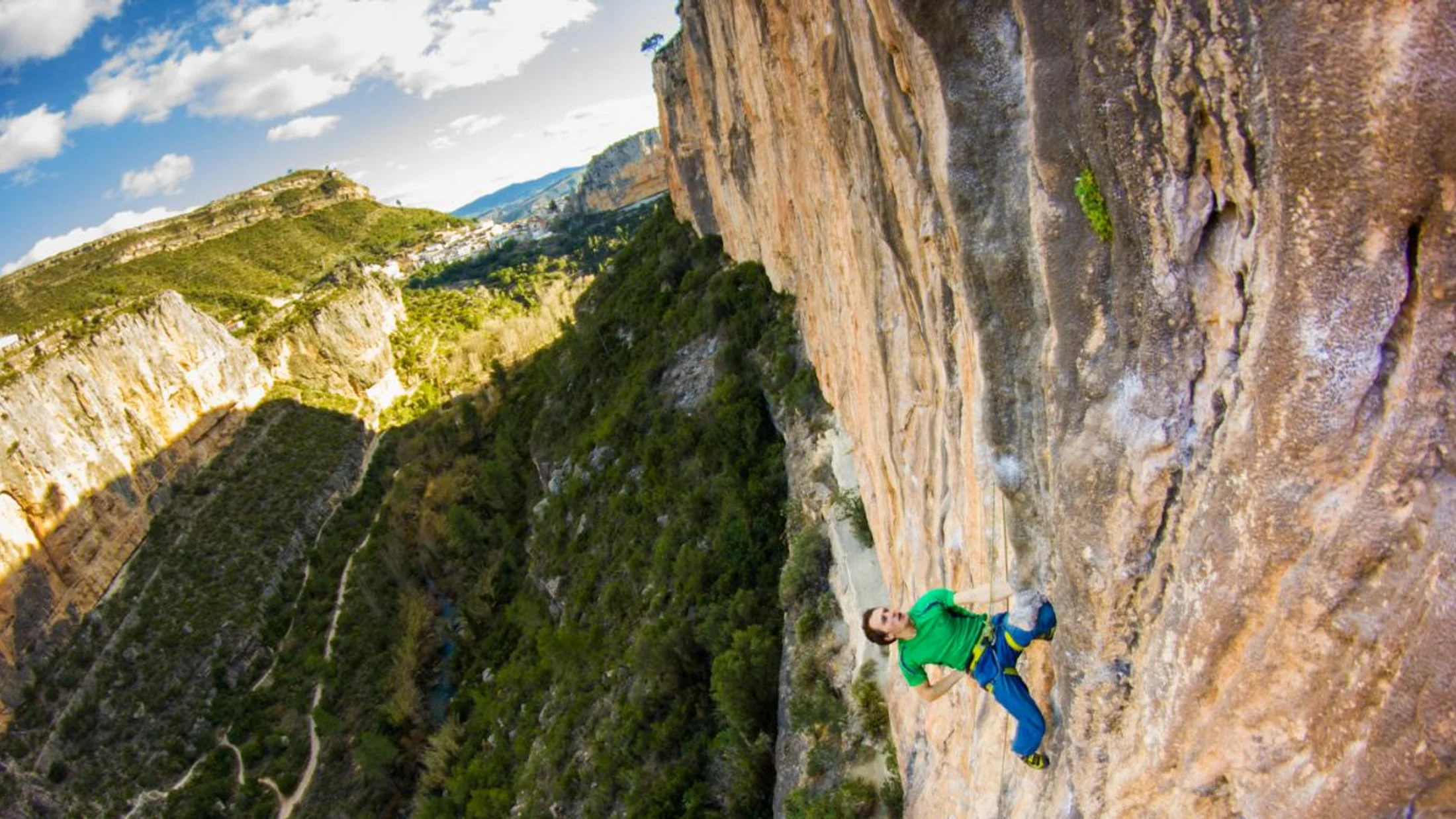
Why Spain Is a Sport Climbing Powerhouse
Spain’s cliffs deliver year‑round variety, dense route networks, and welcoming climbing towns. If you’re planning sport climbing Spain between 5c and 8a, choosing the right sector by grade spread, season, and logistics turns a good trip into a great one. Chalk hangs in the still air of orange walls as swifts flicker over sunlit canyons. You’ll find here a curated list based on verifiable criteria so you can plan days efficiently and climb safely.
Spain’s sport climbing at a glance
From Catalonia to Andalusia and the central sierras, the country blends limestone, conglomerate, and granite across thousands of bolted lines. Limestone dominates (Siurana, Rodellar, Chulilla, El Chorro) with technical walls, tufas, and long stamina pitches, while Margalef’s pebble‑studded conglomerate rewards accuracy and finger strength. Granite in La Pedriza adds friction slabs and adventurous undertones near Madrid. For climbers between 5c and 8a, these rock types matter: they shape crux styles, resting opportunities, and skin wear, influencing how many attempts you can make in a day. Weather patterns also differ—coastal breezes, highland shade, or south‑facing sun—so you can target shade in summer or sunny walls in winter. Many valleys host small communities where climbers share space with farmers and shepherds; respecting trails and seasonal closures helps keep access secure.
What you’ll find in this list
Each sector profile gives you essential trip data: location and typical approaches, season and shade, the concentration of quality routes in 5c–8a, standout walls, services (water, camping, refuges), safety notes, and where to base yourself. Use it to pick a home base and then match crags to daily conditions—wind, temperature, and sun aspect. Our selection weighs objective factors: rock quality, density of well‑bolted lines in 5c–8a, approach times, access reliability, nearby amenities, conservation status, and local knowledge. At the end you’ll find a route‑planning map, quick tips by level and season, and an FAQ to solve common doubts.
Picuco te puede ayudar
Does something here catch your eye?
Tell us.
Write to us on WhatsApp or email: we answer questions, find the best options and help you sort out the booking.
How to Read the Sector Profiles
Each profile follows a consistent structure so you can compare destinations quickly and plan days without guesswork. You’ll first see a short description of the rock and movement style—whether you’ll crimp on edges, kneebar on tufas, or trust granite smears—because style dictates success as much as grade. Imagine the feel of cool stone under your fingertips at dawn as the canyon warms by degrees. Then look for grade coverage between 5c and 8a with comments on route density: a sector with 20–30 quality lines in your band is better for mileage than one or two classics.
Practical blocks cover:
- Location and access: usual driving routes, public transport options if viable, parking etiquette, and typical approach times (10–40 minutes).
- Seasonality: best months, orientation (north/south), shade windows, and wind exposure, so you can chase shade in August or sun in January.
- Recommended areas: sub‑sectors worth a day each, with hallmark pitches by grade band to set clear on‑site or redpoint goals.
- Services: drinking water availability, nearby groceries, camping/refuge options, and rest‑day ideas within 30–60 minutes.
- Safety notes: bolt and anchor norms (double‑ring lowers, chain anchors), rope length cautions, and local etiquette like minimizing noise near farms or nesting zones.
- Topos: where to buy printed topos locally and which reputable topo apps cover updates; always cross‑check recent access notes.
Scan the “ideal for” line to match your current objective—on‑sighting 6a mileage, projecting a 7b, or stacking volume days. Use the approach and shade info to slot sectors into a weekly plan, avoiding crowd spikes on weekends by choosing longer walks or less‑known walls.
Top Sectors in Spain from 5c to 8a
1.Siurana (tarragona): technical limestone, impeccable movement
Siurana climbing is synonymous with precise footwork, small edges, and dream‑quality orange and grey limestone above a dramatic gorge. Morning light brushes the village ridge as swallows thread the Pinetell valley. For 5c–8a, the density and consistency are outstanding across compact walls and sweeping faces.
- Rock and style: vertical to slightly overhanging limestone; crimps, pockets, and subtle sequences.
- Grade spread and density: abundant 6a–7c, with solid options at 5c and up to 8a; ideal for mileage and classic redpoints.
- Recommended sub‑sectors:
- El Pati and L’Olla: 7a–8a endurance on long walls.
- Can Piqui Pugui and Can Toni Gros: 6a–7a technical slabs and walls.
- Siuranella Centre/Est: mixed grades with shade windows.
- Best season: October–April; mid‑season days in May/September; avoid midsummer heat.
- Access and approach: paved access to the clifftop village; parking in signed areas; typical approaches 5–20 minutes on marked paths.
- Services: water and food in the village; camping and simple lodgings nearby; rest‑day walks and heritage sites.
- Accommodation: stay in the village or in Cornudella de Montsant (10 minutes).
- Local etiquette and safety:
- Use 70–80 m rope; tie a knot in the free end.
- Respect signed closures and newly bolted lines; avoid path shortcuts to reduce erosion.
- Keep noise low near farms and stay on designated parking.
Why it stands out: immaculate rock, reliable winters, and a concentration of sectors for the 5c–8a crowd make Siurana a benchmark for technical progression and on‑sight practice in sport climbing Spain.
2.Rodellar (huesca): roofs, tufas, and stamina
Rodellar climbing delivers sweeping tufas, caves, and long pitches over the Mascún canyon, with a handful of walls for warm‑ups in the 6s. Cicadas buzz as the river flashes below limestone arches in the afternoon sun. While it’s famous for hard resistance routes, there’s solid terrain from 6a to 8a if you choose sectors well.
- Rock and style: limestone tufas, blobs, and steep caves; power‑endurance and kneebars.
- Grade spread and density: best density 6b–8a; fewer 5c/6a options than Siurana or Chulilla but possible in specific walls.
- Recommended sub‑sectors:
- Gran Bóveda and Las Ventanas: 7a–8a endurance classics.
- El Camino and Surgencia: 6b–7b with more moderate angles.
- Cueva de los Cazadores: steep training days, mostly harder.
- Best season: late spring and autumn; summer shade possible; winter is cold and seepy.
- Access and approach: park in Rodellar village; approaches 10–40 minutes along the canyon paths; some river crossings after rain.
- Services: small village amenities, seasonal shops, and campgrounds; water availability varies—fill up before approaches.
- Accommodation: lodging and camping in the village; additional options in Bierge and Alquézar.
- Safety and etiquette:
- Many pitches are long—bring a 80 m rope and many quickdraws.
- Kneepads helpful for tufas; check for seepage after storms.
- Respect signed paths and avoid trampling canyon vegetation.
Why it stands out: sustained climbing on three‑dimensional limestone, with enough 6b–7c stamina routes to fill a week, if you plan sector choice and rest days well within the 5c–8a band of climbing areas 5c 8a Spain.
3.Margalef (tarragona): fingertip accuracy on conglomerate
Margalef climbing sharpens precision on pocketed conglomerate with pebbles set in hard matrix, forcing accuracy and tension. Cool morning shade dusts olive groves as echoes bounce off twin valleys. If you like fingery sequences and quick reading, Margalef is addictive from 6b to 8a.
- Rock and style: pocketed conglomerate; half‑pad mono/two‑finger grabs, edges, and accurate feet.
- Grade spread and density: excellent from 6b–7c with select 5c/6a warm‑ups and proud 8a testpieces.
- Recommended sub‑sectors:
- Raco de les Espadelles: sun‑exposed walls, many 7s and 8s.
- La Pinyeta and Ca La Marta: varied 6b–7b with shade options.
- El Laboratori: mostly hard, inspiring for spectating and motivation.
- Best season: October–March; shoulder months can be excellent with wind; summer shade possible in mornings.
- Access and approach: drive to the upper valley on paved roads; parking in signed pull‑outs; approaches 5–25 minutes on good tracks.
- Services: village refuge, seasonal bars, and water points; groceries in nearby towns.
- Accommodation: rooms in the village, refuges, and country stays within 15–30 minutes.
- Safety and etiquette:
- Tape or care for skin—pockets and pebbles are unforgiving.
- Read fixed draws for wear; lower off steel rings or chains only.
- Keep noise low near orchards; pack out all trash and tape.
Why it stands out: concentrated pockets and clean logistics build power and technique fast, making Margalef a perfect counterpoint to Siurana in a single trip.
4.El Chorro (málaga): year‑round choice with big walls
El Chorro climbing spans single‑pitch sport, multi‑pitch, and canyon walls near the Caminito del Rey, with road A-357 and MA-5403 providing easy access from Málaga. Warm rock glows in the low winter sun as ibex move across ledges above the valley. For 5c–8a, variety is the superpower here.
- Rock and style: limestone; vertical walls, tufas, and big faces.
- Grade spread and density: good spread 5c–7b with select 7c–8a; plenty for mixed groups.
- Recommended sub‑sectors:
- Frontales (Las Encantadas, Suiza): 6a–7b mileage and classics.
- Poema de Roca area: photogenic walls with long moderates and mid‑7s.
- Escalera Árabe and Makinodromo: harder stamina caves, cooler on warm days.
- Best season: October–April is prime; mornings and shade work in summer shoulder days.
- Access and approach: train from Málaga to El Chorro village is possible; most sectors 5–30 minutes walk; respect signed parking.
- Services: accommodations, cafes, and small shops in the village; bigger supermarkets in Álora.
- Accommodation: base in El Chorro or Álora; day trips to coastal towns for rest days.
- Safety and etiquette:
- Watch for polished footholds on popular moderates; brush and step lightly.
- Bring 70–80 m rope; many lines are long.
- Weekends can be busy—opt for longer approaches to avoid crowds.
Why it stands out: dependable winter sun plus diverse walls give mixed‑ability groups a smooth plan, with multiple crags at walking distance.
5.Chulilla (valencia): sweeping limestone near the city
Chulilla climbing unfolds along a deep river gorge an hour inland from Valencia, with 30–50 m pitches that build endurance and confidence. Evening swallows circle while the river murmurs below orange and grey streaks. Grades from 6a to 7c shine here, with elegant sequences and airy positions.
- Rock and style: pocketed and featured limestone; long vertical walls favor endurance and pacing.
- Grade spread and density: superb 6a–7c mileage; a few friendly 5c warm‑ups and some 8a challenges.
- Recommended sub‑sectors:
- Oasis and Pared de Enfrente: 6b–7b on long, consistent lines.
- Balconcito and Cherales: diverse 6s and low 7s with good rests.
- Masters walls: taller pitches; confirm rope length needs.
- Best season: October–April; shoulder months can work; summer is hot except for early shade.
- Access and approach: parking above the canyon with signed trails; approaches 10–30 minutes with some exposed steps—wear good tread.
- Services: multiple accommodations and eateries in the village; supermarkets in Llíria or Villar del Arzobispo.
- Accommodation: village guesthouses and apartments make weekend trips easy; Valencia city works for mixed plans.
- Safety and etiquette:
- Many routes exceed 35 m—use a 80 m rope and knot the tail.
- Some sectors cross private land—respect signage and gates.
- Keep voices low; sound carries through the canyon.
Why it stands out: big‑pitch continuity climbing close to a major city, ideal for building endurance in the 6s and low 7s.
6.La Pedriza (madrid): granite character and adventure
La Pedriza offers granite slabs, cracks, and domes within Sierra de Guadarrama National Park, 60 minutes from Madrid. Pine scent rises off warm boulders as wind riffles the Manzanares river. While it’s known for trad and multi‑pitch, you’ll find bolted faces for 5c–7b and select harder lines in striking settings.
- Rock and style: coarse granite; smearing, small edges, and occasional cracks; precise foot friction is key.
- Grade spread and density: decent 5c–7b in bolted sectors; fewer 7c–8a sport testpieces than limestone venues.
- Recommended sectors:
- Cancho de los Brezos and El Tranco zones: friendly 5s and 6s with short approaches.
- Yelmo and El Pájaro areas: mostly multi‑pitch; some bolted pitches for mileage.
- Plate walls scattered across the lower cirque for crisp slab practice.
- Best season: spring and autumn are ideal; crisp winter days can be superb; avoid summer heat.
- Access and approach: controlled vehicle access to Canto Cochino with quota systems on busy days; approaches 10–60 minutes on granite slabs and trails.
- Services: visitor center, signed trails, and parking control; shops and lodging in Manzanares el Real and Madrid.
- Safety and etiquette:
- Slab falls can be serious—climb within comfort and place extra gear where allowed.
- Respect park regulations: stay on trails, no fires, and mind wildlife zones.
- Granite eats skin—plan rest days.
Why it stands out: a unique granite counterbalance to Spain’s limestone, perfect for refining movement, balance, and mental game within reach of the capital.
7.Mallorca (cova del Diable / Cala Varques): island limestone and sea cliffs
Mallorca blends cragging and deep‑water soloing (psicobloc: ropeless climbing over deep water) with holiday‑friendly logistics and Mediterranean views. Salt on the breeze and the slow boom of swell set a steady rhythm under white cliffs. For roped sport between 5c and 8a, inland and coastal crags complement iconic sea caves.
- Rock and style: limestone crags plus DWS sea caves; pockets, tufas, and athletic movement.
- Grade spread and density: good 6a–7c roped mileage; DWS across grades with tide/swell dependence; some 8a gems.
- Recommended zones:
- Cova del Diable: famous DWS cave; check swell and exit points; bring a good spotter/boat if required.
- Cala Varques: mixed DWS walls and nearby roped lines; respect access sensitivities.
- Inland crags (e.g., Tramuntana valley walls): dependable roped days in 6s and 7s.
- Best season: September–May for roped; summer mornings or shoulder months for DWS when water is warm and seas moderate.
- Access and approach: fly to Palma or ferry from Barcelona/Valencia; rent a car for flexibility; approaches 5–30 minutes, sometimes along coastal paths.
- Services: island‑wide lodging and food; climbing shops in Palma and key towns; tide/swell forecasts are essential for DWS planning.
- Accommodation: base near Manacor for east‑coast caves or in the Tramuntana for inland crags.
- Safety and etiquette:
- For DWS, assess depth, exit ladders, and swell; never jump blindly.
- Coastal access changes—respect private land and signed restrictions.
- Helmets recommended even at seaside crags due to brittle roofs.
Why it stands out: combine beaches and long climbing days, mixing DWS with roped sectors to chase conditions across the island.
Interactive Map: Find, Filter, and Plan
Use our interactive map to visualize every sector in this list and organize travel days around weather and shade. A faint breeze carries pine and dust while you trace routes with your fingertip on the screen. Filters let you highlight crags by grade focus (5c–6b, 6b–7a, 7a–8a), rock type (limestone, conglomerate, granite), wall aspect (N/S/E/W), and best season. Toggle layers to reveal parking, typical approaches, water points, and base towns for supplies.
- Formats:
- Embedded view for quick checks.
- Full‑screen link for trip planning.
- Downloadable
GPXfor parking and trailheads to load into your GPS app.
- Mobile tips:
- Tap a pin to open the sector card with approach notes and rope length cautions.
- Use the aspect filter to chase shade by the hour.
- Data and permissions:
- Notes update regularly with access changes; always verify signs on site.
- Respect private land, gates, and seasonal closures shown by the conservation layer.
Plan morning shade in Margalef, a midday break, and an evening lap in Siurana with one glance at the filters and driving times.
Choosing Sectors by Level and Season — Sport Climbing Spain
Pick sectors by your current redpoint band, the weather window, and travel logistics, then lock in daily goals. The crisp snap of a quickdraw echoes as clouds slide across a winter sun. Matching style and season keeps you progressing while avoiding crowds and hot rock.
- If you climb 5c–6b:
- Favor Chulilla (long, friendly continuity), El Chorro (Frontales mileage), and Siurana (Can Toni Gros, Can Piqui Pugui).
- Seek vertical walls with good rests; avoid steep caves that sap energy.
- Build movement patterns with on‑sight circuits rather than single projects.
- If you climb 6b–7a:
- Margalef (La Pinyeta) for precise pocket climbing; Siurana and Chulilla for volume days.
- In Rodellar, choose moderate‑angle sectors like El Camino on cooler days.
- Plan two‑session days: warm‑ups, main goal, then easier mileage.
- If you climb 7a–8a:
- Rodellar (Gran Bóveda), Siurana (El Pati/L’Olla), Margalef (Espadelles) for proud redpoints.
- Work shade/wind windows and rest smart; steep styles tolerate heat better.
- Slot harder links after a rest or easy day to keep skin and power fresh.
Seasonally:
- Winter: base in El Chorro, Siurana, and Chulilla; chase sun and sheltered walls.
- Spring/Autumn: everywhere shines; pick by shade and wind.
- Summer: head for altitude, north faces, deep shade, or early/late sessions; Mallorca adds DWS variety.
Logistics:
- Group crags by valley to cut driving and maximize climbing hours.
- Keep rest days purposeful: short hikes, swims, or technique drills.
- Use the sector profiles to prioritize three targets per week—two mileage days and one project day.
Gear, Safety, and Access Essentials
Solid basics keep you moving efficiently and safely across different Spanish cliffs. Sweat dries quickly on warm limestone while a light breeze cools your neck at the belay. Pack with purpose, follow local norms, and double‑check anchors before lowering.
- Core kit:
- Harness, belay device you know well, locking carabiners, and helmet.
- Single rope 70–80 m (many lines exceed 35 m); always knot the free end.
- 16–20 quickdraws for long pitches; extend if wandering.
- Style‑specific add‑ons:
- Tufa caves (Rodellar/El Chorro): kneepad, extra draws, grippy shoes.
- Pockets (Margalef/Siurana): finger tape, skin care, precise shoes.
- Granite slabs (La Pedriza): edging shoes, thin socks optional, micro‑cams if mixed protection is allowed nearby.
- Safety protocols:
- Partner check every pitch: knot, belay setup, rope length confirmation.
- Inspect bolts and anchors; lower from steel rings/chains; avoid lowering off maillons used temporarily.
- Communicate clearly at long distances; agree on commands and tie‑in checks.
- Access and conduct:
- Park only in signed areas; never block farm tracks or gates.
- Stay on established trails; avoid shortcuts that erode slopes.
- Pack out all waste, including tape and cigarette butts; keep noise low near villages.
- Insurance and guidance:
- Carry climbing accident insurance valid in Spain.
- Consider local guides for orientation days, efficient sector choice, and current access updates.
- Use reliable printed topos and well‑maintained topo apps; cross‑check with local shops for closures and nesting periods.
Before any new sector, ask in the village bar or shop about recent changes—locals are the best source for last‑minute access updates and water points.
Frequently Asked Questions
When is the best time to climb in each Area?
Siurana, Margalef, Chulilla, and El Chorro are prime from October to April; Rodellar peaks spring and autumn; La Pedriza shines in spring/autumn with crisp winter days; Mallorca varies—roped crags September–May, DWS in warm, calm seas.
Do north- and south-facing walls feel very different?
Yes. South faces warm fast and suit winter; north faces offer shade for warmer days. Use our map’s aspect filter and check wind to combine shade and breeze.
Do I need a guide to get started?
Not mandatory for experienced climbers, but a local guide accelerates sector choice, movement beta, and safety checks. It’s valuable on the first day in big valleys like Rodellar.
Where can I find reliable topos?
Buy printed topos in local shops or refuges and use reputable topo apps for updates. Cross‑check bolt status and access notes with current shop boards.
Are there rules about anchors and lowering?
Lower from fixed rings or chains only; avoid threading transient hardware. Tie a stopper knot, confirm rope length, and consider walk‑offs if lines are very long.
How do I meet partners or find groups?
Check community boards in village bars, refuge noticeboards, and local climbing gyms in nearby cities. Many valleys have active social channels and meet‑ups.
Any parking or permit considerations?
Yes. Follow local signs; some parks cap vehicle entries on busy days (e.g., La Pedriza). Never block farm access; if unsure, ask in the nearest village.
Access and conservation
Seasonal restrictions may affect nesting cliffs, private land crossings, or coastal paths (especially around Mallorca’s coves). Always follow on‑site signage and updated local notices before you rack up.
Book your experience — explore active travel in Spain with verified local providers on Picuco.
Conclusion
Spain’s flagship sectors deliver what most climbers between 5c and 8a need: dense route choices, reliable conditions, and distinct styles that sharpen technique and build endurance. The feel of clean stone under your shoes and the hush of a canyon at dusk turn training goals into memorable days outside. Use the profiles to set weekly plans, then switch sectors by sun, wind, and the energy of your group.
Lean on the interactive map to filter by grade band, rock type, and season, and keep an eye on access notes as they update. If you want a smooth first day, consider hiring a local guide or grabbing the latest topo in town before you tie in. Most of all, tread lightly: park responsibly, stick to trails, keep noise down, and pack out everything. Share your trip notes and favorite circuits with the Picuco community so other climbers can plan smarter days—and so the small villages that host these cliffs continue to welcome us.