Why Spain Shines for Stargazing
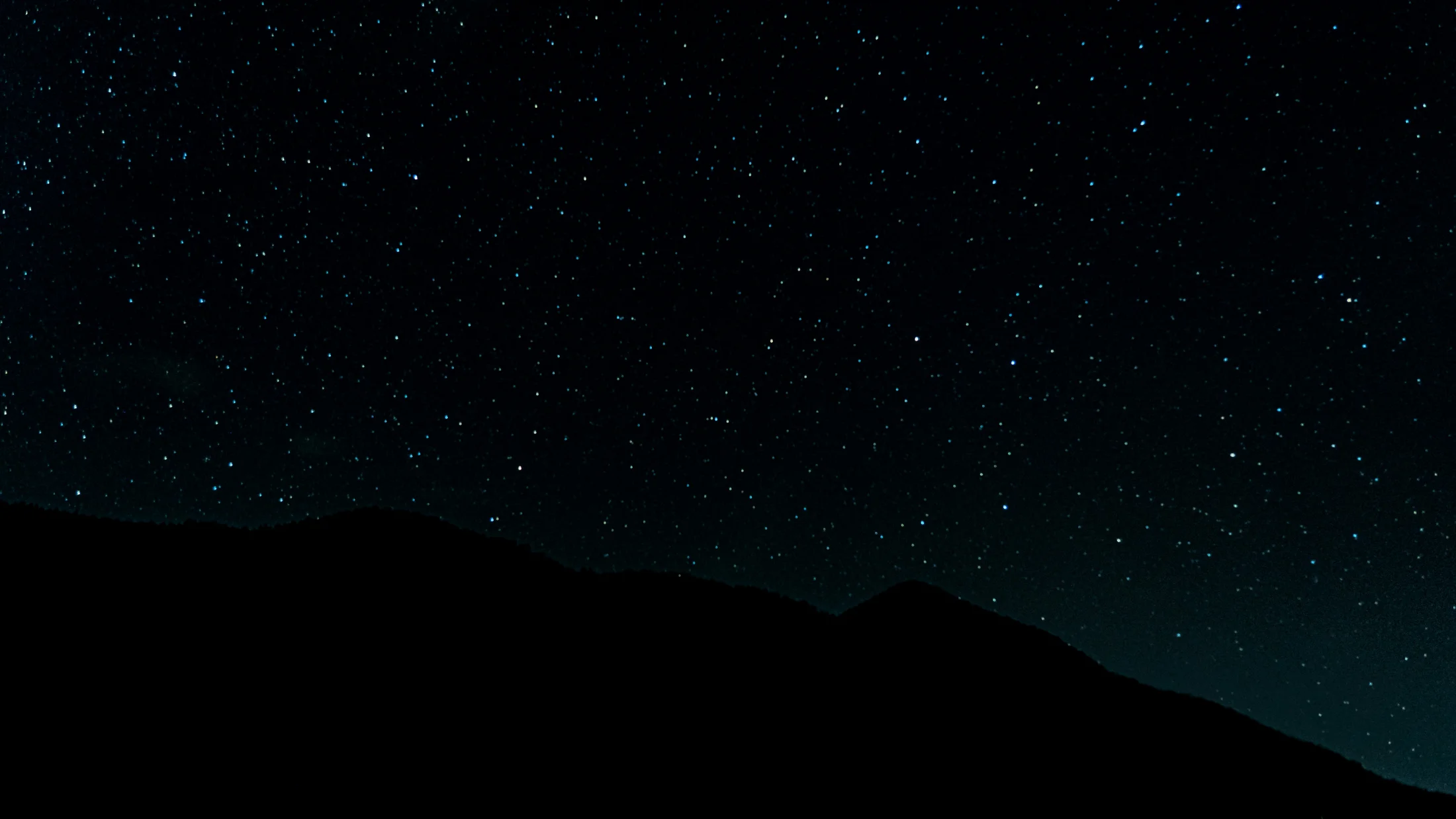
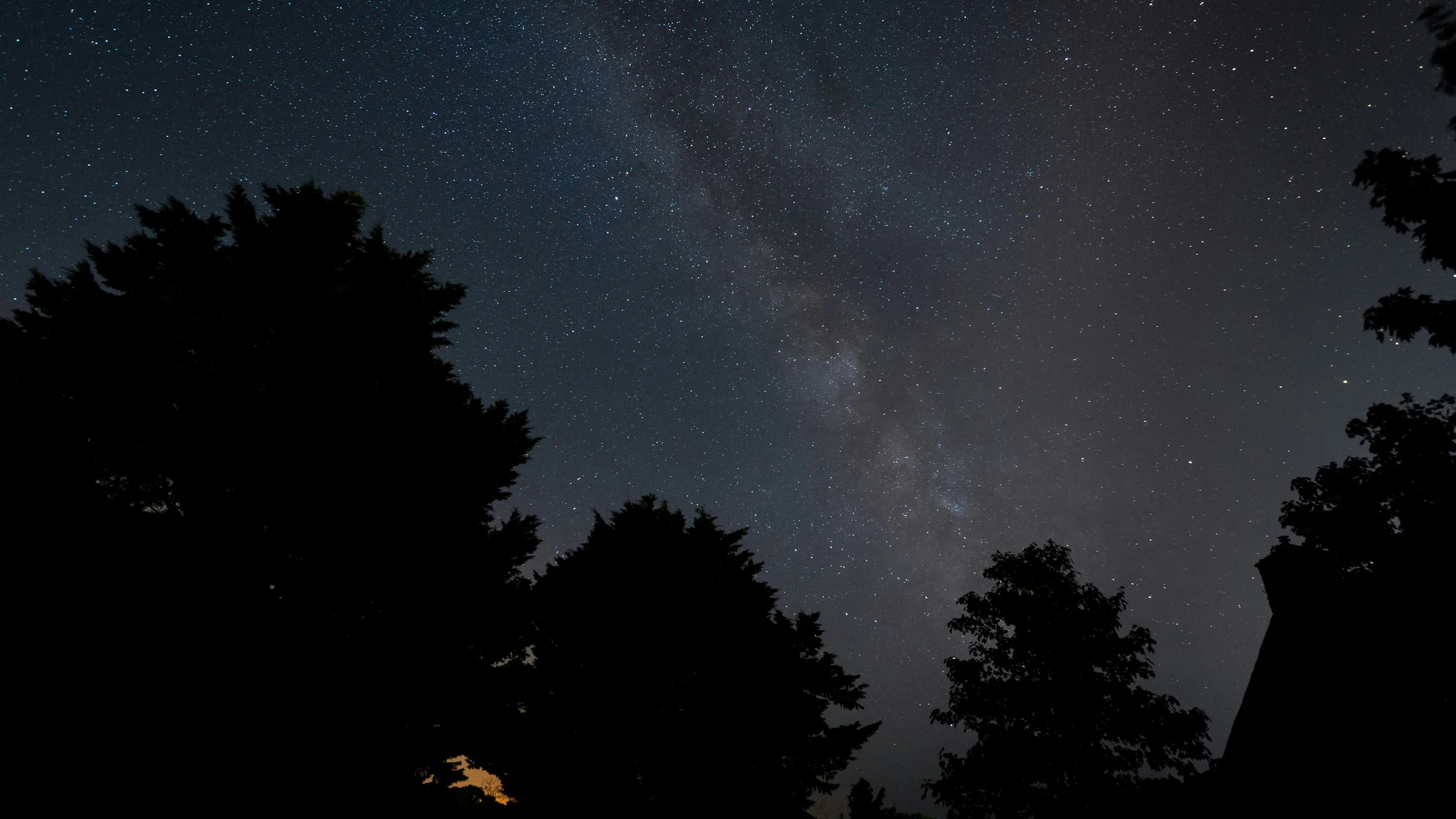
Spain’s mix of high peaks, oceanic islands, and wide plateaus makes astrotourism Spain a year-round possibility. You’ll find some of the cleanest night skies in Europe, protected by local laws and global certifications. Picture the Milky Way rising like a silver brushstroke over volcanic rock.
Astrotourism in Spain today
Astrotourism has grown fast as travelers seek quiet places to reconnect with nature at night. Spain concentrates a leading number of Starlight-certified areas worldwide according to Fundación Starlight, with major hubs in the Canary Islands, Castilla y León, Galicia, Andalucía, Aragón, and Valencia. Starlight Destinations and Reserves recognize places with excellent sky quality and active protection against light pollution, which means the air is clear, the horizon is dark, and artificial light is controlled. Think of “dark sky reserves Spain” as living observatories where local communities safeguard the night. For quick context, the Canary Islands’ “Ley del Cielo” (Law 31/1988) limits light, radio, and air pollution around observatories, making Tenerife and La Palma benchmarks in the field. A breeze that smells faintly of pine and rock dust can feel like the night itself is closer.
What you’ll find here
Below you’ll get 10 Starlight destinations Spain travelers love, each with: location and access, indicative prices (activities and stays), best times to go, who it suits, and what to do. Use the map section to link several stops into one trip and the quick-reading fields to compare options at a glance. If you want “where to see stars Spain” with confidence, this list narrows the choice so you can plan smart. The soft click of a tripod on bedrock becomes your countdown to first light.
Picuco te puede ayudar
Does something here catch your eye?
Tell us.
Write to us on WhatsApp or email: we answer questions, find the best options and help you sort out the booking.
10 Starlight Destinations Worth the Trip
Explore these best stargazing spots Spain offers, from Atlantic islands to Iberian sierras. Read each card as a self-contained plan: why it’s special, how to get there, what it costs, and when to go. The hush before moonrise feels like the land is holding its breath.
1.La Palma (roque de los Muchachos), Canary Islands
Roque de los Muchachos sits at 2,396 m on La Palma and hosts one of the world’s great observatory complexes. Starlight certification here reflects stable trade winds, low humidity, and an island “sky law” that controls lighting and flight paths; this is classic astrotourism where seeing the Milky Way naked-eye is common. High, cool air smells crisp, as if scrubbed clean by the Atlantic.
- Location and access: Airport
SPC(Santa Cruz de La Palma). DriveLP-4to Roque de los Muchachos viewpoint; allow 60–90 min from coast. - Indicative prices: Night tours and stargazing sessions 25–65 € p.p.; photo-focused outings 60–120 € p.p.; rural stays 60–150 € per room. Confirm with local operators or compare options on Picuco.
- Best time: Late spring to early autumn for stable weather; winter is superb but colder and windier.
- Ideal for: Aficionados, photographers, and travelers chasing “ver estrellas España” at altitude.
- What to do: Join guided sessions near official viewpoints, visit the visitor area by day, combine with Caldera de Taburiente hikes.
- Tips: Bring layers and a red-light headlamp; altitude can affect sleep and breath. Night access follows road rules; check any temporary restrictions and book tours early in peak season.
2.Teide National Park — Tenerife, Canary Islands
On the slopes of Mt. Teide (3,718 m), a sea of lava fields and dry air creates exceptional sky transparency. The park’s Starlight recognition and observatory infrastructure mean reliable, well-guided activities and easy logistics from major resorts. As twilight cools, pumice glows ochre like banked embers.
- Location and access: Drive from Puerto de la Cruz or Costa Adeje via
TF-21/TF-24; ample pullouts and viewpoints. - Indicative prices: Guided stargazing 30–70 € p.p.; cable car sunset experiences higher; rural stays around La Orotava/Vilaflor 70–160 € per room. Confirm latest prices with operators or on Picuco.
- Best time: Year-round; summer is dry and steady, winter offers crystal nights but colder winds and possible ice.
- Ideal for: Families, beginners, photographers wanting short walks to grand vistas.
- What to do: Attend evening talks with telescope views, stop at Roques de García, visit the Teide visitor center by day, and time sessions around moon phases.
- Tips: Altitude sun is intense—pack sunscreen and warm layers for night. Weather changes fast; check park advisories and road closures before ascending.
3.Ordesa y Monte Perdido National Park, Aragón
Ordesa’s strict protections keep noise low and skies clean, turning Pyrenean nights into quiet observatories. When wind drops in the valley, stars seem to pool above beech forests and limestone cliffs. The cold tastes of stone and snowmelt.
- Location and access: Trailheads at Torla-Ordesa; access controlled in high season, with shuttle buses to the Pradera.
- Indicative prices: Guided night walks or sky talks 20–45 € p.p.; mountain lodgings 70–140 € per room; campsites lower. Verify current rates locally or via Picuco.
- Best time: Late spring to early autumn; winter nights are superb but demand winter gear and experience.
- Ideal for: Hikers, nature lovers, and families who want protected “cielos oscuros España” after a day on the trail.
- What to do: Evening interpretive walks, stargazing from safe clearings near the Pradera, talks in nearby villages.
- Tips: Respect park rules; stick to established areas at night, bring red lights, and check if any permits or seasonal access limits apply. Mountain weather turns quickly—pack layers, maps, and let someone know your plan.
4.Cabrera Archipelago Maritime–terrestrial National Park, Balearic Islands
Cabrera’s remote islets, free from urban glare, offer sea-level darkness rare in the Mediterranean. You can pair a sunset boat ride with stargazing from a quiet cove or from the deck itself. Salt on the air makes the night feel luminous.
- Location and access: Boats depart from Colònia de Sant Jordi (Mallorca) with authorized operators; visitor limits apply.
- Indicative prices: Boat transfers/excursions 25–70 € p.p.; special night outings vary; limited accommodation in the park (simple refuges by permit) and stays on Mallorca 80–180 € per room. Confirm availability and prices.
- Best time: Late spring to early autumn for calmer seas; avoid strong Tramuntana days.
- Ideal for: Couples, photographers, and travelers seeking maritime astrotourism.
- What to do: Book sunset-to-night boat trips, observe from beaches near the port area, visit the small museum/interpretation points by day.
- Tips: Reserve boats well ahead—places are capped. Bring windproof layers and dry bags; check rules on staying after sunset and whether a permit or guided outing is required for late returns.
5.Peña Trevinca / Destino Trevinca, Galicia
On the Galician–León border, Trevinca rises above 2,000 m with hamlets that still value the rhythm of the night. Low population and careful lighting create a deep, velvety sky that regularly shows the Milky Way. The scent of broom and wet granite hangs in cool air.
- Location and access: Villages like A Veiga are typical bases; mountain roads lead to signposted viewpoints.
- Indicative prices: Rural houses 55–120 € per room; guided stargazing 20–50 € p.p.; photo workshops 60–110 € p.p. Confirm locally or via Picuco listings.
- Best time: Clear winter nights are pristine; late summer balances comfort and darkness.
- Ideal for: Families and beginners looking for gentle villages plus certified Starlight Destinations.
- What to do: Use local miradores, join community astronomy sessions, and pair with day hikes or lake visits.
- Tips: Weather shifts quickly—carry layers and check forecasts. Public transport is limited; plan car rental. Ask hosts about light etiquette and local star events.
6.Sierra de Gredos Starlight Reserve (navarredonda de Gredos), Ávila
Gredos balances high-country drama with excellent visitor facilities, earning its Starlight Reserve badge. Meadows, granite tors, and crystal air make the sky feel close and textured. Pine resin and cold grass give the night a mountain scent.
- Location and access: 2 hr by car from Madrid via
AP-51/N-110; bases in Navarredonda, Hoyos del Espino. - Indicative prices: Stargazing tours 25–50 € p.p.; rural inns 60–140 € per room; combined hike+night packages vary. Verify current offers on Picuco.
- Best time: Spring and autumn for balance of clarity and comfort; winter is sharp, with superb visibility.
- Ideal for: Hikers, families, and first-time observers seeking “reservas Starlight España” near Madrid.
- What to do: Day hikes to
PR-AVroutes, then evening telescope sessions at designated viewpoints or interpretation centers. - Tips: Bring warm layers even in summer; nights get cold. Choose moonless dates for deep-sky views, and check road/parking guidance for popular access points.
7.Sierra de Cádiz Starlight Destination (grazalema), Andalucía
Between white villages and karst peaks, Grazalema’s nights can turn inky when Atlantic fog stays at bay. The Starlight designation reflects local efforts to curb glare and celebrate night heritage. After dusk, lime-washed walls glow like quiet lanterns.
- Location and access: Reach from Ronda or Arcos de la Frontera; bases in Grazalema, Zahara de la Sierra.
- Indicative prices: Guided stargazing 20–45 € p.p.; rural stays 55–130 € per room; photo tours 60–110 € p.p. Confirm seasonally.
- Best time: Late summer to early autumn for stable clarity; spring brings wildflowers and cool, clear nights.
- Ideal for: Aficionados and travelers mixing limestone hikes, white-village culture, and skywatching.
- What to do: Use signed miradores above the valleys, join talks in town plazas, and pair with day caving or ridge walks.
- Tips: The “levante” and sea fog can blur views; watch forecasts and move slightly inland or higher if haze drifts in. Red-light headlamps help preserve night vision in village perimeters.
8.Los Pedroches Starlight Reserve (villanueva del Duque), Córdoba
Dehesa landscapes of holm oak open wide, and with little urban glow, Los Pedroches delivers tranquil, dark horizons. The Starlight Reserve reflects consistent night quality and local engagement through workshops and events. Dry earth after sunset smells sweet and loamy.
- Location and access: North of Córdoba; bases in Villanueva del Duque, Hinojosa del Duque.
- Indicative prices: Public stargazing 15–35 € p.p.; workshops 25–55 € p.p.; rural cortijos 60–130 € per room. Confirm with providers or via Picuco.
- Best time: Autumn and winter for the cleanest skies; spring balances mild temps and darkness.
- Ideal for: Families, schools, and newcomers who want gentle terrain and easy logistics.
- What to do: Evening sessions in municipal areas, telescope nights at farm clearings (with permission), and seasonal festivals linked to the sky.
- Tips: If observing from private land, get explicit permission. Arrive before full dark to set up safely; dehesa wildlife is active at night—keep noise low.
9.Atlantic Islands (cíes, Ons, Sálvora, Cortegada), Galicia
These granite islands sit just far enough offshore to escape mainland glare, giving beaches and cliffs a deep vault of stars. Ferry schedules shape your plan, but summer nights can be spectacular. The tang of kelp and spray lifts as the tide turns under Orion.
- Location and access: Boats from Vigo, Baiona, Bueu, O Grove (seasonal, capacity-limited); camping by permit on Cíes and Ons (summer).
- Indicative prices: Ferries 8–25 € p.p. each way (season-dependent); guided outings vary; camping fees modest; mainland stays 60–140 € per room. Confirm seasonal rates.
- Best time: Late spring to early autumn; aim for new moon windows and calm seas.
- Ideal for: Hikers and nature lovers pairing daytime coastal trails with night skies.
- What to do: Sunset hikes to island lighthouses, beach stargazing from dune edges, ranger talks in season.
- Tips: Visitor numbers are capped—book early. Take windproof layers and strict leave-no-trace habits; nesting seabirds and delicate dune systems need quiet and darkness.
10.Aras de los Olmos / Astronomical Center, Valencia
At the edge of the Serranía, Aras de los Olmos blends educational facilities with very dark skies. The Astronomical Center and local observatories anchor community-led activities that welcome all ages. Night air smells of thyme and cold limestone.
- Location and access: About 1.5–2 hr by car from Valencia via
CV-35then local roads; modest elevation and open horizons. - Indicative prices: Observatory visits and workshops 8–20 € p.p.; guided stargazing 15–45 € p.p.; rural houses 50–110 € per room. Check dates and prices in advance.
- Best time: Autumn and winter for crisp transparency; spring offers milder evenings and good galaxies.
- Ideal for: Families, school groups, and hobbyists seeking the best stargazing spots Spain with structured learning.
- What to do: Attend evening programs at the center, join public star parties, and add daytime geology or village routes.
- Tips: Reserve sessions—places can sell out on weekends and new moon. Bring binoculars for extra value and plan an early dinner; activities often begin just after dusk.
Map and Route Planning
Plot your route on an interactive map to string several Starlight spots into one efficient journey. Group islands (La Palma + Tenerife), Galicia (Trevinca + Atlantic Islands), or interior circuits (Gredos + Los Pedroches + Sierra de Cádiz) to reduce backtracking. As you pinch-zoom across the map, coastlines and contours look like constellations.
- Distances and times:
- Canary Islands: Inter-island flights are 30–50 min; ferries vary by route (1–3 hr). Road times to high-altitude viewpoints can be 60–90 min of mountain driving.
- Galicia: Ferries to Cíes/Ons are 20–45 min each way; Trevinca to Vigo is roughly 2.5–3.5 hr by car.
- Interior Spain: Madrid to Gredos ~2 hr; Gredos to Los Pedroches ~3–3.5 hr; Los Pedroches to Sierra de Cádiz ~2.5–3 hr.
- Tools:
- Use Google Maps for door-to-door times and ferry terminals.
- Check official Starlight area maps for designated viewpoints and interpretation centers.
- Seasonal optimization:
- Target new moon weeks; in summer, late starts are normal due to later darkness.
- In winter, earlier darkness allows family-friendly schedules and superb clarity.
Book stays near observation sites, reserve ferries and any night activities ahead, and keep one buffer night for weather. A thermos of hot tea makes night logistics feel like a small ritual.
Make Sense of Each Destination Card
Every card has five quick-reading fields that help you plan with confidence. Treat them as filters you can combine based on time, budget, and interests. The click of a compass lid can feel like starting a night’s work.
- Location and access: This tells you the nearest bases, roads, and any transport quirks (ferries, shuttles, altitude roads). If you see a code like
PR-AV, that’s a short local trail reference; it helps you align day hikes near your night spot. - Indicative prices: We separate activity and lodging to keep comparisons fair. Activities (group stargazing, workshops, photo tours) usually range 15–120 € per person; lodging swings wider by season and category. Always confirm updated prices with operators or compare offers on Picuco before booking.
- Best time: We weigh sky clarity, winds, humidity, and moon phase. “Year-round” means you can go any month, but we still recommend checking local patterns—e.g., Teide’s winter winds or Cabrera’s sea states. For deep-sky views, center trips on
new moon±3 days. - Ideal for: This is about comfort and expectations. Families and beginners enjoy places with short walks, visitor centers, and mild temperatures. Aficionados and photographers often prefer higher, drier sites with open horizons—even if colder or farther.
- What to do: These are the anchors of your plan—designated viewpoints, interpretation centers, and typical stargazing tours. If you mix day hikes, geology, villages, and food with the night session, your trip gains rhythm and resilience against weather.
Quick comparisons help:
| Situation | Good match |
|---|---|
| Short weekend from Madrid | Sierra de Gredos |
| Maritime sunset + stars | Cabrera or Atlantic Islands |
| High-altitude clarity | Roque de los Muchachos or Teide |
| Family-first facilities | Teide, Aras de los Olmos, Los Pedroches |
Lay these fields side by side to see which destination fits your calendar, comfort, and curiosity. A folded red cellophane over your torch keeps decisions gentle on the eyes.
How to Choose Your Starlight Destination
Start with your profile and constraints, then layer sky quality and logistics. Photographers often prioritize altitude and horizon openness (Teide, La Palma), while families may prefer mild temperatures and easy access (Los Pedroches, Aras de los Olmos). The gentle tick of a cooling car engine marks time between frames.
- Accessibility and time: If you have 2–3 days, pick a single hub (Gredos, Sierra de Cádiz). With a week, link two nearby areas (Trevinca + Rías Baixas) or do an island pair (Tenerife + La Palma).
- Season and weather: New moon weeks are best; in summer, plan later starts and extra water. Winter is clearest but demands layers and flexible driving plans.
- Budget: Group stargazing keeps costs low (15–45 € p.p.); private or photo tours cost more (60–120 € p.p.). Rural stays vary widely; shoulder seasons offer value.
- Experience mix: Combine day hikes, village visits, or geology centers so the trip works in any weather. A diverse plan saves the night if clouds roll in.
- Lower impact: Use red lights, keep voices low, stay on paths, pack out waste, and favor local businesses that limit light pollution. Protecting darkness keeps these places special for everyone.
Write down your must-haves, then choose the closest fit and book the core night activity first. After that, fill in days and backups around it like framing a constellation.
Frequently Asked Questions
What is a Starlight certification?
It’s an international accreditation by Fundación Starlight that evaluates sky quality, light pollution control, and community commitment. Categories include Starlight Reserves and Starlight Destinations, both ensuring dark, protected skies and visitor readiness.
How do I book stargazing tours in Spain?
Decide dates around the new moon, then reserve guided sessions, workshops, or photo outings with local operators. Compare availability and prices through Picuco or municipal tourism offices, and book early for weekends and summer.
What equipment do I need as a beginner?
Start with warm layers, sturdy shoes, and a red-light headlamp. Binoculars (e.g., 8x42) are perfect entry tools; guides supply telescopes for group sessions. A smartphone with a star app helps you orient quickly.
Is astrotourism safe for families with children?
Yes, if you choose short-access spots, dress warmly, and keep sessions under 90 minutes. Pick places with visitor centers or town bases (Teide, Aras de los Olmos, Los Pedroches) for easy facilities and earlier finishes.
Are there rules for night behavior and light use?
Use red light, dim screens, and avoid shining beams at others or wildlife. Keep to paths and quiet zones, especially in parks and dehesa landscapes. Respect private land—get permission before entering.
Do I need permits or special permissions?
Some parks control access by season (Ordesa shuttles), and islands limit visitors (Cabrera, Cíes/Ons). Check ferry tickets, road closures, and any time restrictions for night use. When in doubt, ask the local visitor center.
How do moon phases affect what I’ll see?
New moon is best for the Milky Way and faint nebulae. A half or full moon brightens landscapes for night photography but washes out deep-sky detail. Plan your target list—milky band vs. moonlit scenery—accordingly.
Can I go without a car?
In some areas yes (Tenerife base towns, Vigo–Cíes ferries), but many rural Starlight sites are easiest by car. If car-free, focus on islands with organized tours or towns with public transport plus guided pickups.
Book your experience — discover outdoor activities in Spain with Picuco-verified providers.
Conclusion
From high volcanoes to quiet dehesa, Spain’s nightscape offers diversity, protection, and hospitality in equal measure. Choosing one Starlight destination now—then building days and backups around a single new moon night—keeps planning simple and success likely. The soft arc of the Milky Way feels like a promise kept.
Remember the essentials: respect darkness, favor local hosts who care for the sky, and travel light on the land. If you’re ready, pick the destination that best fits your time and comfort, reserve a guided session, and let your first clear night set the rhythm for the rest. Good astrotourism protects the stars we come to see—and the communities who live under them.