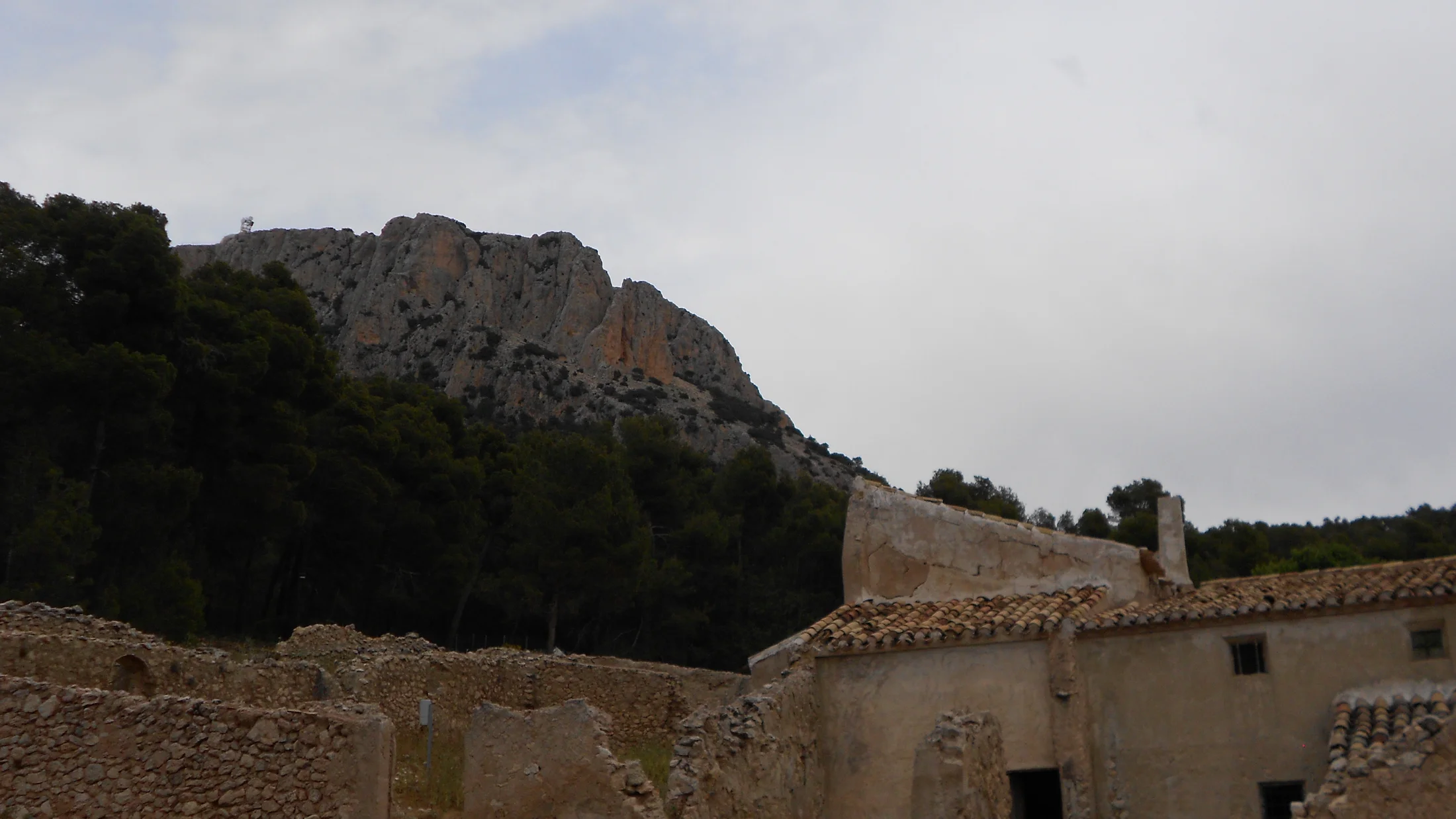
Why Murcia Is Your Next Active Escape
Murcia rewards curious travelers with mountains, warm seas, and dry ramblas shaped by sudden rains. If you are planning active tourism in Murcia, this guide brings ten nature experiences that balance adventure with safety and local knowledge. Dawn light over pines, salt flats, and ochre badlands makes boots itch to move. You will find practical details: where to go, how hard it is, when to visit, and how to book with local pros.
Why Murcia works for active days out
Few regions pack such variety into short drives: the Sierra Espuña pine forests, the open Mediterranean at Calblanque, and the braided dry riverbeds called ramblas. From Murcia city, most trailheads, coves, and bird reserves lie within 30–90 minutes by road or public transport. The climate stays mild through winter, and shoulder seasons offer empty paths and clear water. A breeze carrying rosemary and sea salt is often your only companion. Expect year‑round options, from mountain trekking to snorkel days, with cafés, gear shops, and rural stays close by.
What we considered and how to use this list
We selected these ten based on difficulty options, seasonal windows, availability of guides, indicative costs, access logistics, and sustainability practices. Think of difficulty as fitness plus terrain: a rocky grade or heat can change an “easy” into a “moderate.” The crunch of dry gravel underfoot signals when to slow your pace. Each experience includes quick facts—location, best season, ideal users, activities—and practical notes on getting there, safety, and price ranges (confirm with operators or consult Picuco for current offers). Use the bullet summaries to compare at a glance, then jump to planning with the map and check local rules for parks and reserves.
Picuco te puede ayudar
Does something here catch your eye?
Tell us.
Write to us on WhatsApp or email: we answer questions, find the best options and help you sort out the booking.
Map of Locations
To help you plan efficiently, we include a map with the ten experiences pinned across the region. It shows start points, recommended car parks, and public transport gateways where relevant. Tap once and you’ll see a clean ribbon of options unfolding across mountains and coast. You can zoom in on access tracks, identify alternative exits, and preview elevation for longer crossings. On mobile, download the routes in GPX before you drive, then switch to airplane mode to save battery on the trail. The sand‑warm wind on your screenless pause is a welcome guide. For planning at home, trace connections between coastal GR-92 segments, park entrances, and villages that offer food, water, and lodging. If you prefer guided days, note the nearest towns where certified operators run activities in season; you can shortlist by difficulty and cost while keeping the map open beside your calendar.
Active Tourism in Murcia: 10 Essential Nature Experiences
1.Sierra Espuña: hiking, Mtb and paragliding
Rising to 1,583 m at Morrón de Espuña, this regional park is a classic for Sierra Espuña hiking on pine‑scented ridgelines. From circular family paths to summit pushes and flowing MTB tracks, you can tailor your day. The hush of needles underfoot makes every step feel elastic. Launch sites above Alhama and Totana also host paragliding Murcia tandem flights with certified pilots.
- Location: Sierra Espuña Regional Park (Alhama de Murcia/Totana)
- Difficulty: easy to challenging (terrain rocky, heat adds complexity)
- Best season: March–June, September–November
- Ideal for: hikers, trail runners, cycling Murcia fans, first‑time paragliders
- Typical costs: MTB rental 20–40 € day; guided hike 25–40 € p.p.; tandem paragliding 80–120 € (confirm with operators)
Getting there: by car from Murcia city in 45–60 minutes via A‑7 to Alhama de Murcia, then signed park roads; regional buses serve Alhama, where taxis connect to trailheads. Always carry 2–3 liters of water in warm months and start early; resin and warm rock radiate heat by late morning. Respect park signage, stay on waymarked trails, and avoid fire risk periods. Local guides based in Alhama and Totana offer summit hikes, MTB skills, and tandem flights; compare availability and book through Picuco for verified options.
2.El Valle and Carrascoy: quick routes and viewpoints near the city
Just south of Murcia, El Valle and Carrascoy deliver fast escapes with short loops, skyline viewpoints, and family‑friendly paths. You can finish work, lace shoes, and be under holm oaks in minutes. Evening air smells of thyme as the city lights blink on below. It’s a go‑to for running, quick hikes, and casual cycling Murcia rides.
- Location: El Valle y Carrascoy Regional Park (south of Murcia)
- Difficulty: easy to moderate; short steep pitches to viewpoints
- Best time: sunrise or late afternoon; year‑round, avoid midday heat in summer
- Ideal for: families, beginners, runners, after‑work outings
- Highlights: Centro de Visitantes El Valle, Cresta del Gallo, Santuario de la Fuensanta
- Costs: free access; guided outings 15–30 € p.p.; bike rental 15–25 € day
Access: 15–25 minutes by car from Murcia; several city bus lines reach the sanctuary area—check timetables in advance and allow extra time to walk to trailheads. Start at official car parks to reduce erosion. For a sample loop, link the Cresta del Gallo ridge with the sanctuary via signed paths, adding spur viewpoints as energy allows. To avoid crowds, head out at dawn on weekends or choose mid‑week afternoons. Local guides and rental outfits in Murcia city offer technique sessions and family routes; reserve in advance during spring.
3.Sierra del Carche (jumilla): trekking, climbing and wine country
Above Jumilla, the Sierra del Carche peaks at around 1,372 m, offering quiet trekking ridges and limestone climbing sectors. Trails thread junipers and open rock terraces with broad views of vineyards. Sunlight on pale limestone glows like warm bread at sunset. After your hike or climb, enotourism options in Jumilla’s wineries pair terrain with terroir.
- Location: Sierra del Carche, near Jumilla
- Difficulty: moderate trekking; climbing grades for beginners to advanced
- Best season: October–May; avoid summer heat and midday exposure
- Ideal for: trekkers, climbers, wine‑curious travelers
- Logistics: parking near signed trailheads; lodging in Jumilla and rural casas
- Prices: guided trekking 25–40 € p.p.; intro climbing courses 45–70 €; winery visits/tastings 10–25 € (confirm with venues)
Getting there: from Murcia, drive 1–1.5 hours via A‑30 to Jumilla, then local roads to park perimeters; limited public transport reaches Jumilla—plan taxis for final access. Pack wind layers for ridge sections and 2 liters of water per person, more on warmer days. Choose established climbing sectors with bolted routes and follow local ethics; helmets recommended. Operators based in Jumilla and Yecla run guided hikes, climbing days, and vineyard visits—bookable via Picuco to coordinate schedules and transport.
4.Revolcadores and the northwest: traverses and wildlife
Revolcadores, capped by Pico de los Obispos at 2,015 m, crowns Murcia’s northwest with big‑sky traverses and quiet valleys. Multi‑day routes cross high pastures and forests where Iberian wildlife still finds refuge. In calm mornings, you may hear only cowbells and wind through broom. Expect lower temperatures than the coast and real mountain conditions.
- Location: Macizo de Revolcadores (Moratalla area)
- Difficulty: moderate to strenuous; multi‑day traverses require experience
- Best season: May–June and September–October; winter can bring ice/snow
- Ideal for: experienced trekkers, nature watchers, small groups
- Logistics: water sources are sparse—identify springs; basic shelters and rural stays in nearby villages
- Costs: guided wildlife walks 25–50 € p.p.; multi‑day trekking 60–100 € p.p./day (group size dependent)
Access: 1.5–2.5 hours by car from Murcia via C‑415 toward Caravaca/Moratalla; limited public transport reaches nearby towns—self‑drive advised. Carry maps or offline GPX, layers, and headlamps; sudden weather changes can occur. Permits are generally not required for hiking, but always check seasonal access advisories and fire risk restrictions. Naturalist guides offer bird and mammal observation with optics; you’ll learn to read tracks and habitats while minimizing disturbance.
5.San Pedro del Pinatar salt flats: birdwatching and gentle watersports
The Parque Regional Salinas y Arenales de San Pedro del Pinatar shines with boardwalks, vistas, and easy lagoons. Flamingos and shorebirds feed in shallow pools framed by white mounds of salt. The breeze smells faintly briny as terns flicker over pink water. Calm inner waters suit paddleboarding and beginner windsurf days.
- Location: North end of Mar Menor, San Pedro del Pinatar
- Difficulty: easy, flat walks; beginner watersports in sheltered zones
- Best season for birds: late summer to winter; spring migration also active
- Ideal for: families, photographers, first‑timers on boards
- Facilities: visitor center, signed trails, beaches, designated viewing spots
- Costs: SUP/kayak rentals 15–30 €/hour; birdwatching tours 20–40 € p.p.
Access: about 50–60 minutes by car from Murcia via AP‑7 or N‑332; regular buses run from Murcia city to San Pedro town, with a short walk or taxi to park entrances. Respect signage: no entering salt ponds, keep to paths, and avoid disturbing birds during breeding. For watersports, operators run sessions on the Mar Menor’s leeward shores; always check wind forecasts and wear buoyancy aids. Photographers will love golden hour at the viewing points—zoom lenses help you keep a respectful distance.
6.Calblanque, Monte de las Cenizas and Peña del Águila: wild coast and sea kayaking
Calblanque’s protected coastline offers dune‑backed beaches, fossil cliffs, and crystal coves. It’s an ideal base for Calblanque sea kayaking, coastal walks, and easy snorkel sessions in calm conditions. The slap of gentle swell against the kayak hull sets an unhurried rhythm. Summer access is regulated—shuttle buses replace private cars at peak times to protect the dunes.
- Location: Calblanque Regional Park (Cartagena area)
- Difficulty: easy to moderate on trails; kayaking requires basic fitness and calm seas
- Best season: May–June and September–October; mornings in summer
- Ideal for: couples, families, coastal hikers, beginners with guides
- Activities: kayak outings, snorkel from shore, segments of coastal
GR-92 - Costs: guided kayak tours 30–45 €; snorkel sets 10–15 € rental
Access: 20–30 minutes from Cartagena by car; in summer, park at designated lots and use the shuttle to beaches—bring cash/card and check schedules. Choose sheltered routes for kayaking; a certified guide will assess wind, swell, and entry/exit points. Bring reef‑safe sunscreen and never step on seagrass meadows. Stick to marked paths to avoid dune damage and pack out all waste. Several local operators run small‑group kayak and snorkel tours—reserve ahead in high season.
7.Cabo de Palos and La Manga: diving and snorkel in marine reserves
The marine reserve around Cabo de Palos and Islas Hormigas is renowned for marine life and historic wrecks. Clear visibility and currents support rich habitats for both beginners and certified divers. Sunlit fish clouds scatter like glitter as you fin past rocky ledges. Snorkel from coves on quiet days or book a try‑dive from the harbor.
- Location: Cabo de Palos, south of La Manga
- Difficulty: snorkel easy; diving ranges from try‑dives to advanced
- Best season: May–October; water warmest July–September
- Ideal for: first‑time divers, photographers, experienced wreck fans
- Conditions: visibility often 15–30 m; currents possible near reserve limits
- Prices: snorkel tours 20–35 €; try‑dive 70–95 €; certified dives 35–50 € per dive (plus equipment)
Access: 45–60 minutes from Murcia by car; frequent buses connect Cartagena and La Manga with Cabo de Palos. Reserve with a licensed center—numbers on boats are limited under the reserve’s rules. Follow briefings carefully: hand signals, buoyancy control, and no touching wildlife or artifacts. Non‑divers can walk the lighthouse headland and swim sheltered coves; consider pairing a morning dive with an afternoon coastal walk or kayak in nearby Calblanque.
8.Gebas badlands and Campo de Cartagena: photography and authorized 4x4
The badlands of Barrancos de Gebas and the wider Campo de Cartagena sculpt a lunar palette of gullies, ridges, and turquoise reservoir views. Photographers catch long shadows across clay spines at sunrise and sunset. Dry earth crumbles like chalk under gentle steps. Geological trails explore erosion patterns, while authorized 4x4 routes—with permits and guides—reach panoramic points responsibly.
- Location: Barrancos de Gebas (near Alhama de Murcia) and Campo de Cartagena
- Difficulty: easy to moderate; exposed sun, unstable clay after rain
- Best light: golden hours; avoid midday glare in summer
- Ideal for: landscape photographers, geology‑curious walkers, small groups
- Permissions: 4x4 only on authorized tracks with permits/guides; drones restricted
- Costs: guided photo walks 20–40 € p.p.; 4x4 tours 40–65 € p.p.
Access: 45–70 minutes by car from Murcia; public transport reaches nearby towns but not trailheads—self‑drive or guided tours recommended. Wear grippy shoes and carry sun protection and water; clay becomes slippery when wet—defer visits after heavy rain. Follow signage to official viewpoints and avoid stepping on vegetation islands that stabilize slopes. Local operators provide permitted off‑road routes, natural history context, and safe vantage points without damaging fragile soils.
9.Arid ramblas: dry‑river geology and endemic flora
Murcia’s ramblas—dry riverbeds that flood episodically—offer stark beauty, layered sediments, and niche microhabitats. Walking here reveals geology like pages in an open book. The silence of a windless arroyo feels thick as felt. Spring brings short blooms; autumn light enhances relief in the carved banks.
- Location: selected ramblas in interior Murcia (e.g., near Fortuna, Abanilla, Moratalla)
- Difficulty: easy terrain but exposure to sun; occasional scrambling in cut banks
- Best season: October–April; early spring for flowers after rains
- Ideal for: families with older kids, geology and botany enthusiasts
- Hazards: flash floods after storms—never enter with rain forecast
- Costs: guided botany/geology walks 20–45 € p.p.
Access: usually 30–90 minutes by car from Murcia, depending on the rambla; parking on stable, legal pull‑outs away from the channel. Carry ample water, hats, and long sleeves; sand and pale rock magnify heat. Teach kids Leave No Trace basics: avoid carving initials or collecting fossils. Specialist guides interpret strata, crusts, and endemic plants adapted to salt and drought, turning a simple walk into a field lesson.
10.Cartagena and Sierra Minera: via ferrata, caving and industrial heritage
Between Cartagena and La Unión, the Sierra Minera blends adventure routes with restored mining sites. Via ferrata—protected climbing routes with fixed cables and rungs—let beginners feel vertical exposure in controlled settings. Metal rungs warm quickly under the sun like stove rails. Easy caving in accessible cavities adds a cool‑air contrast to the day, and heritage centers explain the mining past.
- Location: Sierra Minera (Cartagena–La Unión corridor)
- Difficulty: via ferrata from beginner to intermediate; caving in non‑technical caves
- Best season: October–May; avoid midday heat in summer
- Ideal for: adventurous couples and groups, families with teens
- Safety: helmets, harnesses, lanyards for via ferrata; headlamps and guide for caves
- Costs: guided via ferrata 45–65 € p.p.; introductory caving 35–55 € p.p.; heritage site entries 3–10 €
Access: 15–30 minutes from Cartagena by car or local train/bus to La Unión plus short transfers. Only attempt via ferratas with proper gear and weather checks; a certified guide manages route choice, briefings, and crowding at anchors. Combine a morning ferrata with an afternoon visit to mining museums or viewpoints for a full picture of landscape and community. Operators in Cartagena/La Unión run small‑group outings and can bundle activities and transport—reserve ahead in peak weekends.
How to Choose the Right Plan for You
Start by mapping your fitness, time, and season to the terrain you want. A calm morning breeze might mean kayaking at Calblanque, while a cool autumn day suits a Sierra Espuña ridge. Then set expectations on cost and logistics to avoid rushed moves. Use the quick facts in each section to shortlist, then refine with the checklist below.
- Fitness and experience:
- New to the activity? Choose guided options and beginner terrain.
- Heat sensitivity? Prefer coastal mornings or shaded forest trails.
- Comfortable with exposure? Consider via ferrata or higher ridges.
- Time available:
- Half‑day: El Valle viewpoints, San Pedro del Pinatar boardwalks, Calblanque snorkel.
- Full day: Sierra Espuña hiking loop, Cabo de Palos try‑dive, Gebas photo hike.
- Weekend: Revolcadores traverse plus rural stay; Carche trekking with winery visit.
- Budget:
- Free/low cost: self‑guided hikes and snorkel from shore.
- Mid: guided hikes/kayak (20–45 € p.p.).
- Higher: diving, tandem paragliding, multi‑day guided treks (50–120 € p.p.).
- Season and weather:
- Summer: coastal mornings, shaded forests, regulated beach access.
- Spring/Autumn: most activities shine; carry layers in mountains.
- Winter: birdwatching, low‑elevation hikes; occasional mountain ice.
- Logistics:
- Transport: public buses reach many coastal towns; mountains often need self‑drive.
- Lodging: base in Murcia, Cartagena, Jumilla, or rural casas near trailheads.
- Gear: rent locally for bikes, snorkel, kayaks, via ferrata sets; guides include equipment.
Sample itineraries:
- Half‑day family plan: Morning boardwalk and birdwatching at San Pedro del Pinatar; optional SUP on calm lagoon; picnic at signed area. Keep kids engaged by spotting flamingos and shell patterns.
- Full‑day active pair: Early Sierra Espuña loop to a viewpoint (moderate), lunch in Alhama, late‑afternoon MTB or a gentle recovery walk at El Valle.
- Weekend adventure group: Saturday via ferrata in Sierra Minera (guided), afternoon mining heritage visit; Sunday Calblanque kayak and snorkel, finishing with a seaside meal.
Guides and insurance: For technical or unfamiliar activities—diving, via ferrata, caving, canyoning Murcia—opt for certified guides. Verify coverage for adventure sports in your travel insurance, and request operator liability details. Reading the wind, swell, and heat index is part of good decision‑making; let professionals handle the calls so you can focus on the experience.
Frequently Asked Questions
Is it safe to practice outdoor activities in Murcia?
Yes, with basic planning: start early in warm months, carry enough water, use sun protection, and choose routes within your level. Certified guides add safety margins for technical sports.
Do I need permits in parks or for specific activities?
Most hikes require no permits, but parks may regulate vehicle access in summer and restrict off‑trail travel. For 4x4, drones, diving in reserves, or organized groups, check official rules or book with licensed operators.
What is the best season for active plans?
Spring and autumn balance mild temperatures and fewer crowds. Winter offers birdwatching and low mountain days; summer is great for early coastal outings and shaded forests, avoiding midday heat.
Can I get there without a car?
Partially. Trains and buses connect Murcia city with Cartagena, La Manga, and San Pedro del Pinatar. Mountain parks often require self‑drive or a shuttle/taxi from the nearest town; guides can arrange transfers.
Are these activities suitable for families with kids?
Yes—choose flat walks (San Pedro salt flats), short viewpoint loops (El Valle), calm‑water snorkel, and beginner kayak tours. For via ferrata or caving, minimum ages apply; ask operators in advance.
Can I bring my dog?
Dogs are allowed on many trails if leashed, but some parks and beaches have seasonal restrictions. Avoid sensitive areas like dunes and bird nesting zones, and carry water for your pet.
Where can I rent equipment?
You can rent bikes, snorkel sets, kayaks, and via ferrata gear in Murcia, Cartagena, and coastal towns in season. For technical activities, rentals typically come bundled with guided outings for safety.
How hot does it get on the trails?
From late spring to early autumn, temperatures can exceed 30°C at low elevations. Start at dawn, seek shade, and plan shorter loops; mountains are cooler but still require sun and hydration management.
Reserve your experience — discover active tourism activities in Spain with Picuco-verified providers.
Conclusion
Mountains, lagoons, and ramblas put adventure within easy reach in Murcia, from pine ridges to clear coves and clay badlands. Choose your level, season, and pace, and you will find an experience that fits your time and budget. The smell of resin, salt, and sun‑warmed dust lingers long after you leave. To go deeper or try technical sports—diving, paragliding, via ferrata—book certified local guides and confirm details before you travel. Use our map to download GPX files, check seasonal access rules for parks and beaches, and pack for heat, wind, and changing mountain conditions. If you prefer simplicity, explore options on Picuco where verified operators list small‑group outings across the region. With care for trails, wildlife, and the communities that steward these landscapes, active tourism in Murcia becomes a set of memorable, responsible days out you’ll want to repeat.