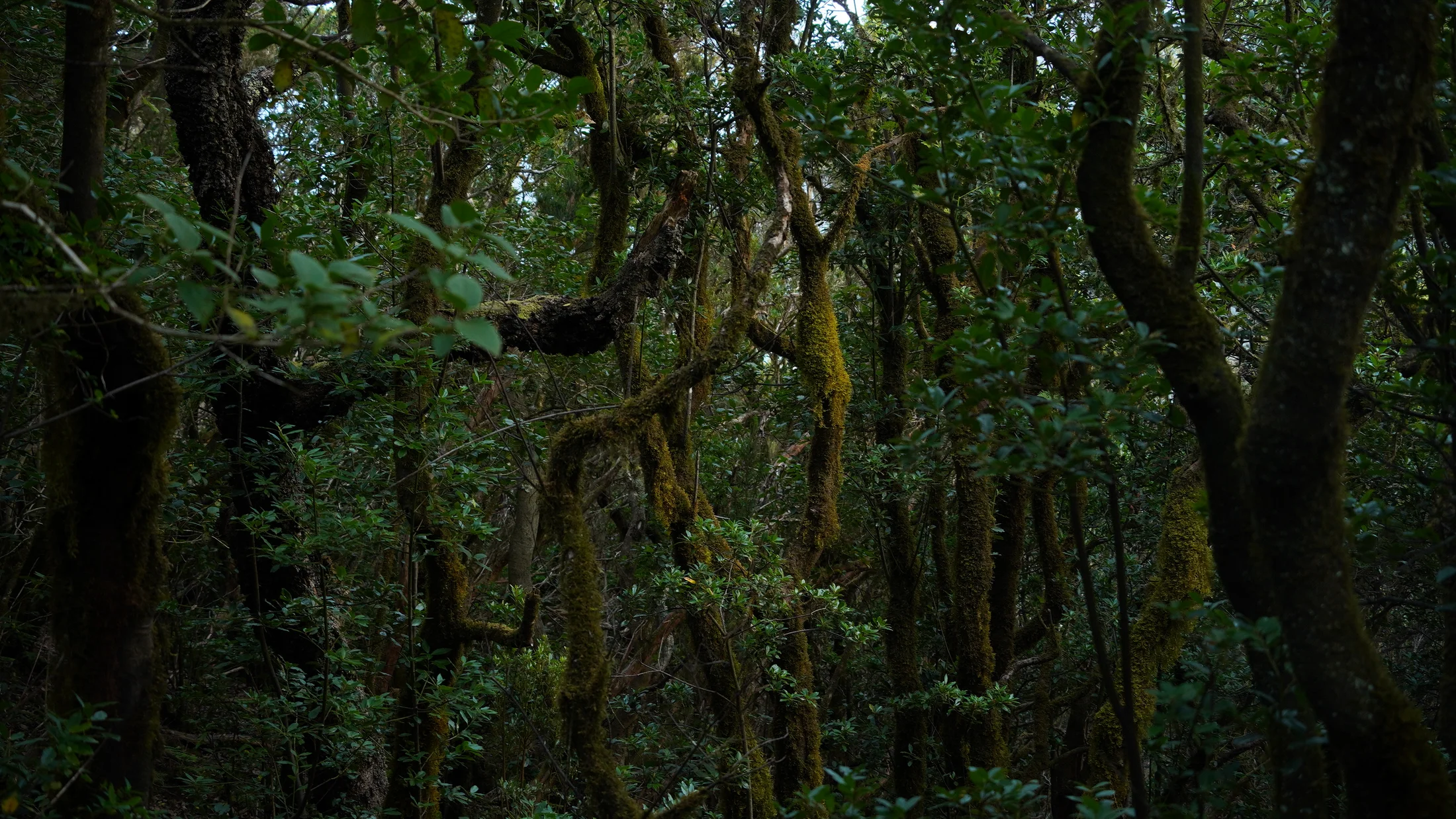
Why Autumn Forests in Spain Are Worth Your Trip
Autumn forests in Spain transform familiar mountains into living mosaics of amber, copper and gold. Between late September and November, beech, oak and chestnut woods burn briefly with color while the air cools and paths empty, offering a reset for body and mind. AEMET, Spain’s official meteorological agency, confirms that temperature drops after equinox accelerate leaf pigments, so the season’s spectacle is as scientific as it is poetic. Imagine a soft hush under damp leaves, with the light filtered like honey through the canopy.
You’ll find three great families here: beech forests in Spain thriving in the north and highlands, oak forests in Spain spreading widely across Atlantic slopes and mid-mountains, and chestnut forests in Spain ringing valleys where people have cultivated them for centuries. Each paints the landscape differently: beeches glow uniform gold, oaks layer russet and bronze, and chestnuts throw big, glossy leaves that crunch like parchment. This guide curates ten magical forests in Spain for autumn hiking, balancing beauty with access, and mixing renowned spots with quieter corners kept alive by local communities.
You’ll get clear guidance on where and when to go, how altitude and climate shift the “golden week,” and how to reach trailheads by car or public transport. For each forest, we outline distances, parking or permit needs, path difficulty, and the best light for photos. We point you to rural stays and paradores nearby, suggest responsible mushroom and chestnut outings, and share safety basics so your day runs smoothly. Think of this not as a checklist, but as a map to experiences: a morning walk to an ancient beech, a picnic by a stream, a village lunch with chestnut stew. Lace up, choose a region, and let the leaves set the pace.
Picuco te puede ayudar
Does something here catch your eye?
Tell us.
Write to us on WhatsApp or email: we answer questions, find the best options and help you sort out the booking.
Key Facts: Where They Are and When to Go
Location by regions and forest types
Spain’s autumn color belts follow altitude, rainfall, and tradition. In the Atlantic and Cantabrian ranges (Galicia, Asturias, Cantabria, Basque Country, northern Navarra), rainfall and cool air favor beech and oak: the Selva de Irati (Navarra) mixes beech and fir, while the Basque valleys hold mixed oak woods and the artistic Bosque de Oma. Picture ridge lines striped with copper, then slipping to deep green conifers in the folds.
- Northern ranges and Pyrenees:
- Beech forests (bosques de haya España): Selva de Irati (Navarra), Hayedo de Aztaparreta (Navarra), beech patches in Aragonese Pyrenees.
- Oak forests (bosques de robles España): low to mid slopes in Bizkaia and Gipuzkoa, valleys of Cantabria and Asturias.
- Castilla y León and Sistema Cantábrico:
- Beech: Faedo de Ciñera (León) and enclaves in northern Burgos and Palencia.
- Oak: Los Ancares (León/Lugo), Sierra de la Demanda (Burgos/Soria).
- Chestnut: Bierzo (León) and foothill valleys with historic groves.
- Sistema Central (Sierra de Guadarrama, Gredos) and Madrid:
- Beech: Hayedo de Montejo (Madrid), Hayedo de Tejera Negra (Guadalajara).
- Chestnut: Candeleda and El Tiemblo (Ávila), Valle del Jerte (Cáceres) nearby.
- Sistema Ibérico:
- Oak and mixed: Cameros (La Rioja), Moncayo foothills (Soria/Zaragoza), Urbión ranges.
- Extremadura:
- Chestnut forests (bosques de castaños España): Valle de Ambroz (Cáceres, Castañar de Hervás), Sierra de Gata and Hurdes.
If you’re choosing by travel time, Madrid offers quick access to Montejo, Tejera Negra, and El Tiemblo; Bilbao and San Sebastián open doors to Oma and Basque oak woods; Pamplona reaches Irati in 1.5–2 hours.
Best time and how altitude shifts color
Color windows run roughly late September to mid-November, but altitude, slope orientation, and rainfall move the needle. Rule of thumb: for every 300–400 m of elevation gain, peak color advances by about a week. North-facing slopes (umbrias) hold moisture and turn later; south-facing (solanas) peak earlier. Think of it as an amber tide rising down the mountain.
- Beeches (hayedos): Peak from mid-October to early November, earlier in high Pyrenees (1,200–1,600 m) and later in lower enclaves (800–1,100 m) like Montejo.
- Oaks (robledales): More gradual, from early to mid-November in mid-altitude ranges (900–1,300 m), with rich bronze tones persisting after beech leaves fall.
- Chestnuts (castañares): Often flash early to mid-October at 700–1,100 m, with leaf carpets lasting into early November; fruiting coincides with local festivals.
To catch the “golden week,” check:
- AEMET’s 7–10 day forecasts for night temps and rainfall.
- Park or tourism feeds (e.g., Gobierno de Navarra for Irati; Junta de Castilla y León for Tejera Negra access).
- Local photo groups on social media that post color updates.
Book parking or guided entries in advance for Montejo, Tejera Negra, and El Tiemblo on peak weekends. For long weekends (puentes), secure rural stays 2–4 weeks ahead. Early morning starts beat crowds and give low, warm light that makes trunks glow like old copper.
Getting There and Where to Stay
How to get there: public transport and car
Reaching autumn trailheads in Spain combines mainline access with a short rural hop. Major cities link by train or bus to nearby towns, then a taxi or local bus covers the last 10–25 km. Expect quiet roads, limited weekend services, and short forest tracks to signed parkings. The first breath of cold air when you open the car door sets the day’s rhythm.
- From Madrid:
- To Hayedo de Montejo and Tejera Negra: Car via A-1 or A-2 is most practical. Weekend parking quotas apply; reserve where required.
- To El Tiemblo: AVE/ALVIA to Ávila, then bus/taxi to El Tiemblo; car via AP-6/N-403 is faster.
- From Pamplona (Pamplona/Iruña):
- To Selva de Irati: Drive via Ochagavía (Otsagabia) or Orbaizeta; parking at Casas de Irati may charge a small fee in season.
- From Oviedo/León:
- To Faedo de Ciñera and Ancares: Regional trains/buses to Ciñera or Villablino, then taxi; car allows flexibility on mountain roads.
- To Muniellos: Car is essential; remote valleys, reserved entry.
- From Bilbao/Donostia:
- To Oma: Bus/train to Gernika, then taxi to Kortezubi; signed path to the forest.
Driving pros:
- Flexibility for dawn starts and side trips to villages.
- Trunk space for boots, layers, and picnic. Public transport pros:
- Lower impact, easy for linear hikes ending in villages.
Last-mile notes:
- Forest tracks are usually short and passable; heed closures.
- Car parks can fill by 10:00 on peak weekends; arrive early.
- Bring offline maps; coverage fades under thick canopy.
Search trick: Type “nearest station + forest name” or check municipal websites for “cómo llegar” pages.
Places to stay near the forests
Autumn weekends book fast in small mountain towns, but your options range from cozy casas rurales to state-run paradores and simple campings. After a cool hike, a warm dining room and a bowl of chestnut soup feel like a homecoming.
- Casas rurales:
- Scattered in villages within 10–25 minutes of trailheads.
- Ideal for families and groups, kitchens for early breakfasts.
- Look for late check-in, parking, and heating specifics.
- Paradores and boutique hotels:
- Good bases near Gredos, León/Bierzo, or coastal Bizkaia.
- On-site restaurants simplify post-hike dinners.
- Campings and bungalows:
- Often set in river valleys with autumn color corridors.
- Verify end-of-season dates and heating in bungalows.
Booking tips:
- Reserve 2–4 weeks ahead for October–early November.
- Prioritize location over luxury; shaving 20 minutes of mountain roads at dawn pays off.
- Ask about breakfast hours and picnic options for early starts.
- Confirm parking and distance to the nearest signed trailhead.
Responsible stays:
- Choose hosts engaged in local forestry or chestnut traditions—your euros help sustain pruning, trail upkeep, and small-town life.
- Keep noise low at night; many villages rise early for farm work.
- For updated lodging lists, check regional tourism boards or Picuco’s regional pages and compare by distance and amenities.
Ten Autumn Forests You Should See
1.Hayedo de Montejo: beech sanctuary near Madrid
Just 100 km north of Madrid, Hayedo de Montejo sits in the Sierra del Rincón Biosphere Reserve where beech meets Mediterranean species at an unusual latitude. The beech here turns a rich gold between mid-October and early November, the color like a candlelit hall under a high, quiet canopy.
Why it’s special:
- Southernmost prime beech enclave in Spain, at around 1,200 m.
- Compact, immersive walks along the Jarama riverbanks.
Routes and access:
- Entry is free but controlled by mandatory guided visits; book via the Reserve’s official system in season.
- Typical routes are 1.5–3.5 km, family-friendly, on good paths with little elevation.
- Car access via A-1 to Buitrago del Lozoya, then local roads; parking is limited near the visitor center.
Best light and tips:
- Go early for soft light on trunks and river reflections; overcast days make oranges and golds pop.
- Weekdays reduce pressure; on weekends, permits can sell out days ahead.
- Combine with nearby villages (La Hiruela, Montejo de la Sierra) for local honey and woodcraft traditions.
Practical:
- Wear waterproof shoes; fallen leaves can hide damp roots.
- Check Comunidad de Madrid channels for any access updates.
2.Selva de Irati: one of Europe’s largest beech-fir forests
The Selva de Irati in Navarra spans roughly 17,000 hectares of beech and silver fir, forming one of Europe’s most extensive continuous beech-fir masses according to the Government of Navarra. When the first frosts arrive, entire hillsides shift to gold as mist hangs low in the valleys.
Access and bases:
- Main gates via Ochagavía (Otsagabia) to Casas de Irati and via Orbaizeta near the old munitions factory.
- Parking may be regulated and fee-based in peak season; arrive early on weekends.
- Pamplona is about 85–110 km away depending on access point.
Routes for all levels:
- Well-signed circuits from Casas de Irati offer 3–9 km loops on good tracks; families can manage shorter options.
- Longer ridge walks reward with sweeping views toward the Pyrenees.
Best time and photos:
- Mid-October to early November typically hits peak for beech; firs stay green, heightening the contrast.
- Low morning light rakes through trunks; on cloudy days, colors saturate evenly.
Conservation and respect:
- Stick to marked paths; soils are sensitive after rains.
- Local communities manage seasonal use; respect closures and parking rules, and consider off-peak visits to spread impact.
3.Hayedo de Tejera Negra: fairytale colors in Guadalajara
In the Sierra Norte de Guadalajara Natural Park, Tejera Negra unfurls on old glacial valleys at 1,300–1,700 m. The beech leaves here layer gold upon copper, while cold air pools at dawn and dew beads on moss like tiny lanterns.
Routes and logistics:
- Two signed classics: Senda de Carretas (~6 km, circular, easy-moderate) and Senda del Robledal (~17 km, moderate, wilder feel).
- Autumn weekends require advance parking reservation via the regional system; quotas reduce pressure on tracks.
- Access via Cantalojas on local roads; expect frost in early mornings.
When to go:
- Beech peak usually runs mid-October to early November, a touch earlier than Montejo due to altitude.
- Start early; Senda de Carretas gets popular by late morning.
Photography notes:
- Early light glows through narrow valley bottoms; after 11:00, head to open sections for canopy shots.
- Overcast days help reduce harsh contrasts under dense beech.
Why it stands out:
- Classic beech forest structure with excellent signage and a choice of loop lengths for mixed groups.
- Nearby black slate villages preserve mountain architecture—stop for a warm meal and stories of woodcutters and herders.
4.Faedo de Ciñera: a small, perfect beechwood in León
Near Ciñera de Gordón (León), the Faedo is a compact beech forest where ancient trees sway over a limestone gorge. The star is a venerable beech believed to be several centuries old, its trunk scarred by time, beneath a canopy that turns to liquid gold in late October.
Access and trails:
- Easy trailheads from Ciñera, with a short 4–6 km round trip following wooden walkways and a gorge path.
- Good for families and low-impact walkers; sturdy shoes recommended as roots and stones get slick after rain.
Timing and light:
- Peak color late October to early November; cool nights set the palette.
- Visit mid-morning to catch sun filtering into the gorge; foggy days make the mossy stones look luminous.
Community and pairing:
- Combine with nearby mining villages and León’s mountain cuisine; locals keep paths tidy and share the history of the valley.
- Respect private pastures and gates; the landscape is a patchwork of common and private use.
Why it’s a must:
- Intimate scale, accessible route, and a signature old beech make it an archetype of Spain’s beech forests in autumn.
- Quiet weekday visits reveal birdsong and the soft hiss of leaves falling to the gorge stream.
5.Hayedo de Peloño: vast beech ridges in Ponga (asturias)
The Hayedo de Peloño spreads across the Ponga Natural Park (Asturias), one of the largest and best-conserved beechwoods in the Cantabrian Mountains. As October advances, entire slopes drip with gold, while the scent of damp leaf litter rises after light showers.
Access and route ideas:
- Classic approach from Viego/Viegu or San Juan de Beleño with trails toward Collado Grenciella.
- Expect a full-day outing for panoramic circuits; shorter in-and-out walks still deliver deep beech immersion.
Season and weather:
- Peak often from mid- to late October due to Atlantic humidity at 1,000–1,400 m.
- Mountain weather shifts quickly—check forecasts and carry warm layers, hat, and gloves.
Why go:
- Broad, less-crowded ridges compared to more famous groves, with a sense of uninterrupted canopy.
- The surrounding villages keep chestnut traditions alive; ask about seasonal dishes and modest local festivals.
Practical:
- Car access via winding mountain roads; start early and drive slow.
- Trails can be muddy after rain; trekking poles help on leaf-covered descents.
Note: Though close to the Redes area, Peloño’s core lies in Ponga Natural Park, part of a UNESCO Biosphere Reserve network in Asturias.
6.Bosque de Muniellos: primeval oak reserve in Asturias
Muniellos is Spain’s emblematic oak forest—an Integral Nature Reserve where access is strictly limited to protect an ancient ecosystem. With a daily quota of just 20 visitors, every step feels like a privilege as the canopy shifts from green to bronze by early November.
Access and permits:
- Advance reservation is mandatory through the Principality of Asturias; slots book out weeks ahead in autumn.
- The main circuit is a demanding full-day loop (~20 km) with significant elevation; fit hikers only.
Why it’s unique:
- One of the best-conserved sessile oak forests on the Iberian Peninsula, embedded in a UNESCO Biosphere Reserve.
- The reserve protects sensitive flora, streams, and wildlife; deer rut calls can echo in early autumn.
Best time and conditions:
- Peak oak color often runs late October to early November; beeches in nearby valleys may peak earlier.
- Weather can be wet and cold; waterproof boots and layers are essential.
Respect and safety:
- Stick to the signed route; leaving the path is prohibited.
- Carry headlamp, map, and plenty of food/water; mobile coverage is patchy.
A sensory pause: under the oak vault, each step on thick leaf litter is a muffled drumbeat in the cool air.
7.Robledales de los Ancares: oak country and traditional landscape
Straddling León and Lugo, the Ancares mountains fold oak woods into a highland mosaic of meadows, chestnuts, and slate-roofed hamlets. In November, oaks blaze in copper tones while smoke from village chimneys curls in thin threads.
Bases and access:
- Good bases on the León side include Candín and Balouta; on the Galician side, Piornedo and Cervantes.
- Roads are narrow and scenic; plan generous drive times and arrive with daylight.
Routes and viewpoints:
- Panoramic tracks link ridge viewpoints above 1,400 m; shorter walks loop through oak stands near villages.
- Seek traditional pallozas (thatched houses) around Piornedo for a window into mountain life.
Season and gear:
- Oak color typically peaks late October into mid-November.
- Weather swings from bright sun to cold wind quickly; pack windproof layers and gloves.
Why it belongs on your list:
- It’s a living cultural landscape where managed woods, grazing, and village rhythms have shaped the forest over centuries.
- Mixed forests deliver staggered color, so even if you miss peak oak, chestnuts or beeches nearby may still glow.
8.Castañar de El Tiemblo: monumental chestnuts in Ávila
Near the village of El Tiemblo in Ávila, a historic chestnut grove spreads over rolling slopes at roughly 1,000 m, famed for enormous trees like “El Abuelo.” By mid-October, leaves flare yellow-gold and the ground rustles with burs and fallen fruit.
Access and regulations:
- In peak season, local authorities regulate access with a small fee and capacity limits; controls help protect soil from trampling.
- Parking fills early on weekends; arrive before 9:30 or choose a weekday.
Routes and family appeal:
- Gentle circulars of 4–6 km on wide paths make it perfect for families; watch for spikes on chestnut burs.
- Interpretive signs explain tree age and traditional uses.
Best moments:
- Mid- to late October is prime for canopy color; early afternoons can slant warm light onto monumental trunks.
- Overcast days make the bark textures and moss glow.
Add-ons:
- Explore the nearby Castañar Interpretation Center if open, and sample seasonal fare in local eateries.
- Respect chestnut pickers and posted rules on collecting; when allowed, gather only what you’ll use and avoid raking leaf litter.
A single image: the bark of “El Abuelo” feels like old leather, warm in a shaft of sun.
9.Castañar de Hervás: chestnut slopes in the Ambroz Valley
In Cáceres, the Ambroz Valley climbs from river to ridges draped in chestnuts around Hervás, a town known for its Jewish quarter and timber-balconied houses. As October deepens, chestnut leaves turn lemon to amber and rustle like silk.
Why go:
- Extensive chestnut belts with varied trails for different fitness levels, from short loops to half-day climbs.
- Local “Otoño Mágico” festival typically brings cultural events and tastings through late October–November (check Diputación de Cáceres for dates).
Routes and access:
- Family-friendly paths leave from edges of Hervás; slopes can be steep but wide.
- Car access is straightforward; weekend mornings get busy.
Photography and timing:
- Peak color mid- to late October at lower slopes; higher chestnut stands can hold color into early November.
- Foggy mornings make leaf carpets luminous and soften village backdrops.
Community:
- Many groves are managed; respect private signs and ongoing harvests.
- Try chestnut sweets and seasonal stews; your table talk might turn to grafting, pruning, and the year’s fruit set.
10.Bosque de Oma: painted oaks and art in the landscape (bizkaia)
The Bosque de Oma, created by artist Agustín Ibarrola, overlays art on a living oak forest near Kortezubi (Bizkaia). Colorful motifs align when viewed from marked points, and in autumn the natural palette adds copper and gold to the artist’s strokes.
Access and current status:
- The painted forest was relocated for conservation; the current site near Santimamiñe caves has a signed route.
- Check Diputación Foral de Bizkaia for any booking or access notes; parking and one-way flows may apply on busy days.
Route and respect:
- Moderate walk on forest paths; wear firm-soled shoes as leaves can hide slick patches.
- Stay on paths and respect marked vantage points to protect both trees and artworks.
Why it’s different:
- It’s a dialogue between culture and canopy: human patterns against the season’s own design.
- Combine with visits to Santimamiñe cave remains and coastal towns like Gernika or Mundaka for a day that spans forest, heritage, and sea.
Best light:
- Soft morning light makes painted trunks glow without glare; overcast conditions reduce reflections on paint.
- A stray gust sets the oak leaves whispering around the stillness of painted forms.
What To Do There: Activities, Viewpoints, and Practical Tips
Autumn hiking in Spain’s forests can be a light family stroll or a full-day ridge circuit. Plan your hours around daylight, color windows, and a shared lunch, then keep an eye on clouds and temperature drops typical after 16:00. In a moment of calm, listen for the soft patter of leaves landing around you like slow rain.
-
Suggested itineraries by level:
- Easy (2–5 km, <200 m ascent): Montejo guided circuits; Faedo de Ciñera gorge boardwalk; short loops in Irati from Casas de Irati; El Tiemblo family loop; Hervás lower slopes.
- Moderate (6–12 km, 300–600 m ascent): Tejera Negra Senda de Carretas and extensions; Irati mid-level circuits; Ancares village-to-village oak loops; Peloño in-and-out to viewpoints.
- Demanding (15–22 km, >700 m ascent): Tejera Negra Senda del Robledal; Peloño long ridge circuits; Muniellos full loop (permit required, experienced hikers only).
-
Viewpoints and photography:
- Golden hours (first and last 90 minutes of light) warm trunks and lift mist off streams.
- Overcast days are perfect for color saturation and waterfall shots; bring a microfiber cloth for lens fog.
- Polarizing filters cut glare on wet leaves and water; a light tripod helps for stream exposures at 1/4–1 s.
-
Responsible foraging:
- Mushrooms: Only with certainty; if in doubt, don’t pick. Many regions require local permits and enforce quantity limits—ask at town halls or park offices.
- Chestnuts: Collect only where permitted and in small amounts, leaving burs and leaf layer intact.
-
Equipment checklist:
- Footwear: Waterproof hiking shoes or boots with tread.
- Layers: Base layer, insulating fleece, waterproof shell; hat and gloves for highlands.
- Essentials: Headlamp, map or offline app, power bank, first-aid kit, 1.5–2 L water per person, snacks.
- For families: Spare socks, kid-friendly snacks, simple nature games (leaf bingo).
- Photographers: Polarizer, spare battery, lens cloth, compact tripod, dry bag.
-
Safety and etiquette:
- Stay on signed paths; leaf carpets hide holes and roots.
- Watch river crossings after rain; use marked bridges.
- Give wildlife space; autumn is rutting and migration season.
- Pack out all waste; leave logs, fungi, and deadwood undisturbed—they’re habitat.
-
Time planning:
- Start hikes by 9:00–10:00 in October to finish in daylight.
- Build a weather buffer; mountain forecasts change quickly.
- Plan lunch in a sheltered spot; wet benches and leaf mats can chill you fast.
If you want to complement your walk, look for village markets, chestnut festivals, or small museums that explain forest crafts and farming rhythms—the people tending these woods are part of the story you’ve come to see.
Frequently Asked Questions
What is the best time to see autumn in Spain’s forests?
Color usually runs from late September to mid-November, depending on species, altitude, and latitude. Beeches in high Pyrenees (1,200–1,600 m) can peak by mid-October, while lower beech groves near Madrid often turn late October–early November. Oaks shift later and more gradually, often peaking early to mid-November, and chestnuts can fire early to mid-October at 700–1,100 m. North-facing slopes turn later; south-facing slopes earlier. Use local park updates, AEMET forecasts, and recent photos shared by nearby tourism offices to pinpoint the “golden week.” If you’re after autumn forests Spain in all their color, aim for a weekday in that window to dodge crowds and catch softer light.
Do I need permits or reservations to enter these forests?
Most forests are free to access on signed trails, but a few popular or protected sites require controls. Hayedo de Montejo uses free but mandatory guided visits with limited slots, and Tejera Negra often requires advance parking reservations on autumn weekends. Muniellos is an Integral Nature Reserve with just 20 daily permits and a long, demanding circuit. Some municipalities (e.g., El Tiemblo in peak season) charge small access or parking fees to manage impact. Always check the official regional or park website for current rules, and consider guided visits offered by park services where available. Booking early helps secure your preferred day and time.
What basic gear should I bring for an autumn hike?
Think layers and traction. Wear waterproof hiking shoes or boots with good tread and bring a warm mid-layer and a waterproof shell. Pack 1.5–2 liters of water per person, snacks or a picnic, a headlamp, a small first-aid kit, and a charged phone with offline maps. Add a hat and gloves for highlands, and trekking poles for leaf-covered descents. For photos, a polarizing filter, microfiber cloth, and a compact tripod elevate results, especially by streams. Families should include spare socks and simple games; long-distance hikers should add extra food, a power bank, and an emergency blanket. Sudden showers and early sunsets are common—prepare to stay warm and dry.
Is it safe to visit with children and pets?
Yes, with route choice and simple rules. Pick short, well-signed circuits with modest elevation, like guided loops at Montejo, the Faedo de Ciñera boardwalk, or family paths in Irati and El Tiemblo. Keep kids within sight on leaf-covered trails and near water; set a turnaround time to fit their pace. Many protected areas require dogs on a leash year-round to protect wildlife and livestock—assume “leashed” unless a sign says otherwise, and avoid bringing pets to strict reserves like Muniellos. Bring water, snacks, and an extra layer for children; limit total hiking time to 2–4 hours depending on age and weather. Teach leave-no-trace habits together.
Where can I find updated information about forest conditions?
Rely on official and local sources. Check park or regional environment pages (e.g., Government of Navarra for Irati; Castilla-La Mancha for Tejera Negra; Principality of Asturias for Muniellos). Municipal tourism offices often share current access, parking, and festival dates, especially for El Tiemblo and Hervás. Follow AEMET for 48–72 hour forecasts, rainfall, and temperature maps. Hiking apps and local photography groups provide real-world color updates and recent trail photos, but verify closures or fees against official channels. Before you go, review any wildfire advisories, track or parking closures, and hunting calendars, and adjust start times to daylight hours in late October–November.
Book your experience — discover outdoor activities in Spain with Picuco-verified providers.
Conclusion
Autumn concentrates Spain’s forest beauty into a few vivid weeks, blending science and season with community and craft. You now know where each forest family thrives, how altitude and slope nudge the color peak, and the practical steps that make a day in the woods smooth—from parking reservations at Tejera Negra to the quiet boardwalks of Ciñera, from Irati’s vast beech-fir canvas to the chestnut slopes above Hervás. Picture one place that fits your time and pace, then plan around light, weather, and a simple picnic; the rest is listening to leaves and following well-signed paths.
Choose one of the ten forests and set a date while color is cresting. Reserve stays near the trailhead, confirm any permits, and share your photos and notes with fellow walkers—your experience helps others time their visit and supports the villages that care for these landscapes. May your boots find dry lines through golden carpets, your lens catch a beam in the beech, and your day close with a warm meal and the soft ache of a walk well done.