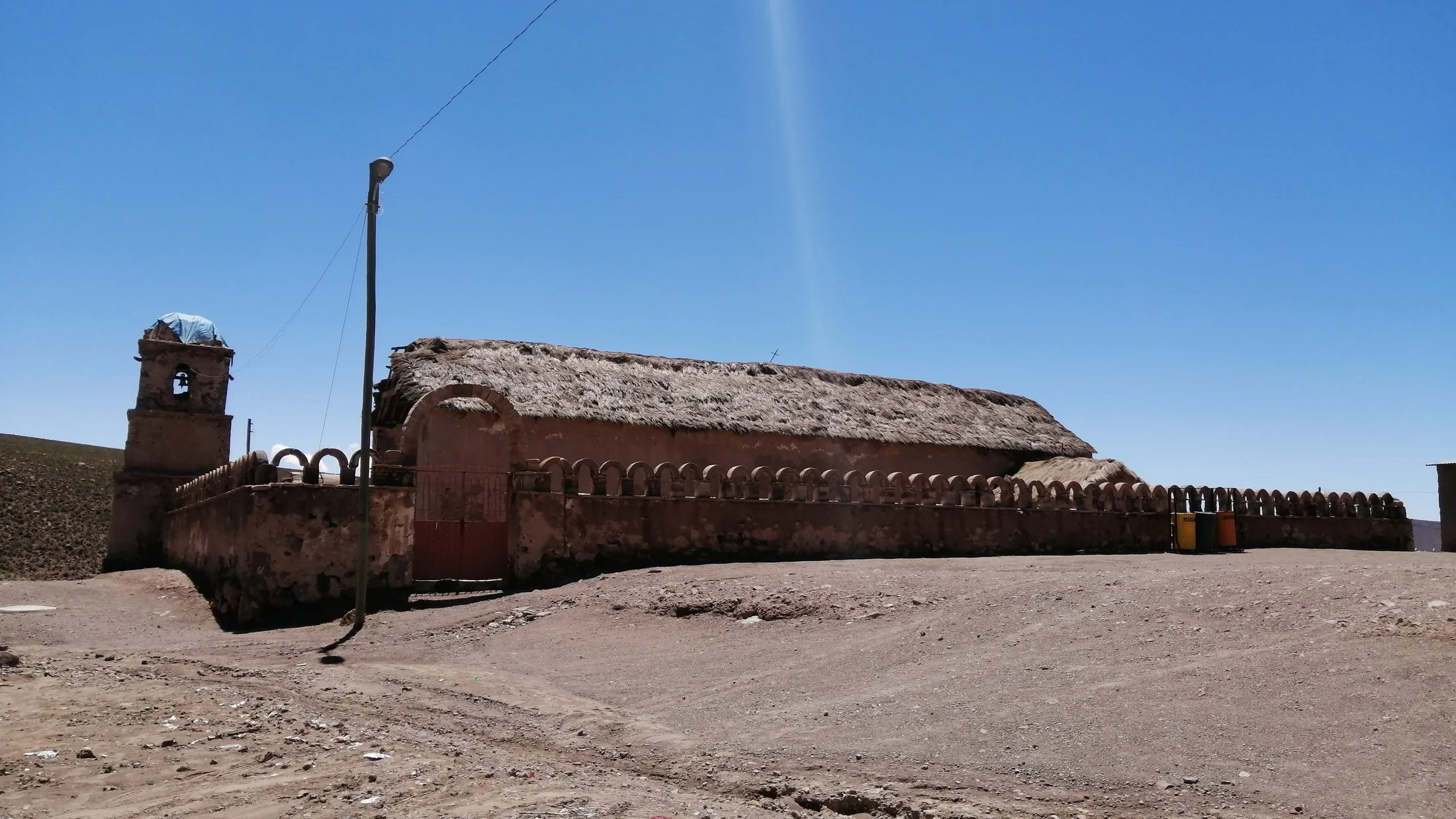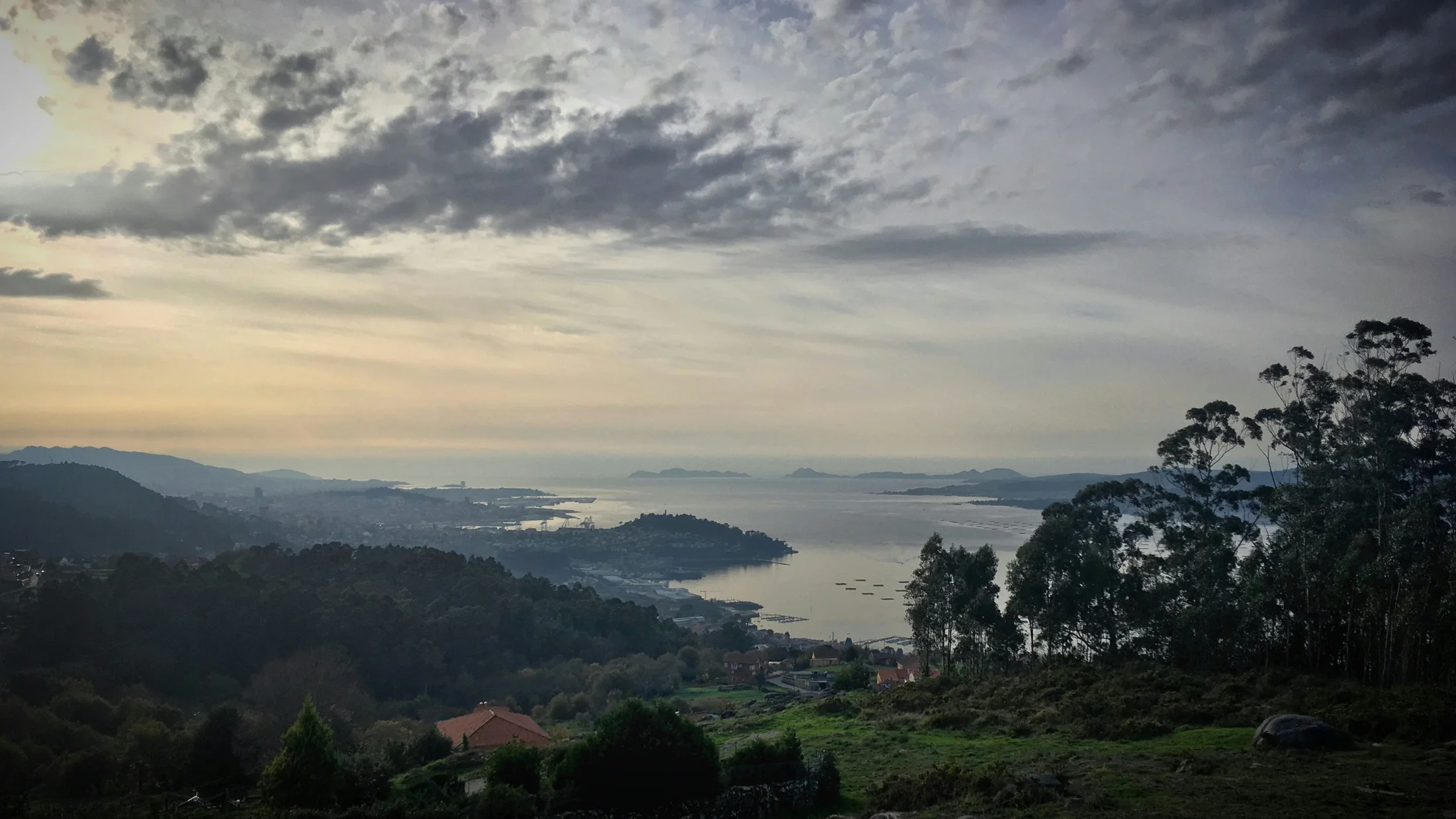
Spain is dotted with rural gems waiting to be discovered. Beyond the bustle of the big cities, there exists a universe of white villages perched on hills, walled medieval towns, and fishing villages where time seems to flow at a different pace. This heritage, often hidden in plain sight, offers a window into the authenticity, history, and nature of the country. If you are looking for an escape that combines culture, gastronomy, and unforgettable landscapes, you have come to the right place.
Spain brings together white villages on hills, walled medieval towns, and fishing villages scattered across the north, the centre, the south, and the islands. This guide selects destinations and gives you the practical information for each one: how to get there, the best time of year, and local tips for getting around.
There are also proposals to experience the local culture, from craft workshops to tastings of local products.
1. Ronda, Málaga
Ronda overlooks the El Tajo gorge with white houses on the edge of the abyss. The city, in the province of Málaga, is an essential stop on any route through Andalusia.
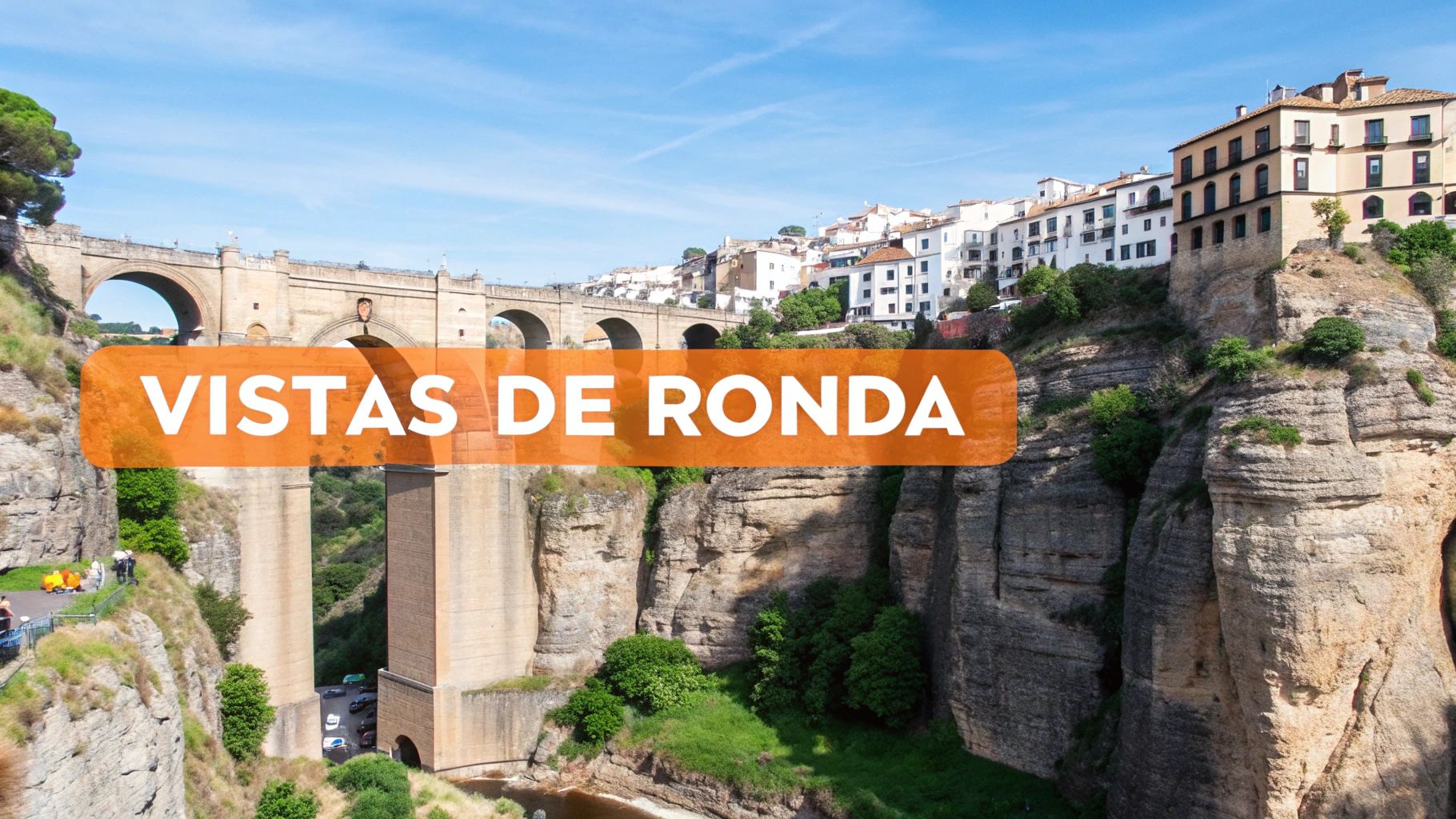
The Puente Nuevo, an 18th-century engineering work, joins the old and new parts of the city and spans an abyss of almost 100 metres. Cross it on foot to see the gorge from above.
The historic centre is a labyrinth of cobbled streets, flowery patios, and squares with history. In the Plaza de Duquesa de Parcent lies the Colegiata de Santa María la Mayor. Dedicate half a day to strolling through the centre and head towards the bridge at sunset, when the light enters the gorge.
Why visit Ronda
Ronda preserves its historical heritage and combines it with high-quality tourism. Every corner of the city tells a story of bandits, bullfighters, and romantic travellers.
The Plaza de Toros de la Real Maestranza is one of the oldest and most monumental in Spain.
Book your tickets for the bullring and the baths in advance, especially during high season. With half a day, you have enough time to explore the historic centre without rushing.
Tips for your visit
Stay in the old town and you will have the main points of interest just a few steps away.
For photos, arrive early at the Puente Nuevo and the viewpoints: you will make the most of the morning light and avoid the tourists.
Picuco te puede ayudar
Does something here catch your eye?
Tell us.
Write to us on WhatsApp or email: we answer questions, find the best options and help you sort out the booking.
2. Frigiliana, Málaga
Frigiliana is perched on the hills of the Axarquía in Málaga and is one of the most photographed white villages in Spain. Its historic centre, of Moorish heritage and very well preserved, is a labyrinth of passageways, stairways, and cobbled streets with pots of brightly coloured geraniums.
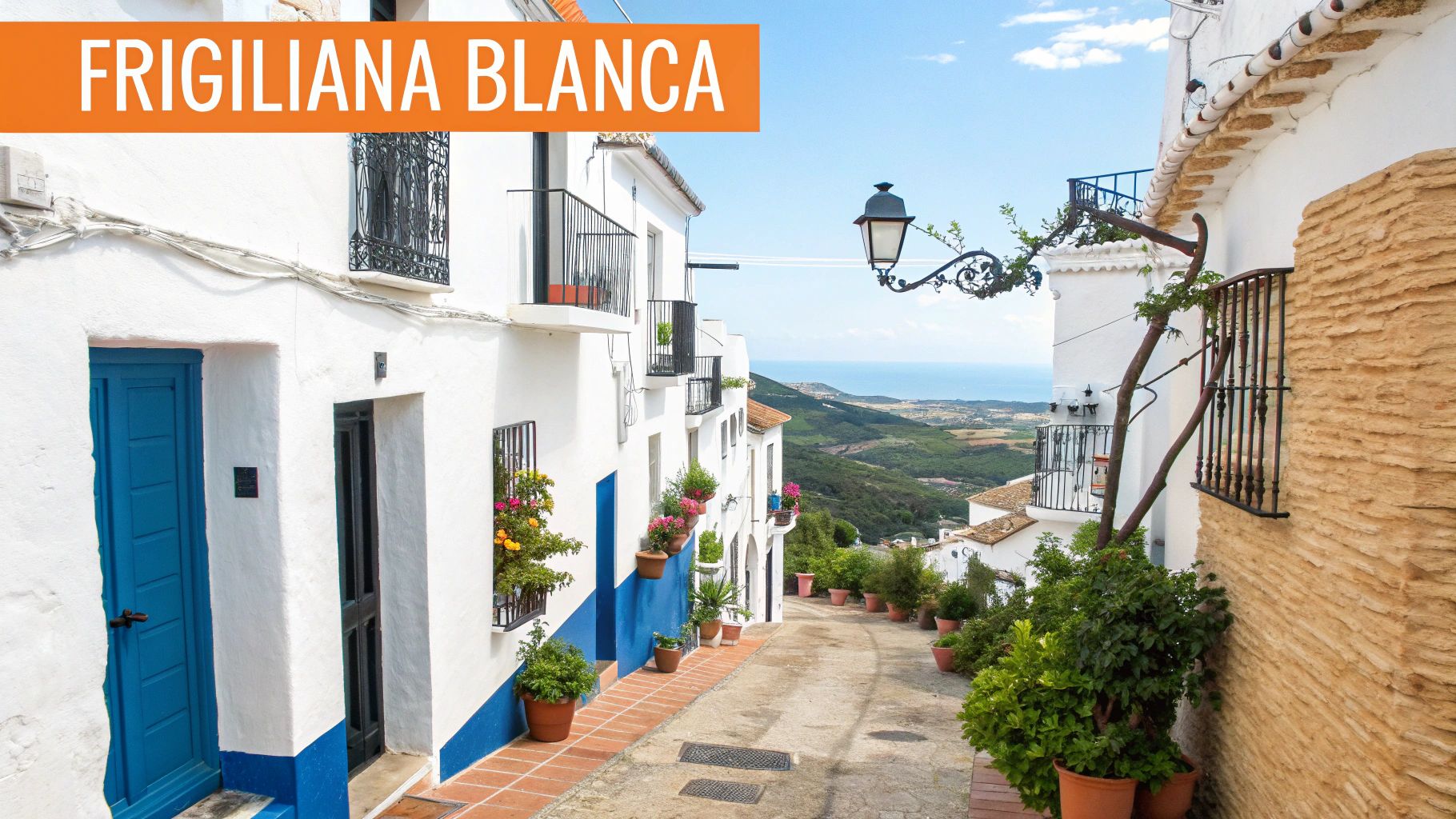
The whitewashed cubic houses with indigo blue details transport you to another era. To learn the history of the village, follow the twelve ceramic plaques that narrate the battle of the Moorish rebellion at the Peñón de Frigiliana.
Go up early: the narrow streets fill up by mid-morning and the stroll is enjoyed more calmly.
Why visit Frigiliana
Frigiliana has white and blue streets, with the sea on one side and the mountains on the other. It is an Andalusian village for those seeking tranquillity without moving far from the coast.
Here you can wander aimlessly, looking at hidden courtyards that appear around every corner. The village's agricultural tradition can be recognised in the "miel de caña" and in the sweet Muscat wines.
Dedicate a morning or an afternoon to it: the old town can be explored on foot and in a short time. If you come in summer, get up early or go out late to avoid the heat and the busiest hours.
Tips for your visit
Frigiliana is best enjoyed in spring and autumn, with mild temperatures and good light for photography. Summer can be hot, although the nights are pleasant.
Wear comfortable footwear with good grip: the cobbled streets and slopes are part of the route. At the table, try the "miel de caña" in dishes such as fried aubergines and visit a local winery for a Muscat wine tasting.
If you want to see mountains and coast in a single day, book a combined excursion through Nerja and Frigiliana.
3. Grazalema, Cádiz
Grazalema has whitewashed houses and reddish roofs that stand out against the green of the mountains surrounding it. The village is located within the Sierra de Grazalema Natural Park, in the reserve area.
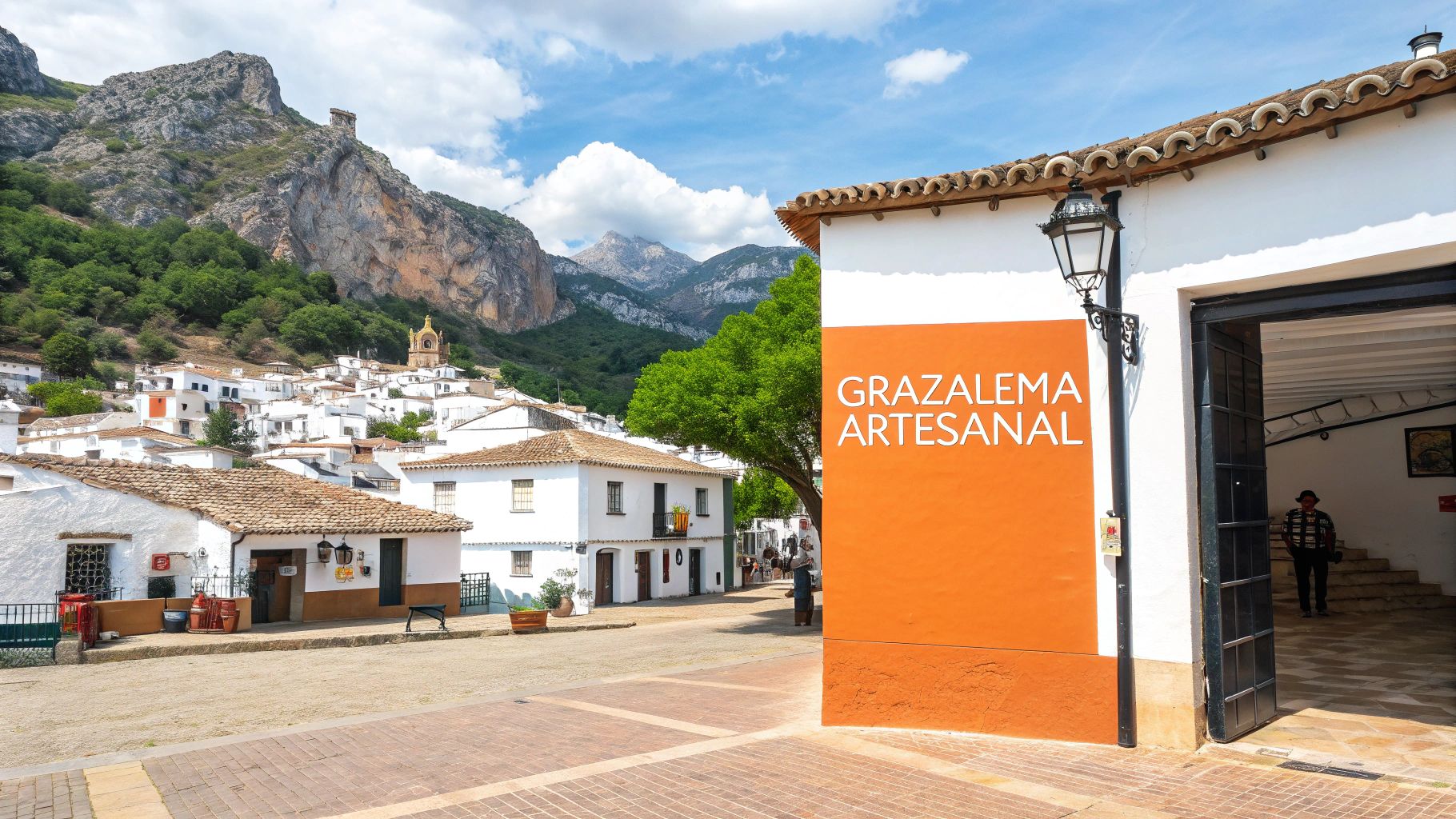
The surroundings of Grazalema are recognised as a UNESCO Biosphere Reserve.
Spend half a day exploring the urban centre and reserve more time if you want to hike through the natural park.
Why visit Grazalema
Grazalema has the highest rainfall index in Spain, and that is reflected in the landscape. The microclimate generated by that rain leaves lush slopes where other Andalusian mountain ranges show dry stone.
The village focuses on sustainable rural tourism, so your visit also supports that model. The environment is perfect for hiking and birdwatching, with routes you can do in a morning or a full day.
The mountains rule the table: Payoyo cheese and game meats. And in its workshops, traditional crafts that form part of the village's identity remain alive.
Book accommodation in advance if you go during a long weekend or in high season, and bring trekking footwear and warm clothing: it rains more here than in almost any other part of the country.
Tips for your visit
Grazalema is best enjoyed in spring and autumn: the landscape is at its peak splendour and the temperatures are perfect for exploring nature.
Sleep in a rural house or a charming hotel in the village. This way, you wake up with views of the mountains and experience the local tranquillity from the very first hour.
Stop by a textile workshop to see how the famous blankets are made and buy an authentic piece directly from the producers.
4. Órgiva, Granada
Órgiva is in the Granadian Alpujarra and at the foot of Sierra Nevada. In the village, Moorish heritage, Andalusian traditions, and an international community of artists and bohemians coexist, with an alternative atmosphere far from conventional tourist circuits.
Its weekly market is the best place to see that diversity of people and its different energy. The fertile valley surrounding it, watered by the Guadalfeo river, is a paradise for organic agriculture and agrotourism.
Book accommodation in advance if you are going on a weekend and rely on a car to move around the villages of the valley.
Why visit Órgiva
In Órgiva, an alternative community coexists with a traditional rural environment, and that gives it a unique character. The village is in the Alpujarra, and its bohemian and spiritual atmosphere attracts travellers looking for something different from the most conventional destinations.
Órgiva is a pioneer in agrotourism: organic farms and local producers bring you closer to the land directly. Its art scene completes the plan, with workshops and cultural proposals scattered throughout the town centre.
Tips for your visit
To sleep, look for renovated farmhouses or rural houses managed by local artists. They give you an immersive experience in the village.
Book the route through the white villages of the Alpujarra with ham tasting and organise the whole day.
5. Nerja, Málaga
The fishing village is on the eastern coast of Málaga and combines the beach with cultural and natural offerings.
The Balcón de Europa is the centre of village life: a viewpoint over the Mediterranean with panoramic views. From there, a labyrinth of whitewashed streets with bougainvilleas branches out for strolling without haste.
The Nerja Caves are a large natural hall of stalactites and stalagmites that preserves cave paintings over 20,000 years old.
Nerja can be reached by car via the highway from Málaga, and the centre and the beaches are explored on foot. Spring and autumn are the best times to combine strolling, viewpoints, and caves with fewer people.
Why visit Nerja
Nerja combines a rugged coastal landscape with the charm of a traditional Andalusian village. The sea and the mountains meet here, and the town centre maintains the tranquil rhythm of a white village.
Historical and natural heritage is part of the tourist offering, beyond just sun and beach.
It is a complete destination for families, couples, and adventurers. Book in advance if you want to see a concert in the caves: capacity is limited and tickets sell out in high season.
Tips for your visit
Nerja is best enjoyed in spring and autumn: the weather is pleasantly warm and the beaches are quiet, without the summer crowds.
The Nerja Caves are a Site of Cultural Interest. Buy your tickets in advance or arrive early in the morning to avoid queues, especially in high season. Book the time travel trip through the Nerja Caves and discover the ancient history of its first inhabitants.
If you are looking for quieter coves, try El Pino or El Cañuelo.
6. Villages of the Alpujarras Valley: Pampaneira, Capileira and Órgiva
Pampaneira, Capileira and Órgiva are three villages in the Alpujarra, on the slopes of Sierra Nevada, in the province of Granada. Their cubic flat-roofed houses and the "tinaos" that connect the streets are heritage from their Moorish past.
All around, the region combines agricultural terraces on the slope with a network of ancient acequias that still irrigate the fields. Órgiva is in the southwestern part of the Alpujarra Granadina region; Pampaneira and Capileira are located in the Alpujarras Valley, on the slopes of Sierra Nevada.
Why visit the Alpujarra
It is a unique cultural and natural ecosystem, where the urban rhythm is left behind and the land dictates the pace.
Its tourist circuit joins several villages, so you can discover the diversity of the region and support a sustainable tourism model. The local gastronomy is based on orchard products and traditional cured meats, and the craftsmanship stands out for its jarapas.
To plan your getaway, choose how many villages you want to visit and book accommodation in advance during high season. Dedicate at least one full day to the region and make time to eat in one of its villages.
Tips for your visit
Spring and autumn provide mild temperatures for walking, with landscapes in bloom or with ochre colours.
To sleep, look for a rural house in one of the smaller villages, such as Pampaneira or Bubión. This way, the local atmosphere accompanies you from breakfast.
At the table, order the alpujarreño dish in a traditional inn or in a "casa de comidas". It is home cooking from the region, unhurried and with local produce.
Hiring a local guide enriches the hike with stories and botanical knowledge, and gives you access to corners that only they know.
7. Úbeda, Jaén
Úbeda has 16th-century palaces, churches and squares, and that is why UNESCO declared it a World Heritage Site along with Baeza. It is in the province of Jaén and deserves the getaway for its artistic richness.
Here you will not find the usual Andalusian white village: golden stone dominates the facades.
The charm is also in the detail: stately courtyards and an urbanism that served as a model for cities in Latin America. Walk through the centre on foot, calmly, and reserve at least one morning for the square and its buildings.
Dedicate a full day if you want to see both heritage cities, and book in advance if you travel during a long weekend or in spring.
Why visit Úbeda
Visiting Úbeda is immersing yourself in an open-air art history lesson. The city is a masterful example of how the wealth generated by olive oil and the power of a few noble families transformed a medieval enclave into a showcase of humanism and Renaissance art. Its recognition by UNESCO is not just for its buildings, but for the perfect conservation of its urban layout, which makes it a top-tier cultural destination and a model of heritage preservation.
Tips for your visit
Spring and autumn are the best times to explore Úbeda, with mild temperatures and events such as the Úbeda and Baeza Early Music Festival.
Sleeping in a palace or in a historic house converted into a hotel lets you experience the city from within; the Parador Nacional de Turismo is an option to consider. A guided tour helps you discover the architectural details and the stories within its stones, many of which are linked to the architect Andrés de Vandelvira.
Set aside some time for pottery and visit the workshops in the San Millán neighbourhood: there you will discover the traditional green of Úbeda and can take home an authentic souvenir.
8. Arcos de la Frontera, Cádiz
Arcos de la Frontera is in the province of Cádiz. It is in the province of Cádiz and is one of the most outstanding charming towns in Spain.
The town is perched on a rocky spur on the banks of the Guadalete river. Its white houses and historic monuments stand out against the sky.
It is a labyrinthine network of narrow, cobbled streets that ascend to the Plaza del Cabildo.
Why visit Arcos de la Frontera
Arcos de la Frontera preserves an urban centre with a medieval layout and Baroque legacy, one of the best examples of the essence of the Pueblos Blancos. The town combines history, culture and nature, and serves as a model for medieval urban preservation.
The flowery patios and churches are part of the appeal for those seeking Andalusian authenticity. Arcos is, additionally, the ideal starting point for exploring the Sierra de Cádiz.
Tips for your visit
Arcos de la Frontera is best enjoyed slowly, with good footwear and your car parked down below. Spring and autumn bring mild temperatures for strolling and fewer crowds than in summer.
The streets are cobbled, steep and sometimes slippery, so wear comfortable and sturdy footwear. Leave your vehicle in the designated car parks in the lower part of the town and walk up or take the local minibus: driving through the old town is very complicated.
From the upper part of Arcos de la Frontera, you can enjoy striking views over the Guadalete river. If you want to continue your route, plan the visit as the start or end of the Ruta de los Pueblos Blancos: the connection with Grazalema or Zahara de la Sierra is easy.
9. Mojácar, Almería
Mojácar rises on a hill on the Almería coast, with white houses of cubic architecture and Moorish origins overlooking the sea. The town is spread between that hillside and the beach, so you can go from the old town to the sand in a few minutes.
Mojácar Pueblo is a network of narrow and steep streets, with bougainvillea and geraniums against the white lime. Plaza Nueva has viewpoints over the surroundings, and the Iglesia de Santa María and the Puerta de la Ciudad recall its past as a fortress.
Decades of creators arriving from all over Europe have given it a bohemian and artistic character that is still noticeable in its streets.
Book accommodation in advance if you travel in summer and head up to the old town early in the morning or at sunset: the slopes are much more pleasant with less heat and fewer people.
Why visit Mojácar
Mojácar has two faces: the village on the hill and the beach at its feet. Up above, calm and history rule; below, the atmosphere of beach bars and the promenade.
The village preserves its artistic and bohemian identity, with art galleries and craft workshops.
Its atmosphere is linked to the legend of the Indalo, the symbol you will see painted on many facades. Dedicate one morning to going up to the old town and another to the beach: this way you can get to know both areas without rushing.
Tips for your visit
Mojácar is best enjoyed in spring (April-June) and in autumn (September-October): the climate is mild and there are fewer tourists.
Sleeping in the village allows you to experience the place up close and wake up with views. The beach area has more hotels and apartments if you are looking for another option.
Get up early to walk through the streets at sunrise, before the heat intensifies and visitors arrive. The morning light is great for photography.
Set aside some time for the small art galleries and local studios in the village. Afterwards, you can head down to Mojácar Playa, with 17 kilometres of coastline.
10. Villages of the Tierras Altas de Soria
In the north of the province of Soria, the Tierras Altas bring together villages with medieval architecture and pastoral traditions in a non-touristy setting. It is a region for those seeking silence and contact with the environment.
Yanguas, Oncala and Magaña are in the Tierras Altas de Soria, a region linked to transhumance and mountain life. Tranquillity and contact with the environment are the main attractions here, so it is worth going with time and without rushing.
The region is explored by car, linking several villages in a single day or over a weekend. Book accommodation in advance during bank holidays and summer, and bring comfortable footwear for the stone streets.
Why visit the Tierras Altas de Soria
The Tierras Altas de Soria are a land of hiking, history and slow tourism. You don't come here to see great monuments: you come to walk along royal cattle tracks and to understand how life is lived in a region that has changed little.
The appeal lies in a lifestyle that has remained almost intact and in the unadorned authenticity of the area. Walk along the ancient royal cattle tracks and visit the shepherds' museum in Oncala to learn about that trade.
In the landscape, you can find ichnites, dinosaur footprints that speak of a remote past.
Tips for your visit
Spring and autumn are the best times to explore the Tierras Altas de Soria: the colours of the landscape and the temperatures invite you to walk. Summer is also pleasant, with cool nights.
Book your accommodation in advance, because the supply of rural houses is limited. Sleeping in one of them brings you closer to village life.
Here, services are simple, and that is part of its appeal: the calm and the hospitality of its people. Talk to the locals, enter the village shops and try the local gastronomy, such as shepherd's migas or roasted lamb. If your visit coincides with a patron saint festival, take part in it.
Comparison of 10 charming villages
This table summarises what each village is like, how you get there, and who it suits best.
| Village | Visit complexity | How to get there and bookings | Main attraction | Ideal for |
|---|---|---|---|---|
| Úbeda | Low-medium: urban and accessible for cultural visits | Good infrastructure; guided tours recommended | Renaissance architecture, museums and protected heritage (UNESCO) | Cultural tourism, architecture and museums |
| Cofradía de Soria and Highlands | High: very remote and with little tourist infrastructure | Vehicle essential, advance bookings and basic services | Untouched landscapes and pastoral tradition | Slow travel, cultural immersion and nature |
If you are looking for comfort, start with Úbeda and Nerja. If you want to walk and get up early, Ronda, Arcos de la Frontera and Mojácar will reward you with views. In the mountain villages and in the Highlands, book accommodation before setting off.
Transform your Inspiration into an Unforgettable Adventure
Spain's charming villages, from the whitewashed peaks of Andalusia to the highlands of Soria, hold stories, flavours and traditions that deserve a trip. Choose the ideal time and trace an itinerary that combines culture and nature: that is the difference between any old getaway and a memorable experience.
The practical tips and detailed fact sheets in the article serve as your compass to organise your trip. With that foundation, the getaway flows and leaves you with more than you expected.
From your Wishlist to the Reality of your Trip
Frigiliana and Arcos de la Frontera are already on your list. Now it is time to turn that inspiration into a getaway with dates and a route.
A well-planned trip is the difference between being a tourist and becoming an explorer. Each of these charming villages offers the opportunity to connect with the most authentic Spain, far from conventional routes and close to the heart of its culture.
Before choosing a destination, define what moves you. If you are looking for nature, the Alpujarras suit you; if history calls to you, Úbeda is your stop.
Leave the itinerary open to the spontaneous. A local crafts workshop in Grazalema or a patron saint festival in Mojácar can arise on the ground.
When you arrive, support the local economy: shop in small businesses, dine in family restaurants and choose accommodation that respects the environment.
The Next Chapter is Yours
You already know the villages: now it is time to choose a destination and start planning. The landscapes of Cádiz and the tranquillity of the villages of Soria are two possible options.
Choose the destination, trace the route and plan the trip to discover the charming villages of Spain.
Ready to make the leap from inspiration to detailed planning? Use Picuco to discover unique experiences and selected rural accommodation in these and other charming villages. Our platform and our smart travel assistant will help you create the perfect itinerary and live the essence of each destination.