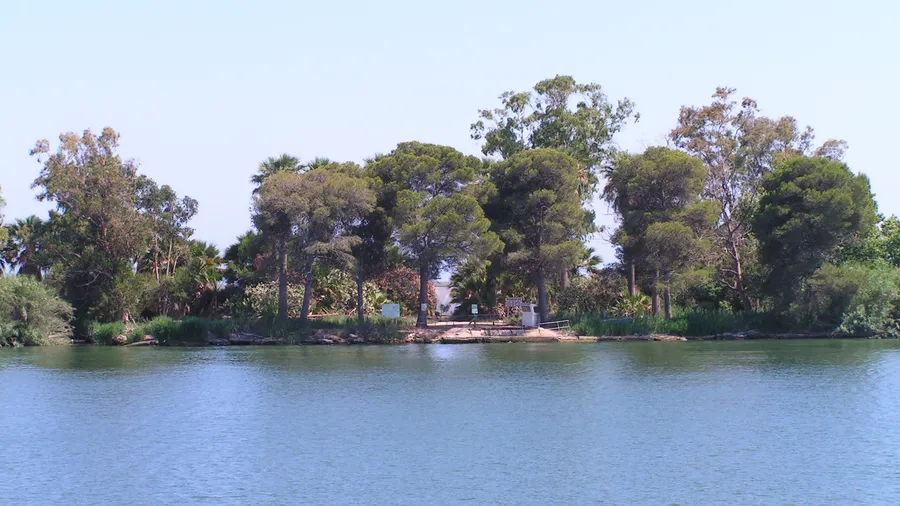
Buda Island
Highlights
- • Over 300 bird species (flamingos, herons, terns)
- • Catalonia's largest island (1,000 ha)
- • Boat excursions through delta channels
- • Flooded rice paddies and coastal lagoons
- • Natural laboratory of delta dynamics
Description
Key Information
Visit Duration
3-4 hours (boat excursion)
Recommended Seasons
Spring, Autumn, Winter
Accessibility
Medium
Kid-Friendly
Guide
Essential information for visiting Buda Island
Location
Practical Information
- Visit Duration
- 3-4 hours (boat excursion)
Features & Services
- Accessibility:Medium
- Kid-Friendly:Yes
Planning Information
Recommended Seasons
Spring · Autumn · Winter
Best Time to Visit
Autumn-winter (migration). Spring (nesting).
Visitor Tips
Book boat excursion in advance. Bring binoculars. Sunrise and sunset are best for birds.
Frequently Asked Questions
Get answers about Buda Island
Can you visit freely?
No. It's privately owned. Access via organised boat excursions from Deltebre or Sant Jaume d'Enveja.
When to go for birds?
Spring (nesting) and autumn-winter (migration). Flooded rice paddies in October-November attract thousands of birds.
What to bring?
Binoculars, camera with telephoto lens, sun protection and mosquito repellent (essential in summer).