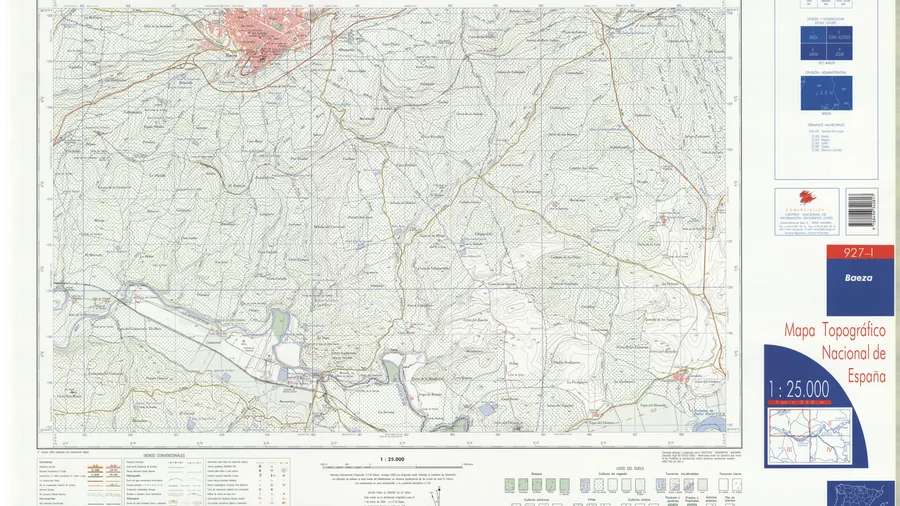
Highlights

  • • Cathedral of Baeza with Gothic and Renaissance styles
  • • Historic 16th-century university
  • • Fountain of the Lions in the main square
  • • Cobbled streets and Renaissance architecture
  • • Olive grove landscape surrounding the city

Description

Baeza is a city located in the province of Jaén, renowned for its Renaissance architecture and its designation as a UNESCO World Heritage Site. Its cobbled streets and spacious squares invite visitors to explore an urban ensemble that preserves the splendor of the Spanish Renaissance. The atmosphere is imbued with the scent of ancient stone, and the view is filled with façades featuring ornamental details that reflect centuries of history.

Among Baeza's main attractions are the Cathedral of Baeza, a building that combines Gothic and Renaissance styles, and the University, founded in the 16th century, which was a center of knowledge in its time. The Fountain of the Lions, located in the main square, is another emblematic spot that adds a relaxing sound to the surroundings. Additionally, visitors can explore palaces, churches, and museums that narrate the city's cultural and artistic evolution.

Baeza's historical context is marked by its importance during the Renaissance, when it was a prominent political and cultural center in Andalusia. The city was the setting for the life and work of Antonio Machado, who studied here and left a mark on Spanish literature. Its architectural heritage reflects influences from various periods, from Roman times to the modern era, with a predominance of Renaissance that defines its identity.

For those visiting Baeza, it is recommended to take time to stroll leisurely through its streets, enjoy the local cuisine, and admire the olive grove landscape surrounding the city. Accessibility is good for most visitors, although some cobbled streets may pose challenges for people with reduced mobility. Entry to the city is free, though some monuments may require payment or prior reservation. Baeza is family-friendly and allows visits with pets in open spaces.

Key Information

Visit Duration

2-3 hours

Recommended Seasons

Spring, Autumn

Pricing

Free

Accessibility

Medium

Kid-Friendly Pet-Friendly Booking Required

Guide

Essential information for visiting Baeza

Location

In this area

Practical Information
Pricing
Free
Visit Duration
2-3 hours
Features & Services
  • Accessibility:Medium
  • Kid-Friendly:Yes
  • Pet-Friendly:Yes
  • Booking:Booking Required
Planning Information

Recommended Seasons

Spring · Autumn

Best Time to Visit

Spring and autumn are the best seasons to visit Baeza, with mild temperatures and fewer tourists—ideal for strolling and enjoying the heritage.

Visitor Tips

To make the most of your visit to Baeza, comfortable footwear is essential due to cobbled streets. It's advisable to bring water and sun protection in summer and check monument opening hours in advance. Strolling in the late afternoon allows you to enjoy soft light on the Renaissance stone and fewer tourists.

Historical Facts

Baeza was an important Renaissance center in Andalusia during the 16th century. Its university and monuments reflect the cultural influence of that era. Antonio Machado studied here, leaving a literary legacy linked to the city.

Frequently Asked Questions

Get answers about Baeza

It is not always mandatory, but it is recommended to check schedules and possible reservations for guided tours.
Yes, the city is suitable for families and offers open spaces and accessible monuments.
Yes, the historic center has several restaurants and cafés offering local cuisine.
The city has good accessibility, although some cobbled streets may be challenging.