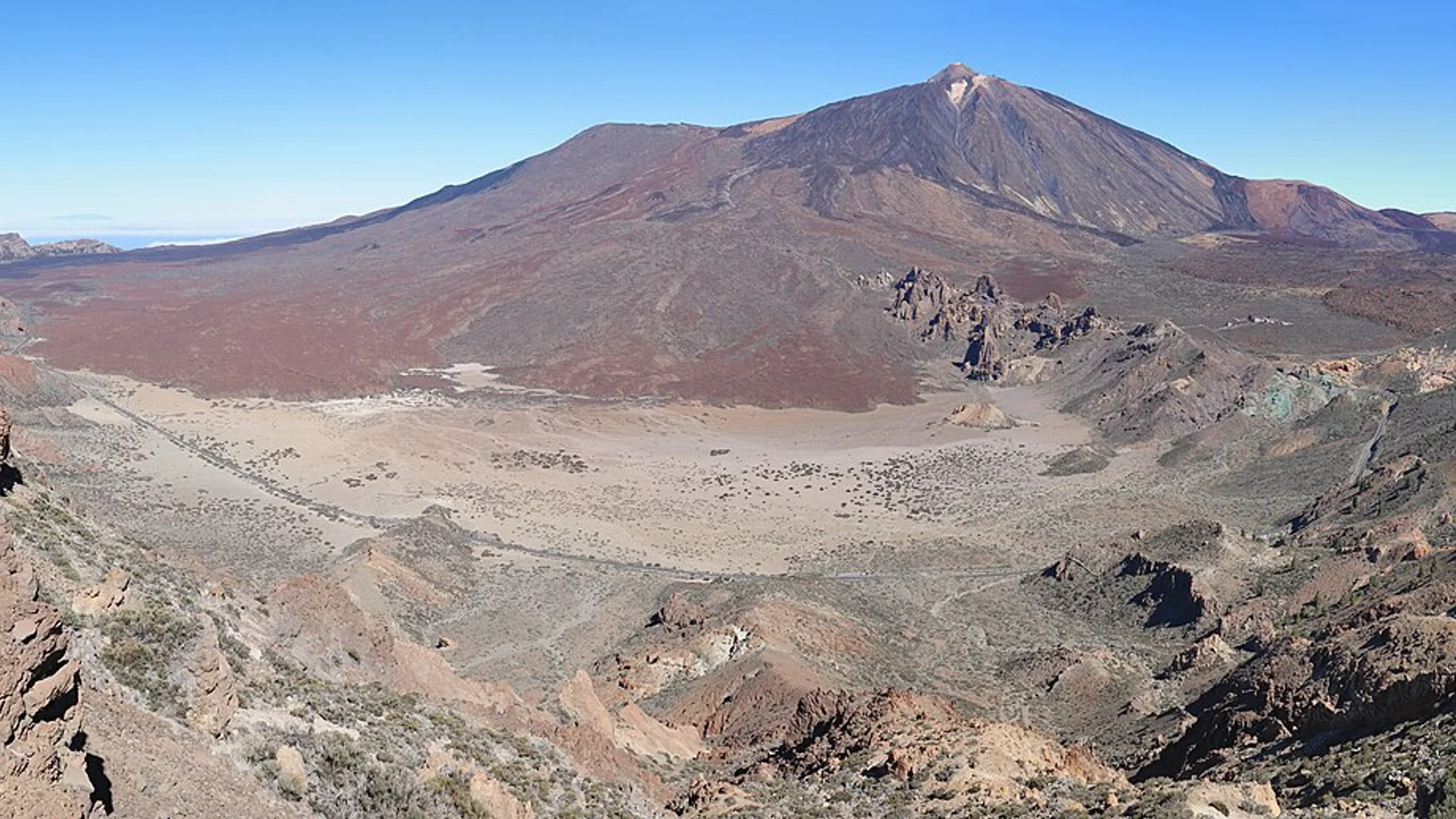
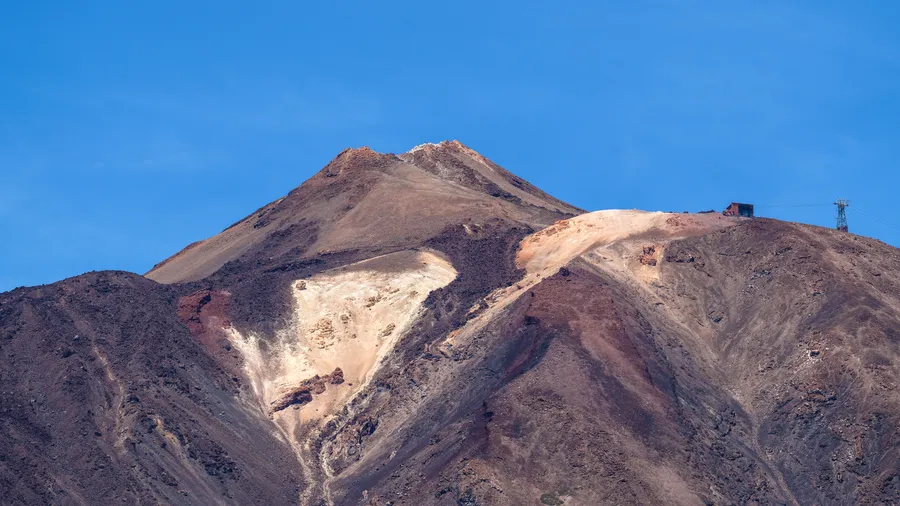
The province of Santa Cruz de Tenerife gathers across its four main islands a concentration of natural environments ranging from low-altitude volcanic badlands to the highest point in Spain. Teide (3,715 m) dominates the centre of Tenerife from within the National Park, accessible on foot via seven marked routes crossing lava fields, white tajinaste scrubland and viewpoints above 3,000 m. The summit crater and Pico Viejo require advance permits, but the perimeter trails of the park, such as the...
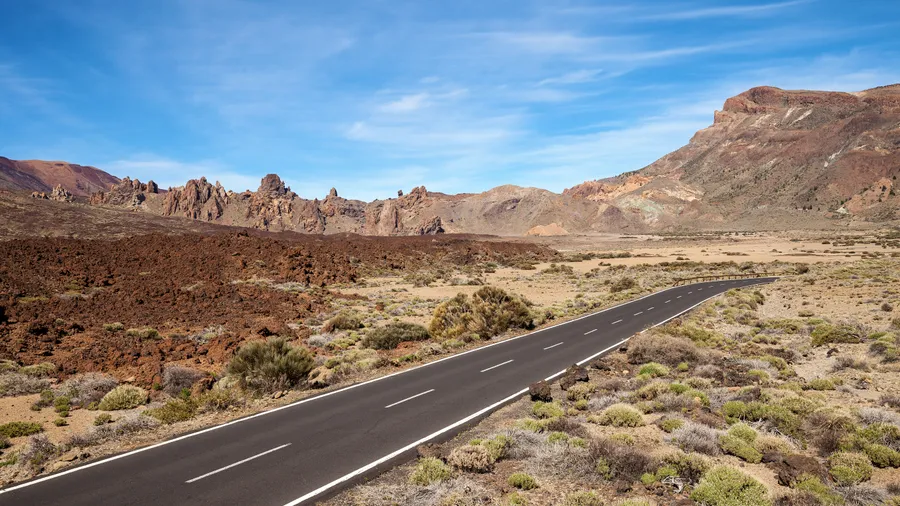
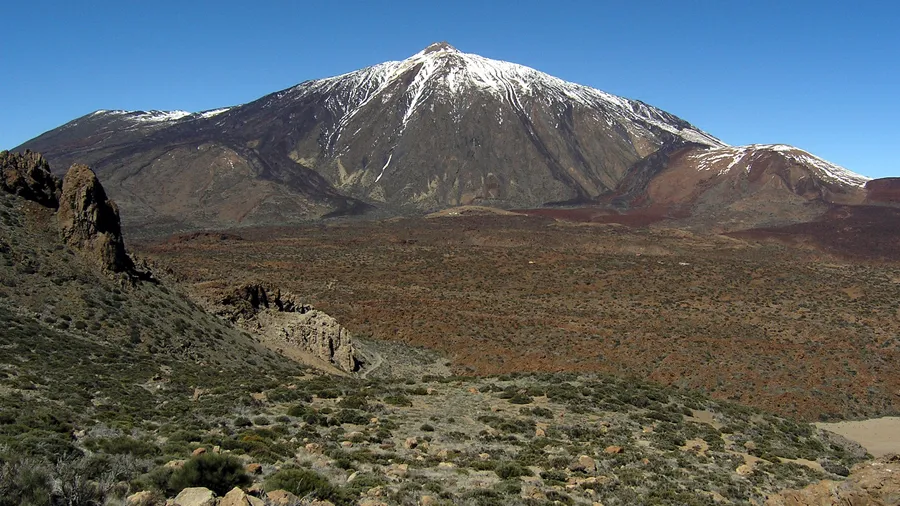
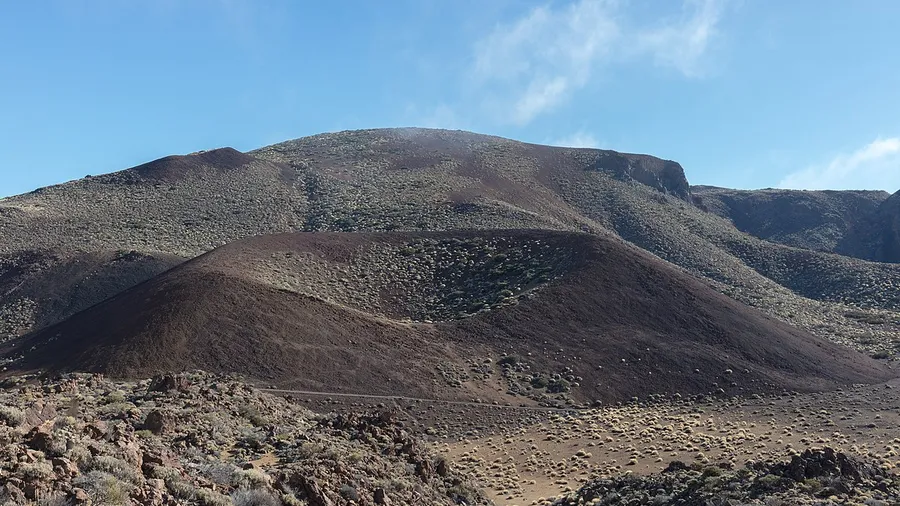
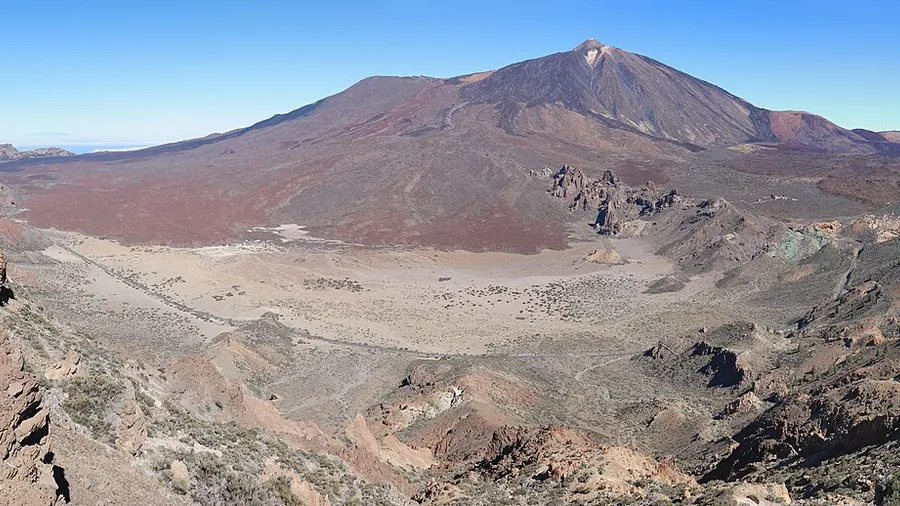
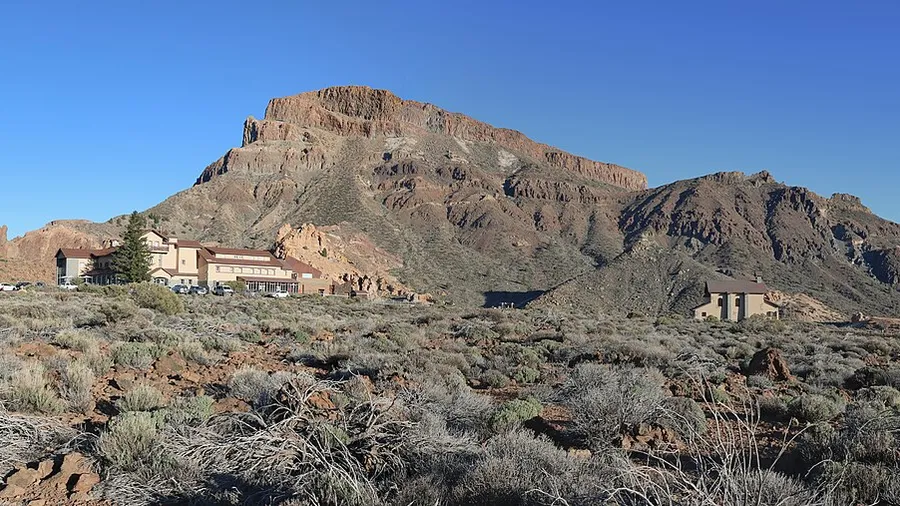
The province of Santa Cruz de Tenerife gathers across its four main islands a concentration of natural environments ranging from low-altitude volcanic badlands to the highest point in Spain. Teide (3,715 m) dominates the centre of Tenerife from within the National Park, accessible on foot via seven marked routes crossing lava fields, white tajinaste scrubland and viewpoints above 3,000 m. The summit crater and Pico Viejo require advance permits, but the perimeter trails of the park, such as the Las Cañadas traverse, are open year-round.
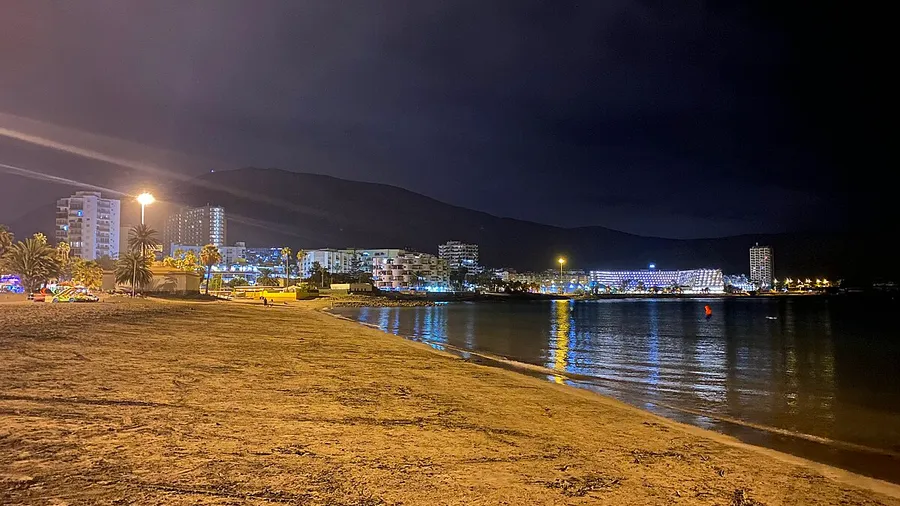
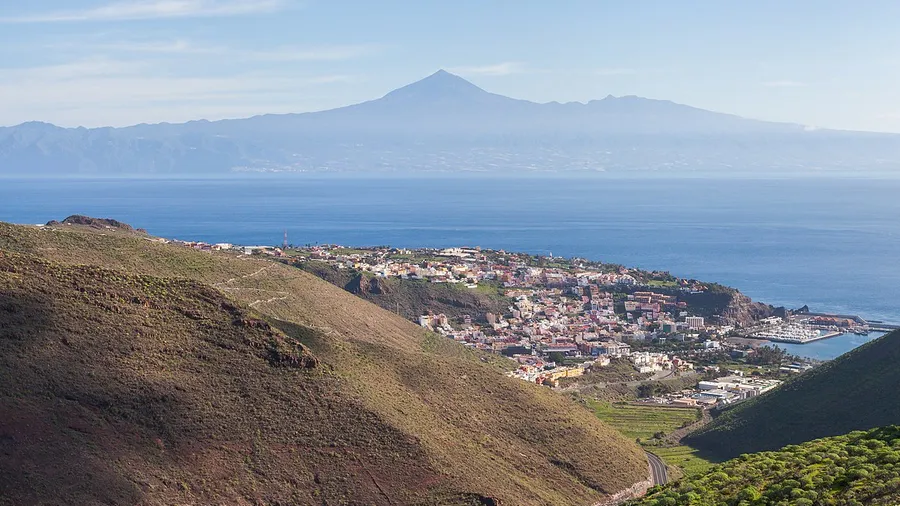
The ocean channel between Tenerife and La Gomera concentrates one of the most active cetacean corridors in the Atlantic: short-finned pilot whales, bottlenose dolphins and sperm whales are permanent residents, and catamaran or zodiac trips from Los Cristianos or Puerto Colón offer high-probability sightings on all 365 days of the year. The same southern coast hosts surfing at El Médano, venue for world windsurfing and kitesurfing championships: the northeast trade wind blows steadily at 15–25 knots in summer, generating quality waves at Playa Grande and El Cabezo.
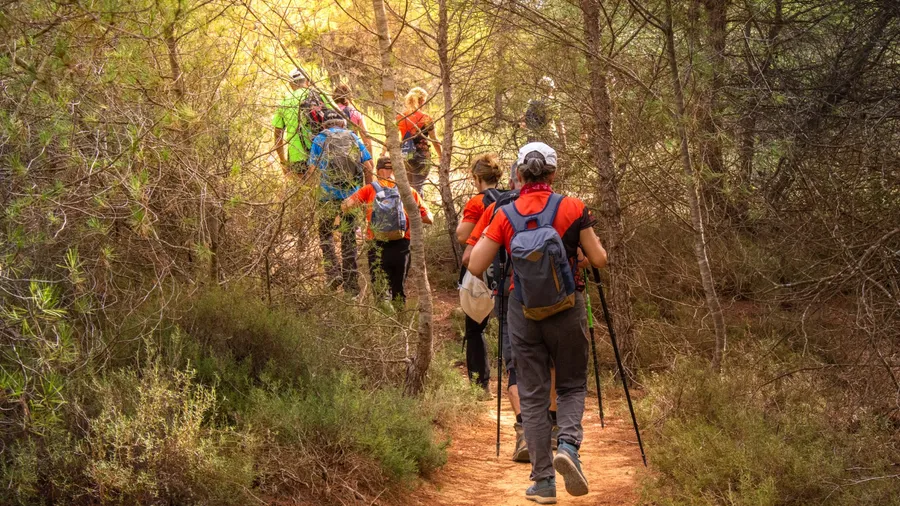
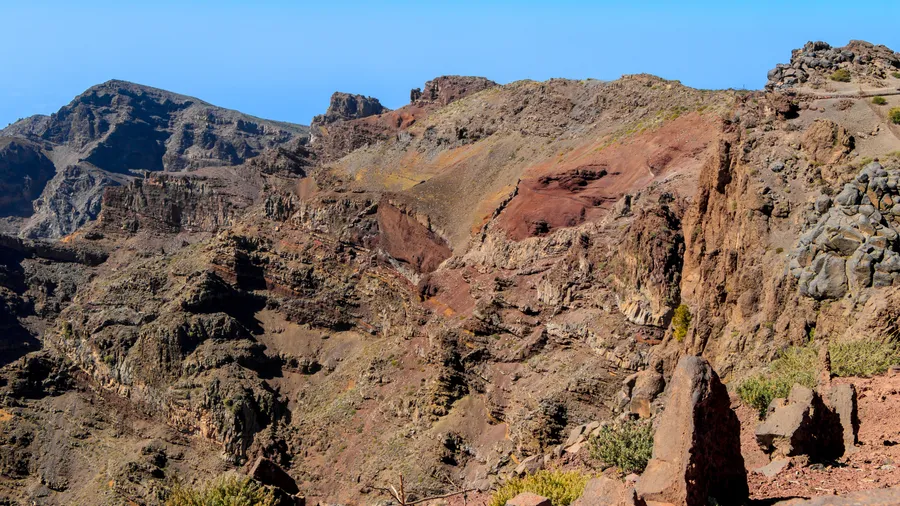
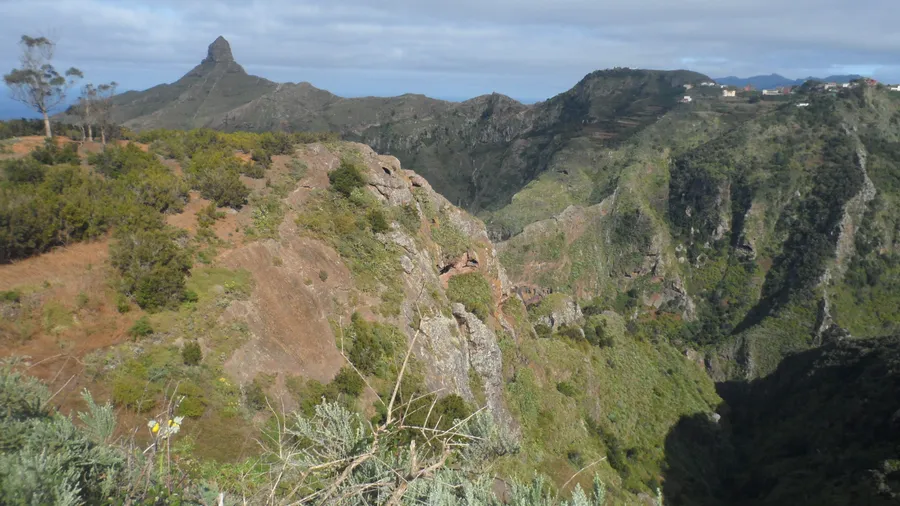
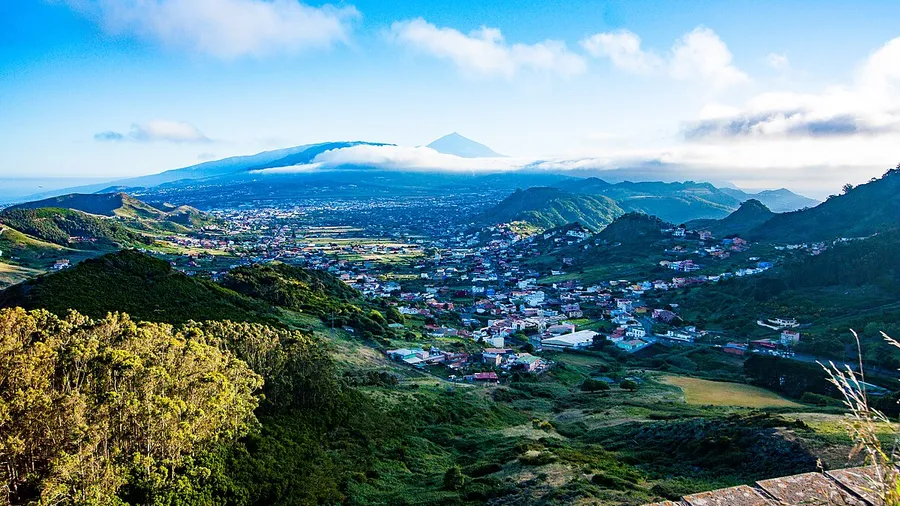
The Anaga Biosphere Reserve, in the northeast of Tenerife, preserves the most extensive laurel forest in the Canary Islands: 60 mapped trails cross deep ravines, mist-covered ridges and almost-deserted rural hamlets. La Palma island adds high-altitude volcanic mountain routes (Ruta de los Volcanes, 22 km) and astrotourism conditions ranked among the best on the planet thanks to the Roque de los Muchachos Observatory.
Highlights
• Teide hiking: 7 marked routes to 3,715 m, the highest point in Spain
• Year-round whale and dolphin watching in the Tenerife–La Gomera corridor
• Surfing and kitesurfing at El Médano: world championships venue with constant trade wind
• 60 trails in the Anaga Biosphere Reserve through laurel forest and deep ravines
• Ruta de los Volcanes on La Palma: 22 km through recent lava flows
• Astrotourism at Roque de los Muchachos: among the world's clearest skies
Best time to visit
Year-round. Teide and Anaga are best in spring and autumn (Mar–May, Sep–Nov). El Médano for surf and kitesurf works May to October with the trade wind active. Cetaceans are visible in any month.
Practical tips
Book the Teide summit permit at least 2–3 weeks ahead around Easter and in summer. For whale watching, choose operators certified under the Canary Islands Cetacean Code of Conduct: they maintain minimum distances and do not encircle animals. In Anaga, bring a warm layer even on sunny coastal days: mist can drop temperatures by 8–10 °C in minutes.
Frequently asked questions sobre Santa Cruz de Tenerife
Do I need a permit to hike to Teide summit?
National Park trails are freely accessible, but reaching the actual summit (3,718 m) — either by cable car or the final walking section — requires a free permit obtained in advance from the park website. Slots fill weeks ahead in high season.
What time of year is best for whale watching?
Sightings are possible all 365 days: short-finned pilot whales and bottlenose dolphins are permanent residents. Sperm whales pass most frequently from October to March. Trips depart from Los Cristianos and Puerto Colón several times daily.
What surf level does El Médano require?
El Médano has spots for all levels. Playa Grande, with long 1–2 m waves, suits beginners and intermediates. El Cabezo, with more powerful waves and trade wind at its peak, is territory for pros and advanced kitesurfers.
Are Anaga trails suitable for children?
Many are accessible for children aged 8–10 with good footwear: the ridge section between Punta del Hidalgo and Chamorga is the most technical. Routes from Cruz del Carmen to Taborno or Chinamada are shorter and less exposed.
Can Teide and the coast be combined in the same day?
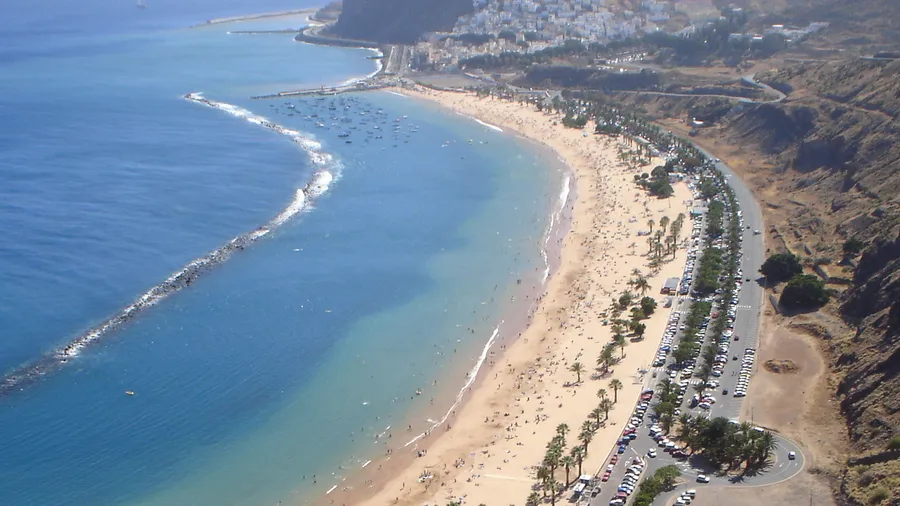
Yes. The National Park is about 45 minutes by car from south Tenerife. Many visitors do the Minas de San José or Las Cañadas route in the morning and head to the southern beaches in the afternoon.




 0
0  0
0  0
0  0
0  0
0 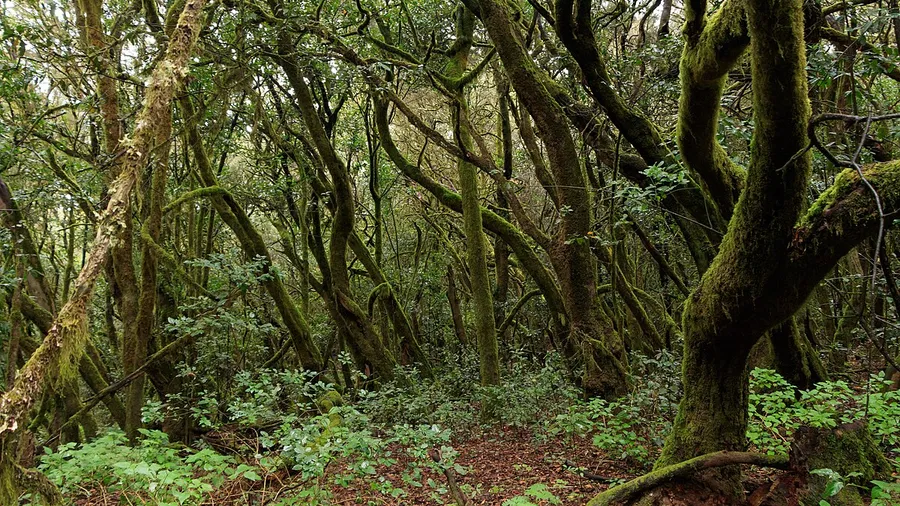 0
0  0
0 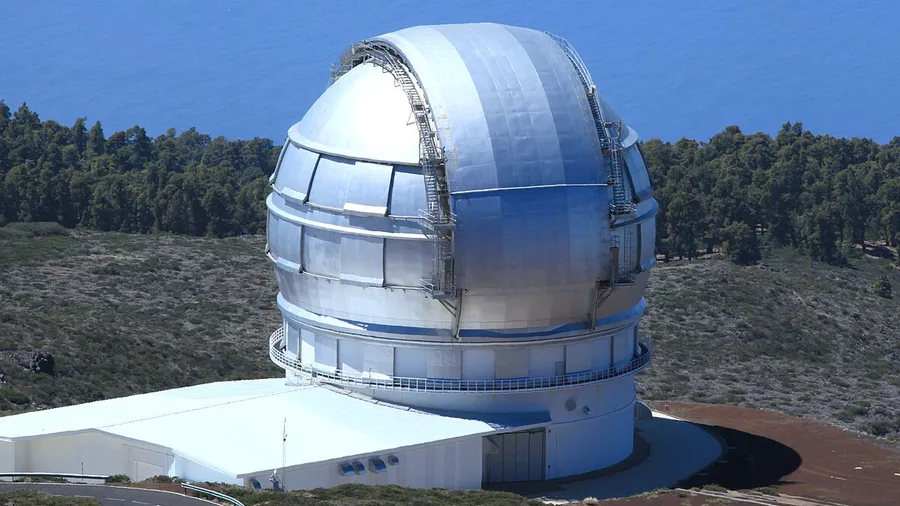 0
0 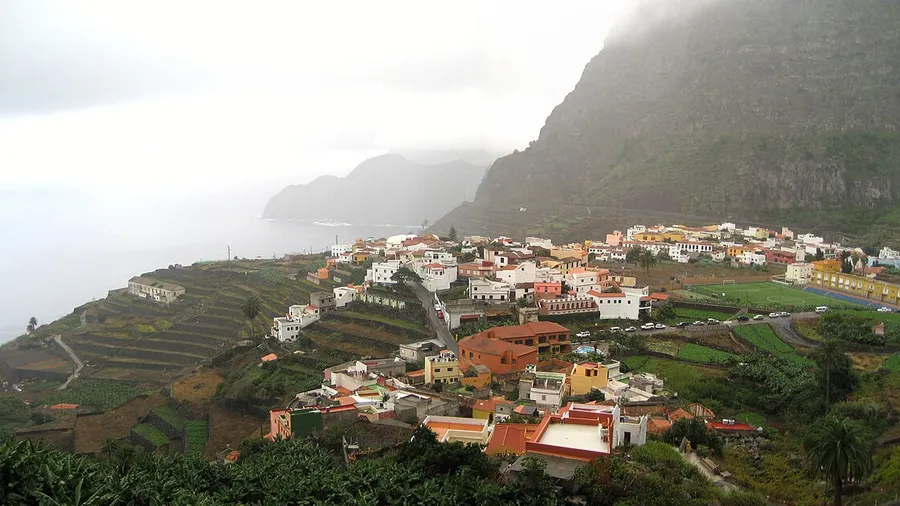 0
0 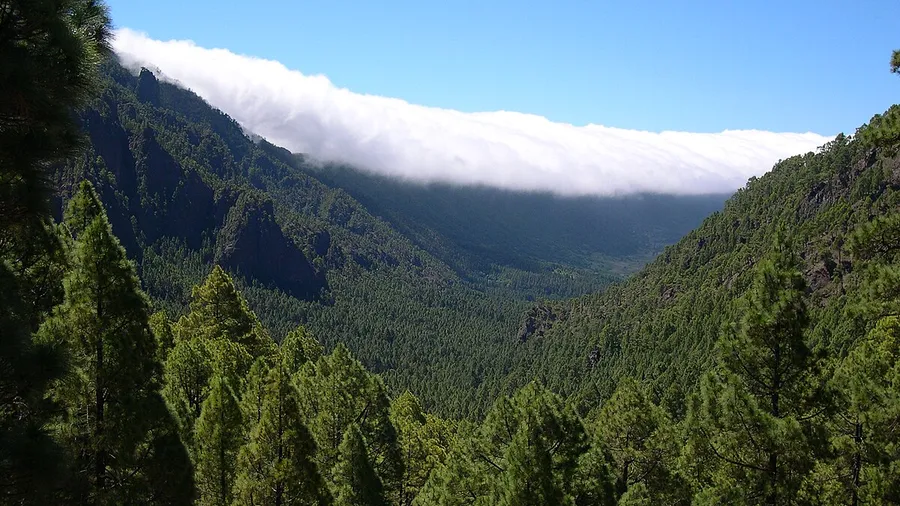 0
0  0
0