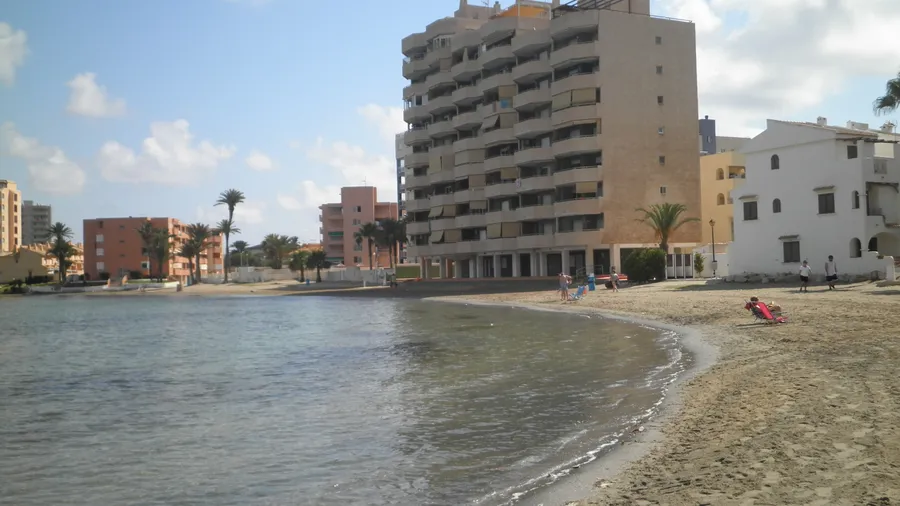
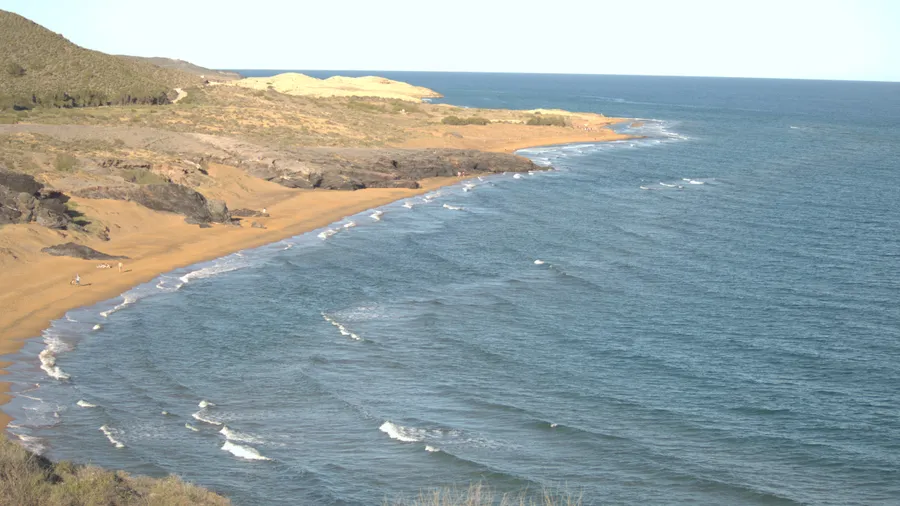
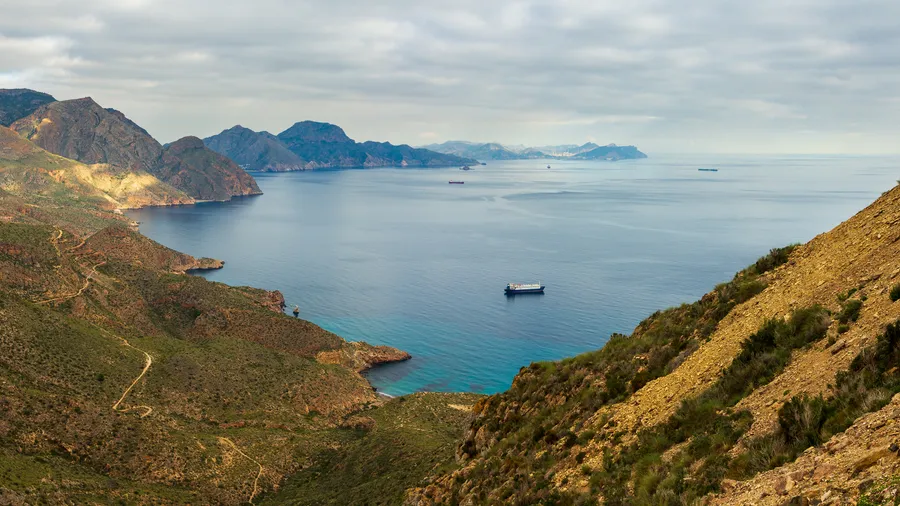
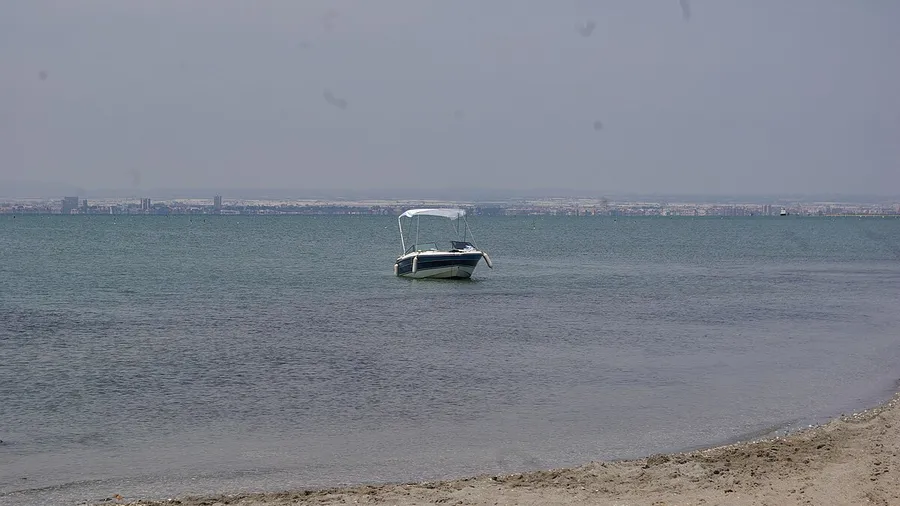
The Región de Murcia offers 119 activities spread across Mediterranean coastline and inland ranges of Sierra Espuña. The Mar Menor —Europe's largest coastal lagoon, with 135 km² of warm, salty water— provides ideal conditions for windsurfing and kitesurfing, with westerly winds exceeding 20 knots in summer. Below those clear waters, posidonia meadows cover seabeds reaching 6 metres at Calblanque, a 3,000-hectare protected regional reserve with no urban development.
Inland, Sierra Espuña peaks a...
The Región de Murcia offers 119 activities spread across Mediterranean coastline and inland ranges of Sierra Espuña. The Mar Menor —Europe's largest coastal lagoon, with 135 km² of warm, salty water— provides ideal conditions for windsurfing and kitesurfing, with westerly winds exceeding 20 knots in summer. Below those clear waters, posidonia meadows cover seabeds reaching 6 metres at Calblanque, a 3,000-hectare protected regional reserve with no urban development.
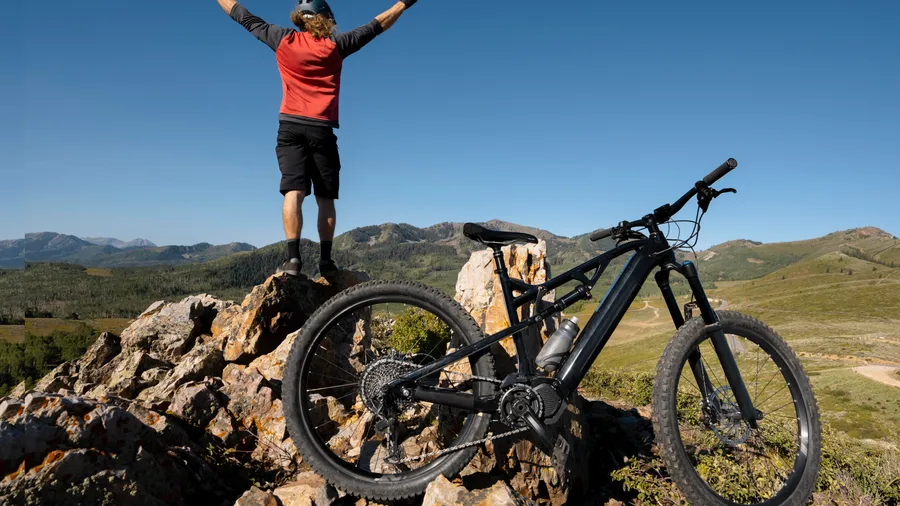
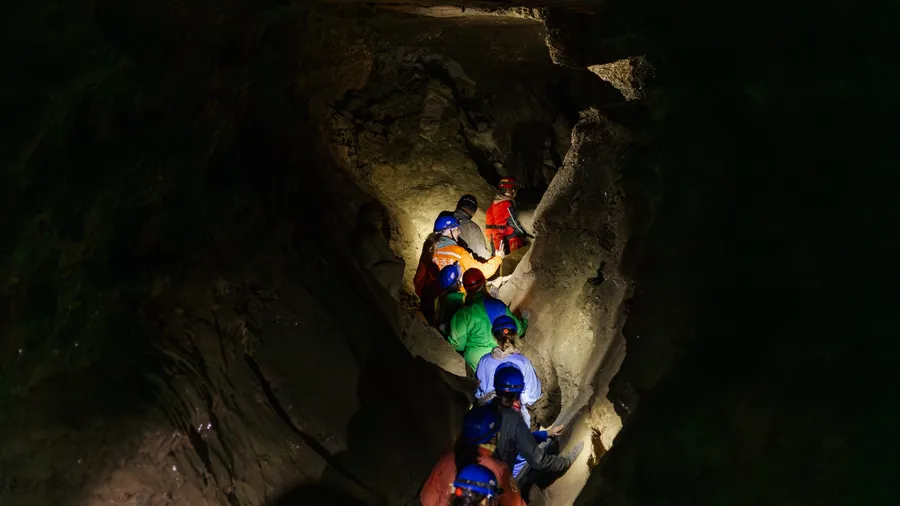
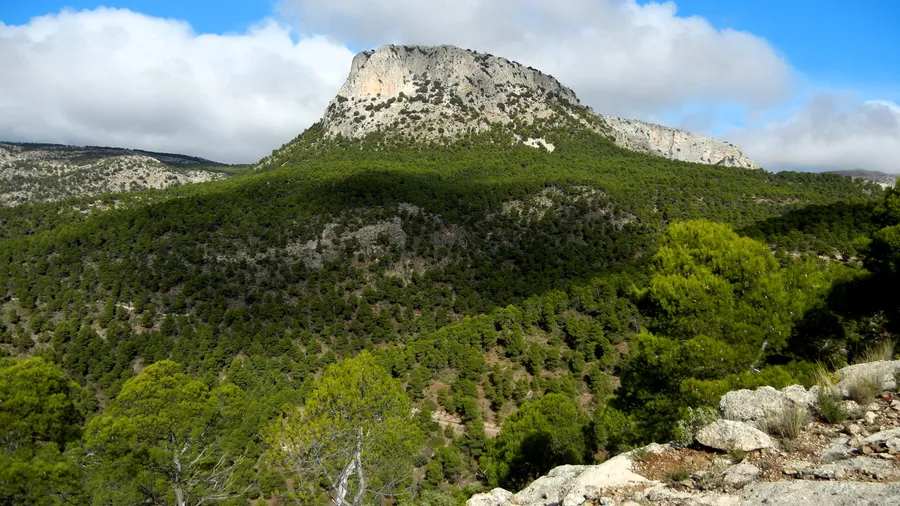
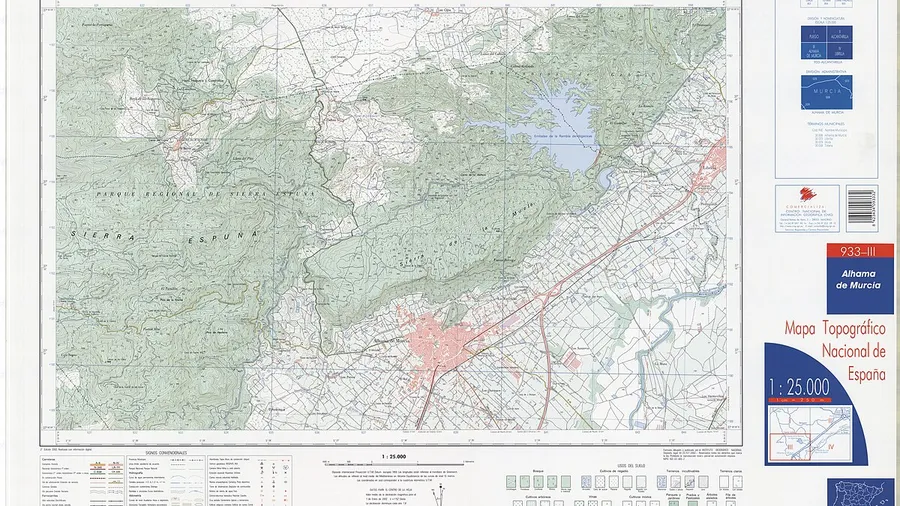
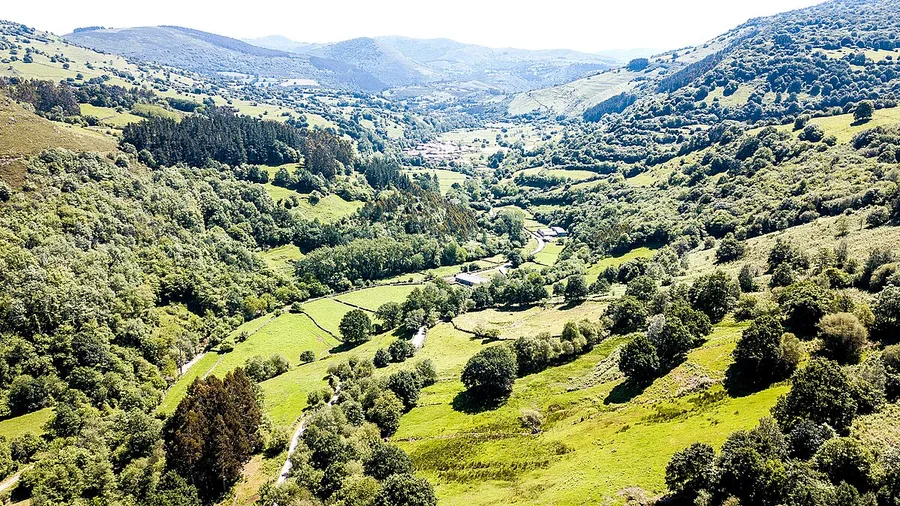
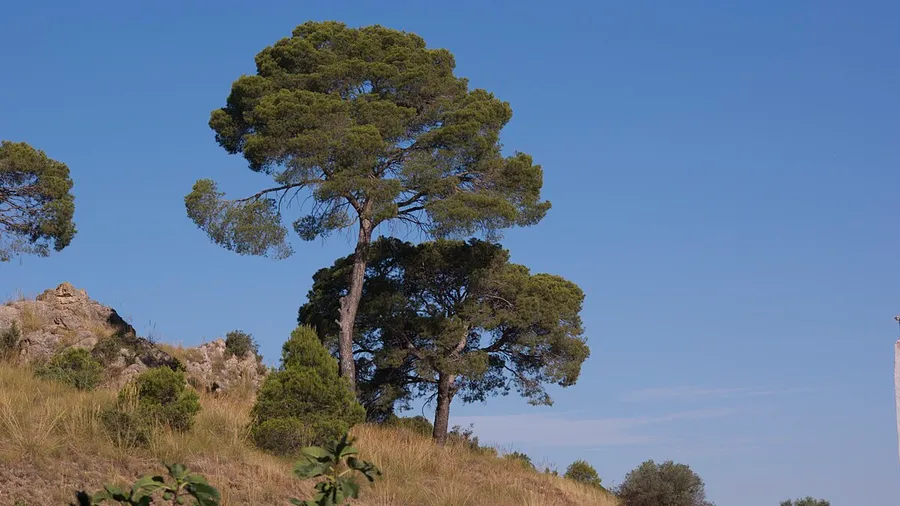
Inland, Sierra Espuña peaks at 1,585 m on Pico del Morrón del Jorel. Its 17,804 hectares of Aleppo pine and deciduous forest host technical hiking, MTB on singletracks with 900-metre elevation gains, and climbing on limestone walls up to 200 metres high. Cueva del Puerto, near Cieza, holds an 800-metre gallery with unique stalagmite formations and Palaeolithic archaeological deposits.
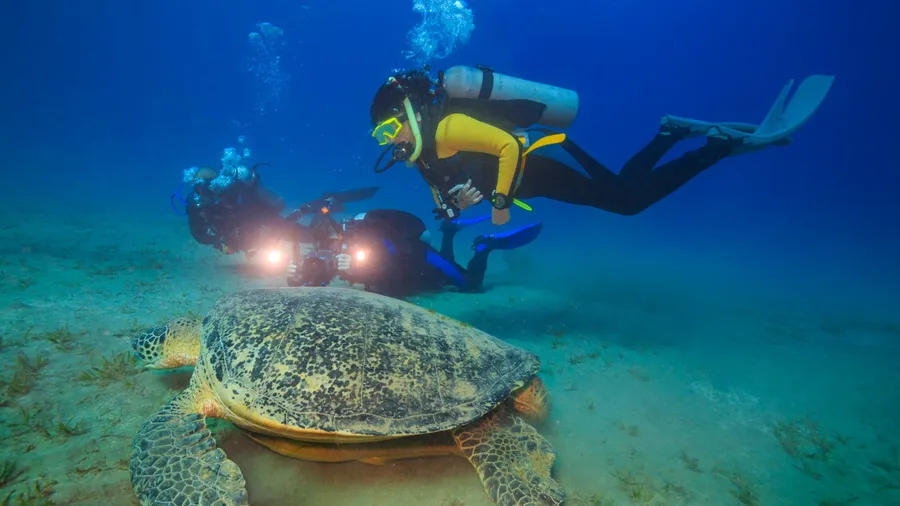
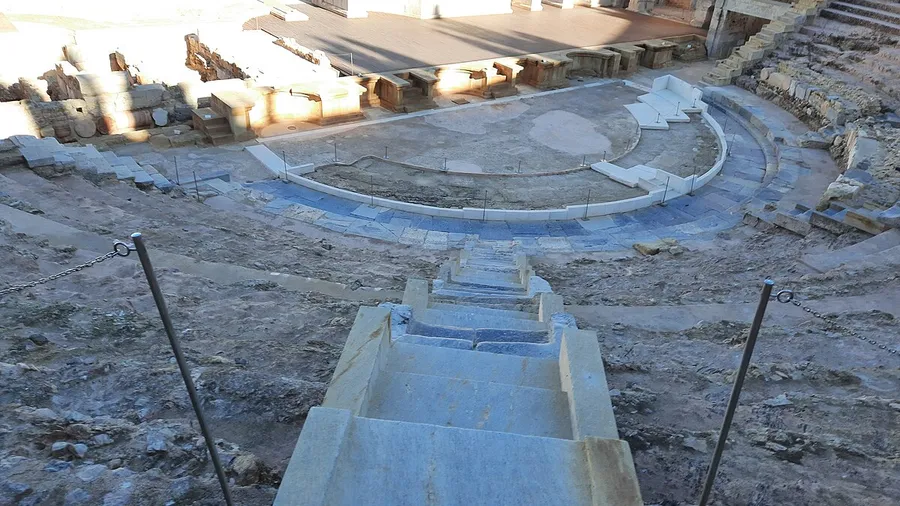
Cartagena adds Roman history and underwater archaeology: the ancient harbour of Carthago Nova shelters Punic and Roman wrecks at 5–30 metres depth, documented by the National Museum of Underwater Archaeology. Between sierra and coast, the Segura river canyon and the Calares del Mundo y de la Sima complete a varied catalogue for climbers, speleologists and mountain cyclists.
Highlights
• Windsurfing and kitesurfing on the Mar Menor, Europe's largest coastal lagoon
• Hiking and MTB in Sierra Espuña with 900-metre elevation gains
• Diving over Roman and Punic wrecks off Cartagena
• Caving in Cueva del Puerto with 800 metres of gallery
• Climbing on limestone walls up to 200 metres high inland
Best time to visit
Spring and autumn are ideal for hiking, MTB and climbing in Sierra Espuña (15–22 °C). Summer concentrates the most water sports on the Mar Menor. Winter allows diving with less crowding.
Practical tips
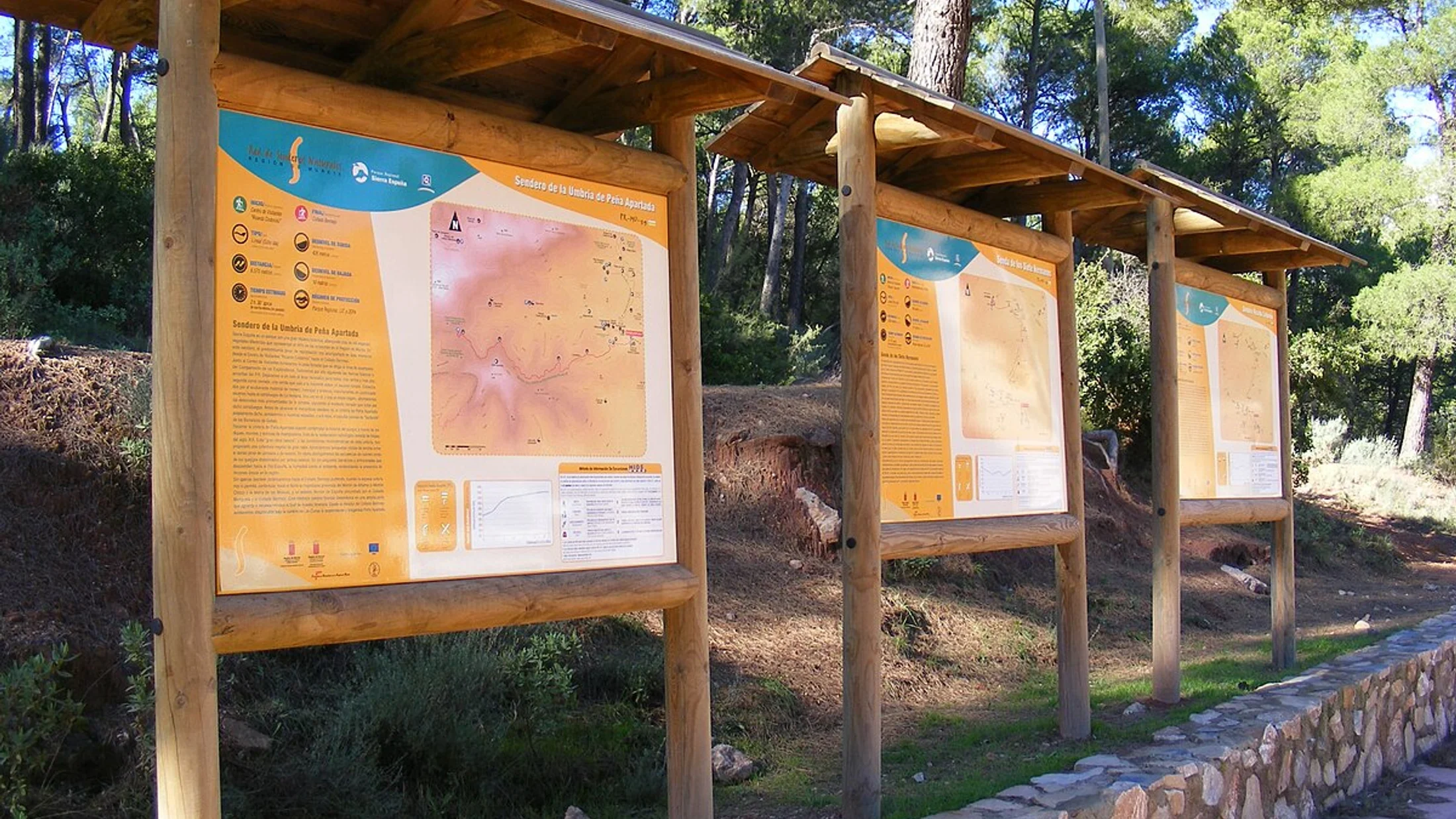
For Calblanque in summer, arrive before 9:00 or use public transport from La Manga. In Sierra Espuña, the route map from the Ricardo visitor centre includes altitudes, elevation profiles and water points. For diving in Cartagena, confirm with each operator whether the dive includes equipment rental or guide-only service.
From May to October, underwater visibility exceeds 15 metres and water temperature ranges from 18 °C to 26 °C. Currents are calmer in June and September.
What level is required for MTB in Sierra Espuña?
There are circuits for all levels. Northern singletracks require intermediate technique and good fitness; southern forest tracks suit riders with basic experience.
Can you visit Calblanque without a reservation?
In summer, private vehicle access is regulated and parking spots must be booked in advance. Foot and bicycle access does not require a reservation.
Are visits to Cueva del Puerto guided?
Yes, visits always take place with a specialist guide. Duration is approximately 90 minutes and group size is limited.





 0
0  0
0  0
0  0
0