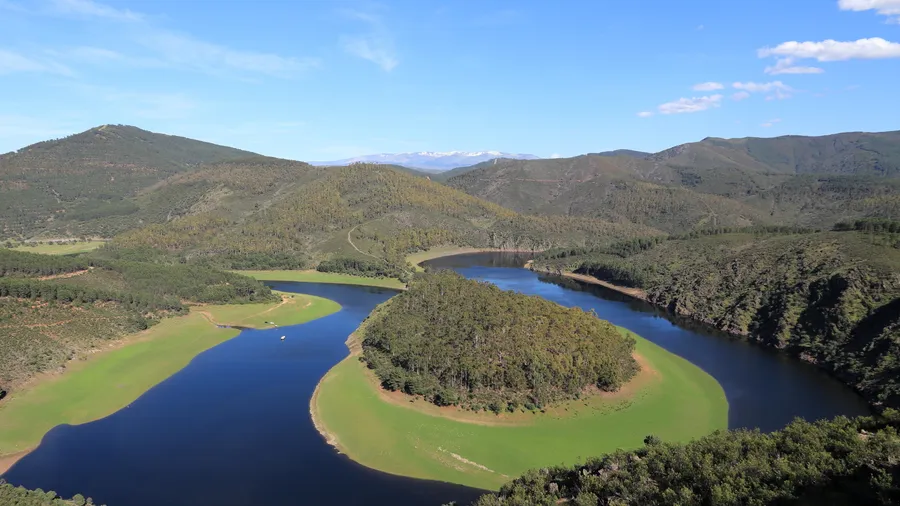
Extremadura brings together 92 activities around one of the Peninsula's quietest landscapes. Monfragüe, a national park since 2007, protects 18,118 hectares of Mediterranean forest along the Tajo river. The confluence of the Tajo and Tiétar rivers forms a freshwater corridor hosting Spain's largest colony of cinereous vultures —around 300 pairs— alongside black storks, imperial eagles and Iberian lynx. Birds and mammals can be spotted from the Peñafalcón viewpoint (260 metres above the river) wi...
Extremadura brings together 92 activities around one of the Peninsula's quietest landscapes. Monfragüe, a national park since 2007, protects 18,118 hectares of Mediterranean forest along the Tajo river. The confluence of the Tajo and Tiétar rivers forms a freshwater corridor hosting Spain's largest colony of cinereous vultures —around 300 pairs— alongside black storks, imperial eagles and Iberian lynx. Birds and mammals can be spotted from the Peñafalcón viewpoint (260 metres above the river) without a guide, though specialist observers triple the number of sightings.
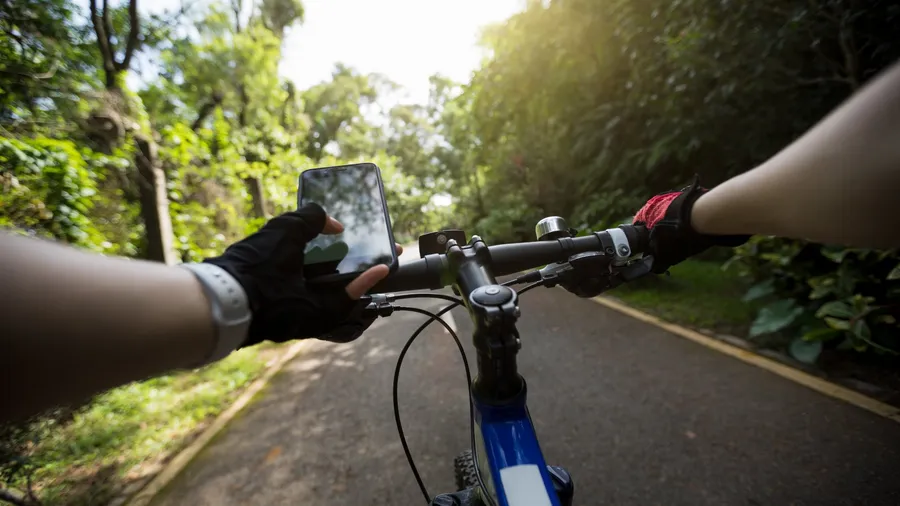
The Extremaduran dehesa, with 1.5 million hectares of holm oak and cork oak, defines the landscape of the horseback route along the Vía de la Plata. This 630-kilometre Roman road crosses Extremadura north to south and allows daily stages of 25–35 km with rural guesthouses at each stop. By bicycle, the cycle-touring track follows the historic route with gentle gradients and dehesa crossings lasting 7–10 days.
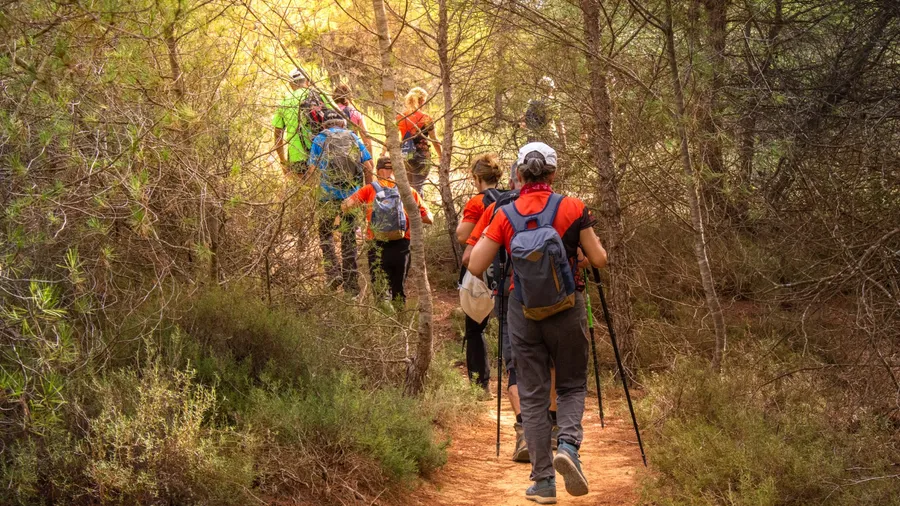
The Villuercas-Ibores-Jara Geopark, listed in the UNESCO Global Geoparks Network, features horseshoe-shaped ridges over 500 million years old with Romanesque chapels built into the crags. Its 140,000 hectares host marked hiking routes from easy to moderate and stargazing points free of light pollution.
Highlights
• Birdwatching in Monfragüe with Spain's largest cinereous vulture colony
• Horseback riding along the Vía de la Plata through holm oak dehesa
• Cycle touring on the historic Roman road alignment
• Hiking in Villuercas-Ibores-Jara Geopark across 500-million-year-old ridges
• Stargazing free of light pollution in the Extremaduran interior
Best time to visit
Spring (March–June) for birdwatching and hiking at 15–25 °C. Autumn for cycle touring through the dehesa. Avoid July and August inland: heat exceeds 40 °C.
Practical tips
In Monfragüe, the Peñafalcón viewpoint is the most productive spotting point: arrive before 8:00 in spring. For cycle touring on the Vía de la Plata, book accommodation weeks ahead during Easter. Carry enough water: route springs are scarce in summer.
What time of year is best for birdwatching in Monfragüe?
March to June to see cinereous vulture and black stork colonies during breeding season. October and November are good for migratory passage. In winter there are fewer species but bare vegetation makes sightings easier.
Can you complete the full Vía de la Plata on horseback through Extremadura?
Yes. The Extremaduran section (Seville to Salamanca) covers 520 km with accommodation services and equipment transfers between stages. Most operators offer 3–7 day segments with full logistics.
What is the Villuercas Geopark and what activities does it offer?
It is a 500-million-year-old geological formation recognised by UNESCO. It offers hiking, cycle touring, guided visits to Cambrian slates and quartzites, and certified stargazing points.