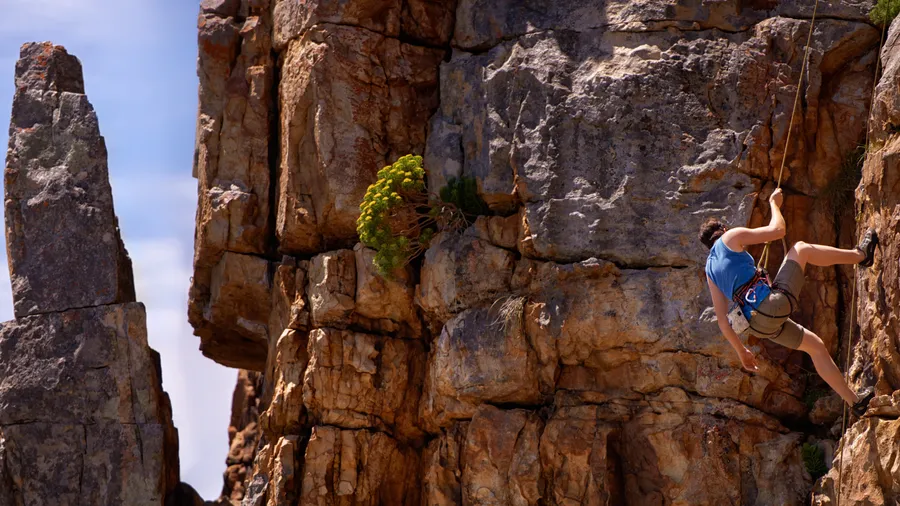
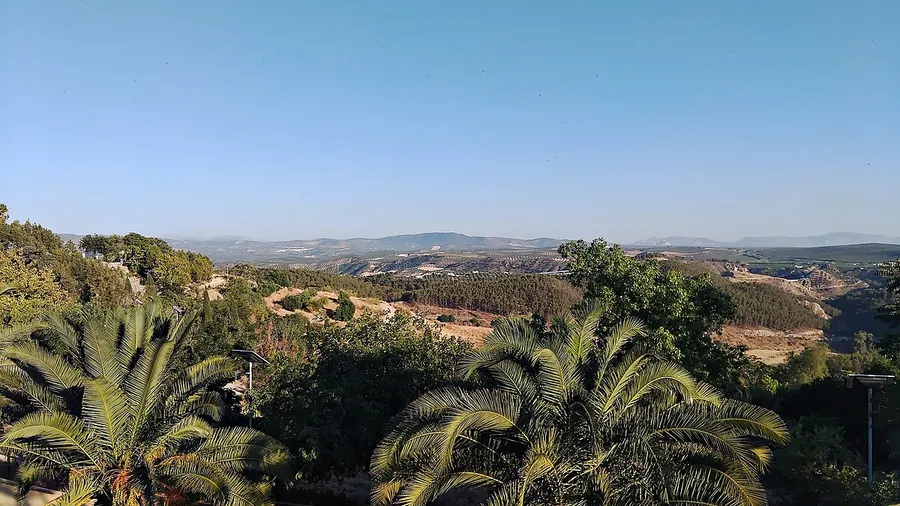
The province of Córdoba unfolds a landscape alternating olive-growing flatlands with the northern sierras and the Subbetic range to the south, offering cycling, hiking and kayaking routes that cross very different ecosystems in short distances. The Sierras Subbéticas Natural Park concentrates the greatest diversity of activities in the territory: the Bailón canyon, with its limestone walls of over 100 m, is the setting for sport climbing in the area, while the Laguna de Zóñar, just a few kilomet...
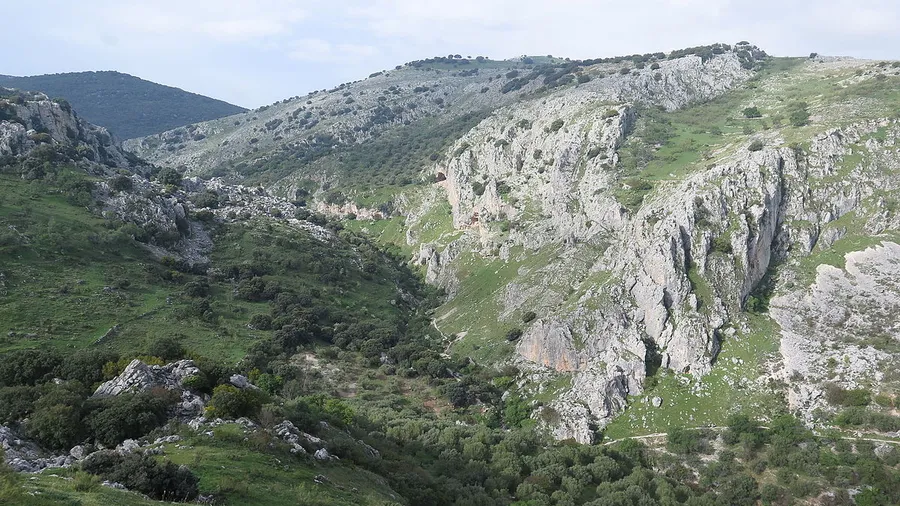
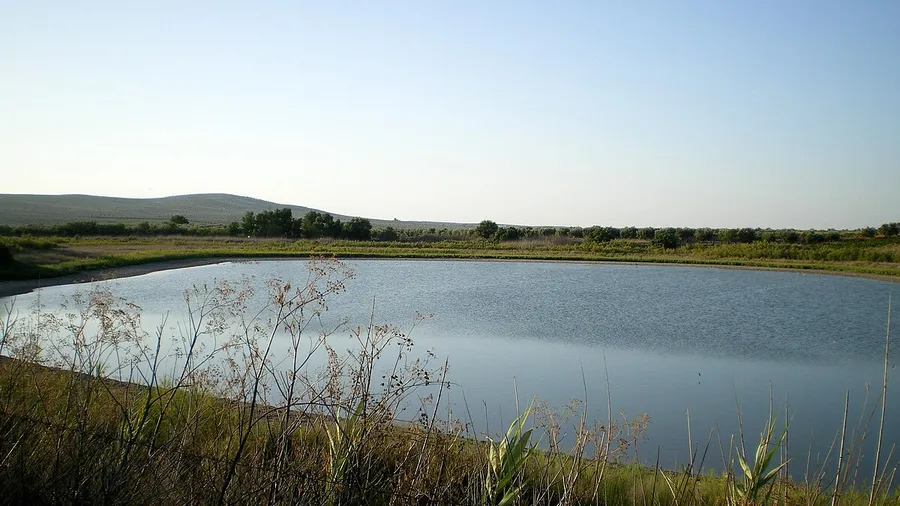
The province of Córdoba unfolds a landscape alternating olive-growing flatlands with the northern sierras and the Subbetic range to the south, offering cycling, hiking and kayaking routes that cross very different ecosystems in short distances. The Sierras Subbéticas Natural Park concentrates the greatest diversity of activities in the territory: the Bailón canyon, with its limestone walls of over 100 m, is the setting for sport climbing in the area, while the Laguna de Zóñar, just a few kilometres away, hosts one of Andalusia's most important flamingo colonies and is a national reference for waterbird watching.
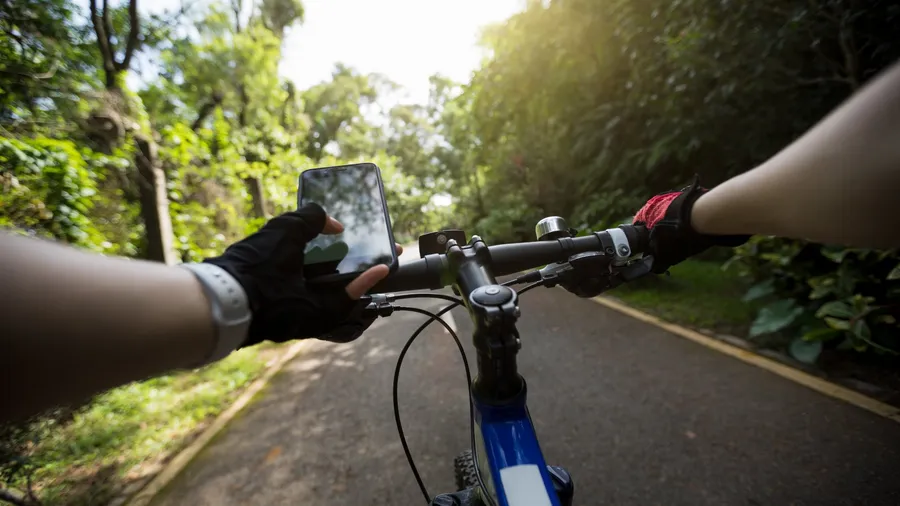
Cycling finds in the province two of the longest greenways in southern Spain. The Vía Verde de la Campiña covers 55 km between Puente Genil and Marchena on the trackbed of a mining railway, crossing dehesas and cereal fields with minimal elevation change. Further south, the Vía Verde del Aceite connects the province with the Jaén border along 128 km of motor-free path crossing cortijos, centuries-old olive groves and cast-iron viaducts. Both routes suit any type of bicycle and require no technical experience.
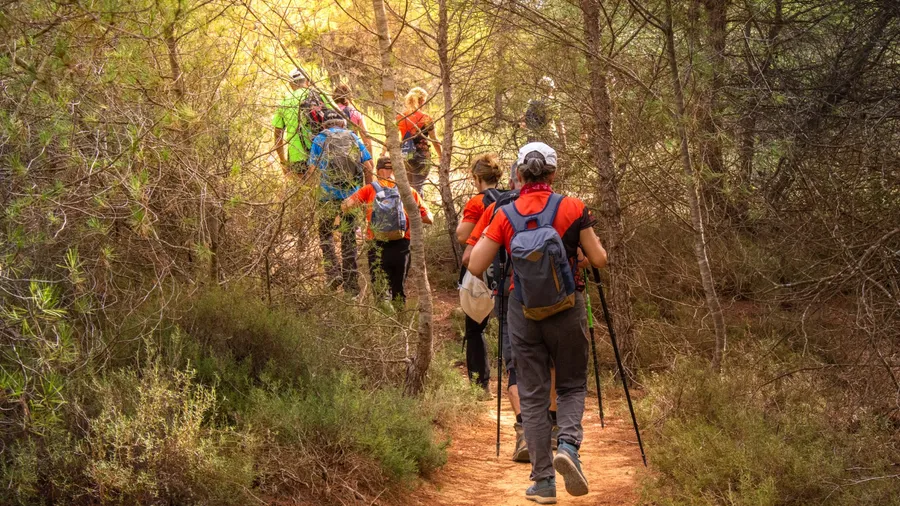
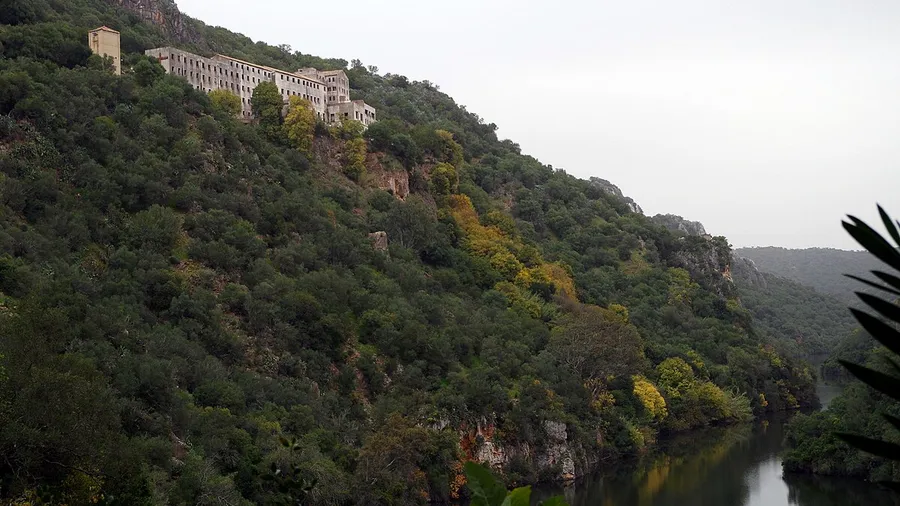
In the Sierra Norte de Córdoba, the cork oak forests of the Hornachuelos Natural Park harbour black vulture, black stork and red kite populations, making the area one of Andalusia's best birdwatching destinations. Walking routes along the Guadalquivir riverbanks in this stretch allow visitors to approach observation posts with raptors in flight at close range. To the east, the Guadiato river gorges offer inland kayaking sections and the Sierra de Cabra concentrates hiking with access to the Subbetics' highest point.
Highlights
• Vía Verde del Aceite: 128 km cycling through centuries-old olive groves and historic viaducts
• Sport climbing in the Bailón canyon (Sierras Subbéticas Natural Park)
• Flamingo and waterbird watching at Laguna de Zóñar
• Birdwatching in Hornachuelos: black vulture, black stork and red kite
• Vía Verde de la Campiña: 55 km cycling between Puente Genil and Marchena
• Hiking in Sierra de Cabra: access to the Subbetics' highest point
Best time to visit
Autumn (Sep–Nov) and winter (Dec–Feb) for birdwatching and cycling the greenways, with temperatures of 15–22 °C. Spring for climbing and hiking in the Subbetics. Summer can be very hot in the flatlands (35–40 °C).
Practical tips
For the Vía Verde del Aceite, bicycle rental is available in Cabra and Lucena. Sun can be intense on the plain in spring: bring sunscreen and enough water (springs are scarce outside towns). For birdwatching at Zóñar, arrive before 8 am and wear neutral-coloured clothing; the lagoon has a ground-level hide.
Flamingos are present almost year-round, but the colony is largest from October to March, when many birds overwinter at the lagoon. Water level is key: in dry years numbers may be reduced.
Can the full Vía Verde del Aceite be done in a single day?
The full 128 km requires two days by mountain or gravel bike. The most popular stretch is Cabra to Alcaudete (60 km), passing the finest olive grove scenery and historic viaducts. Rural accommodation is available at several points.
Where is the climbing in the Sierras Subbéticas?
The Bailón canyon, near Zuheros, has the most frequented sectors: routes from 5a to 7c on limestone with natural holds. The village of Zuheros hosts climbing meets in autumn and serves as the base for the area.
Is kayaking possible on Córdoba province rivers?
The lower Guadiato and Sierra Norte reservoirs offer flatwater kayaking. There are no technical whitewater rivers in the province, but the Iznájar and Malpasillo reservoirs are suitable for kayaking and paddleboarding.
Are there guided raptor watching activities in Hornachuelos?
Yes. Hornachuelos Natural Park has guided hiking routes with black vulture and black stork observation points. Spring is the most active period, when birds are at the nests. Some operators offer 4WD safaris.




 0
0