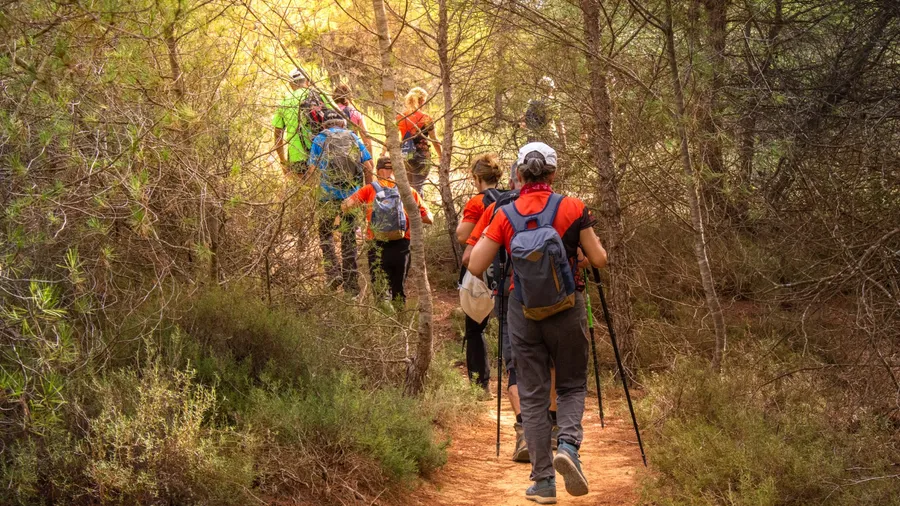
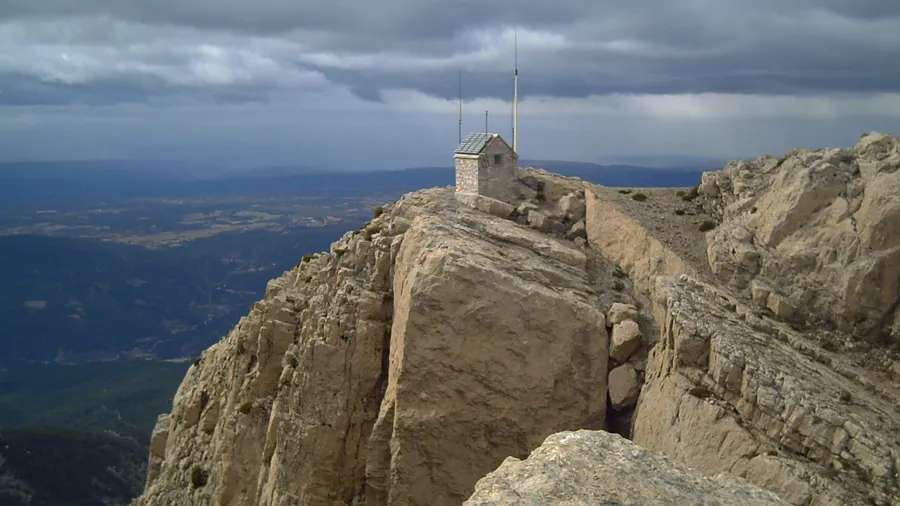
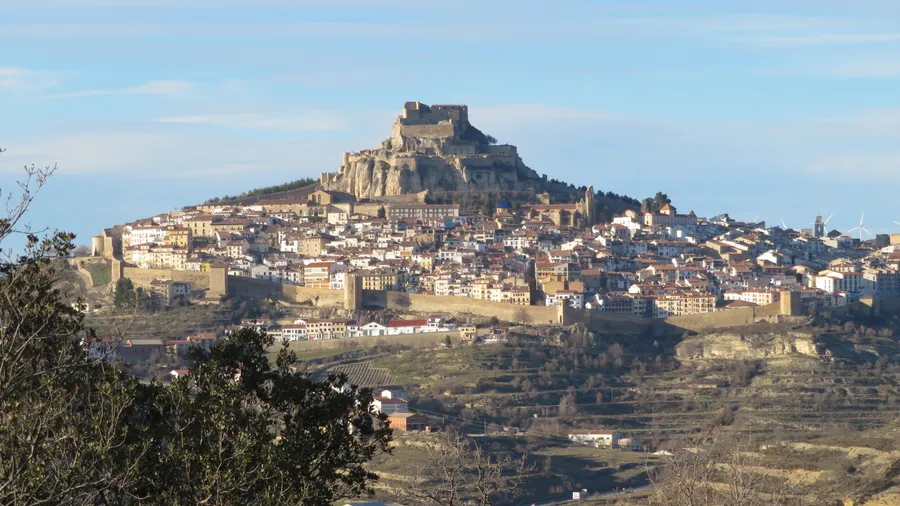
Castellón covers from the Mediterranean to the Maestrazgo highlands in just a few kilometres of altitude change. Penyagolosa, at 1,814 metres, is the highest peak in the Valencian Community and is reached from Sant Joan de Penyagolosa on the GR-7: a 12-kilometre route with 800 metres of elevation gain through pine and juniper that can be snow-covered in winter. The Maestrazgo to the north connects medieval villages above 1,000 metres via lightly used hiking trails through tableland and canyon sc...
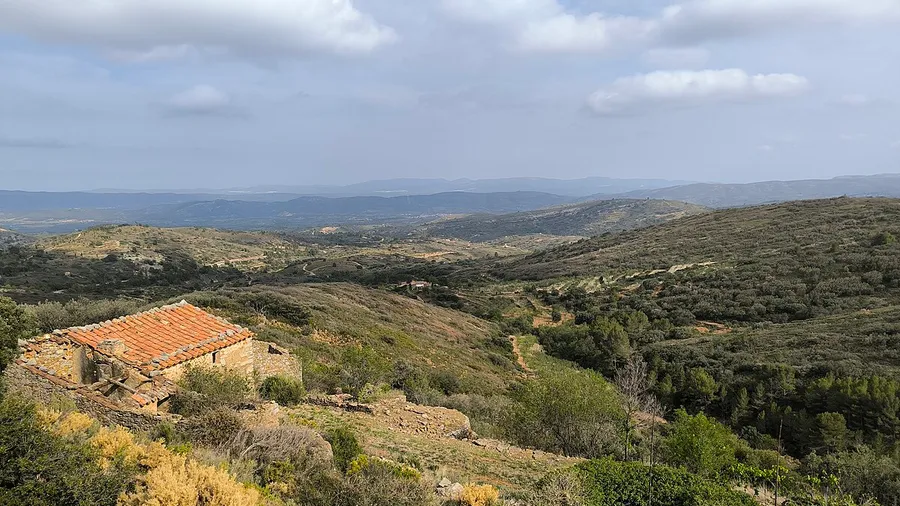
Castellón covers from the Mediterranean to the Maestrazgo highlands in just a few kilometres of altitude change. Penyagolosa, at 1,814 metres, is the highest peak in the Valencian Community and is reached from Sant Joan de Penyagolosa on the GR-7: a 12-kilometre route with 800 metres of elevation gain through pine and juniper that can be snow-covered in winter. The Maestrazgo to the north connects medieval villages above 1,000 metres via lightly used hiking trails through tableland and canyon scenery.
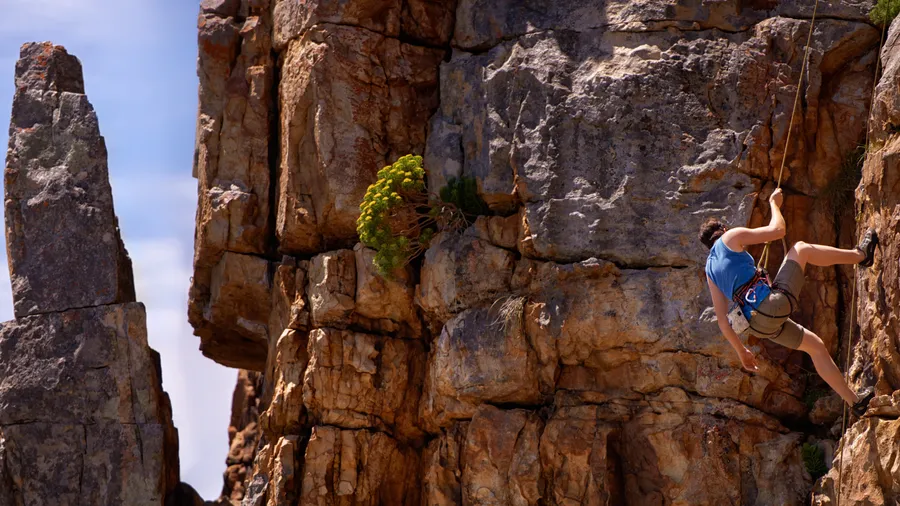
Canyoning at the Chorro de Lucena descends a limestone gorge with abseils of up to 30 metres and clear pools suitable for swimming in summer. On the coast, the Columbretes Islands are a marine reserve with restricted access: only 50 divers per day are permitted entry, maintaining underwater wildlife density among the highest in the western Mediterranean. Currents around the islands are technical and visibility exceeds 30 metres in normal conditions.
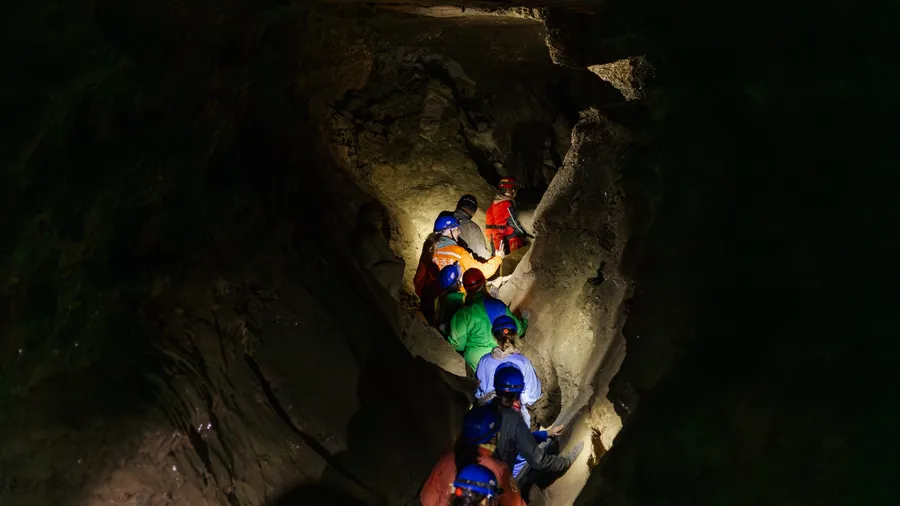
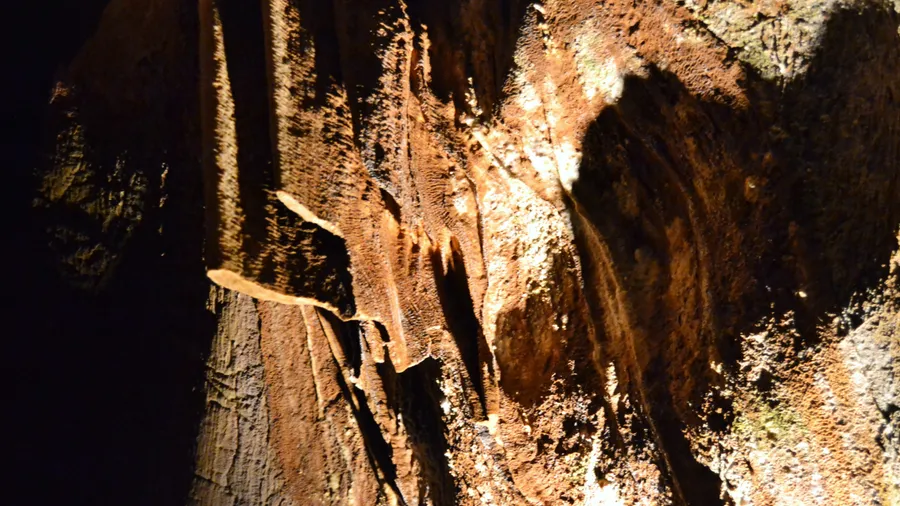
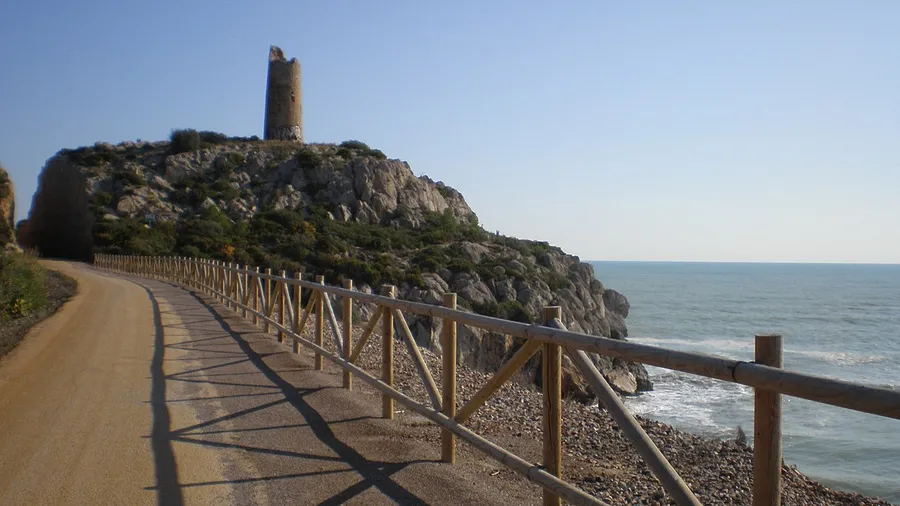
The Coves de Sant Josep in Vall d'Uixò are considered the longest navigable underground river system in Europe, with 1,200 metres accessible by motor boat. Cycling finds its ground in the Desert de les Palmes natural park near Benicàssim, with gravel tracks through pine forest and hermitages overlooking the Mediterranean.
Highlights
• Penyagolosa (1,814 m): highest peak in the Valencian Community via GR-7
• Diving at Columbretes: marine reserve, 30 m visibility, 50 divers/day
• Canyoning at Chorro de Lucena: abseils up to 30 m on limestone
• Coves de Sant Josep: 1,200 m of navigable underground river by boat
• Cycling in Desert de les Palmes: gravel tracks with Mediterranean views
Best time to visit
May to June and September to October for Columbretes diving: visibility is at its best and currents are more predictable. Summer for canyoning at the Chorro de Lucena with warm pools. Penyagolosa summit is best from May to October; in winter you need specific gear.
Practical tips
For Penyagolosa, parking at Sant Joan de Penyagolosa is limited; on weekends arrive before 09:00. Trips to Columbretes require your own boat or booking with an operator; the crossing from Castellón harbour takes about 90 minutes. For Desert de les Palmes, the gravel tracks suit gravel or MTB bikes; in summer set out early as some sections have no shade.
How do you book a diving permit for the Columbretes Islands?
The 50 daily spots are managed through the Valencian Government's Environment Department. Permits can be requested online months in advance, especially for July and August. Dive shops in Castellón city and Oropesa typically hold licences to operate in the reserve.
What level is needed for canyoning at the Chorro de Lucena?
The canyon has beginner-friendly sections suitable for first-timers with a guide, as well as more technical sections with long abseils and deep pools. In summer the water is around 15–18 °C; a 3 mm wetsuit is recommended though not always mandatory depending on the operator.
Can you climb Penyagolosa in winter?
Yes, but check snow conditions. In January and February the summit can have 20 to 80 cm of snow; aluminium crampons and poles are recommended. The route from Sant Joan de Penyagolosa is well marked but trail signs can be buried under heavy snow.
How long does a visit to the Coves de Sant Josep take?
The guided boat trip lasts 45 minutes to one hour. No experience or special equipment is needed. The route is accessible for people with reduced mobility on the boat, though the dock area has some steps.



 0
0  0
0  0
0