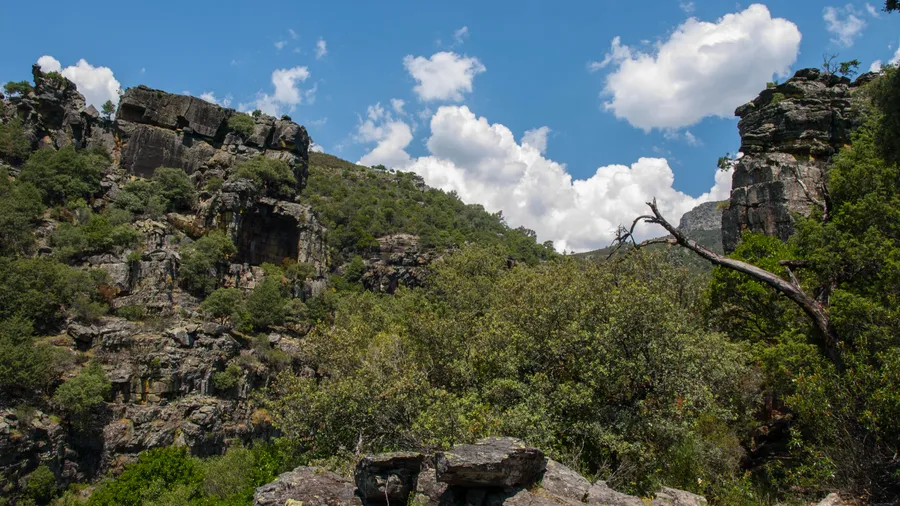
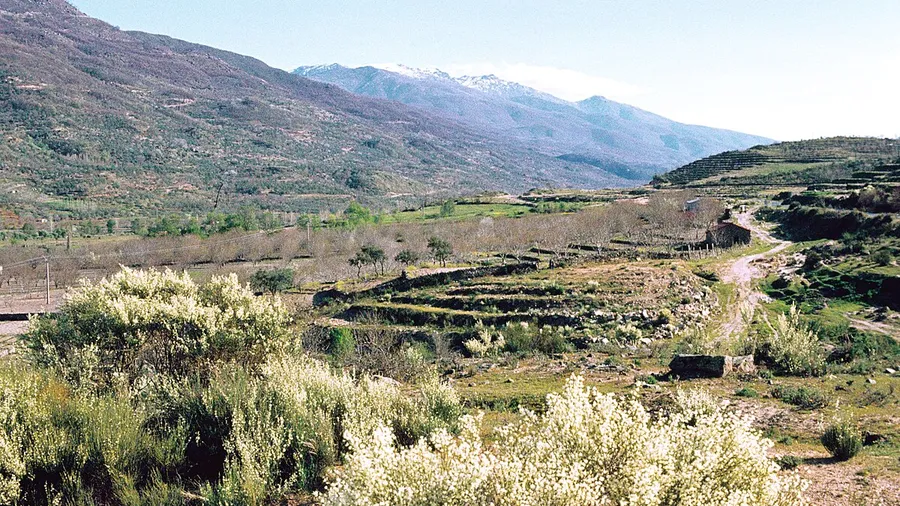
Cáceres is the capital of one of the provinces with the largest area of well-preserved dehesa in Europe, a landscape of holm oak, cork oak and pastureland that offers ideal conditions for birdwatching and low-intensity outdoor activities. Monfragüe National Park, 50 kilometres from the city, is Spain's leading destination for spotting black vultures, Spanish imperial eagles and black storks, with hiking routes across slate and quartzite terrain above the Tagus river and Alcántara reservoir.
The...
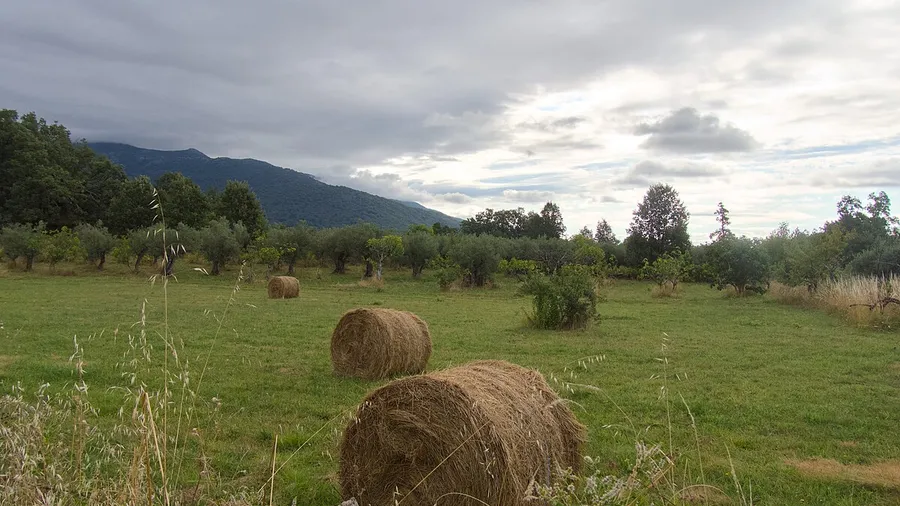
Cáceres is the capital of one of the provinces with the largest area of well-preserved dehesa in Europe, a landscape of holm oak, cork oak and pastureland that offers ideal conditions for birdwatching and low-intensity outdoor activities. Monfragüe National Park, 50 kilometres from the city, is Spain's leading destination for spotting black vultures, Spanish imperial eagles and black storks, with hiking routes across slate and quartzite terrain above the Tagus river and Alcántara reservoir.
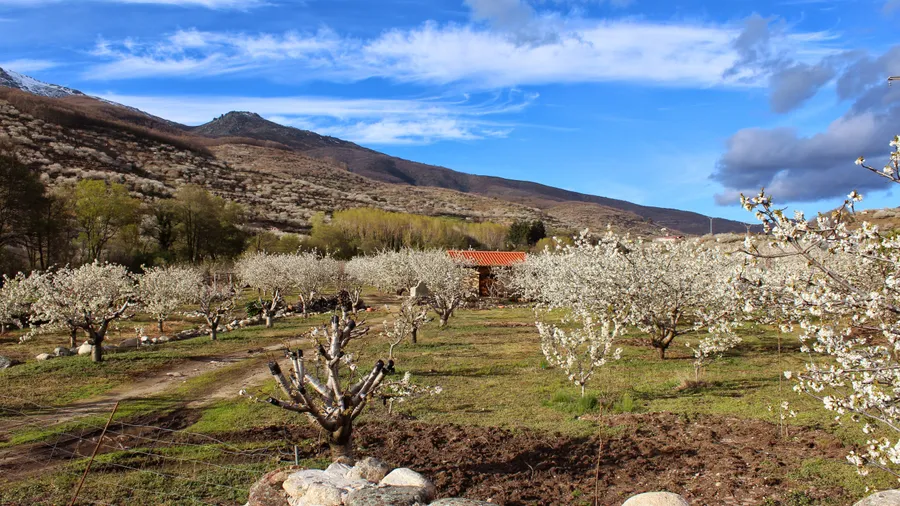
The drover's roads crossing the Cáceres dehesa allow horse riding and mountain biking through livestock country with little human impact. Hiking routes in the Cornalvo Nature Reserve and the southern Montes de Toledo complete an offering that appeals particularly to those seeking silence and contact with unspoilt nature. The Extremaduran climate, with hot summers and mild winters, makes spring and autumn the most recommended seasons.
Highlights
• Birdwatching for black vultures and Spanish imperial eagles in Monfragüe National Park
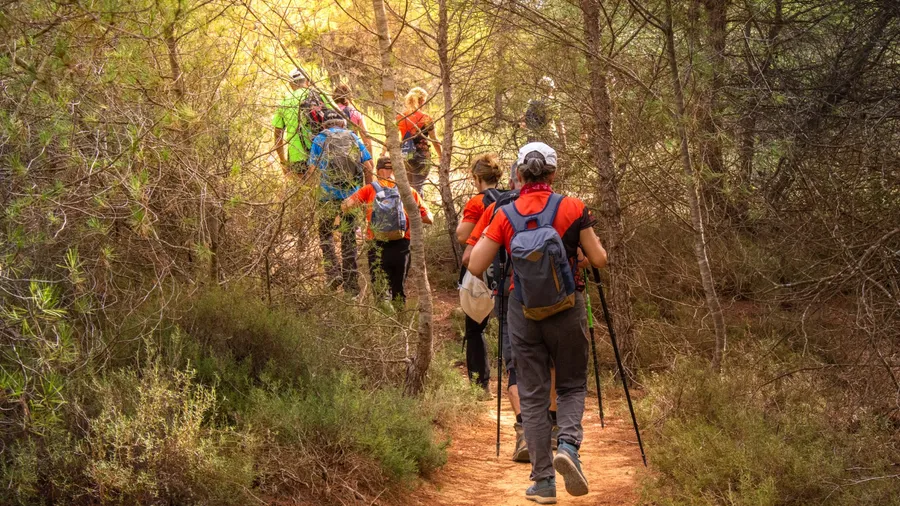
• Hiking across slate and quartzite terrain above the Tagus river and Alcántara reservoir
• Horse riding through the Cáceres dehesa along historic drover's roads
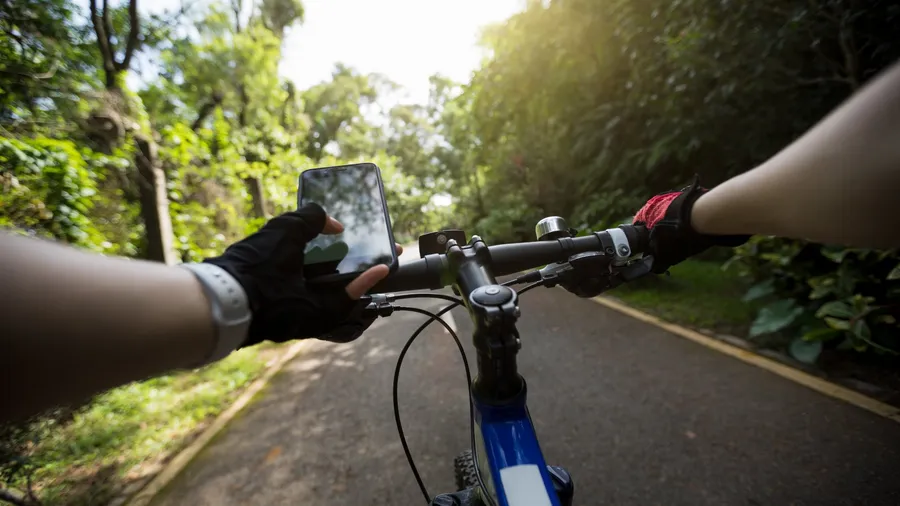
• Mountain biking through holm oak and pastureland with very few other visitors
Best time to visit
Spring is the best time for birdwatching in Monfragüe and hiking through the dehesa, with birds of prey in full nesting season.
Practical tips
Wear neutral-coloured clothing and bring at least 8x42 binoculars for birdwatching in Monfragüe: silence is the key to spotting black stork nests.
Cáceres stands out for birdwatching in Monfragüe with birds of prey, hiking through the dehesa and along the Tagus, horse riding on drover's roads and mountain biking. It is particularly recommended for those seeking quiet nature and biodiversity away from crowded tourist circuits.
When is the best time to visit Cáceres and Monfragüe National Park?
Spring (March–May) is the golden season: black vultures are nesting on the crags, black storks are at their nests and the vegetation is green. Autumn is also excellent. Summer is very hot in the dehesa (>38 °C) and is not recommended for physical activity at midday.
How do I book nature activities in Cáceres and Monfragüe?
On Picuco you will find certified ornithological guides and equestrian tourism companies with experience in the Extremaduran dehesa. Most birdwatching outings include binoculars and a specialist guide. Book in advance for the spring routes in Monfragüe.