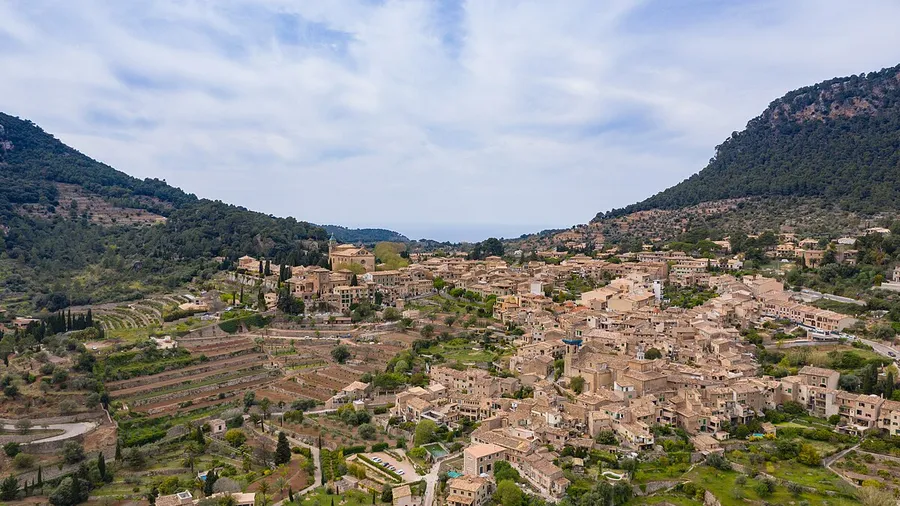
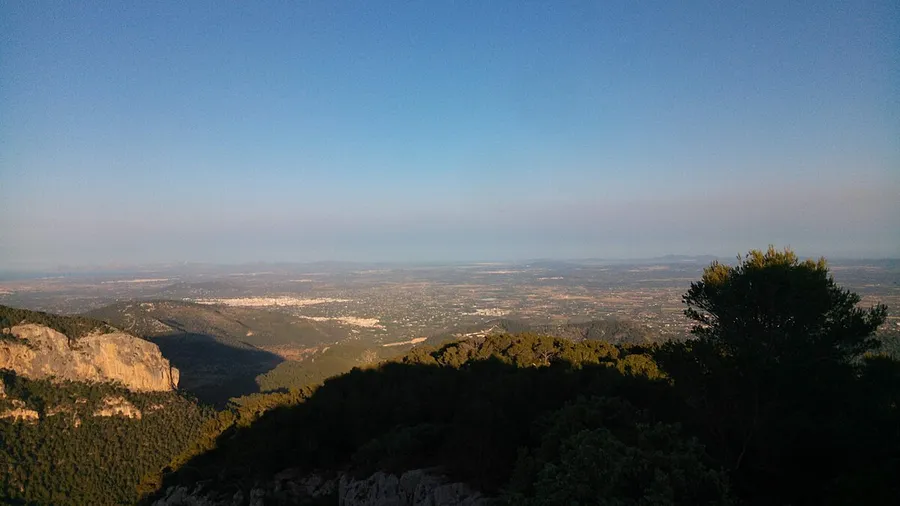
The Balearic Islands are four main islands in the western Mediterranean, combining mountain, coast and seabed in a way that allows alternating activities within a single day. Mallorca is the largest island and holds the greatest diversity: the Serra de Tramuntana, a UNESCO World Heritage Site, runs 90 km from Andratx to Pollença with peaks up to 1,445 metres at Puig Major. The GR221 hiking route, known as the Dry Stone Route, covers 150 km through centuries-old olive groves, dry-stone villages a...
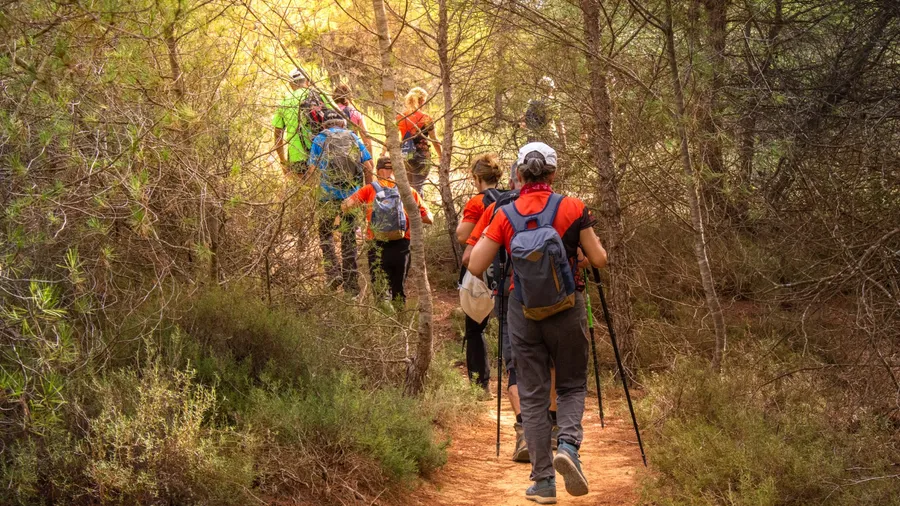
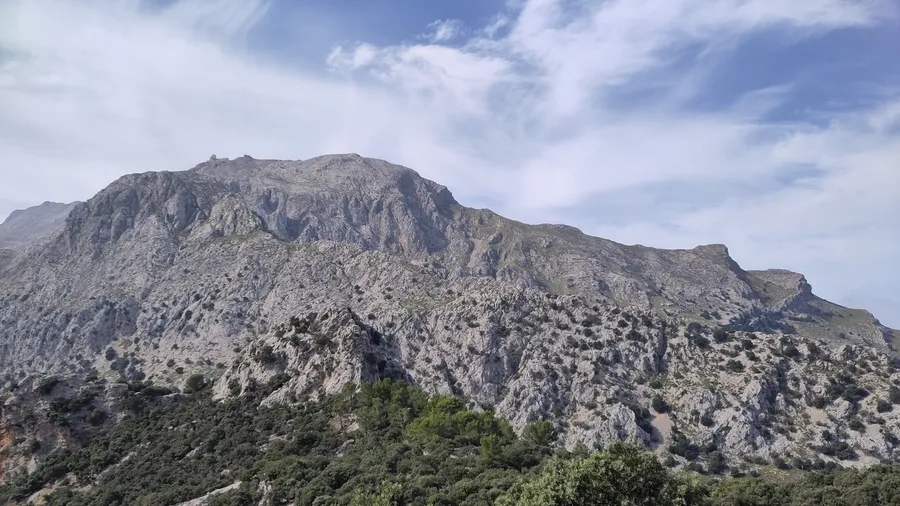
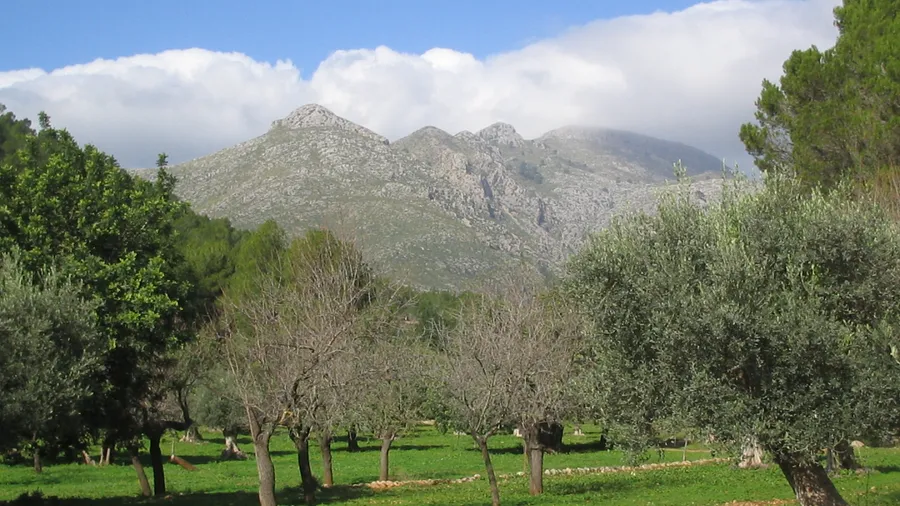
The Balearic Islands are four main islands in the western Mediterranean, combining mountain, coast and seabed in a way that allows alternating activities within a single day. Mallorca is the largest island and holds the greatest diversity: the Serra de Tramuntana, a UNESCO World Heritage Site, runs 90 km from Andratx to Pollença with peaks up to 1,445 metres at Puig Major. The GR221 hiking route, known as the Dry Stone Route, covers 150 km through centuries-old olive groves, dry-stone villages and viewpoints over the Mediterranean, with thirteen stages and a network of refuges and hostels that makes it walkable in full over fourteen days.
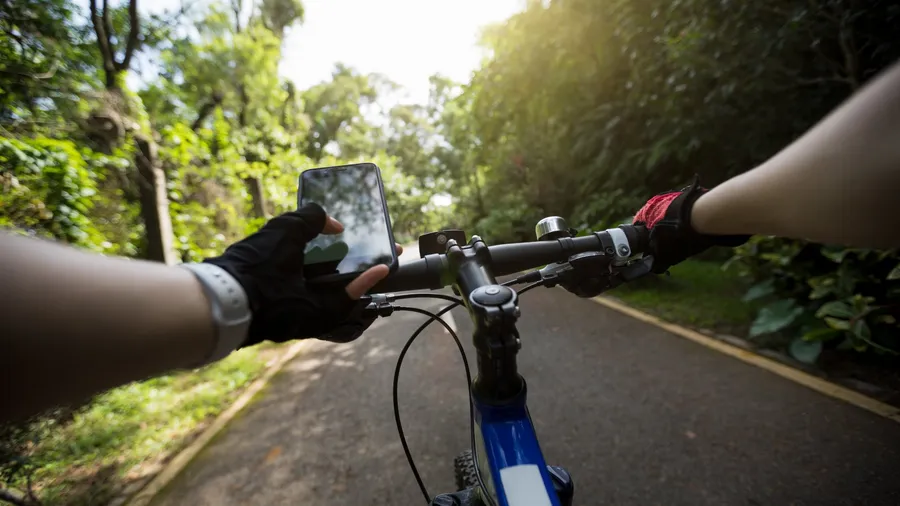
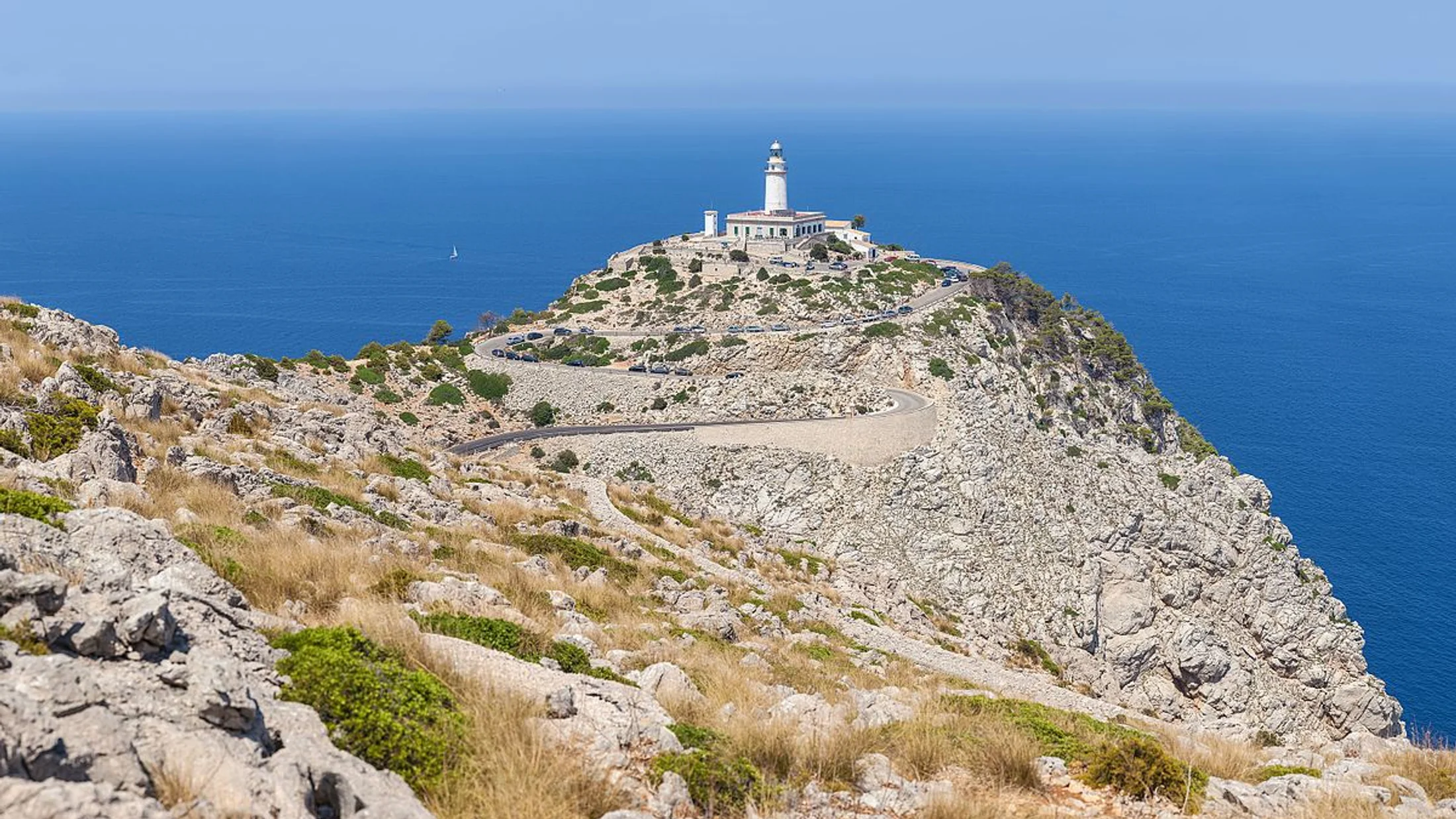
Road cycling in Mallorca has international reach: the Coll de Sa Batalla, Sa Calobra and Puig Major passes draw groups of cyclists between February and May, when temperatures are low on the mainland and passes are clear of snow. Sa Calobra is one of Spain's most demanding descents — 9 km of tight switchbacks down to sea level. Mountain bike touring has its own circuit through the Serra with technical singletrack routes.
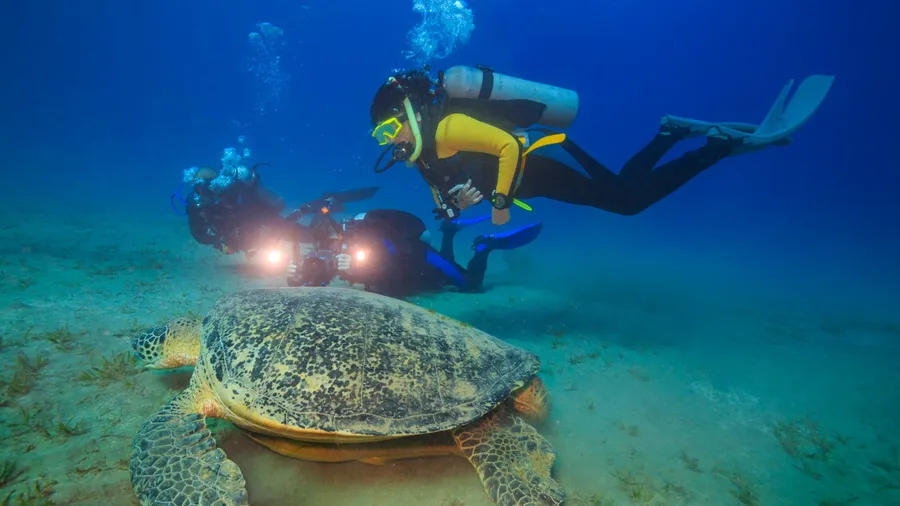
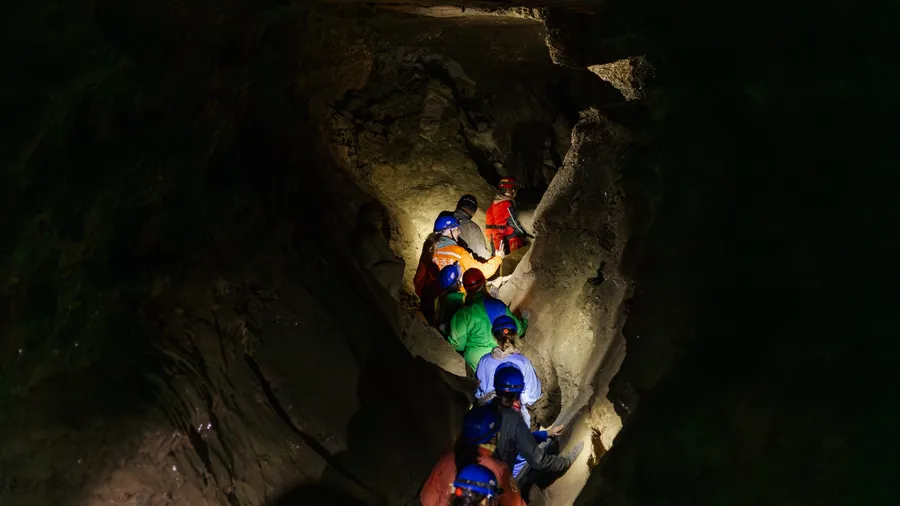
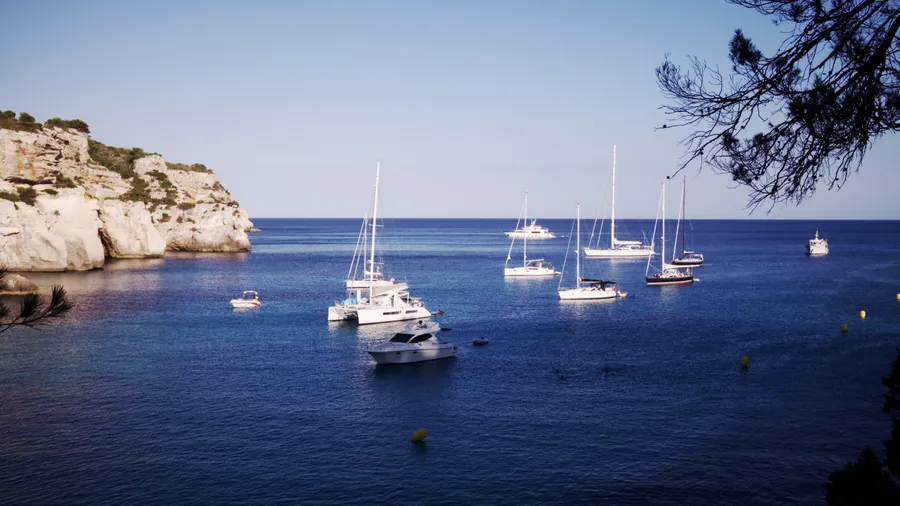
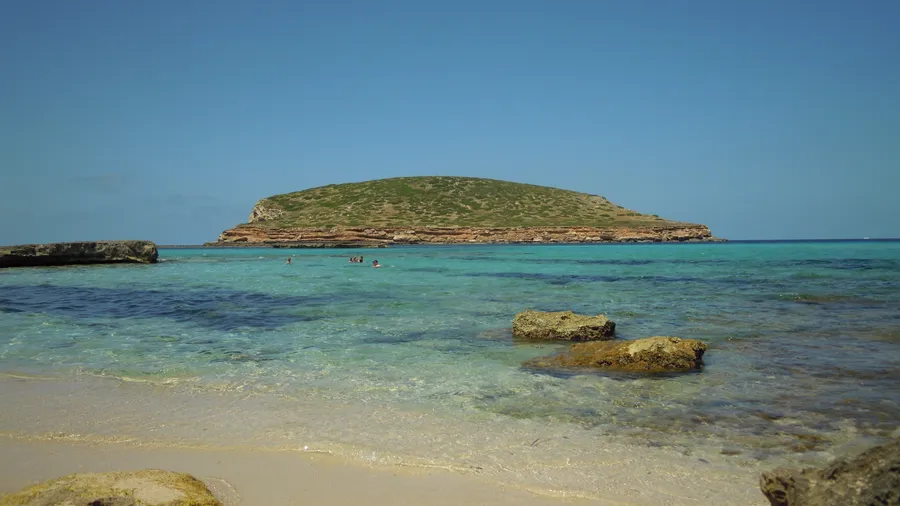
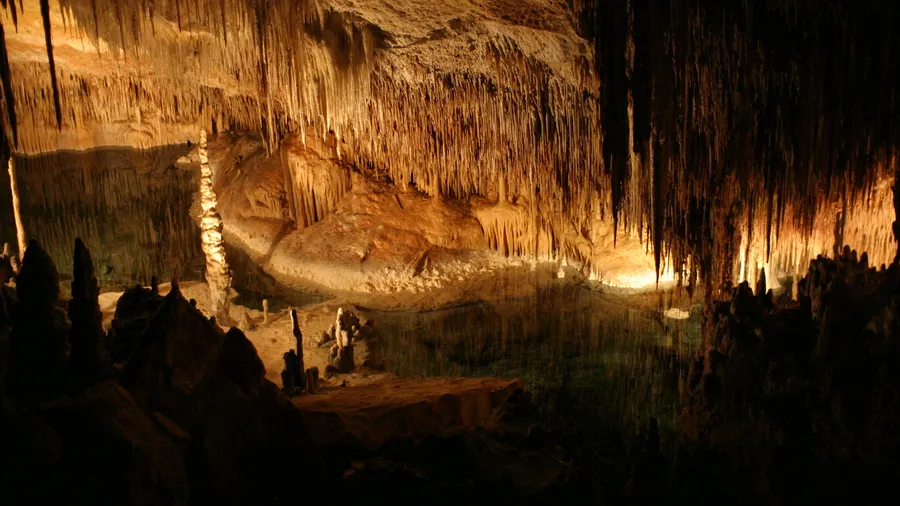
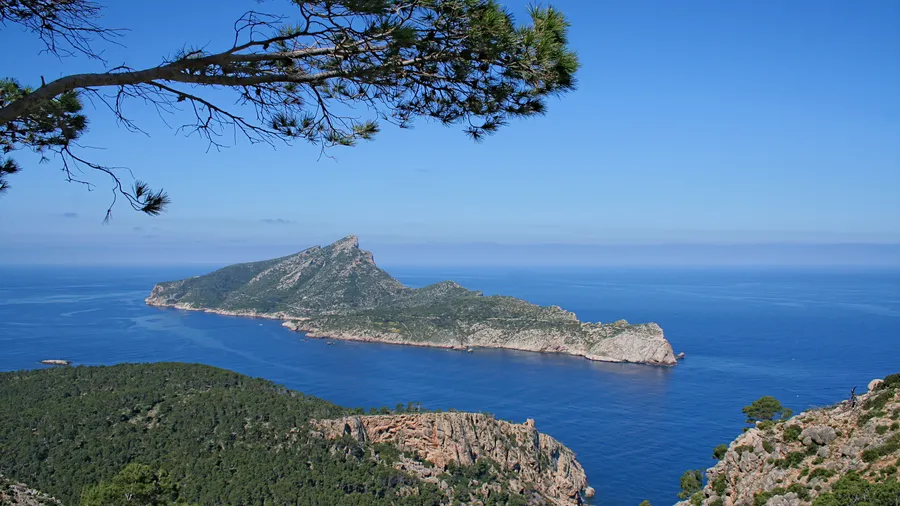
Diving in the Balearics draws on the characteristic clarity of the Balearic Mediterranean: the Reserva Marina del Nord de Mallorca and the Cabrera Archipelago National Park have intact posidonia seagrass beds and rich rocky reef fauna. Menorca, quieter and less crowded, offers cave diving in the north and white sand coves accessible by sea kayak from Maó or Ciutadella. The Drach and Hams caves in Porto Cristo are the largest lagoon cave systems in Europe open to visitors.
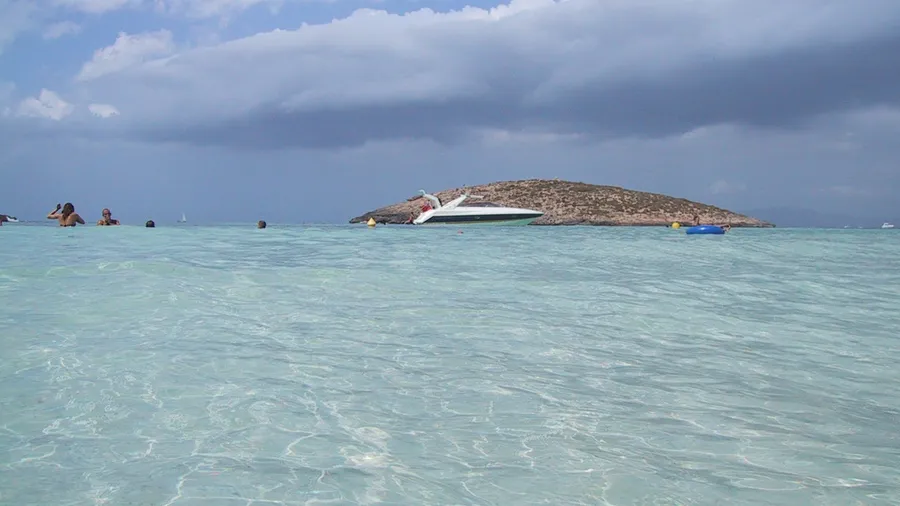
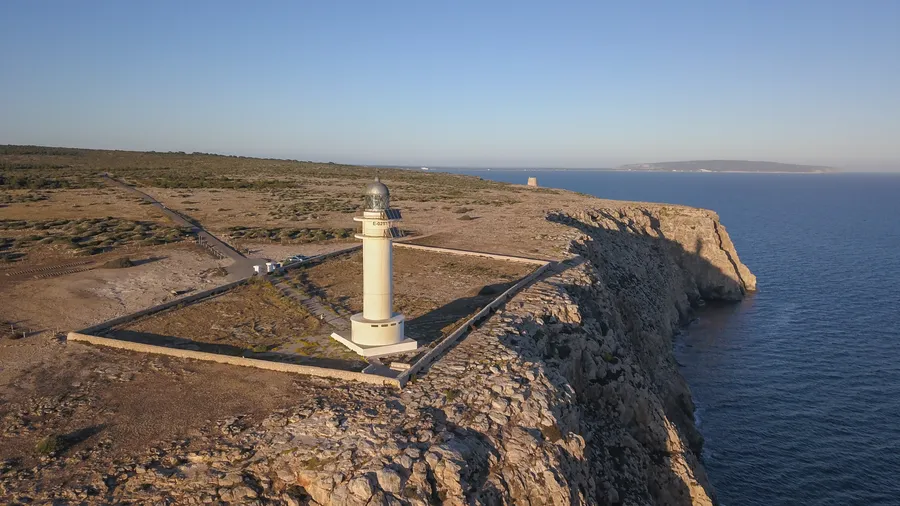
Formentera is the smallest of the four inhabited islands and works mainly as a sailing and kayaking base: the ses Illetes lagoon, with posidonia beds down to 6 metres, holds European recognition as a benchmark for marine water quality.
Highlights
• GR221 in Mallorca: 150 km hiking through Serra de Tramuntana in 13 stages
• Road cycling on Sa Calobra and the Serra mountain passes
• Diving in the Reserva Marina del Nord and Cabrera Archipelago
• Sea kayaking along Menorca's coves from Maó and Ciutadella
• Drach Caves: the largest lagoon cave system in Europe
• Sailing and kitesurfing in Formentera over posidonia beds at 6 metres depth
Best time to visit
Road cycling: February-April (10-16°C, no crowds). Serra hiking: April-May and October-November. Diving and kayaking: May-October. Winter is calm and mild (12-15°C), ideal for uncrowded hiking.
Practical tips
For the GR221, book Xarxa de Refugis refuges weeks in advance in peak season (April-May, September-October). On Sa Calobra, ride up the road before 9am to avoid tourist coaches blocking the switchbacks. For Cabrera, request the National Park permit at least a month in advance — the daily quota is 300 people.
How many days are needed to complete the full GR221 in Mallorca?
The route has 13 official stages and takes 12-14 days walking 6-8 hours a day. The sections between Port de Sóller and Lluc are the most demanding for elevation gain. Individual stages can be done using Mallorca's public transport to access start and end points.
When is the best time to visit Mallorca for road cycling?
February, March and April are the preferred months for European cyclists: temperatures run 10-16°C, passes are clear and roads have less tourist traffic. In summer the heat and tourist volumes complicate the most popular passes like Sa Calobra.
Is there beginner-friendly open water diving in the Balearics?
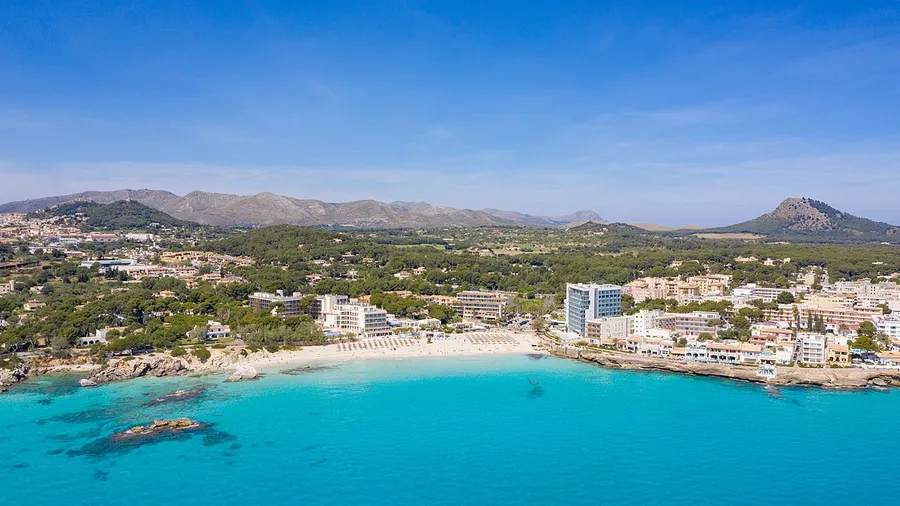
Yes. Cala Millor and Cala Mondragó in Mallorca have dive schools with sandy bottoms and shallow posidonia beds suitable for beginners. In Menorca, Cala en Porter and Cala Galdana have good entry points for introductory dives.
How do you get to Cabrera for snorkelling or diving?
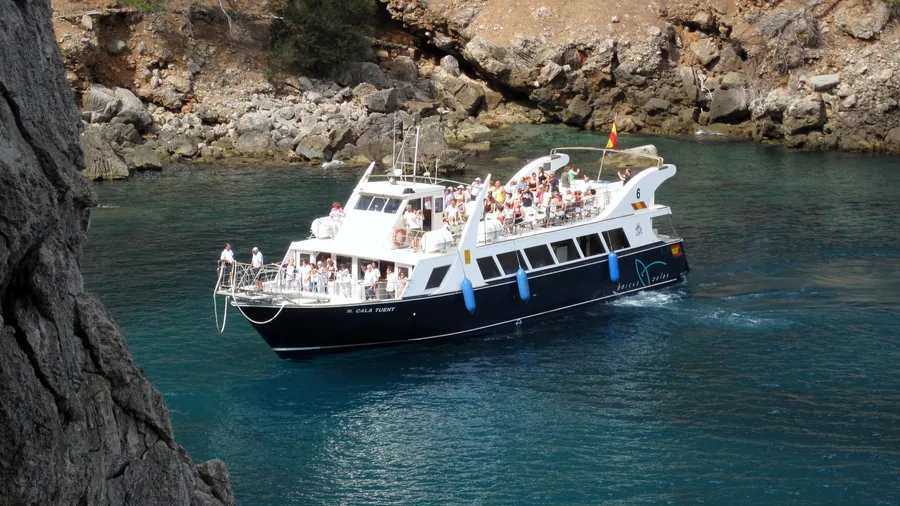
Access is only by authorised boat from Colònia de Sant Jordi (about 30 minutes). A permit from the National Park is required in advance, with a limited daily quota. Trips combine snorkelling, a visit to the castle and marine wildlife observation.
What water activities can you do in Formentera?
Sailing, kayaking, paddleboarding and kitesurfing are the main options. The ses Illetes lagoon has very calm water and visible seabed down to 6 metres. Kitesurfing is concentrated at Es Pujols and Llevant beach, where northerly winds blow regularly.



 0
0  0
0 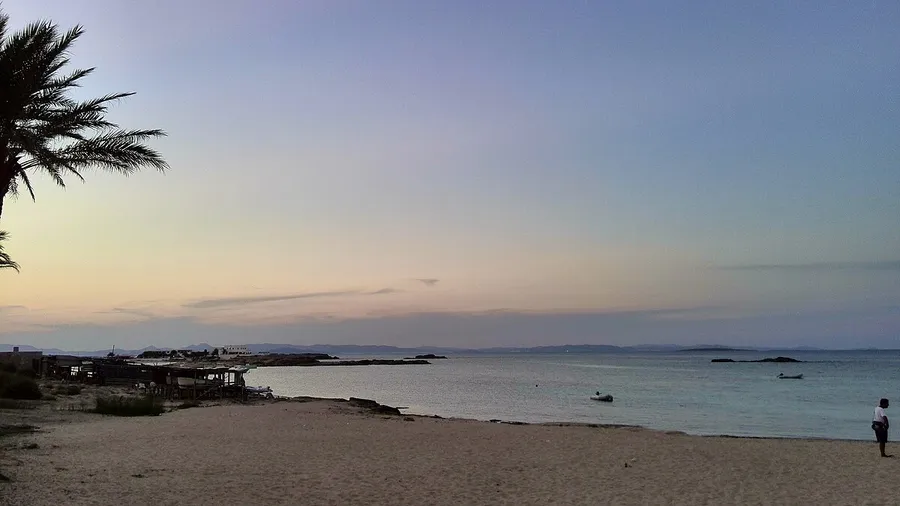 0
0  0
0  0
0  0
0  0
0  0
0  0
0  0
0