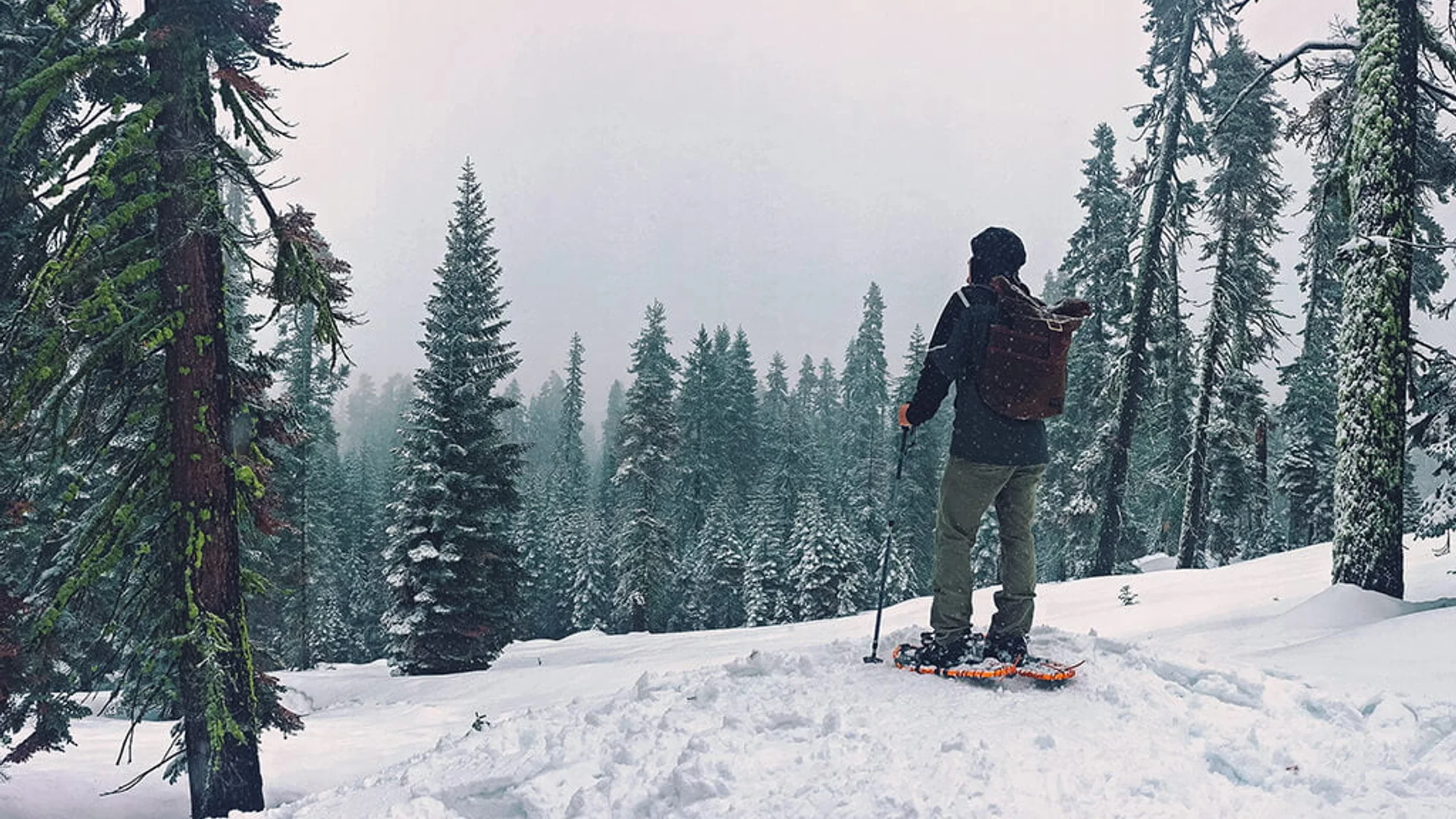
Warum ins Freie gehen, wenn es im Winter kein Schnee gibt?
Der Winter wird nicht abgesagt, wenn es unter deinen Stiefeln nicht weiß ist; er ändert nur das Drehbuch. Winteraktivitäten ohne Schnee öffnen die Tür zu stillen Wäldern, leuchtenden Küsten und klaren Himmeln, ohne auf Pisten oder Stationen angewiesen zu sein. Hier schlagen wir zugängliche Pläne in kalten Klimazonen vor, die in deinem Tempo gemacht werden, mit Fokus auf Sicherheit und niedrigem Umwelteinfluss. Stell dir das Knirschen von Reif unter den Sohlen und eine niedrige Sonne vor, die die Schatten verlängert.
Wir haben 12 Outdoor-Aktivitäten im Winter ohne Schnee ausgewählt, basierend auf sechs klaren Kriterien: Zugänglichkeit (markierte Routen oder nahegelegene Dienstleistungen), Sicherheit (Vermeidung von gefährlichem Gelände), Kosten (kostenlos oder mittel), Zeitrahmen (Pläne, die zwischen November und März am besten aussehen), Eignung für verschiedene Niveaus (Familien, Anfänger, Sportler) und Umwelteinfluss (verantwortungsvolle Praktiken). Du findest Vorschläge wie Wandern in niedrigen Bergen, Winterküstenwanderungen, Vogelbeobachtung im Winter, einfache Höhlenforschung oder Sternenhimmel.
Was du findest und wie du es verwendest:
- Beschreibung jedes Plans, echte Beispiele in Spanien und die beste Zeit im Winter.
- Ungefähres Budget, grundlegendes Equipment und Sicherheitshinweise.
- Ein-Tages-Pläne, die sofort angewendet werden können, und Varianten nach Niveau.
- Verweise auf nützliche Ressourcen: Wanderwege
PRundGR, Besucherzentren, Erholungsgebiete und geschützte Räume.
Denke an diesen Artikel als eine mentale Karte, um deinen nächsten Plan zu entscheiden. Wir empfehlen, ihn mit einer interaktiven Karte mit Pins pro Aktivität und Links zu Routen und praktischen Karten zu kombinieren. Wie immer, überprüfe das Wetter (AEMET) und die lokale Normativik, bevor du aufbrichst. Der kalte Atem bei Sonnenaufgang wird dich daran erinnern, dass der Winter auch eine Entdeckungssaison ist.
Picuco te puede ayudar
Etwas hier angesprochen?
Schreib uns.
Schreib uns auf WhatsApp oder per E-Mail: wir beantworten deine Fragen, suchen die besten Optionen und helfen dir bei der Buchung.
12 aktive Pläne für den Winter ohne Schnee
1. Wandern in niedrigen Bergen und Tälern: sichere und panoramische Routen
Wandern im Winter in niedrigen Bergen und Flusstälern ist ein einfacher, kostengünstiger und sehr lohnender Plan. Sie funktionieren gut: niedrige Täler der Picos de Europa (Desfiladero de la Hermida), Sierra de Grazalema (niedriger Pinsapar und Garganta Verde mit Zugangskontrolle) und mittlere Höhen des Montseny durch PR-C markiert. Die frische Luft riecht nach feuchtem Laub.
- Entfernung und Schwierigkeit: 6–12 km, 200–400 m Höhenunterschied, niedrig-mittlere Schwierigkeit; kostenlos.
- Beste Zeit: Mittag von Dezember bis Februar, nach trockenen Tagen, um extremen Matsch zu vermeiden.
- Ideal für: Familien und gelegentliche Wanderer; Sportler können Varianten verlängern.
- Ein-Tages-Plan: Beginne im Besucherzentrum, gehe zu einem Aussichtspunkt (z. B. Mirador del Puerto del Boyar in Grazalema), mache eine Picknickpause in einem sonnigen Bereich und beende in einem Dorf für eine warme Suppe.
- Equipment: Stiefel mit guter Sohle, Stöcke, thermische Schichten und Windschutzmembran; Stirnlampe, wenn es früh dunkel wird.
- Sicherheit und Varianten: Achte auf Frost in schattigen Bereichen und Matsch; vermeide enge Schluchten nach Regen. Wechsle zwischen Tal und Hügel, um Aussicht und Sonne zu gewinnen. Integriere diese Winteraktivitäten ohne Schnee mit kulturellen Besuchen im Dorf.
Nützlicher Tipp: Verwende offizielle Routen PR oder SL und lade eine GPX für dein Mobiltelefon herunter; nimm eine physische Karte als Backup mit.
2. Küstenwanderungen und Klippenwanderungen: Brise und Winteransichten
Winterküstenwanderungen schenken klares Licht, weniger Menschen und Meere mit Charakter. Klassiker: der GR-92 (Camino de Ronda, Costa Brava), Abschnitte des Camiño dos Faros in Costa da Morte und die Klippen des Kantabrischen Meeres in Liencres oder Sonabia. Das Salz sprüht dir ins Gesicht wie ein feiner Nebel.
- Dauer und Kosten: 2–4 Stunden leichten Gehens; kostenlos.
- Zugänglichkeit: städtische-rustikale Abschnitte mit häufigen Zugängen und Ausgängen; öffentlicher Nahverkehr in großen Kernen.
- Beste Zeit: Mittag mit mittlerer bis niedriger Flut und mäßigem oder schwächerem Wind; vermeide Stürme.
- Ideal für: Fotografen, ruhige Wanderer und Familien mit Kindern, die an Wanderwege gewöhnt sind.
- Ein-Tages-Plan: Gehe früh los, wandere 6–10 km, verbinde Buchten, halte an einem Aussichtspunkt und Leuchtturm, iss Meeresfrüchte im Ankunftsort.
- Sicherheit: Gehe nicht am Rand von Klippen bei Nässe oder starken Böen; halte Abstand zum Wellengang. Nimm eine wasserdichte Windjacke, eine Mütze und dünne Handschuhe mit.
- Ergänzende Aktivitäten: Fotografie von Meeresvögeln, Suche nach Gezeitentümpeln und goldenen Sonnenuntergängen.
Tip: Integriere diese Outdoor-Winteraktivitäten mit einem kleinen lokalen Observatorium oder Interpretationszentrum, wenn das Wetter schlechter wird.
3. Vogelbeobachtung und Winterfauna: Stille und Migrationen
Der Winter konzentriert große Momente für die Vogelbeobachtung im Winter: Estuare, Feuchtgebiete und Ufer sind Zuflucht für Entenvögel, Watvögel und Kraniche. Herausragende Orte: Doñana (Marschland), Delta del Ebro, Tablas de Daimiel, Urdaibai (Bizkaia) und die Lagune von Gallocanta (Kraniche zwischen November und Februar). Das Summen des Windes in den Schilfrohren dient als Metronom.
- Wann hingehen: erste Stunden des Tages oder letzte Licht; am besten zwischen November und Februar für Migrationsspitzen.
- Budget: kostenlos oder niedrig; öffentliche Beobachtungsstationen sind in der Regel kostenlos; geführte Ausflüge 15–40 € p. P. (bestätigen und Optionen in Picuco überprüfen).
- Ideal für: neugierige Familien, Fotografen und aufstrebende Naturforscher.
- Ein-Tages-Plan: Besuche das Besucherzentrum, wandere 2–5 km zwischen Beobachtungsstationen, notiere in einem Notizbuch oder einer App, mache eine Pause mit heißem Kaffee und schließe mit einem Sonnenuntergangsausblick.
- Equipment: Fernglas 8x oder 10x, Feldführer, thermische Kleidung, Regenhülle und Thermoskanne. Nimm ein Teleobjektiv mit, wenn du fotografierst.
- Ethik und Sicherheit: Halte Abstand, benutze keine Lockvögel, Hunde an der Leine, respektiere Pfade, um keine Winterbrutplätze zu zertrampeln. Vermeide rutschige Ränder mit tiefem Matsch.
Diese Winteraktivitäten ohne Schnee verbinden dich mit lokalen Gemeinschaften, die mit den Vögeln zusammenleben; nutze die Gelegenheit, um mehr über die Berufe zu erfahren, die mit Feuchtgebieten verbunden sind.
4. Gravel-Radfahren und ländliche Routen: Erkundung von Schotterwegen
Gravel glänzt im Winter in trockenen Zonen: weite Sicht, weniger Verkehr und frische Temperaturen zum Radfahren. Vorschläge: Vía Verde de la Sierra (Cádiz-Sevilla), Vía Verde de la Jara (Toledo), Wege zwischen Weinbergen in La Rioja und Eichenwäldern in Extremadura in der Nähe der Vía de la Plata. Das Knirschen des Schotters unter den Reifen markiert den Rhythmus.
- Technisches Niveau: niedrig-mittel auf grünen Wegen; mittel, wenn du landwirtschaftliche Wege verbindest; Entfernung 25–60 km/Tag.
- Kosten: wenn du ein Fahrrad hast, kostenlos; Gravel- oder E-Bike-Miete 25–70 € pro Tag (je nach Modell); Helm obligatorisch.
- Beste Zeit: Mittagszeit, um Minima zu vermeiden; achte auf Frost in schattigen Bereichen.
- Ideal für: aktive Paare, Freundesgruppen und Radfahrer in aerobischer Basis.
- Ein-Tages-Plan: Starte von einem Bahnhof oder Dorf, durchquere Tunnel und Viadukte, mache ein Picknick in einem Erholungsgebiet und kehre auf einer Rundroute zurück.
- Equipment: Reifen 35–45 mm mit Profil, lange Handschuhe, leichter Regenmantel, Lichter und Multifunktionswerkzeug; für E-Bike, verwalte Batterie in der Kälte.
- Sicherheit und Varianten: Vermeide lehmige Wege nach Regen; wenn Matsch vorhanden ist, verkürze oder wechsle zu einer Nebenstraße. Städtische Variante: periphere Radwege und grüne Ringe. Integriere diese Outdoor-Winteraktivitäten mit Besuchen in lokalen Kellereien oder Käsereien.
Tipp: Nimm eine GPX der Route mit und überprüfe den Zustand der grünen Wege auf offiziellen Portalen, bevor du aufbrichst.
5. Trail Running in kaltem Klima: Training und Winterenergie
Trail Running funktioniert ohne Schnee in niedrigen Bergen und Wäldern, mit kompaktem Gelände und weniger Hitze. Beliebte Zonen: Sierra de Guadarrama in niedrigen Höhen (La Jarosa, El Pardo), Collserola in Barcelona oder städtische Parks mit markierten Wegen. Der Dampf deines Atems begleitet die Schritte.
- Tempo e duração: 45–90 min a ritmo conversacional; 8–15 km com 300–600 m+ para nível médio.
- Equipamento: sapatos com bom solado, meias térmicas, corta-vento, gorro fino, luvas, celular e manta térmica leve.
- Riscos: hipotermia por suor-frio, solos escorregadios em rocha ou raízes; leve capa seca para o final.
- Plano de 1 dia: aquecimento 15 min, circuito por trilha sombreada e loma ensolarada, 2–3 progressivos finais e alongamentos com bebida quente.
- Ideal para: atletas que querem manter forma; iniciantes podem alternar trote e marcha.
- Segurança: compartilhe localização em tempo real, defina hora de retorno, evite cristas com vento. Se houver placas de gelo, mude para pista larga.
Essas atividades inverno sem neve permitem trabalhar base aeróbica e técnica sem aglomerações, integrando natureza e saúde.
6.Fotografia de paisagem e luz invernal: capturar a estação
A fotografia de paisagem em inverno sem neve explora amanheceres tardios, neblinas costeiras e céus teatrais. Boas localizações: dehesas com carvalhos, praias abertas voltadas para o leste e ermitas rurais elevadas. O clique do obturador soa mais nítido no ar frio.
- Melhores horas: amanhecer e entardecer; em dezembro o sol nasce por volta de 8:30–8:45 na Península, o que ajuda a acordar menos (verifique conforme localização).
- Equipamento: tripé estável, baterias extras (o frio reduz autonomia), pano de microfibra, filtros graduais e frontal com luz vermelha.
- Plano de meio dia: localize enquadramentos no Google Earth ou mapas, chegue 45 min antes do amanhecer, dispare em azul e dourado, café e revisão rápida de tomadas, segundo spot para o entardecer.
- Orçamento: grátis se já tiver equipamento; workshops locais 30–80 € por sessão (confirme disponibilidade e consulte opções em Picuco).
- Dicas: pense em camadas e linhas de fuga; em edição, respeite tons frios naturais. Compartilhe suas imagens com a comunidade local e marque espaços protegidos para visibilizá-los.
Essas atividades inverno sem neve conectam com o território ao documentar sua textura estacional sem pegadas.
7.Camping frio e microaventuras sem neve: noites junto ao fogo (onde permitido)
Acarpar em inverno, sem neve, é possível e acolhedor em zonas temperadas e campings abertos o ano todo. Em Espanha, veja áreas controladas em Andalucía, Comunidade Valenciana, Murcia ou Algarve próximo, e campings rurais em dehesas ou costa abrigada. O estalar do fogo autorizado soa como um latido antigo.
- Equipamento chave: saco confort 0 a −5 °C, esterilha
R-value≥ 4, cozinha de gás, capa de vivac ou dupla cobertura, gorro, braga e termo. - Custo: parcelas 10–20 € p.p.; bungalows 50–80 € noite; microaventura com vivac, só onde a normativa permitir, geralmente é grátis.
- Plano 1–2 noites: tarde de chegada, passeio curto e jantar quente; amanhecer fotográfico e rota circular de 8–12 km; retorno com parada gastronômica.
- Segurança: verifique normativa (muitas CCAA proibem acampada livre; busque áreas reguladas ou campings), controle condensação e ventilação, e evite vales por geadas.
- Ideal para: casais e amigos com vontade de calma; famílias melhor em camping com serviços.
- Variantes: refúgios guardados (reserva prévia) ou cabanas rurais.
Essas atividades ao ar livre inverno apoiam economias locais em temporada baixa e ensinam a planejar com cabeça.
8.Caiaque e passeios em estuários ou rios tranquilos: água calma no inverno
O caiaque em estuários e rios mansos é sereno no inverno: menos tráfego náutico e mais fauna. Destinos: estuário do Guadalquivir (trechos baixos), rías galegas abrigadas, ría de Villaviciosa e trechos lentos do Miño ou Tormes. O chapinhar contra a proa é um metrônomo suave.
- Temporada e horas: dias estáveis sem vento forte; melhor ao meio-dia para evitar frio; evite caudais altos após chuvas.
- Orçamento: aluguel com guia 25–45 € p.p. por 2–3 h; se tiver caiaque, grátis (verifique permissões em confederações hidrográficas e portos).
- Equipamento: neoprene leve ou camadas térmicas com corta-vento, meias e calçado de água, muda seca em bolsa estanque, colete obrigatório.
- Plano de 1 dia: briefing de segurança, travessia de 6–10 km avistando aves, parada em areal resguardado e retorno com corrente a favor.
- Segurança: não saia com vento >25–30 km/h nem marés vivas se não dominar; mantenha-se perto de orlas em águas frias, pratique reembarque assistido.
- Ideal para: casais e grupos com guia, fotógrafos de fauna.
Integre essas atividades ao ar livre inverno com marisqueo didático ou centros de interpretação estuarina quando estiverem disponíveis.
9.Espeleologia e visitas a cavernas: aventuras subterrâneas sem neve
As cavernas mantêm temperatura estável o ano todo, por isso são perfeitas quando fora aperta o frio. Visitas turísticas: Cueva de Nerja (Málaga), El Soplao (Cantabria), Gruta de las Maravillas (Aracena, Huelva) ou Cova de Sant Josep (Vall d’Uixó, Castellón). O gotejar constante sobre a rocha soa como um relógio mineral.
- Duas modalidades: visitas turísticas com passarelas e luz (fáceis, 1–2 h), e espeleologia guiada em cavidades não acondicionadas (nível médio, 3–5 h).
- Custo: entradas 8–18 €; espeleologia com guia e equipamento 40–80 € p.p. (consulte disponibilidade e opções em Picuco).
- Melhor momento: qualquer dia sem chuvas fortes anteriores (evite sifões e enchentes).
- Equipamento: roupa térmica, capacete e frontal (incluídos em guiadas), luvas e calçado com aderência.
- Plano de 1 dia: visita a caverna pela manhã, almoço no vilarejo e passeio por trilha interpretativa próxima.
- Segurança: não entre sem guia em cavidades técnicas; avise seu plano e respeite formações, não toque em espeleotemas. Reserve com antecedência em temporada alta de feriados.
Essas atividades inverno sem neve apoiam centros museísticos locais e preservam patrimônio geológico quando visitados com respeito.
10.Escalada em rocha em estações frias: técnica e segurança
Escalar no inverno é viável em escolas ensolaradas e resguardadas. Setores recomendáveis: El Chorro (Málaga), Chulilla (Valencia), faces sul de Montserrat e setores baixos de Margalef em dias ensolarados. O toque na rocha fria, seco e áspero, melhora o agarre.
- Nível recomendado: iniciação com guia em esportiva; intermediário-avançado em autônomo; evite sombreados com gotejo.
- Custos: aluguel de equipamento/curso 50–90 € p.p. dia (consulte opções em Picuco); em autônomo, grátis.
- Melhor faixa: 11:00–16:00 com sol direto; evite dias ventosos.
- Equipamento: sapatos de escalada, arnês, capacete, corda, 10–14 fitas, magnésio e capa térmica que possa tirar ao escalar.
- Plano de 1 dia: aquecimento ao sol, vias de grau confortável para volume, uma ou duas de desafio e volta cedo.
- Segurança: verifique rocha úmida ou com gelo pontual, proteja mãos entre pegues, mantenha comunicação clara com a pessoa que segura. Alternativa com mau tempo: rocódromos locais.
Essas atividades ao ar livre inverno dinamizam destinos rurais escaladores, com respeito à nidificação se houver restrições temporais sinalizadas.
11.Rotas patrimoniais e turismo rural invernal: cultura e povoados encantadores
O inverno é aliado do turismo rural: povoados tranquilos, museus sem filas e cozinha de panela. Itinerários: românico em Castilla y León (Valle de Boí é catalão, melhor citar Tierra de Campos e Montañas de Palencia), mosteiros e dehesas em Extremadura (Guadalupe, Monfragüe), e a Subbética cordobesa (Zuheros, Priego de Córdoba, Iznájar). O cheiro de lenha envolve as praças.
- Budget: free walks; museums and interpretation centers 2–6 €; tastings and workshops 10–25 €.
- Best time: sunny weekends after rain; holidays with artisan markets.
- Ideal for: families and couples; history and urban photography enthusiasts.
- 1-day plan: guided tour of the historic center, local food, short route to a viewpoint and stop at a producer (cheese, oil, honey).
- Tips: confirm winter hours, book popular restaurants and combine with 4–6 km walks along cattle trails or
SLroutes. - Impact: support artisans and producers; ask about pruning, transhumance or traditional slaughtering seasons to understand the rural calendar.
These winter activities without snow add culture and landscape with a slow pace.
12. Astronomy and night observation (clear skies): starry nights
The cold and stable winter air offers more transparent skies, perfect for observing constellations and the Milky Way in dark areas. Places: National Park del Teide (Tenerife), Monfragüe (Extremadura), Gúdar-Javalambre (Teruel) and Sierra Morena (Andalucía). The crunch of frost accompanies the cosmic silence.
- Best lunar phase: around new moon or last quarter for dark sky; avoid high clouds.
- Equipment: thermal blanket, layered clothing, hat and gloves, red flashlight, tripod and, if you have it, telescope; mobile apps to locate objects.
- 1-night plan: arrive with light, familiarize yourself with the place, 60–120 min session identifying Orion, Taurus and open clusters, and night photos if you dare.
- Budget: free; guided sessions 20–50 € p.p. depending on included equipment (check options in Picuco).
- Safety: avoid drowsy driving, look for safe clearings away from roads, notify your location and monitor the thermal sensation.
- Complements: hot chocolate, blankets and folding chair; in rural areas, ask about Starlight events.
These winter outdoor activities connect science and awe with respect for the night environment.
Recommended locations map
To facilitate planning, prepare an interactive map with pins organized by activity: hiking (green), coast (blue), birds (yellow), gravel (orange), kayak (turquoise), caves (purple) and dark skies (black). Include for each pin: brief description, reference photos, downloadable GPX/KML tracks and links to route sheets. The glow of the pins on the map reminds of fireflies on paper.
Practical recommendations:
- Filters by province and type of activity, and layers of public transport (nearby train/bus stops).
- Difficulty fields (easy, medium, technical), mileage, elevation and estimated time.
- Water points, shelters, visitor centers and authorized parking.
- Legal notices: camping regulations, restrictions due to nesting or hunting, and river permits for kayak.
Insert the map on the web and offer offline GPX/KML version for navigation apps. Add conservation notes: walk on marked trails, respect temporary closures and avoid disturbing wildlife. This way, your itinerary will be agile, safe and respectful.
Tips for choosing winter activities without snow (equipment, level and safety)
Choosing your winter activities without snow depends on the day's weather, your physical condition and the goal (move, learn, contemplate). The key is to adjust expectations to the available light and cold. The smell of hot coffee in the thermos helps to decide calmly.
- General checklist:
- Layers: thermal + insulating + windproof/waterproof.
- Footwear with marked sole; spare socks.
- Hat, gloves, buff and sunglasses.
- Water and hot drink, salty and sweet snack.
- Headlamp, thermal blanket, minimum first aid kit and mobile with extra battery.
- Specific equipment:
- Birds/photo: binoculars, telephoto lens, tripod and rain cover.
- Gravel: helmet, gloves, spare tubes, pump and quick link.
- Kayak: neoprene/layers, life jacket, dry bag and dry change.
- Climbing/caving: helmet, headlamp, harness and certified material.
- Evaluate difficulty and time:
- Distance, elevation and terrain (mud, rock, sand).
- Solar schedule and escape points.
- Group level: the plan is set by the least experienced.
- Basic safety:
- Check weather and official warnings.
- Trace route and share it; notify return time.
- Plan B if there is ice, strong wind or floods.
- Accident/liability insurance if you do techniques; permits for kayaking in reservoirs or access to protected spaces.
- Families and beginners:
- Reduce mileage and choose itineraries with nearby services.
- Play with micro-objectives (viewpoint, lighthouse, observatory) to maintain motivation.
With this base, you can choose the plan you will enjoy the most that day and combine it with local culture or gastronomy.
Frequently asked questions
Can you enjoy the outdoors in winter without snow?
Yes. There are many outdoor winter activities that do not depend on snow: hiking through valleys, coastal walks, birdwatching, gravel, kayaking in calm waters or astronomy. Choose sunny areas and marked routes to maximize safety.
What clothes are suitable for these outings?
Dress in layers: thermal, insulating and windproof-waterproof. Add hat, gloves, warm socks and footwear with good sole. Carry a dry layer for the end, especially if you run or cycle.
Are they suitable for children and pets?
Yes, many. Choose short routes with nearby services and avoid exposed cliffs. Dogs on a leash in protected areas and respect for wildlife. In kayaking or caves, better guided activities and with recommended minimum age.
What do I do if the weather changes or there is a bad forecast?
Have a Plan B: local museums, visitor centers, heritage routes or climbing walls. If there is an alert for wind, ice or floods, reschedule without hesitation. Safety first.
Do I need permits or a guide for some activities?
Maybe. Kayaking in reservoirs requires a permit from the confederation; technical caves, qualified guide; some gorges or parks, reservation and quota. Verify municipal and regional regulations and, if in doubt, choose a guided activity.
How do I take care of the environment on these outings?
Follow trails, respect closures, do not feed wildlife, pick up your waste and reduce noise. On the coast, stay away from nests and intertidal pools.
Book your experience — discover active tourism activities in Spain with providers verified by Picuco.
Conclusion
Winter without snow is an opportunity: fewer crowds, special light, nearby wildlife and villages that welcome you without haste. With the 12 previous proposals, you can move, learn and contemplate without depending on slopes or lift passes. The smell of firewood and the silence of a cold valley are part of the reward.
Start with a simple plan this weekend: a valley trail or a coastal walk, and add a bird observatory or a starry sunset. Use the locations map, prepare your layered equipment and follow the safety recommendations to enjoy peacefully. If it has helped you, share your experiences and doubts in comments or social networks, and save this list for future getaways. Explore more ideas and seasonal updates in Picuco to keep your winter outdoors alive.